Newsletters


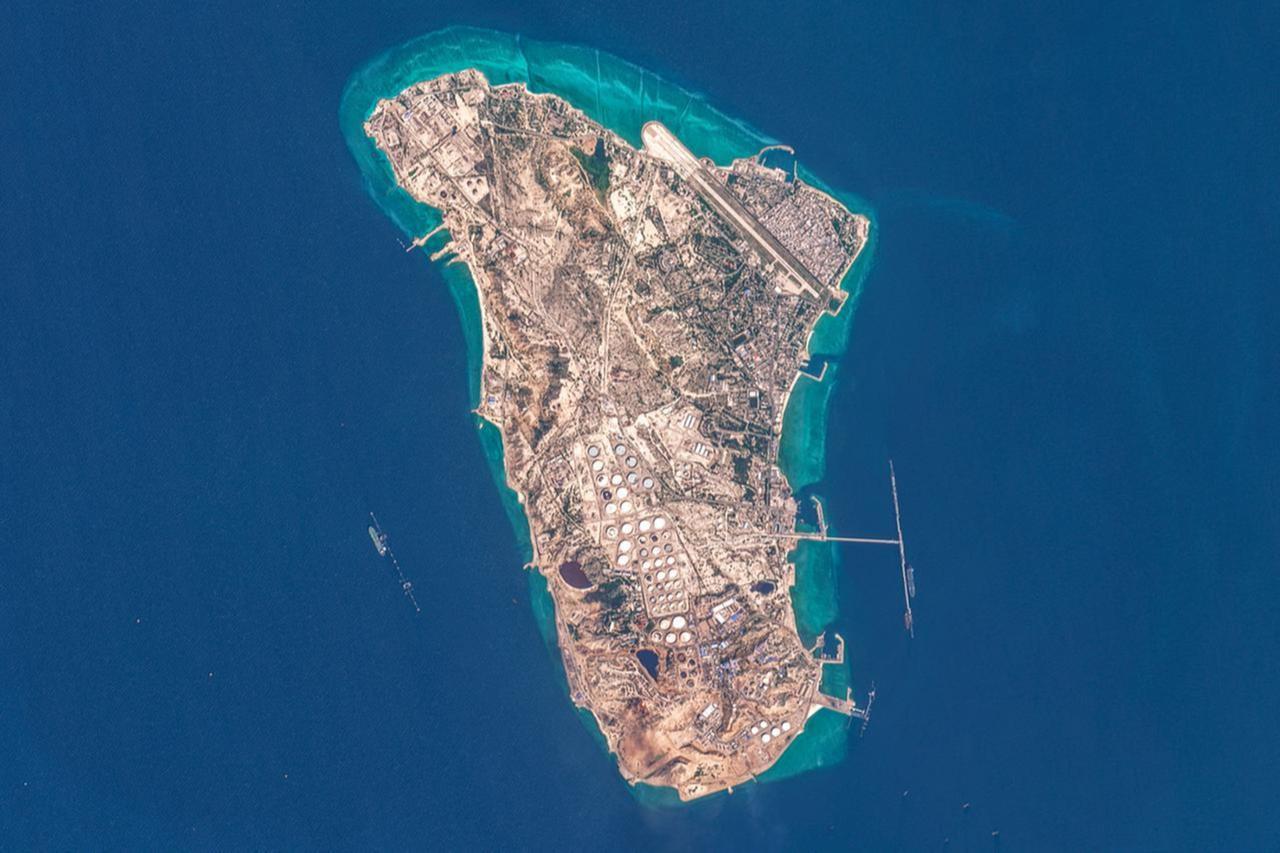


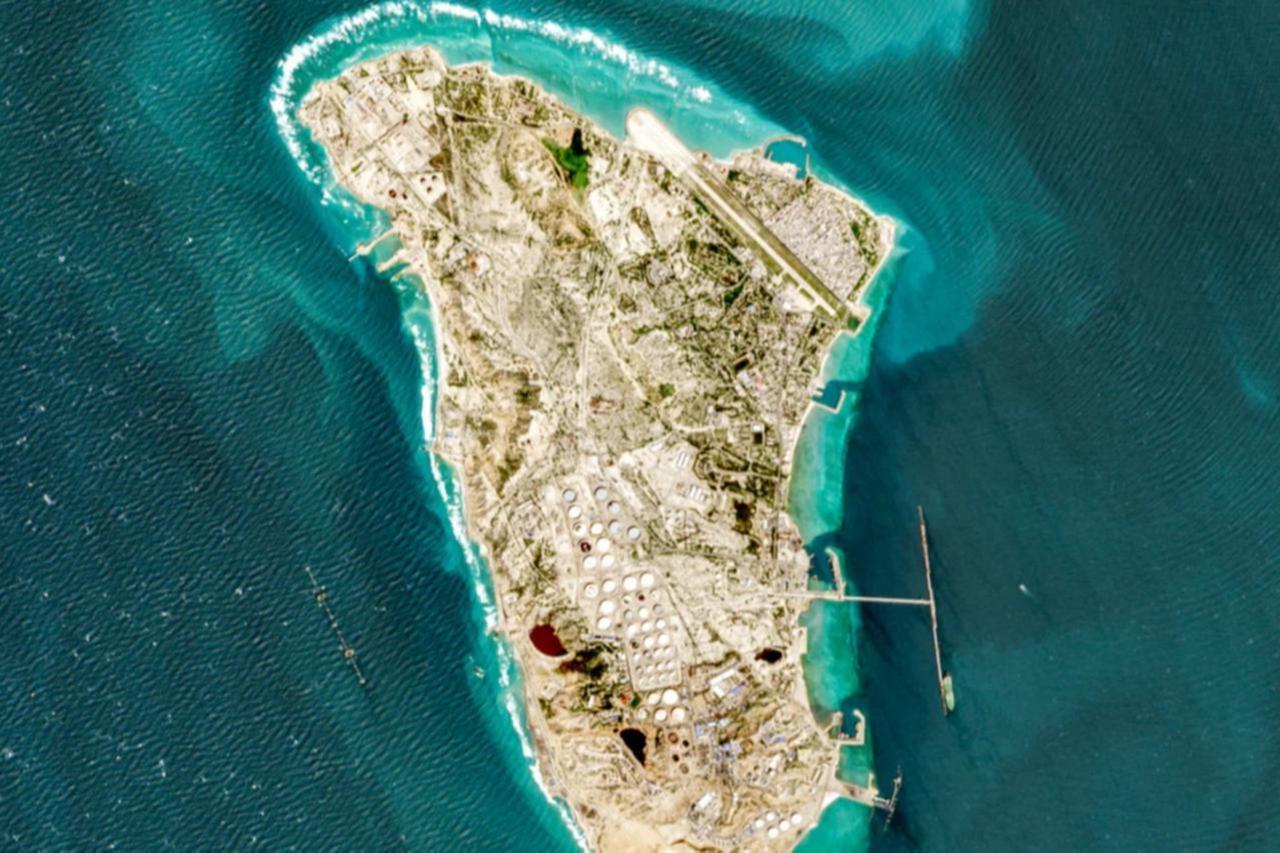
A large oil slick is spreading in the Persian Gulf off Iran’s Kharg Island, the country’s main crude oil export terminal, The New York Times reported Friday, citing satellite images.
The apparent spill was located off the island’s western coast and had spread over more than 20 square miles, or 52 square kilometers, as of Thursday, according to an estimate by Orbital EOS, a global oil spill monitoring service.
Orbital EOS said more than 3,000 barrels of oil may have been released. The exact cause of the spill was unclear.
The slick appeared to be spreading southward toward Saudi waters as of midday Thursday, the report said.
Iranian state media had not reported on the slick, and Iran’s Foreign Ministry did not immediately respond to a request for comment, according to The New York Times.
Kharg Island is at the center of Iran’s oil export industry and is a key part of the country’s economy. The island has Iran’s largest oil terminal, oil pipelines, storage tanks and related infrastructure.
It lies in the Gulf, north of the narrow and strategic Strait of Hormuz.
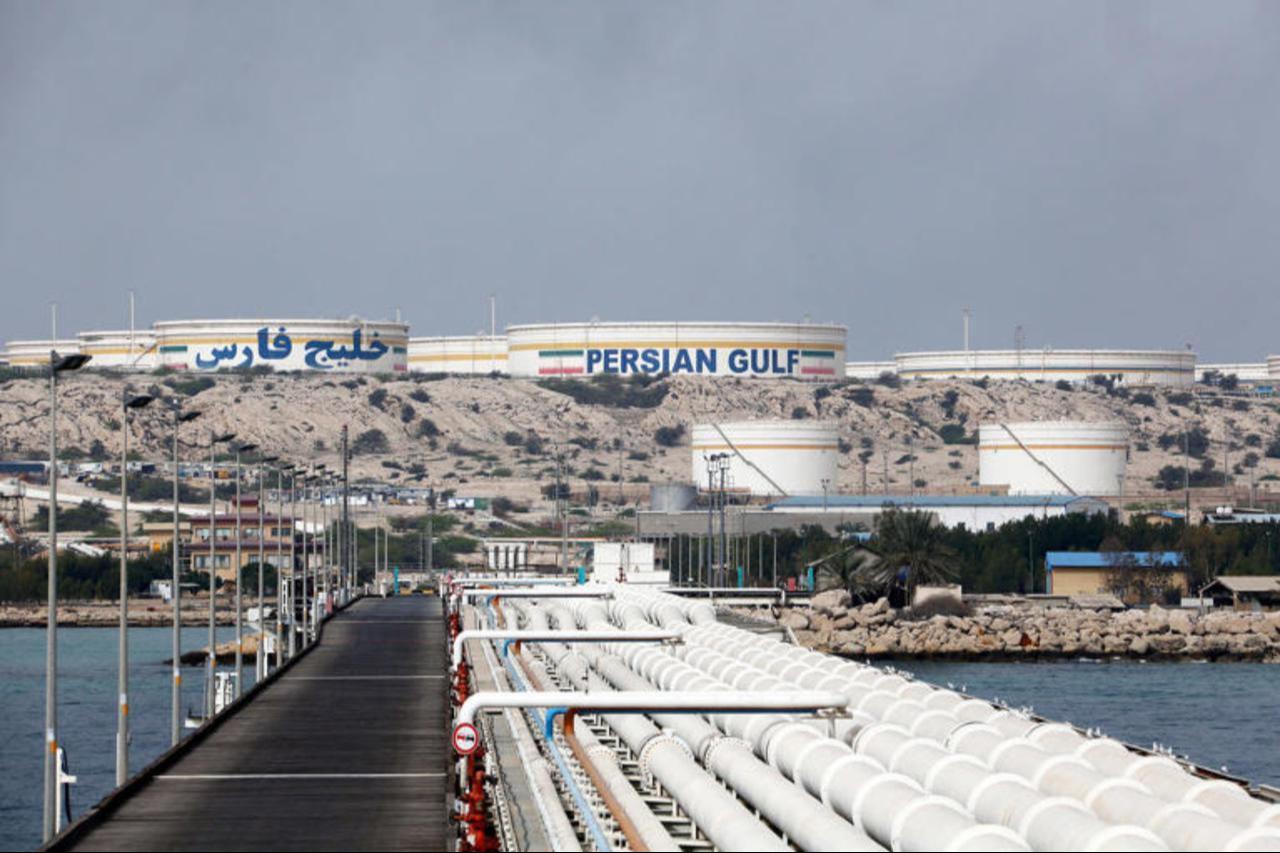

The report said the apparent spill raised concerns about the condition of Iran’s oil infrastructure, which has been under strain during the U.S.-imposed naval blockade.
Iran largely closed the Strait of Hormuz at the start of its conflict with the United States and Israel on Feb. 28. The United States has since imposed a blockade of Iranian ports, leaving many tankers stranded in the area.
The Iranian government has also restricted ship traffic through the strait as talks on reopening the passage stalled, the report said.
Vessels and facilities have also sustained damage in U.S. and Israeli attacks, making them vulnerable to spills, according to the report.
The Strait of Hormuz is the narrow waterway into the Persian Gulf through which 20% to 25% of the world’s seaborne oil normally passes.
The blockade has constrained exports and left Iran rapidly running out of places to store its oil, raising concerns about possible leaks or other mishaps at the Kharg Island hub, the report said.
Large volumes of crude were being stored in tankers, adding to the risk of spills, said Dalga Khatinoglu, who follows Iran’s energy sector at Iran Open Data, an independent data initiative.
Khatinoglu said another possible source could be a rupture in an undersea pipeline connecting the hub with the Abuzar oil field, a major offshore field west of Kharg Island.
He said the poorly maintained, decades-old pipeline had suffered several leaks in recent years, including a breach in October 2024.
Others speculated that oil may have been deliberately discharged into the sea because of a lack of storage space, though the report said there was no evidence for that.
“All told, the naval blockade has likely pushed Iran’s oil system into a dangerous state,” said Nima Shokri, a professor of environmental engineering at the Hamburg University of Technology.
Shokri said shutting down oil wells is difficult because it can clog wells or pipelines, or damage the oil reservoir underneath, making production slower and more expensive to restart.
“Oil wells are not machines that can simply be switched off and restarted at will,” he said.
Keyvan Hosseini, an expert in energy and environment at the University of Southampton, said the spill reflected how sanctions, conflict and chronic underinvestment have made it harder for Iran to modernize, maintain and replace critical oil infrastructure.
Hosseini said the Persian Gulf, much of which is shallow, is under increasing stress from heat, salinity, pollution and coastal development.
Oil can settle into sediments and shorelines and can be particularly damaging to mangroves, coral communities, seabirds, turtles and spawning grounds, he said.
A spill near Kharg Island could affect fisheries, coastal communities, desalination plants, marine habitats and sensitive Persian Gulf ecosystems, Hosseini said.
“Even a manageable spill can become a larger regional environmental crisis if the response is delayed,” he said.


 Set as preferred source
 Set as preferred source


 1 min read
 1 min read