Newsletters





Israeli intelligence service Mossad's Director David Barnea submitted an extraordinary four-page letter to Israel's Supreme Court, opposing Prime Minister Benjamin Netanyahu's choice of Maj. Gen. Roman Gofman as his successor. He warned that Gofman's conduct demonstrated a pattern of bypassing procedures that posed a "strategic danger" to an agency.
Barnea himself revealed that the intelligence service operates without a governing law, without a supervisory committee, and with "almost absolute freedom," which makes the personal integrity of its director the only meaningful check on its power.
Barnea wrote that the Mossad "operates without a Mossad Law, without a supervisory committee," and that for 99% of its activities it has no obligation to report to its supervisor.
He stated the agency carries out operations "in outright violation of the laws of foreign countries in which it operates," and that, unlike heads of Western intelligence agencies, the Mossad director "operates with almost absolute freedom," determining both strategic objectives and the methods used to achieve them without external checks.
Against this backdrop, Barnea argued that the personal integrity of the Mossad director was not merely preferable but structurally indispensable, and that Gofman failed that standard.
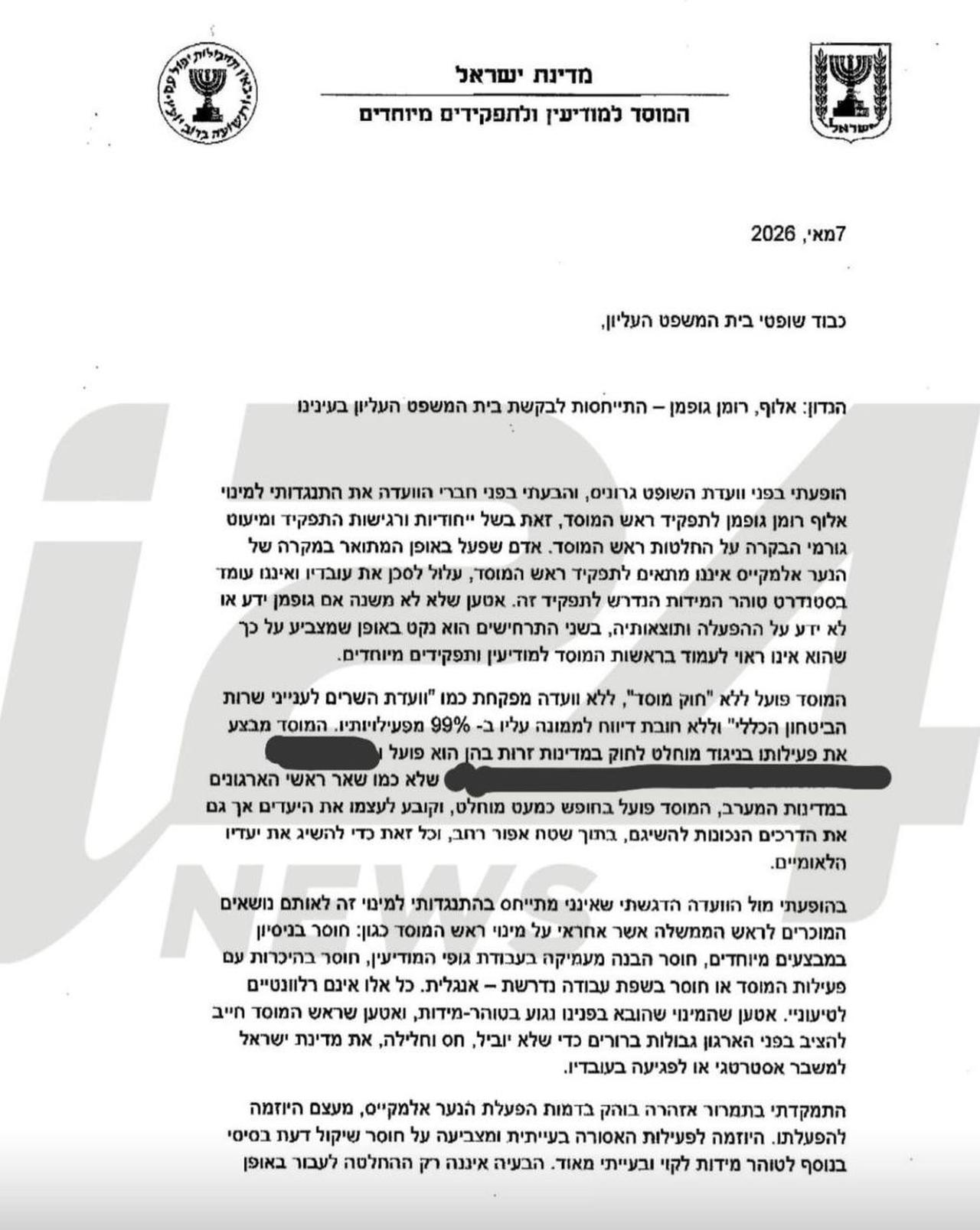
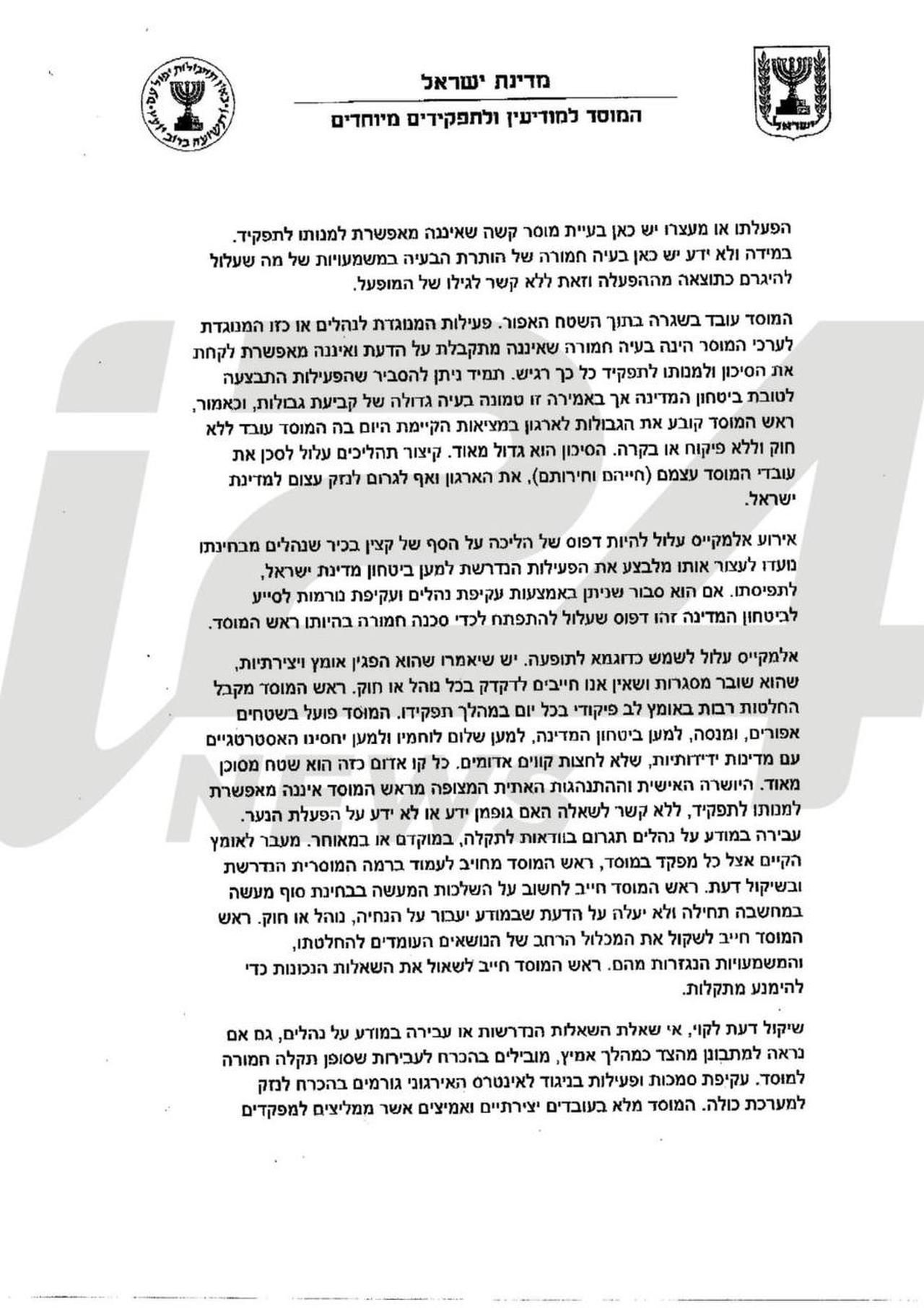
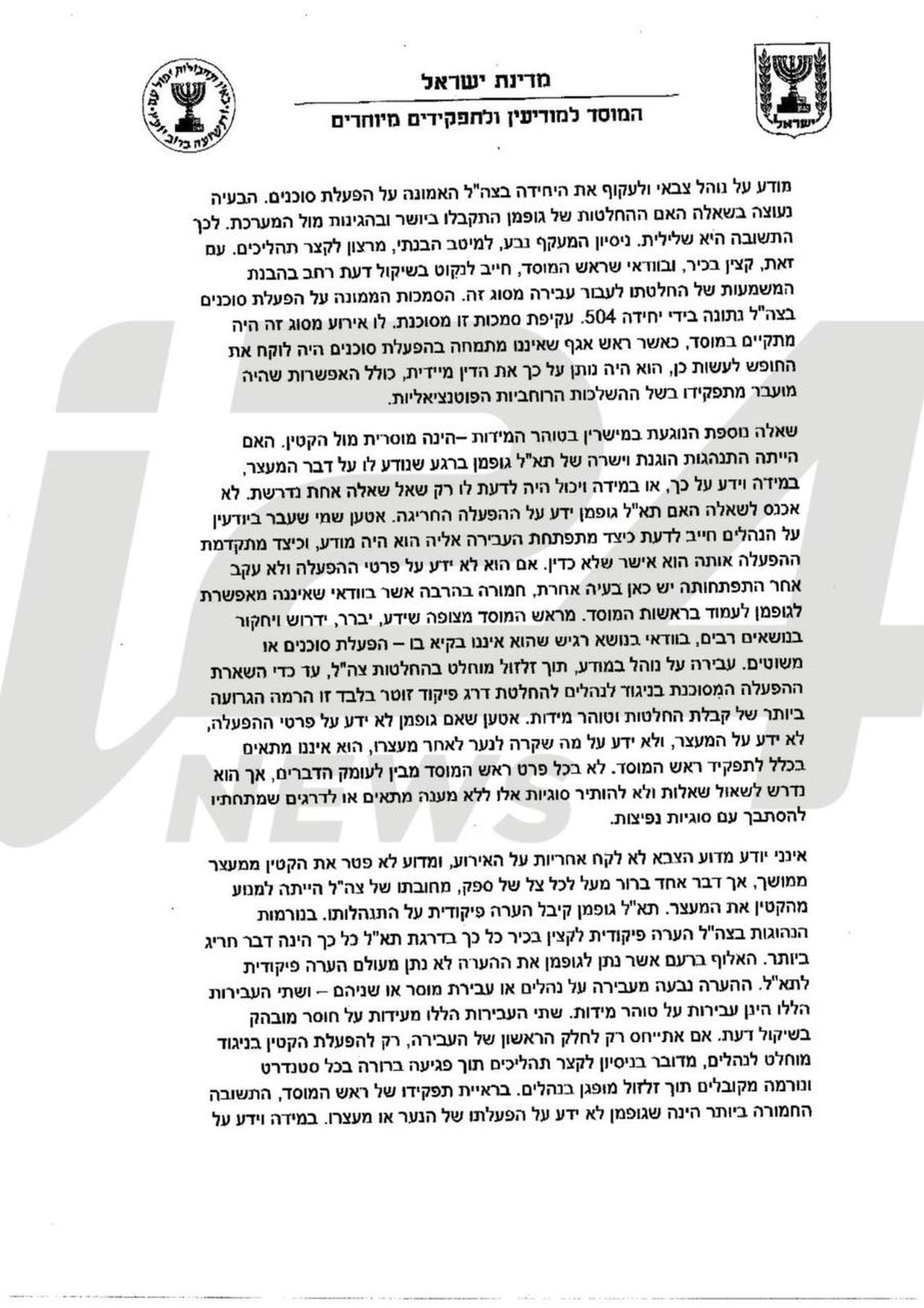
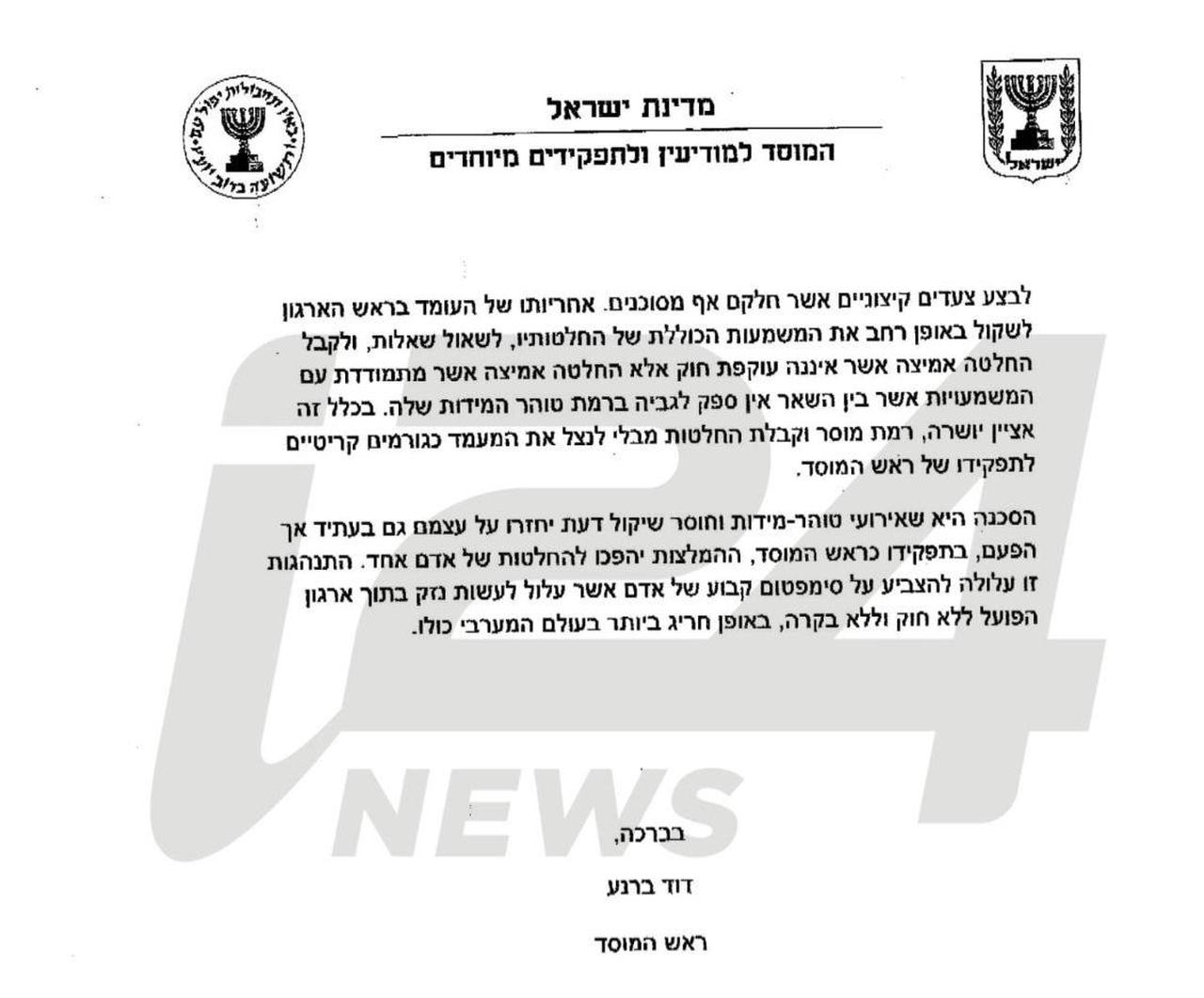
The specific conduct Barnea cited centered on the case of Ori Elmakayes, a minor whom Gofman allegedly had activated as an intelligence asset in violation of military procedures, without coordinating with the Israeli army unit responsible for running agents.
The minor was subsequently arrested and held in Israel's internal security and counterintelligence agency Shin Bet's detention for a prolonged period, allegedly without legal access.
Gofman received a rare formal military reprimand, according to Barnea, the first such reprimand a relevant general had ever issued to a brigadier general.
Barnea analyzed two scenarios, finding both disqualifying:
If Gofman knew about the operation and the minor’s subsequent detention but did nothing. In this case, Barnea noted, "There is a serious ethical problem here that does not allow him to be appointed."
Alternatively, if Gofman was unaware, Barnea said, "There is a different problem here, far more serious—that a senior commander approved an operation without tracking its outcome." Barnea emphasized that such a failure is unacceptable for the Mossad, where the director’s recommendations become unilateral decisions with no external review.
"The Elmakayes incident may be a pattern of walking on the edge by a senior officer who sees procedures as obstacles to the activities required for Israel's security," Barnea wrote.
"If he believes that bypassing procedures and norms can help state security, this is a pattern that could become dangerous when he becomes Mossad director," he added.
Barnea stated that he also held separate objections, which he explicitly noted were known to Netanyahu, including Gofman's limited operational intelligence experience and insufficient command of English, the Mossad's primary working language.
But he stressed that those concerns were secondary: the ethical disqualification stood on its own.
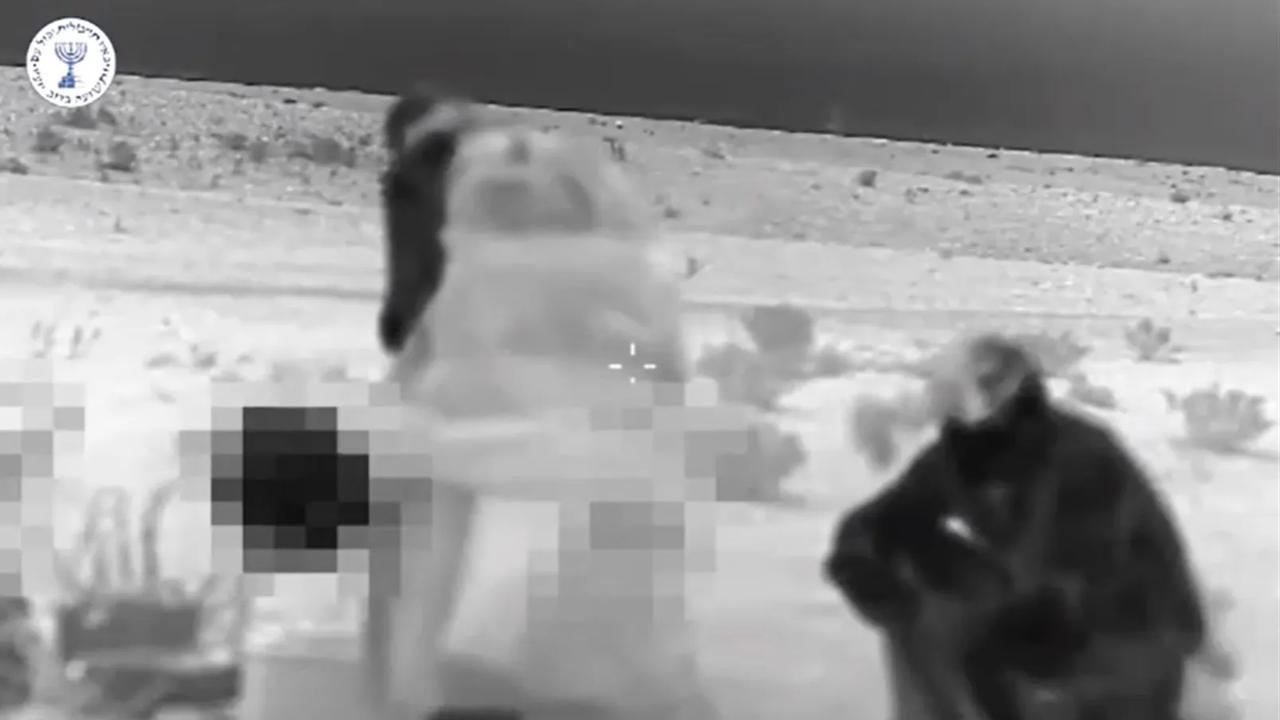

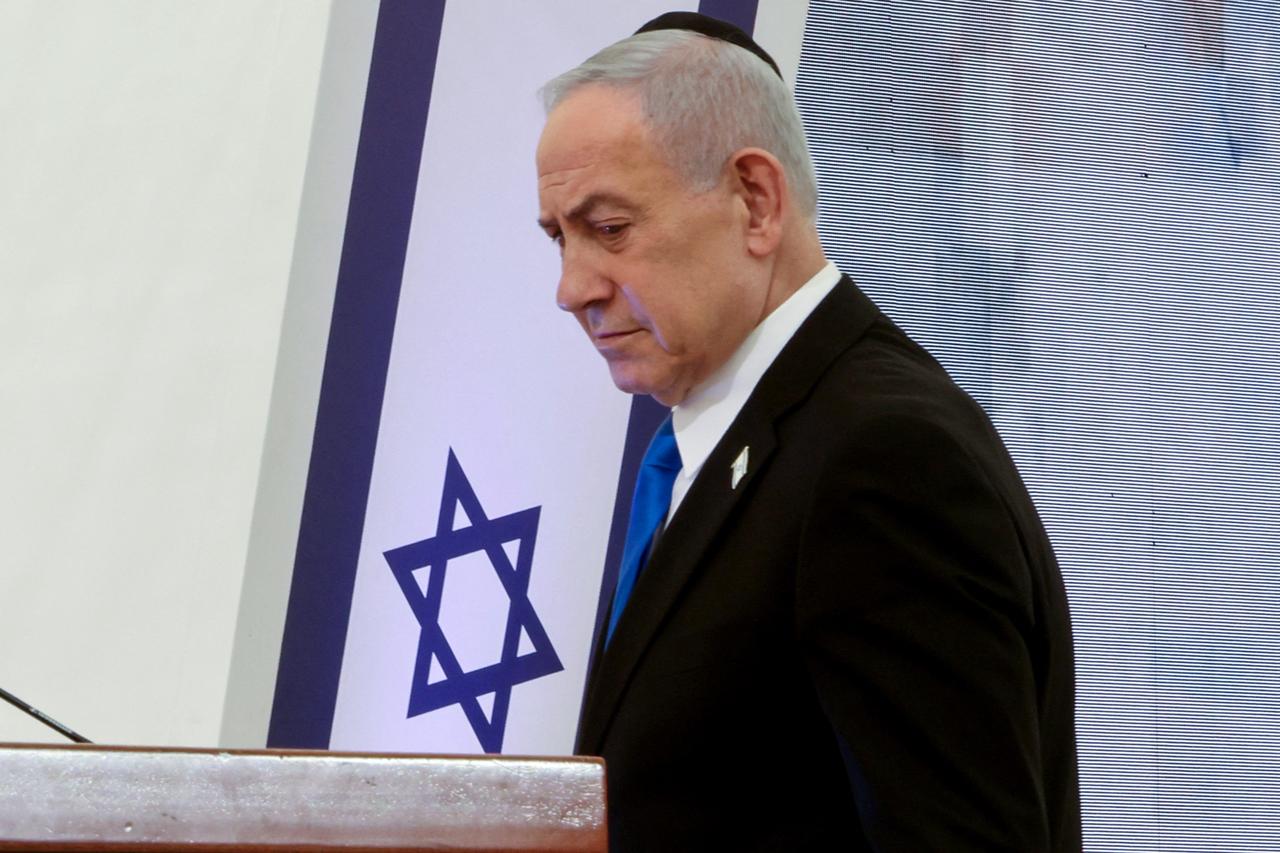
Netanyahu responded sharply, publicly rebuking Barnea for "exceeding his authority" in sending the letter directly to the Supreme Court without the prime minister's knowledge.
In a recorded video statement, Netanyahu defended Gofman as a "heroic fighter" who on Oct. 7 "rushed from his home in Ashdod to the Gaza border area, engaged Hamas at the Sha'ar HaNegev junction."
He said Gofman possessed "courage, initiative, determination and strategic thinking" and asked: "Why are they trying to disqualify him? Because he's not from the clique? Because Roman came from the Soviet Union? For political reasons?"
According to Israeli media outlet i24 News, which published what it described as a transcript of the conversation between the two, Netanyahu told Barnea: "How are you acting behind my back and cooperating with the attorney general (AG) with a letter to the Supreme Court when you know she does not represent the government in this petition?"
Barnea responded that he had approached the AG on his own initiative, not the reverse, and described the letter as a completion of the argument he had already made before the Gronius Committee.
Attorney General Gali Baharav-Miara had separately written to the Supreme Court, recommending that the petitions against Gofman's appointment be accepted, citing the Elmakayes affair as casting "a heavy shadow on Gofman's integrity."
She told the court she had received a classified and "substantial" letter from Barnea that she would submit to justices in a sealed envelope in a closed session.
Former Supreme Court justice Asher Gronius, who chaired the senior appointments committee that approved the appointment, dissented. His opinion was also published, stating that Barnea had told the committee he could not imagine any subordinate approving such an operation against a minor who "sat for a year and a half without anyone bothering to get him out."


 Set as preferred source
 Set as preferred source



 2 min read