Newsletters


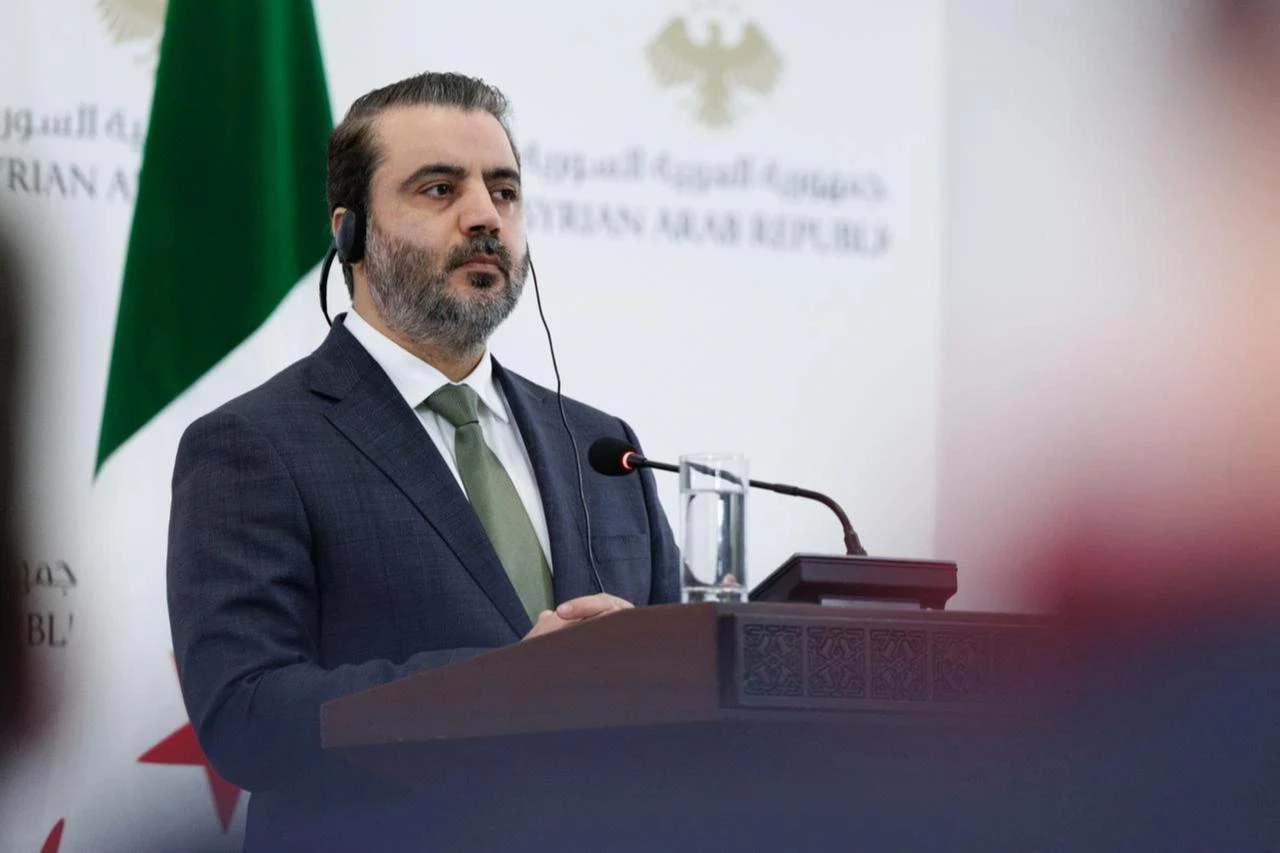


Lebanon and Syria have signaled a significant reset in their bilateral relationship following a visit to Beirut by Syrian Foreign Minister Asaad al-Shaibani, with Lebanese Foreign Minister Youssef Rajji describing the talks as the opening of a new page in relations between the two neighbors.
Rajji, announcing the outcome of the meeting on social media, said the two sides had demonstrated a shared willingness to develop bilateral ties and strengthen cooperation, particularly in the fields of economy and development.
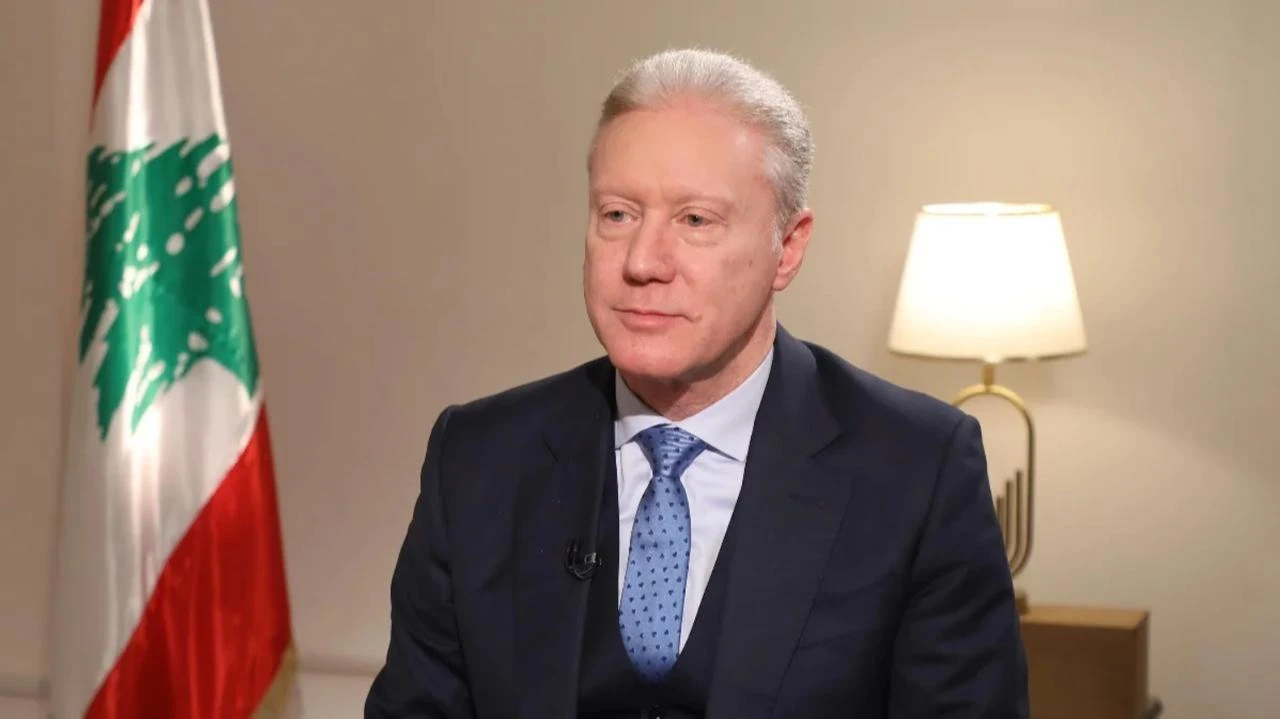

At the core of the discussions was a reaffirmation of principles that have long complicated the two countries' relationship.
Rajji said al-Shaibani reiterated Syria's commitment to respecting Lebanon's sovereignty, independence and non-interference in its internal affairs, framing the visit as the start of relations grounded in "equality and mutual respect for territorial integrity."
The two ministers also reached an understanding on increasing coordination in border security and combating smuggling, issues that have strained ties for years and drawn repeated criticism from Lebanese political factions who accused Damascus of turning a blind eye to cross-border trafficking.
Rajji emphasized that Lebanon was moving toward building balanced relations with Syria on a state-to-state basis, guided by the principles of full sovereignty, mutual respect and good neighborliness.
That framing is notable, as Lebanon-Syria relations were for decades characterized by deep asymmetry, with Syrian forces occupying Lebanon from 1976 until 2005 and Damascus wielding considerable influence over Lebanese politics long after its military withdrawal.
The fall of Bashar al-Assad's government in late 2024 opened the possibility of a fundamental realignment, with Lebanon's new political landscape and Syria's transitional authorities both expressing interest in establishing relations on formally equal footing.
Rajji said the new diplomatic direction would serve the interests of both peoples and contribute to strengthening security and stability in the region.
The statement struck a forward-looking tone at a moment when both countries are navigating significant internal transitions, with Lebanon still managing the economic and political fallout from years of crisis and Syria working to rebuild state institutions under new leadership.
No specific agreements or timelines were announced following al-Shaibani's visit, but the tone of both sides suggested an intent to formalize the new framework through continued engagement.


 Set as preferred source
 Set as preferred source


 1 min read


 1 min read