Newsletters


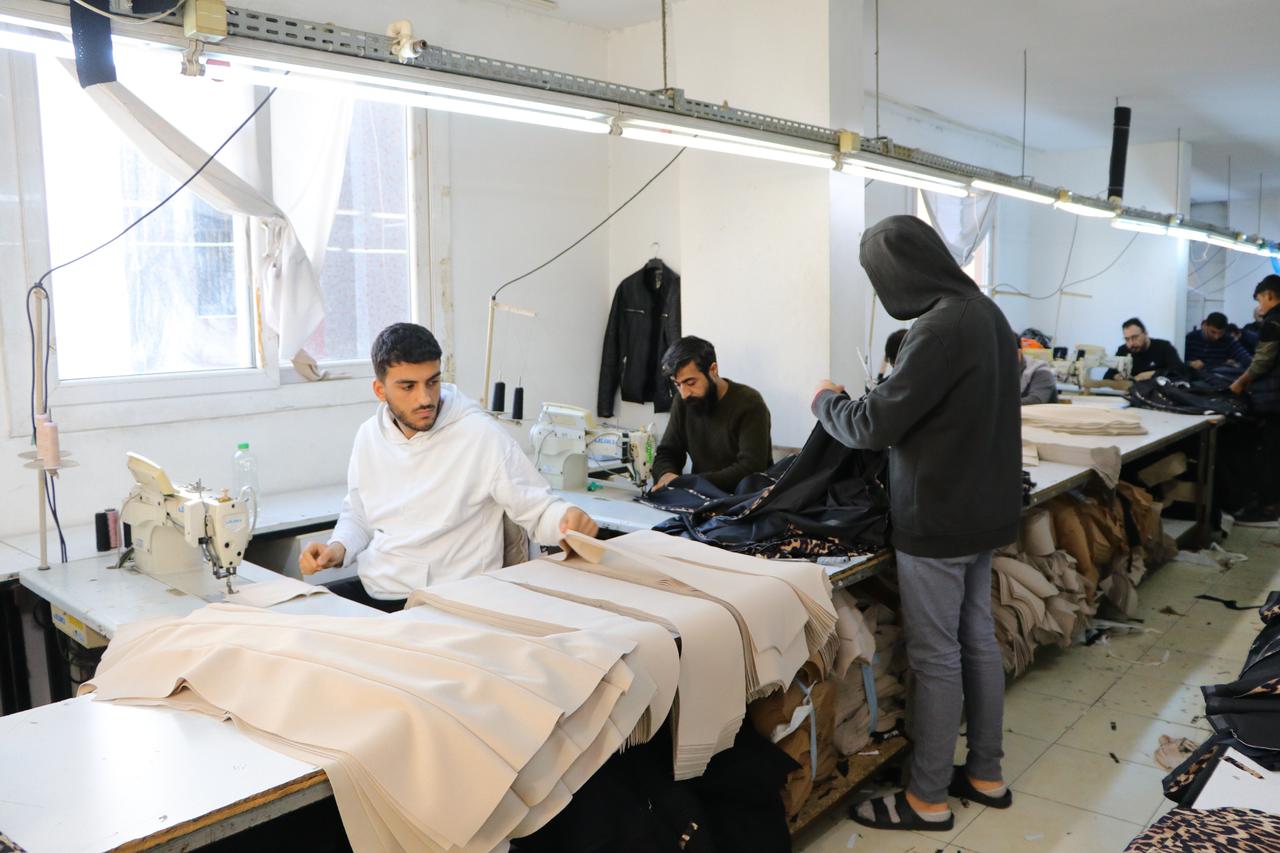


Türkiye is looking to bring more than 1.2 million working-age Syrians into its formal labor market after removing a key work permit requirement for people under temporary protection, cutting red tape that had long limited access to registered jobs.
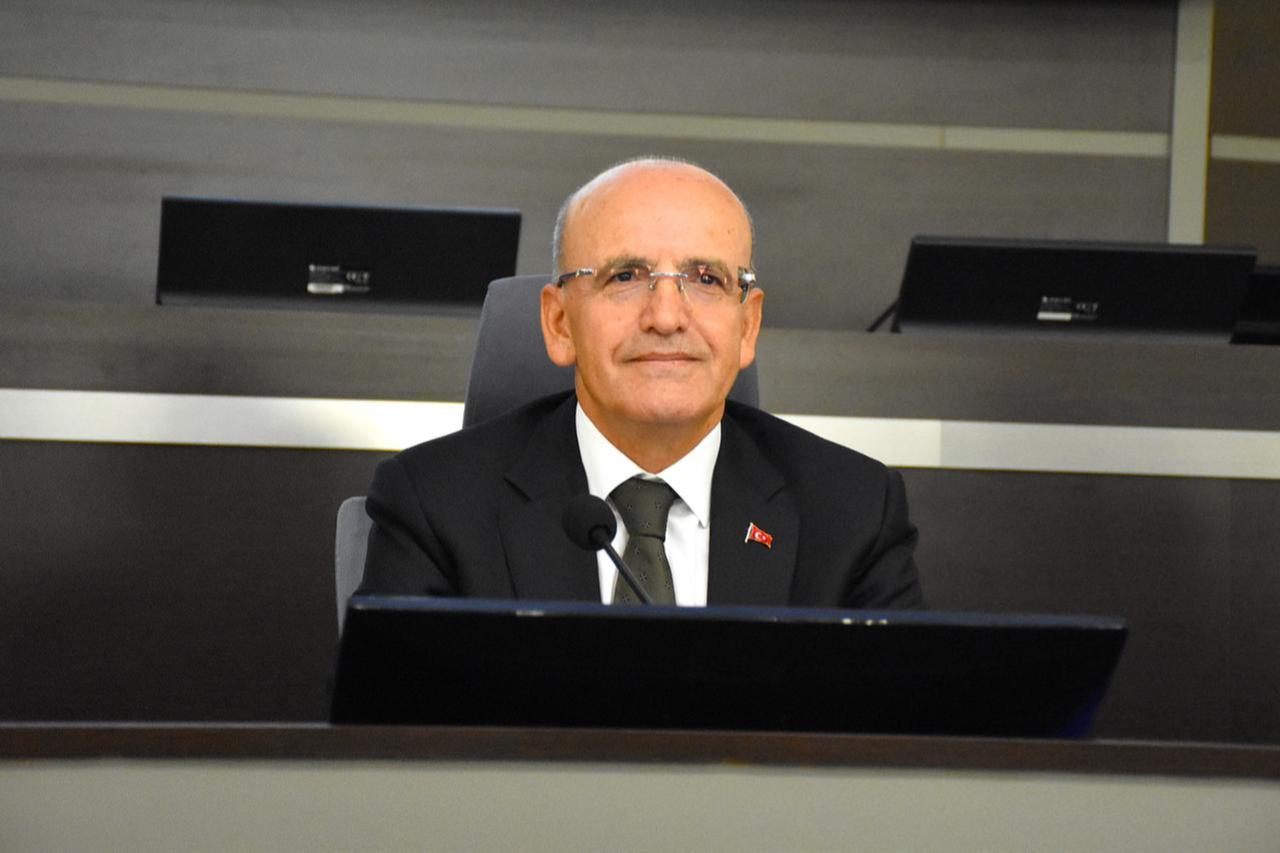
The move, announced by Interior Minister Mustafa Ciftci last week in Istanbul, is aimed at expanding formal employment while addressing labor shortages in sectors that rely on Syrian workers.
Ciftci said Türkiye continues to prioritize registered employment for Syrians while adapting its migration policies to changing conditions in Syria.
"We are comprehensively evaluating voluntary return processes, the future of temporary protection and regular migration mechanisms in light of the new conditions emerging in Syria," he said. "We attach importance to the registered employment of Syrians, as we do for all foreigners in our country."
Ciftci also noted that more than 1.4 million Syrians have voluntarily returned since 2016 following developments in Syria.
Under the work permit scheme introduced in 2016, employers hiring Syrians under temporary protection generally had to apply for a work permit.
The main exception was seasonal agricultural and livestock work, which was already covered by a work permit exemption, while most other sectors required a standard permit after six months under temporary protection.

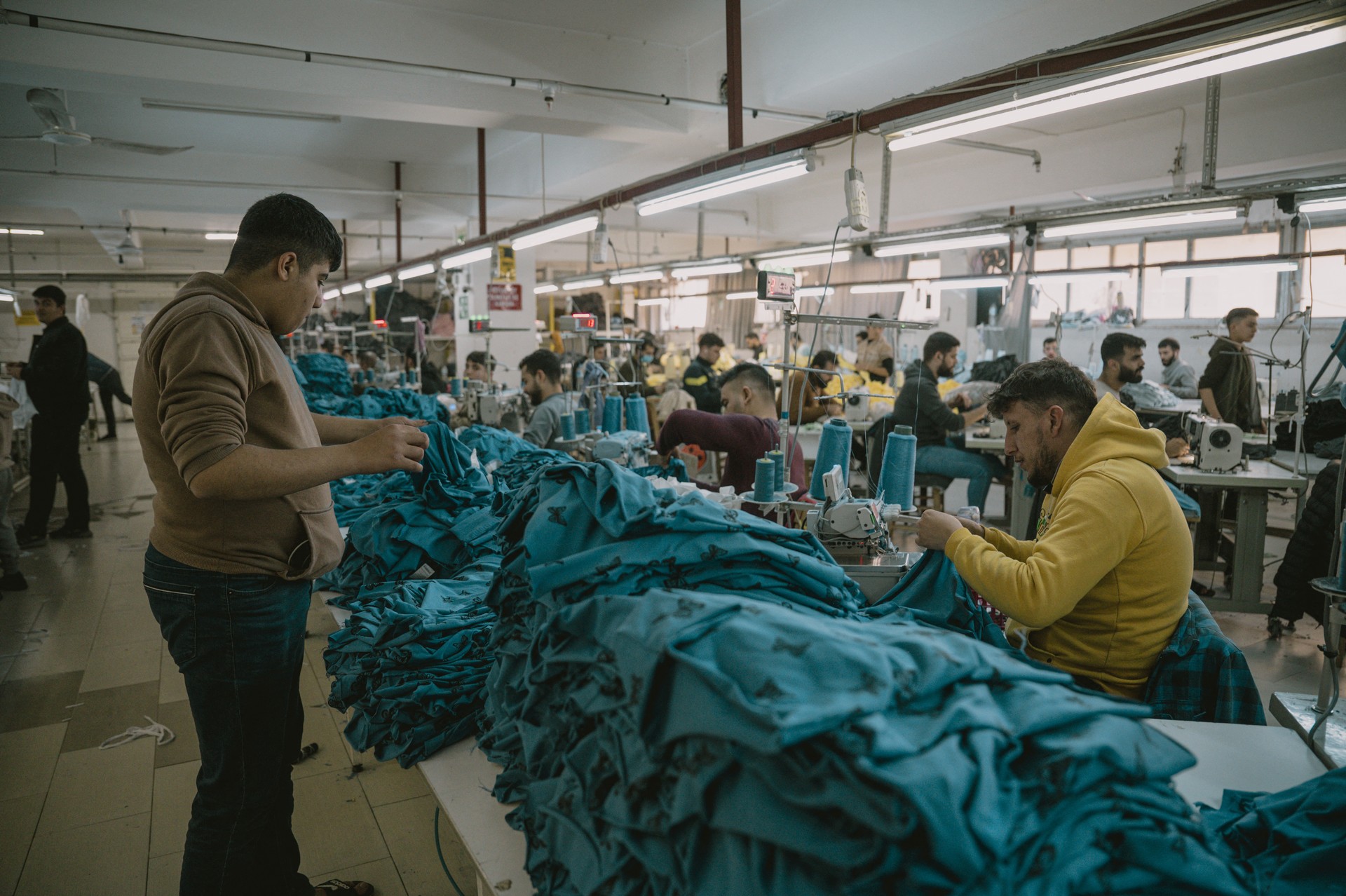
The move comes as Syrian workers continue to play a significant role in Türkiye's economy, particularly in industries such as manufacturing, construction, agriculture and textiles, where many have worked informally for years.
According to the International Labor Organization (ILO), many Syrians remain employed informally despite the introduction of a work permit system, with many working in low-skilled, labor-intensive jobs.
With labor costs rising and more Syrians returning home voluntarily, employers in labor-intensive industries have raised concerns over growing labor shortages, increasing pressure to retain enough workers to meet production needs.
The effort is especially significant in industrial centers such as Gaziantep, Istanbul, Bursa, Adana, and Sanliurfa, where Syrian workers have become an important part of the workforce.
Türkiye does not publish official data on the number of Syrians employed informally. However, official figures show that 157,288 work permit exemption information forms have been issued for people under temporary protection, while 349,961 work permits have been granted.
Officials expect the latest change to speed up access to legal jobs, cut bureaucracy, and encourage more workers to move from informal to registered employment.
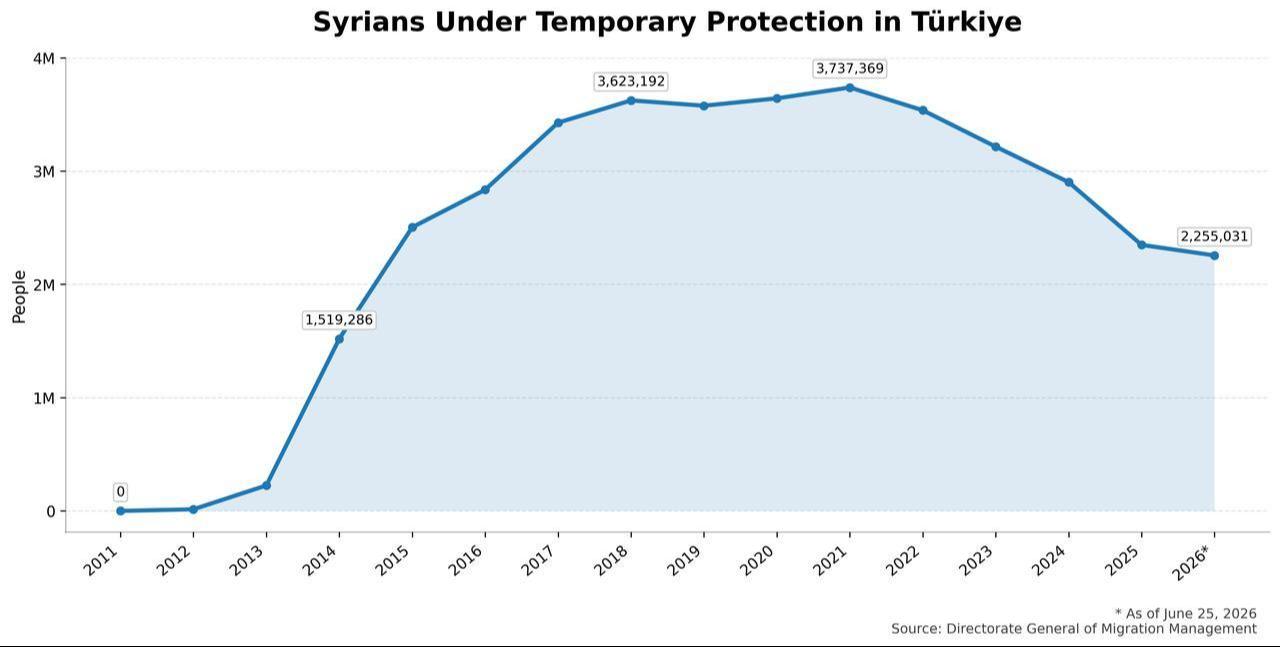
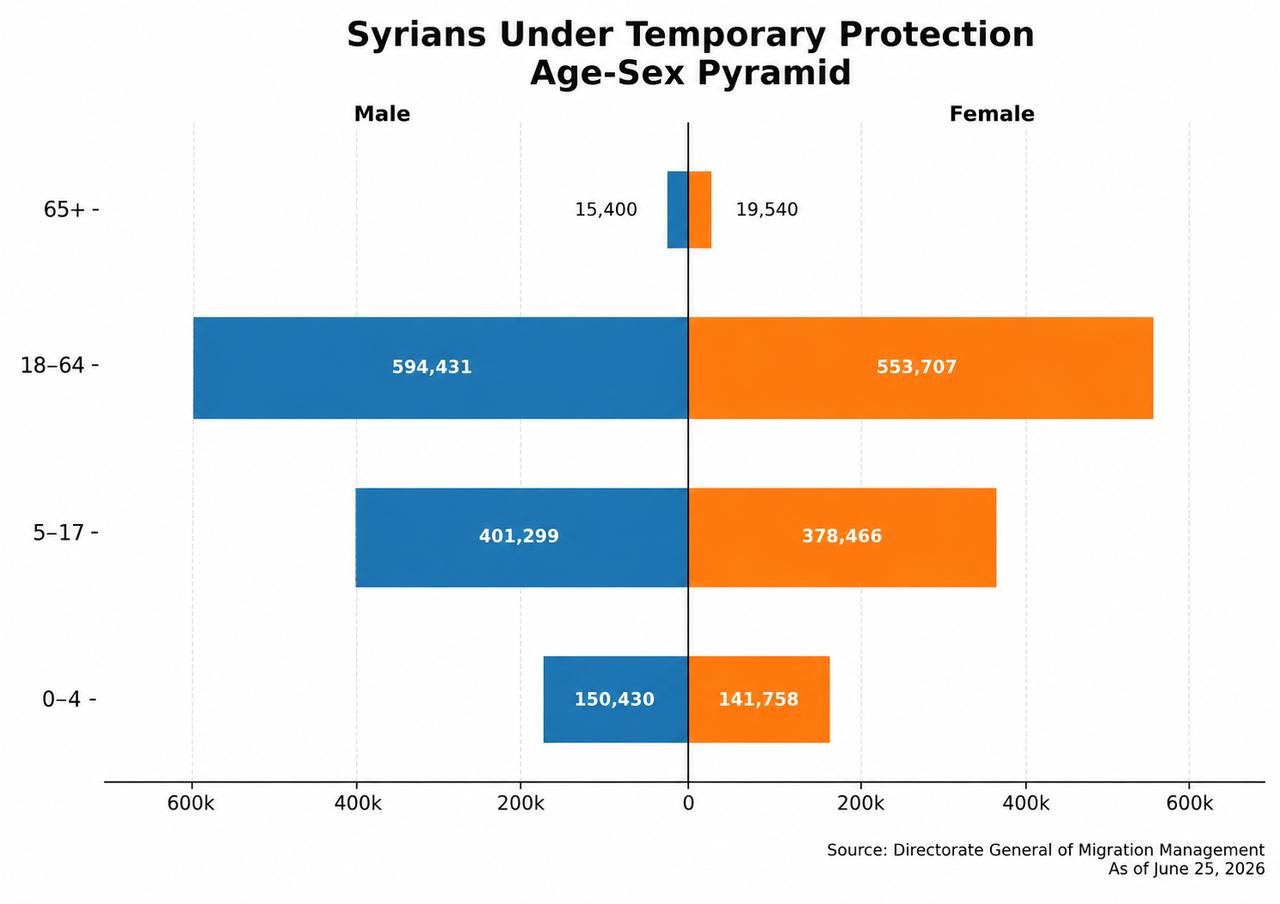
As of June 25, Türkiye hosted 2.3 million Syrians under temporary protection, including around 1.2 million people of working age (18-64). About one-third of the Syrian population under temporary protection was born in Türkiye.
For comparison, Türkiye's total employment stood at 32.5 million in May, while the number of salaried employees reached 16 million in April.
For businesses that have relied on informal Syrian labor, however, the shift is likely to come with higher employment costs. Since the new work permit exemption is expected to encourage more workers to move into the formal labor market, employers must now comply with labor and social security regulations.
Formal employment requires employers to register workers with the Social Security Institution (SGK), pay social security premiums and comply with minimum wage and other labor law requirements, reducing the cost advantage associated with unregistered employment.
As of 2026, a worker earning the statutory minimum wage receives a gross monthly salary of ₺33,030 ($708), while the total monthly cost to an employer reaches about ₺40,214 after mandatory social security and unemployment insurance contributions, even after the standard employer incentive is applied. Without incentives, the cost rises to about ₺40,875.
The change could also encourage more businesses to formalize their workforce rather than continue operating in the informal economy. The ILO has long identified employer costs and administrative procedures as major obstacles to formalizing Syrian employment, while the government has sought to boost registered hiring through financial incentives and work permit support programs.
Under these initiatives, employers hiring Syrians under temporary protection into registered jobs have been eligible for temporary wage subsidies, while work permit fees and related administrative costs have been covered.
The programs, implemented in several provinces in cooperation with the ILO and the SGK, are designed to ease employers' transition to formal employment and reduce reliance on informal labor.
Even under the new system, employers are still expected to comply with broader labor regulations, including workplace registration and, in most cases, employment quotas.
Under the current rules, workers under temporary protection generally cannot account for more than 10% of a workplace's workforce, although exemptions may apply in certain circumstances.


 Set as preferred source
 Set as preferred source


 1 min read
 1 min read