Newsletters


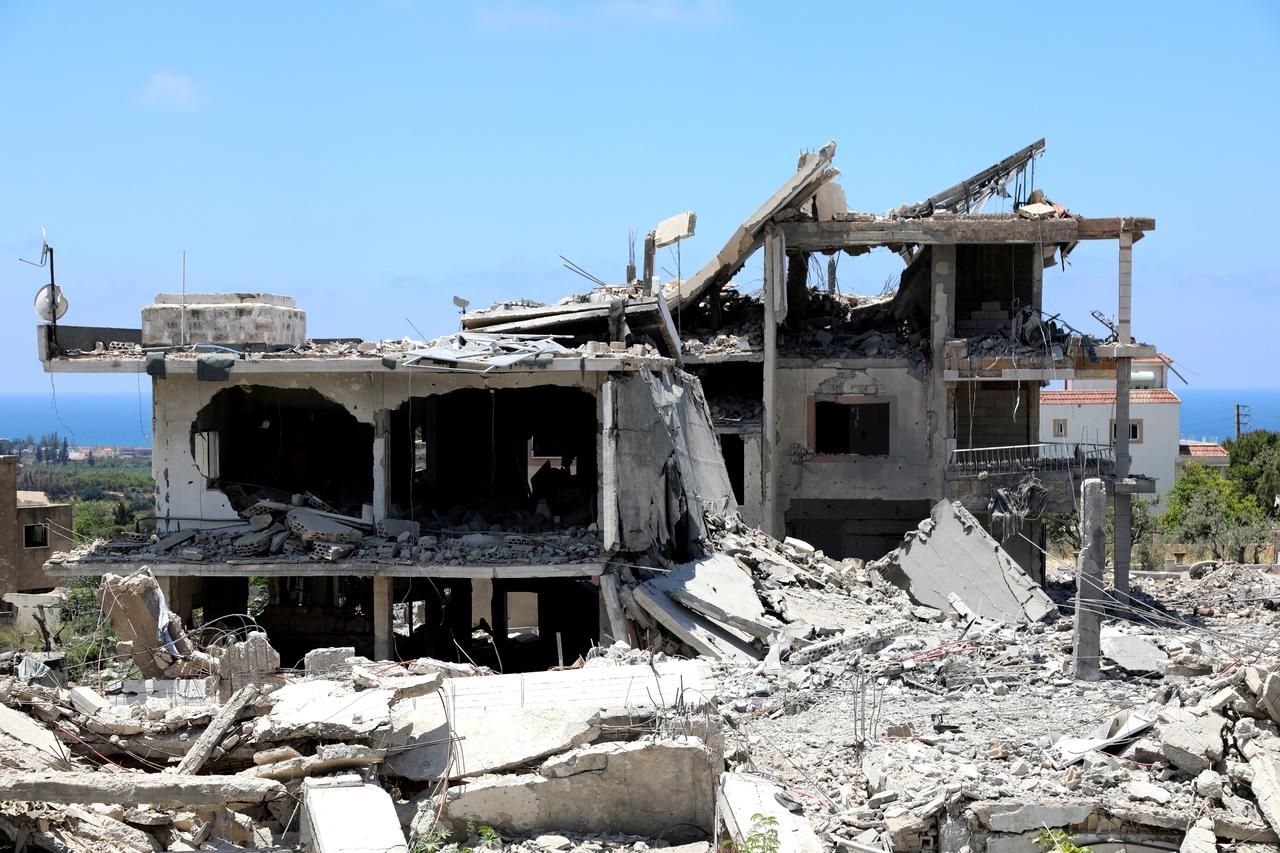


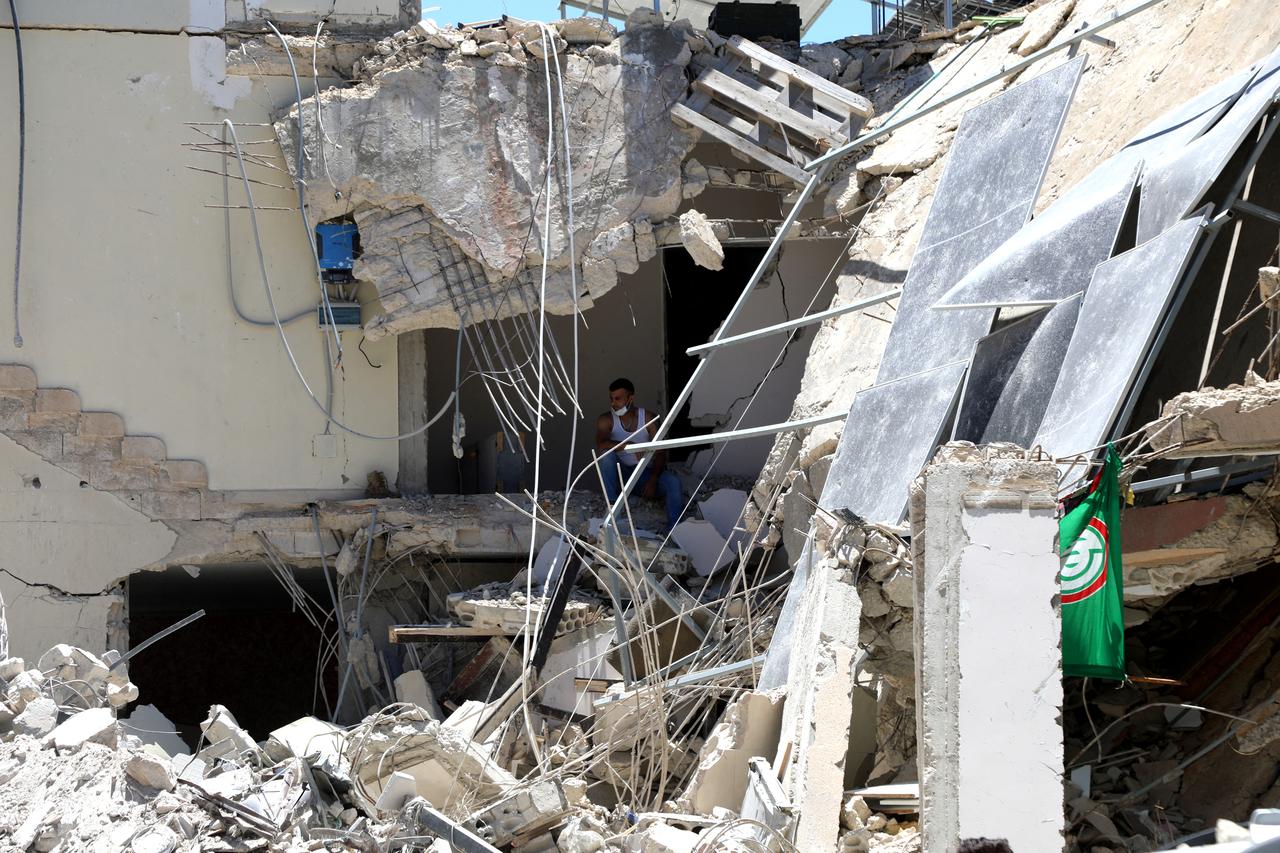
Lebanon’s Health Ministry said the death toll from Israeli attacks on the country since March 2 has risen to 3,980, after 68 more fatalities were added to the official count.
The ministry released updated figures on the number of people killed and wounded during Israel’s attacks on Lebanon since the start of its latest military campaign.
According to the ministry, 12,001 people have been wounded in Israeli attacks during the same period.
The previous toll, announced Tuesday, had stood at 3,912 killed since March 2.
The ministry said 135 health workers were among those killed, while 405 health workers had been wounded.
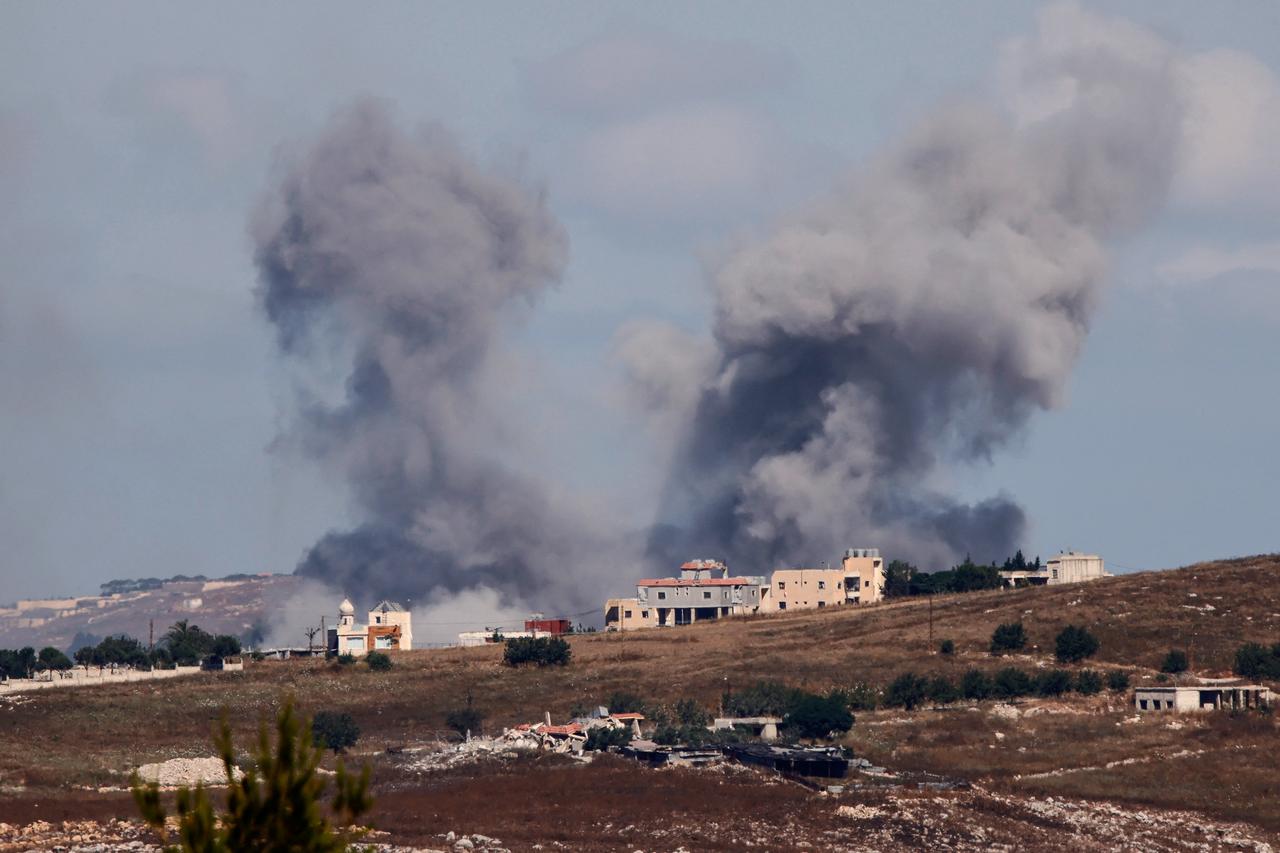

The updated figures came as Israel continued its attacks on Lebanon despite announced ceasefire arrangements and a broader memorandum between the U.S. and Iran aimed at ending the war.
Israel launched intensive airstrikes on Lebanon on March 2 and occupied several towns in the south of the country.
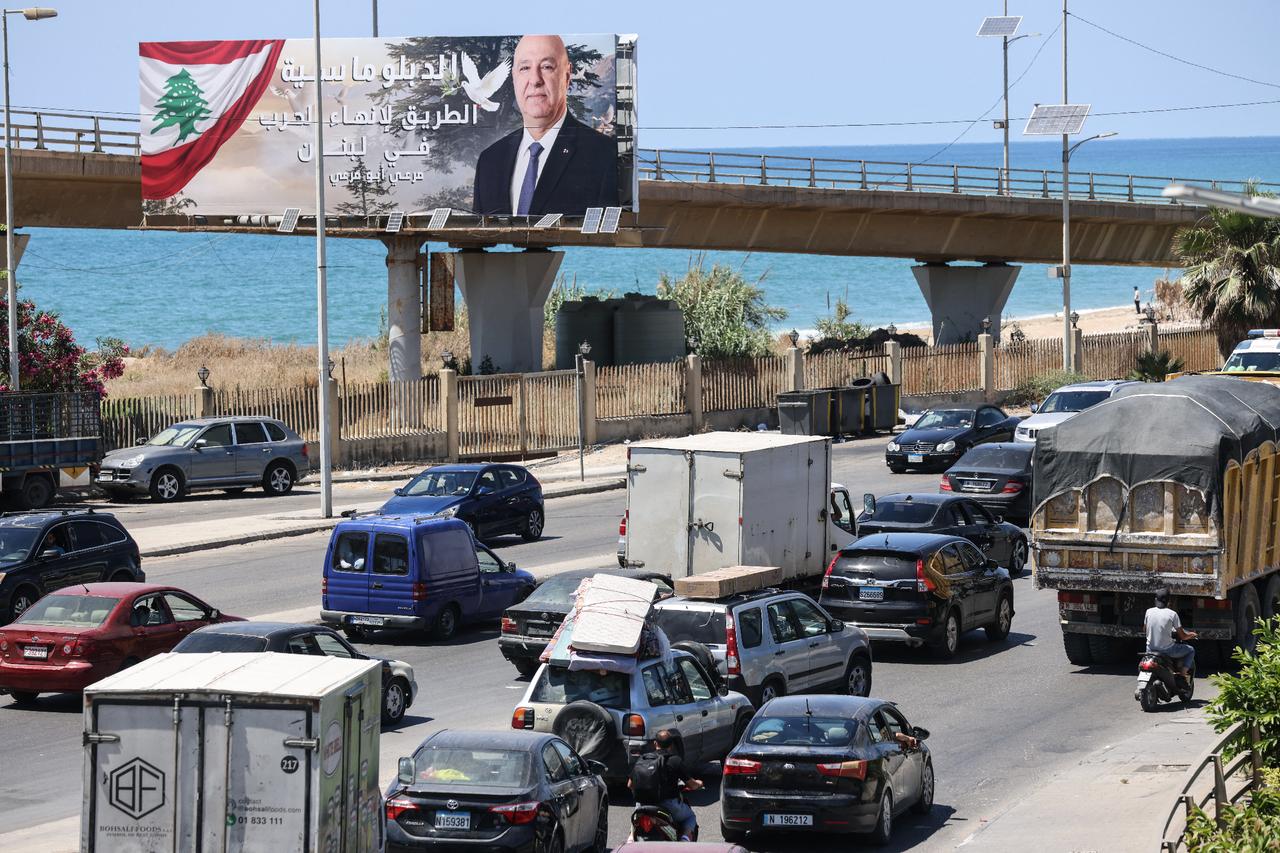
The Lebanese government said during the campaign that the number of displaced people in the country had exceeded 1 million.
The Health Ministry’s latest figures showed that the war has continued to affect civilians and medical personnel, with hundreds of health workers killed or injured.
Iran and the U.S. announced on June 14 that they had reached a 14-point memorandum through a negotiation process mediated by Pakistan.
The document, known as the Islamabad Memorandum, called for the war to stop and for disputes between the sides to be resolved through talks.
The memorandum was digitally signed overnight by Iranian President Masoud Pezeshkian and U.S. President Donald Trump.
The agreement includes provisions on ending the war, including in Lebanon, reopening the Strait of Hormuz and lifting the U.S. naval blockade on Iran.
Trump announced on April 24 that a 10-day temporary ceasefire between Lebanon and Israel, which had entered into force on April 17, had been extended by another three weeks.
Following the third round of U.S.-mediated talks between Lebanon and Israel on May 14-15, the ceasefire was extended for 45 days starting May 17.
After a fourth round of talks in Washington, the U.S. State Department announced on June 3 that Israel and Lebanon had agreed to a “comprehensive ceasefire” on the condition that Hezbollah completely halt its attacks and withdraw all of its elements south of the Litani River.
Hezbollah rejected the conditional ceasefire.
Despite the announced ceasefire agreements, the Israeli army has continued its attacks on Lebanon.


 Set as preferred source
 Set as preferred source


 1 min read
 1 min read