Newsletters


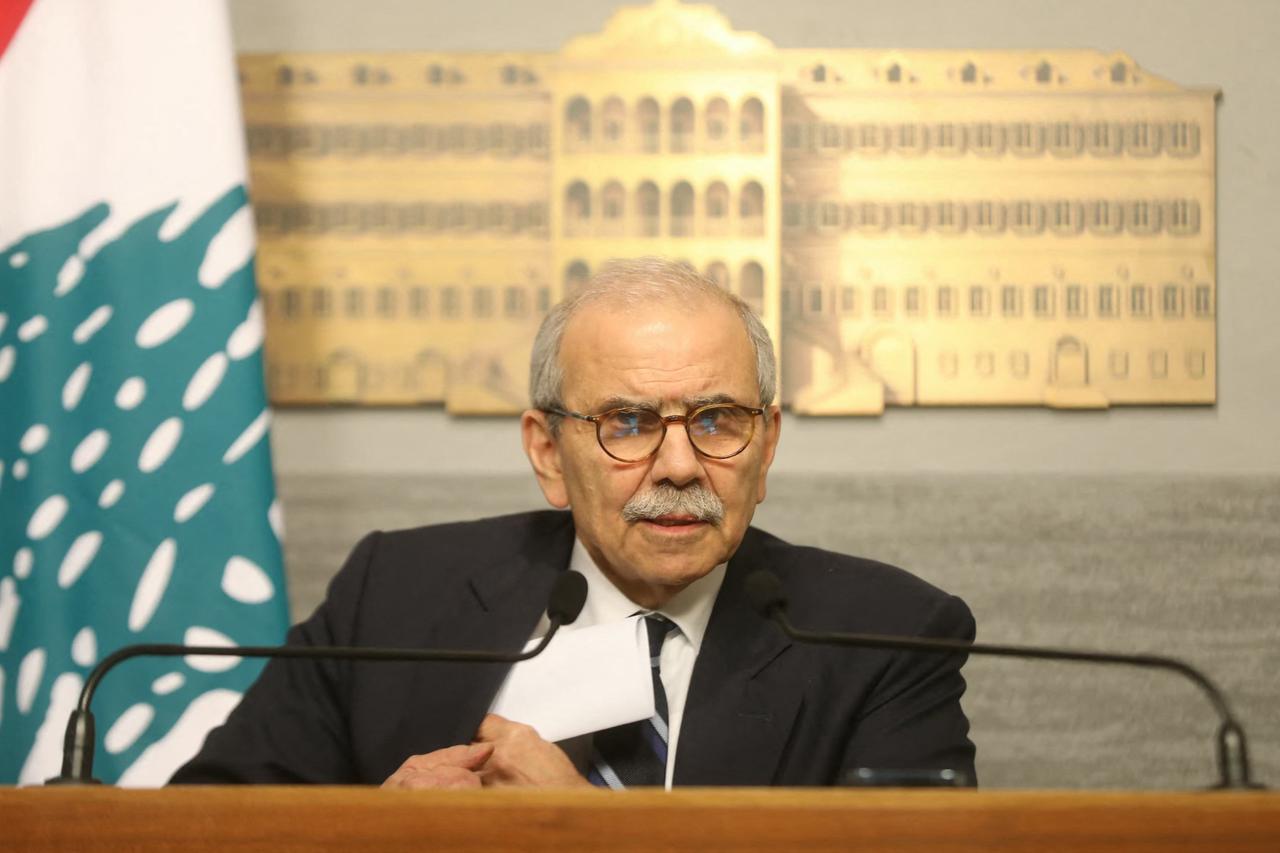


Lebanese Prime Minister Nawaf Salam on Friday released a draft banking law that would apportion losses from the country's devastating 2019 financial collapse among commercial banks, the state, the central bank and depositors, marking a critical step toward securing international aid that has been withheld for years.
The proposed legislation, which Salam called a "roadmap to getting out of the crisis" in a televised address, represents a key demand from the international community, which has conditioned economic assistance on financial sector reforms. The draft will face scrutiny from the cabinet on Monday before advancing to parliament, where it could encounter significant resistance from lawmakers with financial stakes in the outcome.
Under the plan, depositors who lost access to their savings during the crisis would be able to retrieve funds up to $100,000 over a four-year period. Salam said 85 percent of depositors held less than that amount in their accounts. Wealthier account holders would receive asset-backed securities to compensate for remaining balances.
The draft law estimates total losses from the financial crisis at approximately $70 billion, a figure that has likely grown during the six years the crisis remained unaddressed. The collapse left ordinary Lebanese citizens unable to access their life savings while the banking sector effectively ceased normal operations, forcing the economy to rely on cash transactions that experts say have facilitated money laundering and illegal commerce.
The Associations of Banks in Lebanon swiftly condemned the proposal, issuing a statement Monday that characterized the draft as containing "serious shortcomings" that would harm commercial banks. The industry had lobbied for the state to assume full responsibility for the losses rather than requiring banks to share the burden.
"Banks are angry because the law opens the door to them sharing any part of the losses," said Sami Zougheib, a researcher at The Policy Initiative, a Beirut-based think tank.
The legislation would require recapitalization of failing banks while converting government debt to the central bank into bonds. Salam framed the measures as necessary to "revive the banking sector," which he said had collapsed and enabled a parallel cash-based economy.

The International Monetary Fund closely monitored the drafting process and has emphasized the need to restore viability to the banking sector while protecting small depositors, consistent with international standards. Lebanon has sought IMF support and broader international aid, but donors have repeatedly insisted on structural reforms before releasing funds.
The draft law also targets capital flight that occurred as the crisis began. Politically exposed persons and major shareholders who transferred significant amounts out of the country from 2019 onward — while ordinary depositors were locked out of their accounts — would be required to return the funds within three months or face fines.
The bill's passage through parliament is far from assured. Zougheib noted that many lawmakers are themselves large depositors or bank shareholders, or maintain political alliances with bank owners, creating conflicts of interest. He said these legislators may be "unwilling to pass a law that either angers banks or angers depositors."
Politicians and banking officials have repeatedly blocked reforms required by the international community, contributing to Lebanon's prolonged economic paralysis. Since taking office, Salam and President Joseph Aoun have pledged to implement necessary reforms and legislation. In April, parliament adopted a bank restructuring law aimed at preventing the kind of capital flight that occurred when the 2019 crisis first erupted.
In his address, Salam acknowledged widespread frustration with the government's response. "I know that many of you are listening today with hearts full of anger, anger at a state that abandoned you," he said. "This bill may not be perfect... but it is a realistic and fair step towards restoring rights, halting the collapse."


 Set as preferred source
 Set as preferred source


 1 min read


 1 min read