Newsletters


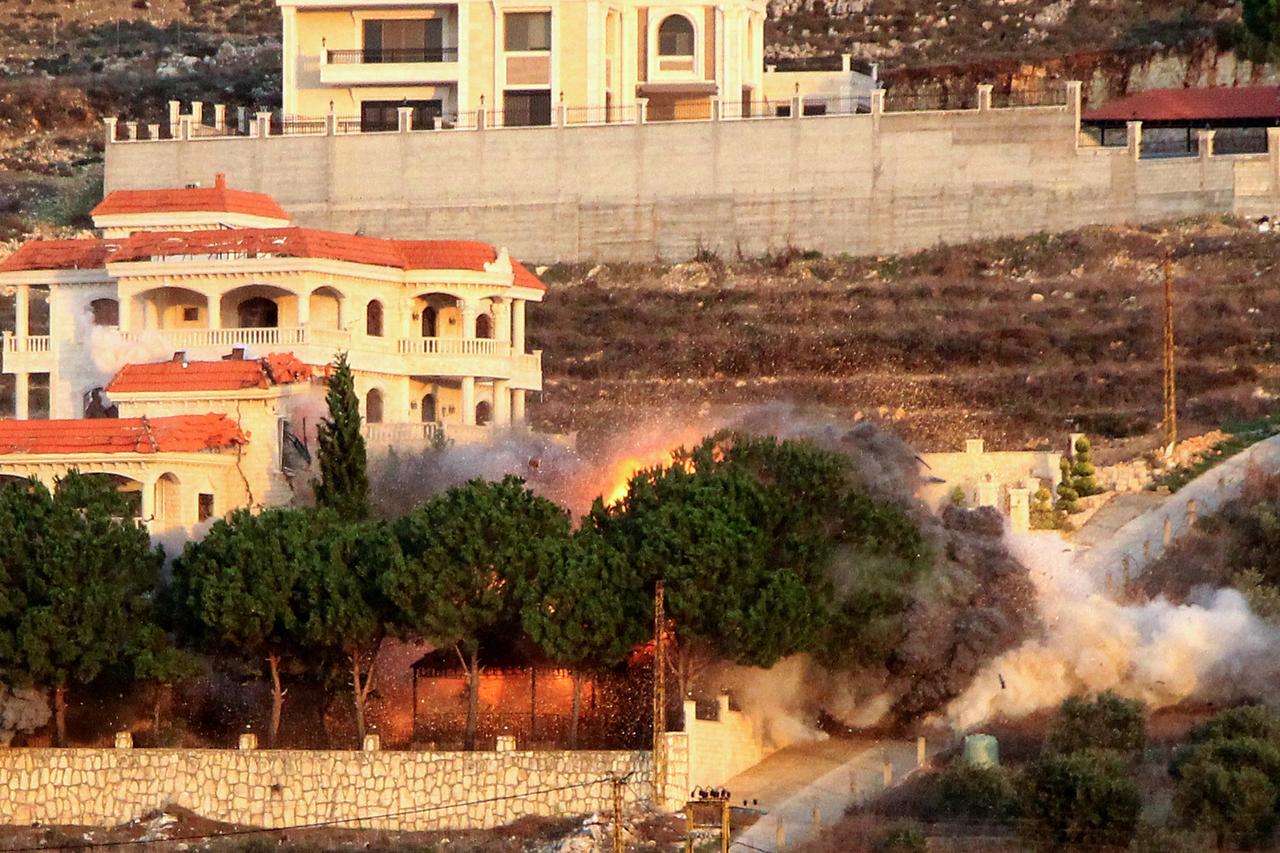


Israeli warplanes carried out airstrikes in southern Lebanon on Thursday, targeting areas linked to Hezbollah, a day after civilian representatives from both Lebanon and Israel held their first direct talks in decades under the auspices of a UN ceasefire mechanism.
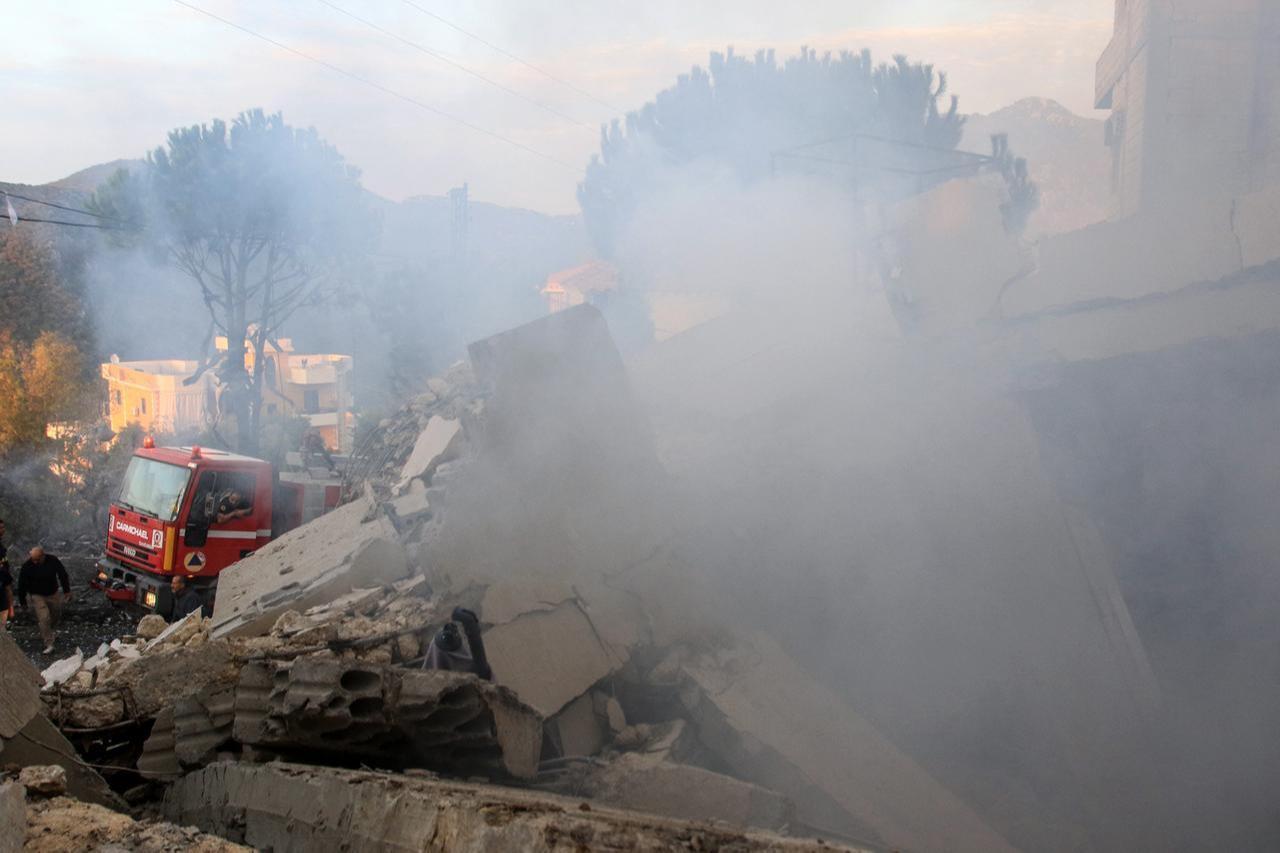
The Israeli military confirmed it began operations against what it described as "Hezbollah terror targets" in towns including Mahrouna, Jbaa, Majadal, and Baraasheet. Lebanon's National News Agency reported that strikes hit buildings in these areas, and images from the town of Jbaa showed smoke billowing from the site of impact.
The developments come despite a ceasefire agreement brokered in November 2024, intended to halt over a year of hostilities between Israel and the Iran-backed militant group Hezbollah.
On Wednesday, civilian officials from both countries held unannounced talks at the UN peacekeeping force's headquarters in Naqura, Lebanon, near the Israeli border. This marked a rare step away from the long-standing practice of limiting such meetings to military representatives.
The talks were attended by the United States, France, Israel, Lebanon, and the UN peacekeeping force, all part of the ceasefire monitoring committee. Although described by Israeli officials as "positive," the discussions were not positioned as formal peace talks. Lebanese Prime Minister Nawaf Salam emphasized that the dialogue was strictly tied to implementing the 2024 truce.
Speaking to journalists, Salam clarified that the agenda included securing a full Israeli withdrawal from Lebanese territory, halting hostilities, and negotiating the release of Lebanese hostages. "We are not yet at peace talks," he said.
Washington has intensified pressure on Lebanon to move quickly toward disarming Hezbollah, which operates as both a political party and armed group within the country. The United States has also called for expanded dialogue between Lebanon and Israel to reduce tensions along the border.

According to a statement from the Israeli Prime Minister’s Office, the Israeli delegation emphasized that disarming Hezbollah remained essential, regardless of any progress in economic cooperation. The office added that both sides had agreed to explore "ideas to promote potential economic cooperation between Israel and Lebanon."
Although Lebanon’s government has pledged to disarm Hezbollah as part of long-standing international demands, the group has rejected such efforts. This position continues to fuel domestic and regional tensions, with many in Lebanon fearing that renewed Israeli strikes could escalate into a broader military conflict.
The recent visit by Pope Leo XIV from Sunday to Tuesday had briefly interrupted Israeli air operations, and the pontiff publicly called for an end to hostilities during his trip.
Israel and Lebanon have had no formal diplomatic relations since 1948 and are still technically at war.


 Set as preferred source
 Set as preferred source


 2 min read
 1 min read