Newsletters


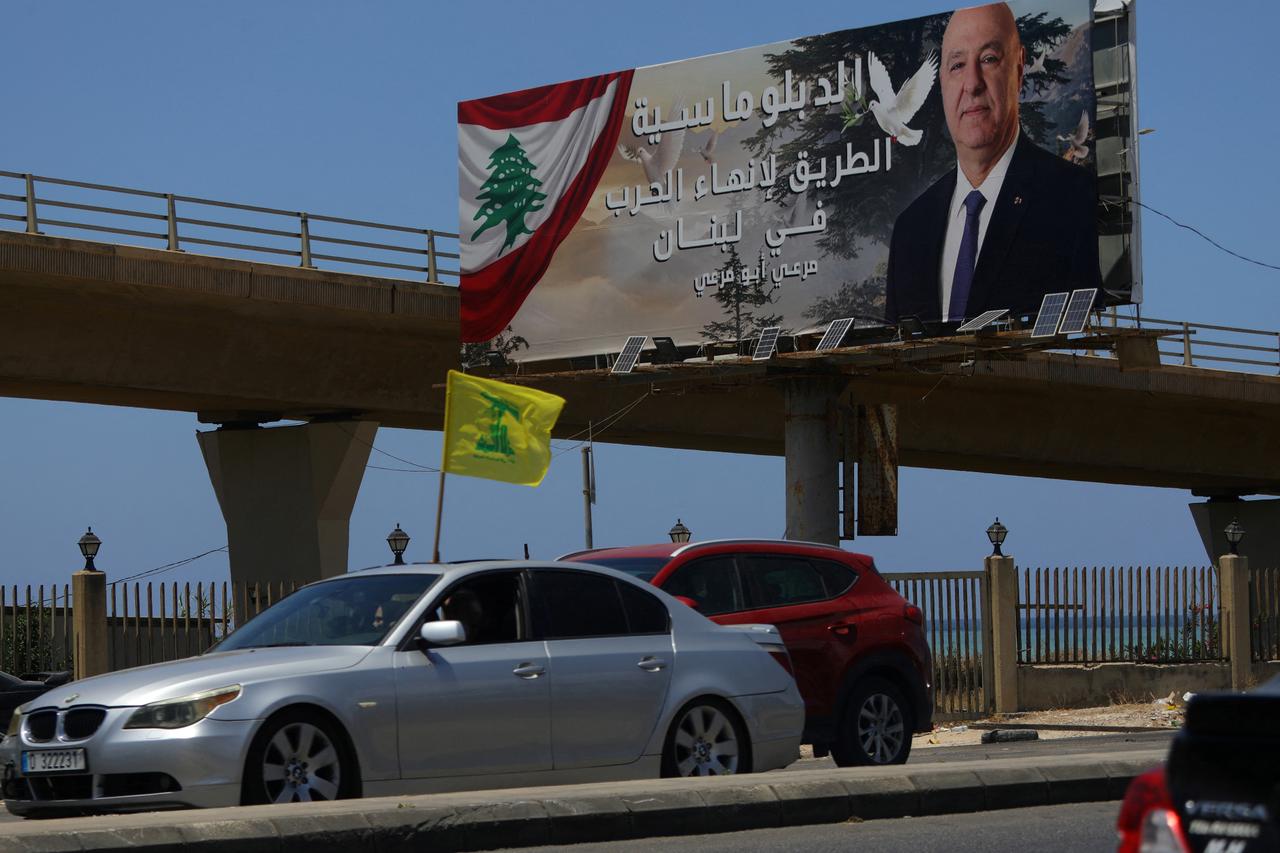


Lebanese Justice Minister Adel Nassar on Wednesday rejected U.S. President Donald Trump’s proposal that Israel should allow Syria to deal with Hezbollah in Lebanon, arguing that addressing the armed group's role is a matter for Lebanese institutions rather than foreign countries.
Nassar stressed that Lebanon does not want outside forces intervening in its internal affairs, saying the country has experienced decades of foreign interference and should be responsible for resolving its own security challenges.
If Hezbollah is today a proxy of Iran, it is because there is an interference from Iran in the internal affairs of Lebanon," Nassar told CNN.
Speaking to reporters in France on Tuesday, Trump said he had advised Israel to allow Syria to handle Hezbollah, expressing confidence that Damascus could be more effective in dealing with the Iran-backed group.
"I suggested to Israel to let Syria take care of Hezbollah because, to be honest with you, I think they’d do a better job of doing it," Trump said. "If Israel can't do the job (against Hezbollah) without killing everyone else, then (Ahmad al-) Sharaa will do the job. Syria will do the job."
At a news conference in France on Wednesday, Trump also addressed his relationship with Israeli Prime Minister Benjamin Netanyahu, describing him as "a very good man" while suggesting he sometimes acts too aggressively.
The U.S. president pointed to Lebanon as one area where the two leaders disagree, arguing that Israel should show greater restraint in its military operations.
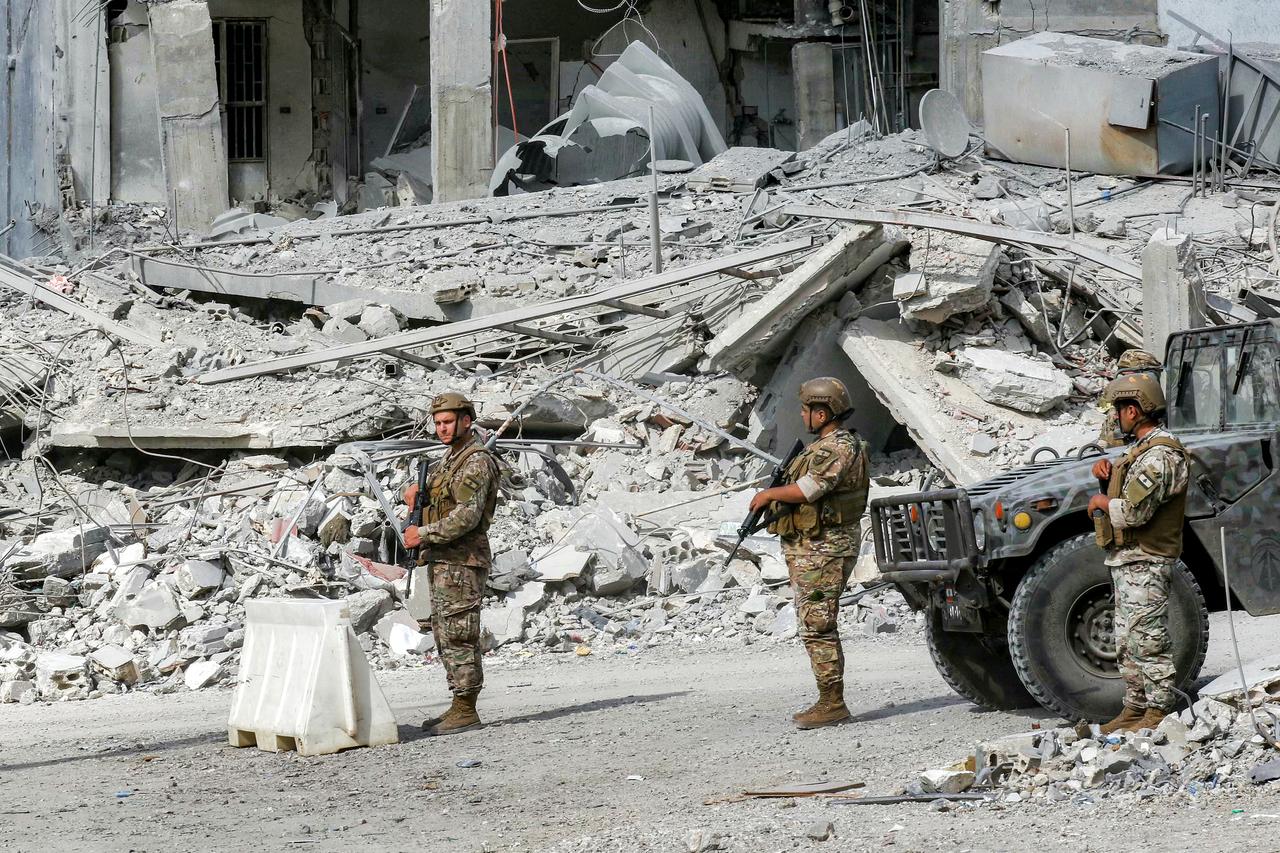
"We have a little dispute over Lebanon. I say you can do a little softer touch, Bibi. You don't have to knock down a building every time somebody walks into it that's from Hezbollah, but it's been an amazing partnership," Trump remarked.
"I think they could do better with respect to Hezbollah. I'm not saying they shouldn't protect themselves. I'm saying, when two drones are shot into the desert and drop harmlessly, you don't have to knock down buildings in Beirut. They could behave better, and frankly, they could do a better job," he said.
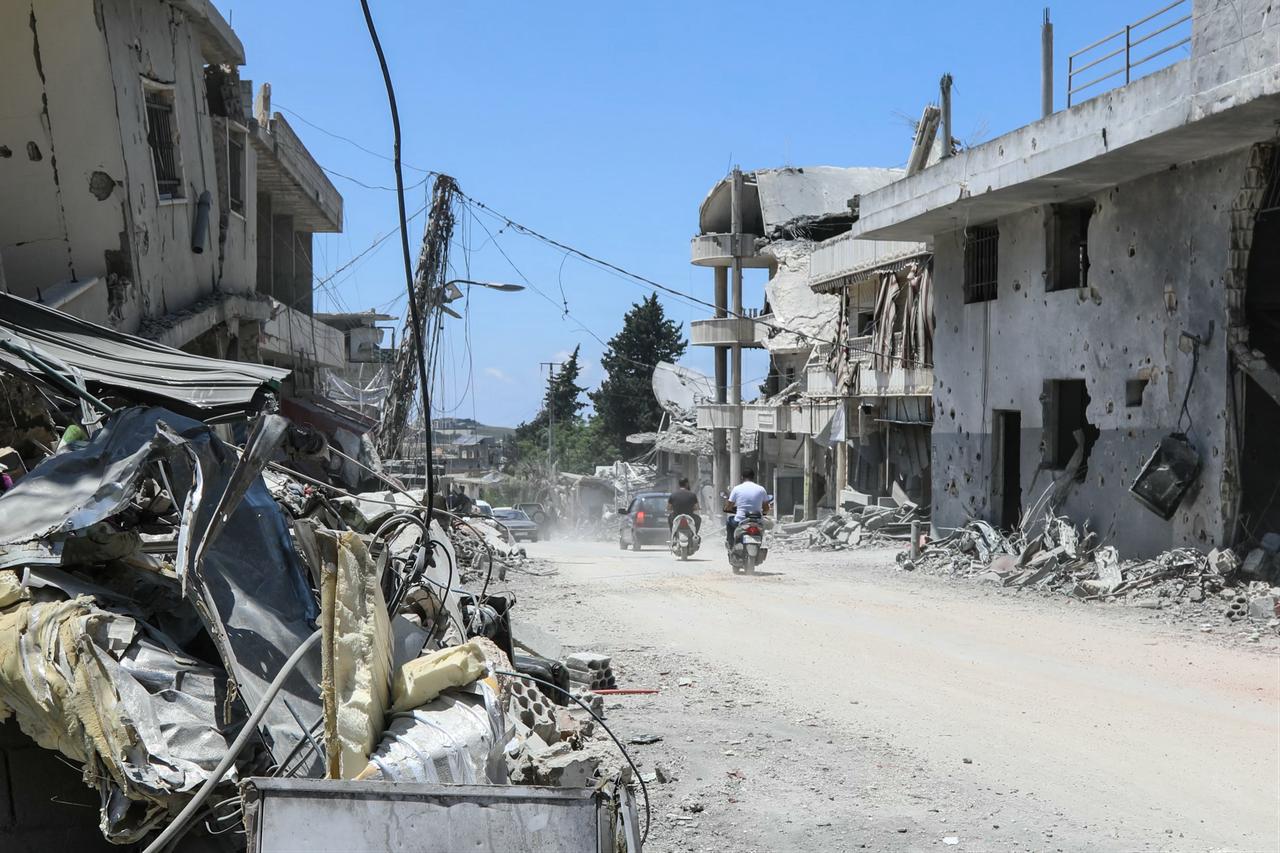

Fighting between Hezbollah and Israel has continued since early March following the outbreak of the U.S.-Israeli war against Iran. The confrontation has expanded security concerns beyond the immediate Iran-Israel conflict and has kept the Lebanese-Israeli border under pressure.
Tensions have remained elevated despite a recent understanding reached between Washington and Tehran aimed at ending the military confrontation that erupted after Israel and the United States launched attacks against Iran on Feb. 28.
Although diplomatic efforts have gathered pace in recent weeks, clashes and military activity along the border have continued, underscoring the fragility of the situation.
Iranian officials have repeatedly indicated that stopping Israeli attacks across several regional fronts is among Tehran’s key objectives in ongoing negotiations with Washington. Lebanon has featured prominently in those discussions, according to Iranian statements.
Officials in Tehran have described the situation in Lebanon as one of the issues they hope to address through a memorandum of understanding expected to be signed between Iran and the United States on Friday.
Meanwhile, Israel continues to maintain a military presence in parts of southern Lebanon.
Some areas have been occupied for decades, while others have remained under Israeli control since the previous conflict between 2023 and 2024. During the current military campaign, Israeli forces advanced more than 10 kilometers (6.21 miles) into Lebanese territory.


 Set as preferred source
 Set as preferred source


 1 min read
 1 min read