Newsletters


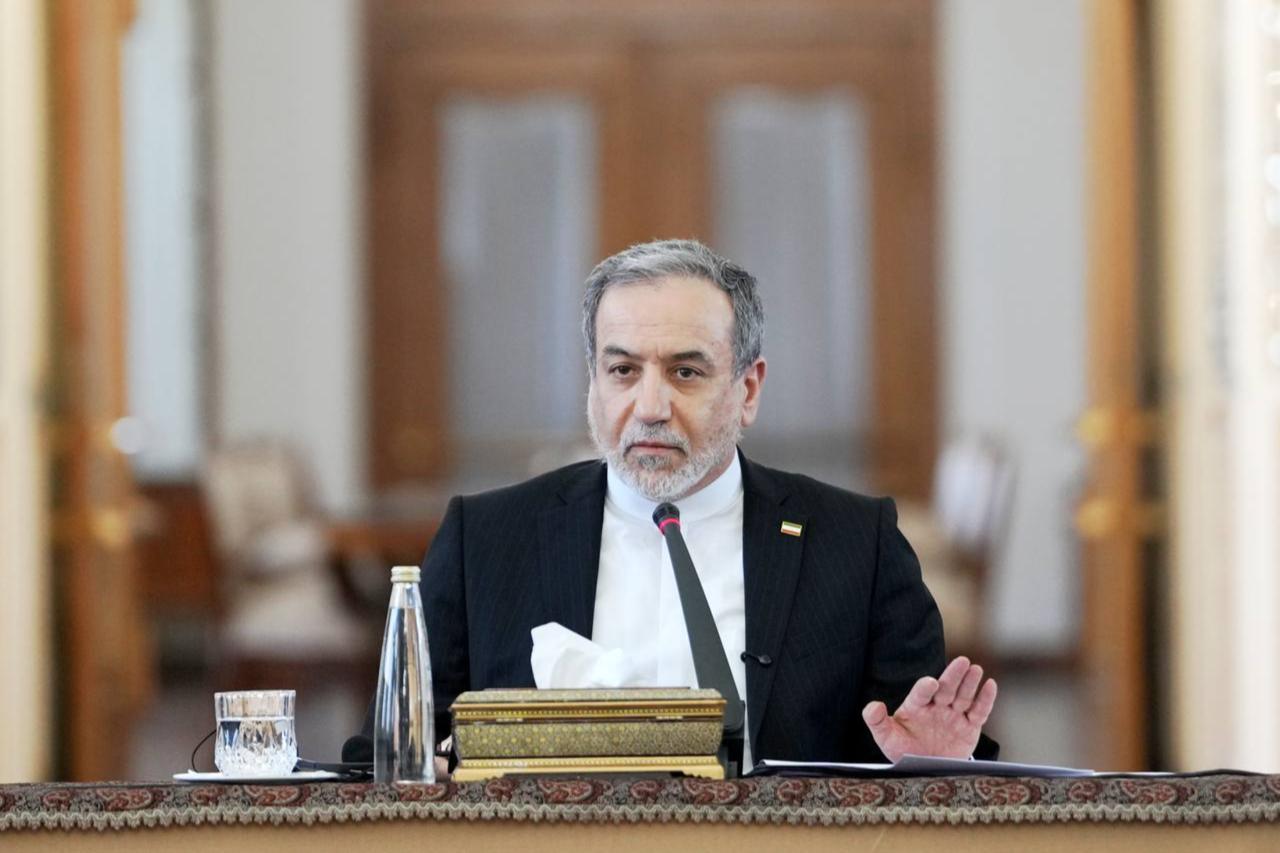


Iranian Foreign Minister Abbas Araghchi declared Tuesday that Iran and Hezbollah together constitute one party to the U.S.-Iran memorandum of understanding, with the United States and Israel on the other side, a framing with far-reaching implications for how Tehran intends to define compliance, enforce Lebanon ceasefire terms and hold Washington responsible for Israeli military conduct.
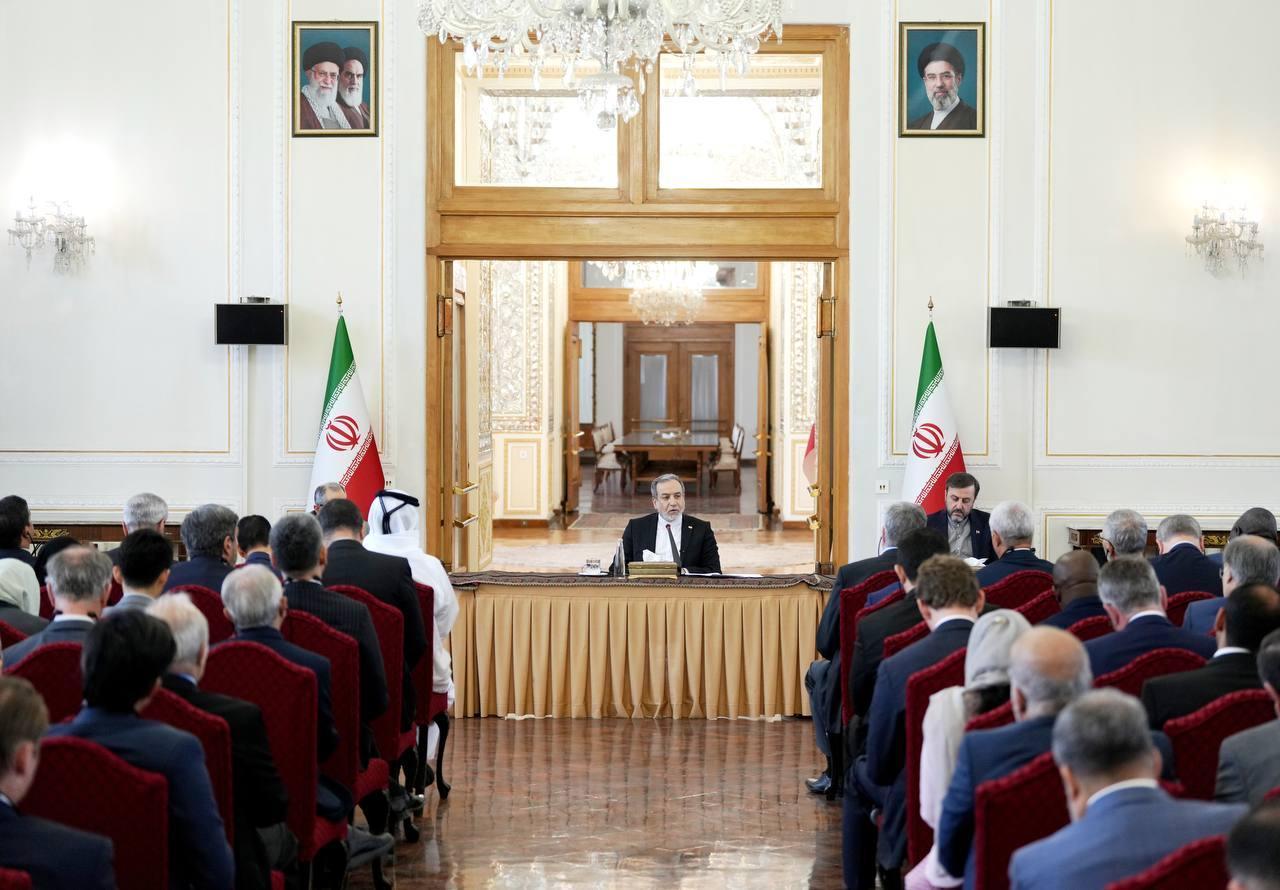
"The important point I want to emphasize here is that in our view, there are two parties to this memorandum, one side is America and Israel, and the other side is Iran and Hezbollah," Araghchi told a briefing of foreign ambassadors, charges d'affaires, and heads of international missions resident in Tehran, broadcast on Iranian state television.
"This is perhaps the most important issue in the memorandum, the declaration of an immediate and permanent end to the war on all fronts, including in Lebanon," he said.
"Ending the war in Lebanon is an inseparable part of the complete end of the war," Araghchi stated.
Araghchi added that an end to the war would not be complete "without the withdrawal of Israeli forces from the territories it occupied in this war," and that any Israeli military attack on Lebanon or continued occupation of Lebanese territory "from now on will be considered a violation of the memorandum of understanding in our view."

In the same briefing, Araghchi provided the clearest Iranian account yet of the deal's negotiating architecture. He said Iran had decided to divide the talks into two phases after difficulties arose in reaching a comprehensive agreement simultaneously covering all outstanding issues.
With the first phase now complete, the parties signed a memorandum of understanding addressing the end of the war, the Strait of Hormuz blockade, and reconstruction issues.
The end of the war was declared on Monday morning Tehran time, Araghchi said, even though the memorandum will become formally functional after Friday's signing in Geneva.
"The declaration of the end of the war has already taken place as of Monday morning, that is perhaps the most important matter in the memorandum," he said.
The second phase, covering Iran's nuclear program and the lifting of sanctions, will be negotiated over the 60 days following Friday's signing, with those issues to be decided in a final comprehensive agreement.
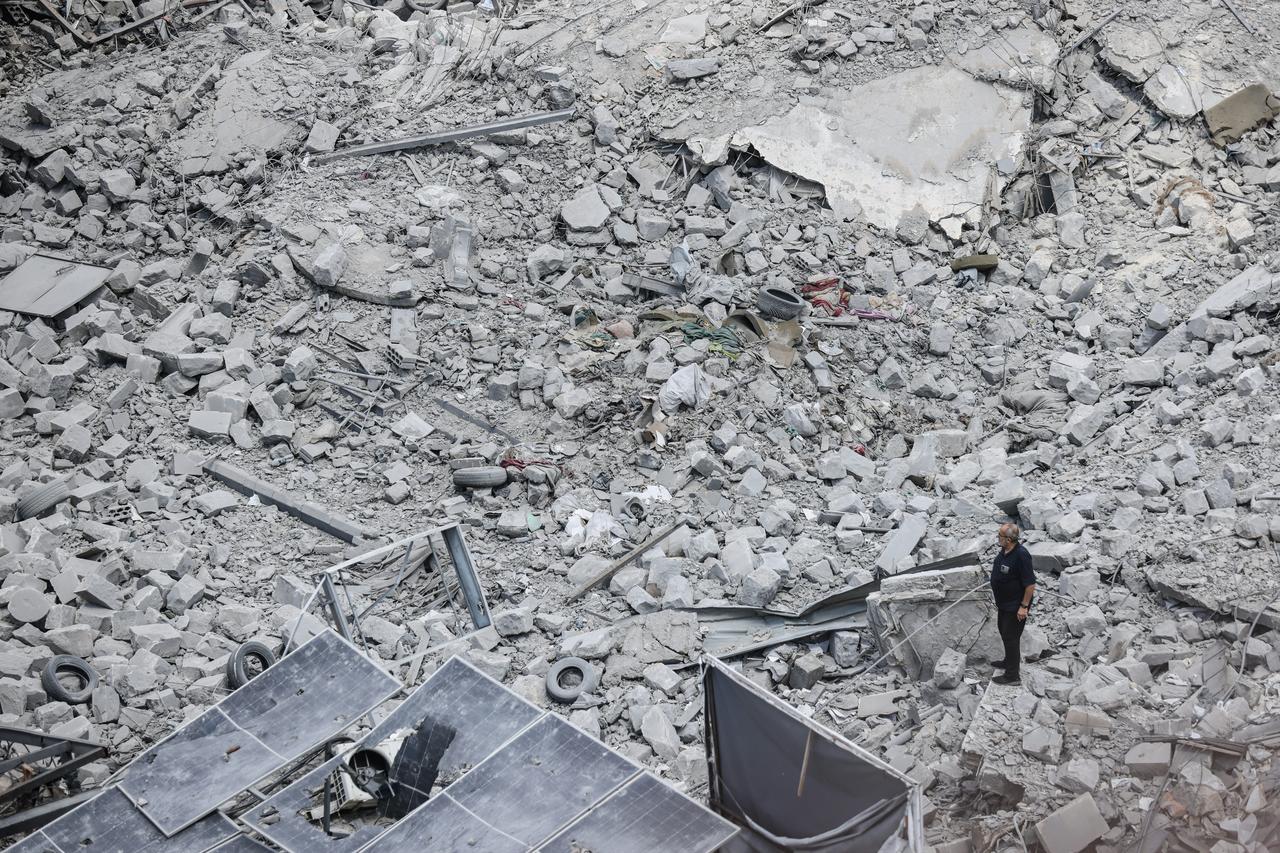
Lebanon was pulled into the war in early March when Hezbollah launched rockets at Israel following the killing of Iran's supreme leader, prompting Israeli strikes and a ground invasion.
Araghchi described the Lebanon and Iran fronts as having become "linked and interdependent," and said Iran had insisted from the outset that ending the war in Lebanon was a prerequisite for ending the war with Iran.
Iranian Deputy Foreign Minister Majid Takht-Ravanchi confirmed Tuesday that Parliament speaker and chief negotiator Mohammad Bagher Ghalibaf would represent Iran at the signing ceremony in Geneva.
JD Vance will represent the United States.
"Switzerland will be the venue for the signing, but the exact location has not yet been determined. The next round of negotiations will begin immediately after the signing," Takht-Ravanchi said on state television.
He added that the format of the signing, including whether it would involve a physical or electronic ceremony, had not yet been finalized.
Araghchi said a new round of Iran-U.S. negotiations aimed at reaching a final agreement would begin "likely on Friday, at a location to be determined."


 Set as preferred source
 Set as preferred source


 1 min read
 1 min read