

 Newsletters


Lebanese officials and politicians said direct talks with Israel in Washington were a constructive and important step toward peace, while stressing the urgent need for a ceasefire. They warned that disarming Hezbollah would take time, as the group launched rockets at Israel hours after the meeting.
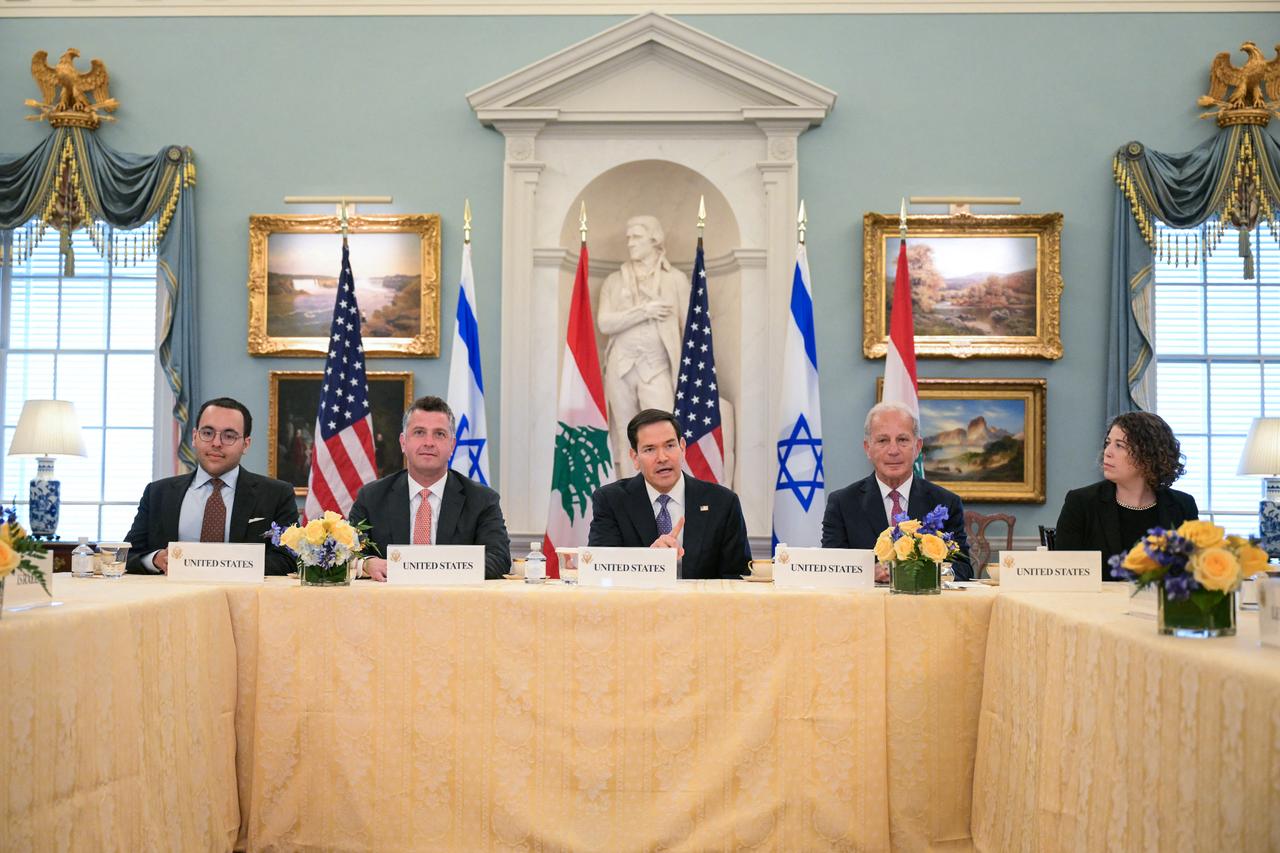
The talks, held Tuesday in Washington, were the first direct negotiations between Israel and Lebanon in decades. Lebanese Ambassador to the U.S. Nada Hamadeh Moawad, who took part in the meeting, described them as “constructive” but said there was an urgent need to end the conflict and address the humanitarian crisis.
A Lebanese lawmaker, Fouad Makhzoumi, also praised the meeting as a “first step toward breaking a long cycle of conflict” and said he hoped it would lead to withdrawal and reconstruction in southern Lebanon.
“We want a Lebanon of peace and prosperity,” Makhzoumi said.
Moawad said the Washington meeting had been constructive but reaffirmed the urgent need for an end to the conflict between Israel and Hezbollah.
She also called for “concrete measures to address and alleviate the severe humanitarian crisis.”
Her comments came as Israel and Lebanon opened a rare diplomatic channel while fighting continued on the ground.
U.S. Secretary of State Marco Rubio, who hosted the meeting, said it represented a “historic opportunity.”
Israeli Ambassador Yechiel Leiter, who also attended, said Israel and Lebanon were “on the same side of the equation” in “liberating Lebanon” from Hezbollah.
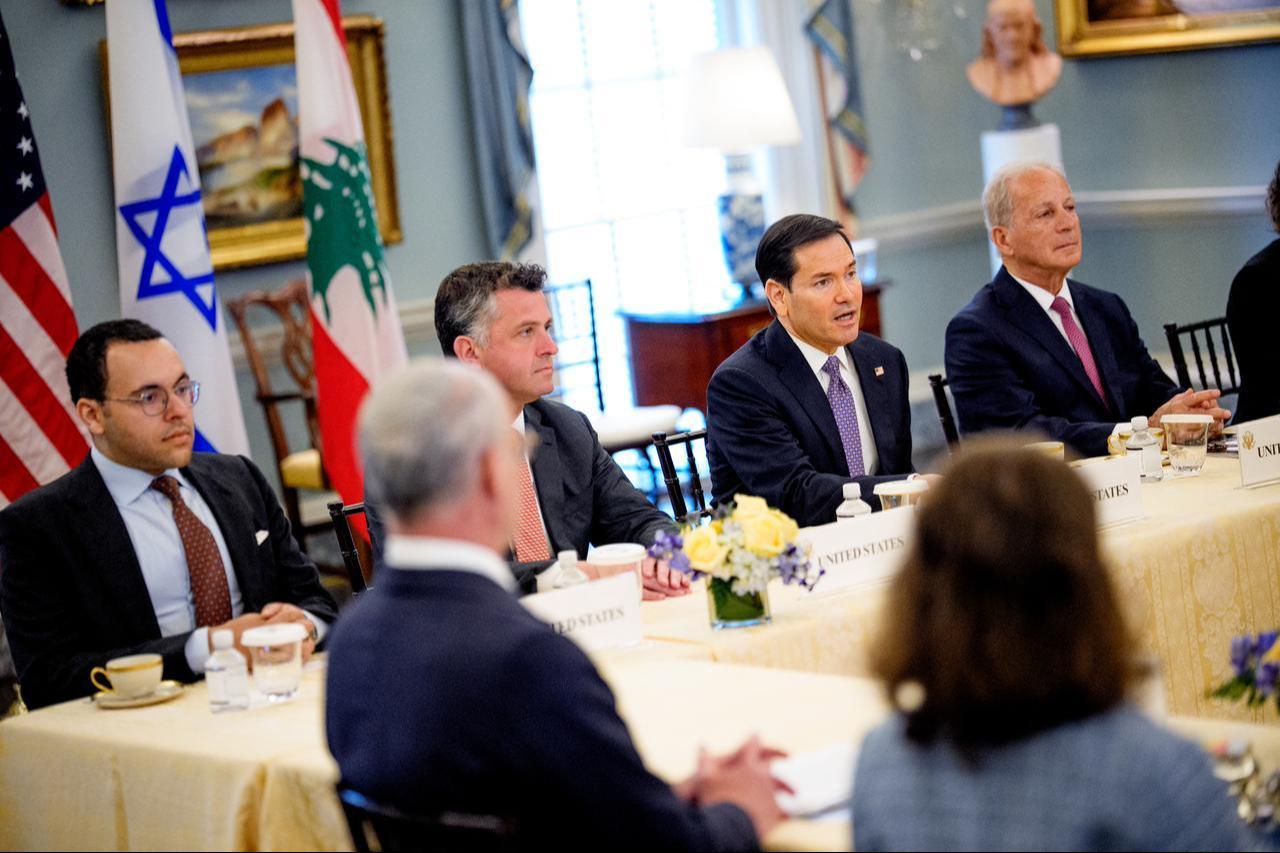

Lebanese MP Fouad Makhzoumi appeared to criticize Hezbollah in a post on X as he welcomed the Washington talks.
He said he hoped the process would move forward through “balanced, gradual steps” that would strengthen stability through de-escalation, stronger state authority and ensuring that arms are held only by the state.
He added that he hoped such a path would lead to “the withdrawal and the reconstruction” of southern Lebanon.
Southern Lebanon has often been described as a Hezbollah stronghold and has been subject to Israeli attacks during the Iran war.
Lebanese minister Ghassan Salame said the government had already begun disarming Hezbollah last summer, but said the process could not be completed quickly.
“You need time for that - not because you want to procrastinate, because this particular group is well armed (and) has been training and arming itself for 43 years,” he said.
Salame said he was confident the day Hezbollah would be fully disarmed was “not very far” away.
Disarming Hezbollah has been a central Israeli demand in the talks, while Lebanese officials have focused on securing a ceasefire.
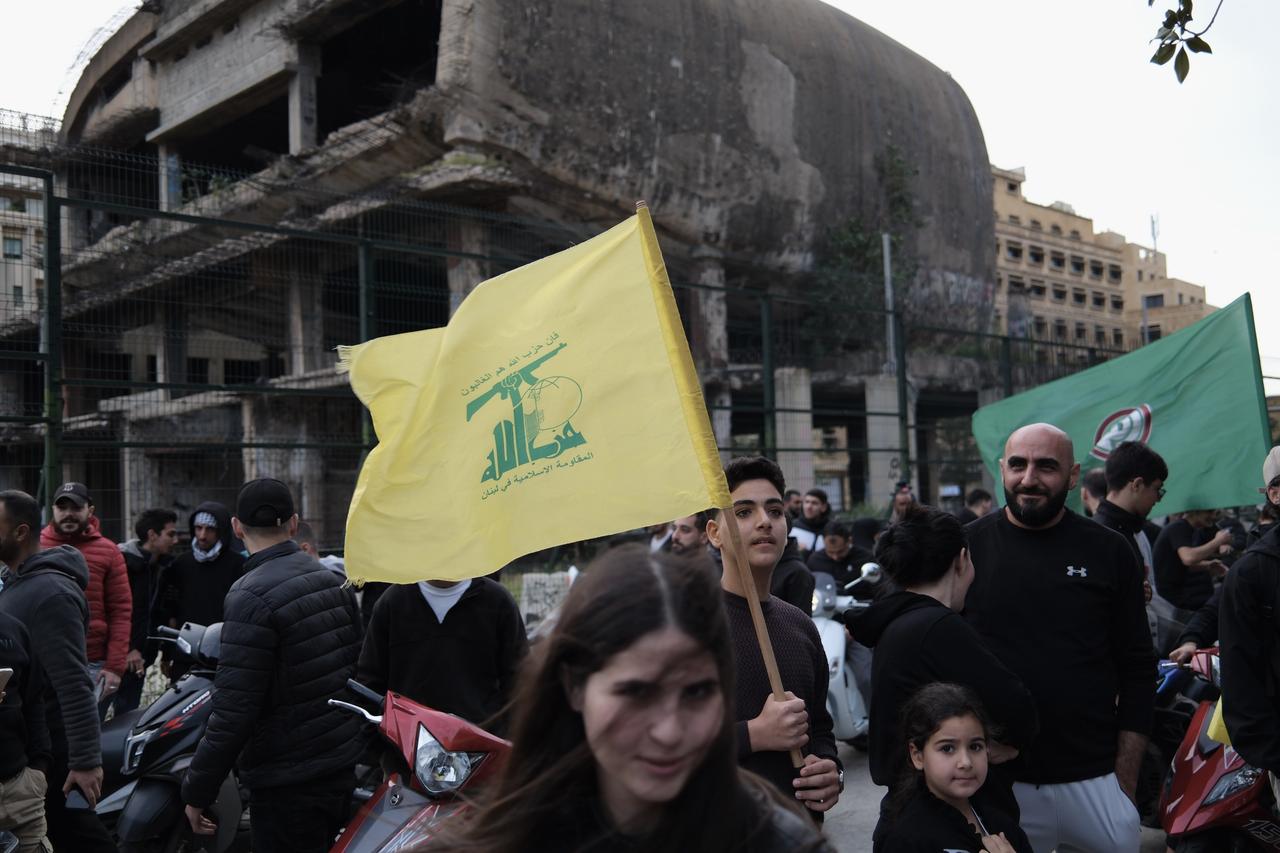
Hezbollah MP Hassan Fadlallah criticized the negotiations, saying Israel was trying to “compensate” for what he described as its defeat through talks with Lebanon in the United States.
He said Lebanese authorities should reconsider their actions and “return to the embrace of the people.”
Fadlallah also said the authorities had withdrawn the army from the south, leaving it open to occupation and giving Israel “free rein.”
He added that excluding Lebanon from the U.S.-Iran negotiations in Pakistan had been “an Israeli demand” and said the American decision to separate Lebanon from the Islamabad track was based on the Lebanese government’s position.
Hours after the Washington talks, Hezbollah launched rockets at Israel.
Israel’s Channel 12 reported that alarms were activated in the Galilee region after Hezbollah launched about 20 rockets from Lebanon. It said seven or eight were intercepted and others fell in open areas, with no casualties immediately reported.
Iran’s Press TV described the rocket fire as a “fresh retaliatory operation” by the group.
Hezbollah said it targeted several areas along the Israel-Lebanon border.
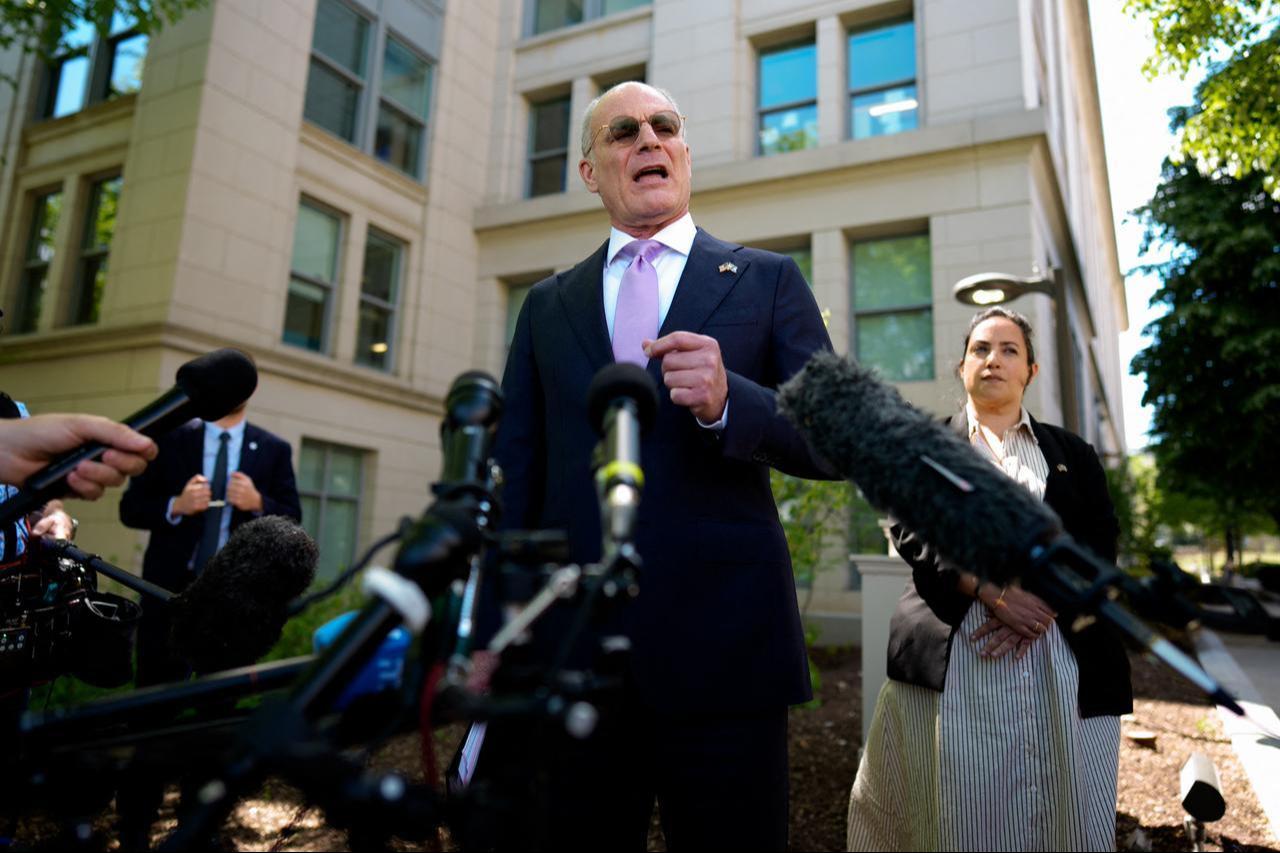
The exchange came despite a ceasefire between the U.S., Israel and Iran that took effect last week.
Fighting between Israel and Hezbollah has continued, with Israel refusing to commit to a ceasefire in Lebanon.
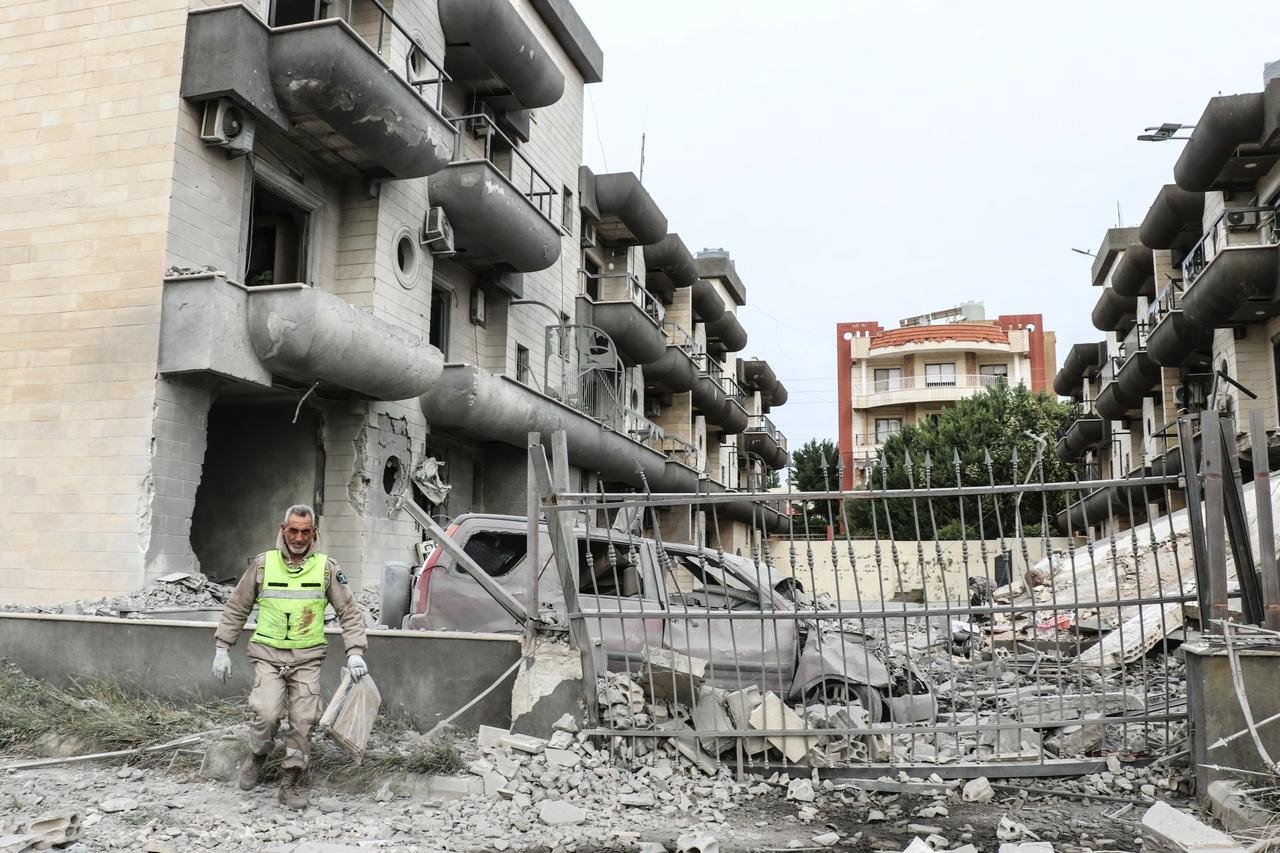
According to Lebanon’s health ministry, at least 35 people were killed in Israeli attacks on Lebanon over a 24-hour period on Tuesday.
Both sides agreed to hold further talks “at a mutually agreed time and venue.”
On Tuesday, the foreign ministers of Australia, the U.K., France, Spain and 14 other countries issued a joint statement on Lebanon calling on “all parties to urgently deescalate and seize the opportunity offered by the ceasefire between the United States and Iran.”


 Set as preferred source
 Set as preferred source


 2 min read
 1 min read



