Newsletters


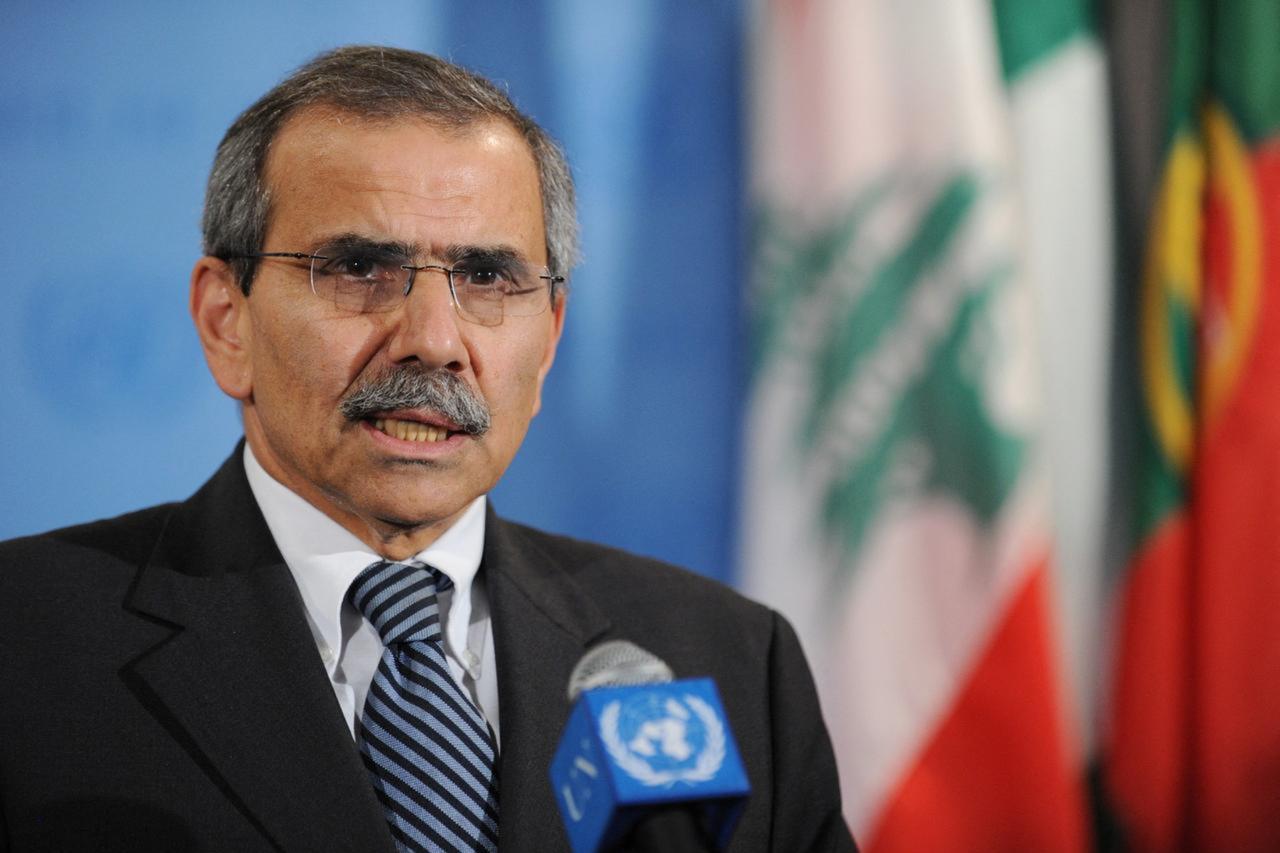


Lebanese and Israeli civilian representatives conducted their first direct negotiations in decades on Wednesday, marking a significant diplomatic development even as Lebanon's prime minister stressed the discussions fall short of broader peace negotiations.
The meeting took place at the United Nations peacekeeping headquarters in Naqura, southern Lebanon, near the Israeli border, where guarantors of the November 2024 ceasefire between Israel and Hezbollah routinely convene. The two nations, which have been in a technical state of war since 1948 and maintain no formal diplomatic relations, had previously limited participation in the ceasefire monitoring mechanism to military officers only.
Lebanese Prime Minister Nawaf Salam outlined strict boundaries for the discussions, emphasizing they address only the full implementation of last year's truce. "We are not yet at peace talks," Salam told journalists, adding that the conversations focus solely on achieving "the cessation of hostilities," securing "the release of Lebanese hostages," and ensuring "the complete Israeli withdrawal" from Lebanon.
Israel framed the civilian-level contact differently than its Lebanese counterpart. Shosh Bedrosian, a spokeswoman for Israeli Prime Minister Benjamin Netanyahu, characterized the meeting as groundbreaking. "Today's meeting in Lebanon is an initial attempt to establish a basis for a relationship and economic cooperation between Israel and Lebanon. This is a historic development," she said, describing it as "the first step to paving a path with Lebanon."

The ceasefire mechanism operates under United States orchestration, with involvement from France and the UN. Morgan Ortagus, the US special envoy for Lebanon, attended Wednesday's session alongside the civilian representatives: Simon Karam, Lebanon's former ambassador to the US, and Uri Resnick, an Israeli National Security Council official.
The US embassy in Beirut welcomed the expanded participation, stating that the inclusion of civilian representatives "reflects the Mechanism's commitment to facilitating political and military discussions with the aim of achieving security, stability, and a durable peace for all communities affected by the conflict."
Washington has intensified pressure on Lebanon to rapidly disarm Hezbollah, the Iran-backed militant group that controls significant military infrastructure in the country's south. Salam indicated Lebanon remains "open to verification by the mechanism" regarding the Lebanese army's efforts to dismantle Hezbollah's capabilities.
Under a government-approved plan, Lebanon's army is tasked with dismantling Hezbollah's military infrastructure south of the Litani River by year's end before expanding operations to other regions.
 1 min read
The ceasefire, which marked its first anniversary just days ago, has proven fragile. Israel has maintained troops in five areas of southern Lebanon despite the agreement's requirement for complete withdrawal, and has continued regular airstrikes that Israeli officials say target Hezbollah members and facilities. The Israeli military reported conducting approximately 1,200 "targeted activities" and eliminating more than 370 militants from Hezbollah, Hamas, and other Palestinian groups during the ceasefire period.
Israeli public broadcaster KAN reported Tuesday that Israel has prepared for what it termed a "significant escalation" with Hezbollah, describing such a development as "inevitable" despite American diplomatic efforts.
The conflict that the ceasefire sought to end erupted after Hezbollah launched attacks in support of Hamas following the Oct. 7, 2023 attacks on Israel, resulting in more than a year of hostilities before the Nov. 2024 truce took effect.
Netanyahu has repeatedly called for Lebanon to join the Abraham Accords, the framework through which several Arab and Muslim nations have normalized relations with Israel. However, Salam maintained a clear position on the sequencing of diplomatic progress: "Normalisation will follow peace. It cannot precede peace."


 Set as preferred source
 Set as preferred source


 1 min read