Sign in
 Newsletters


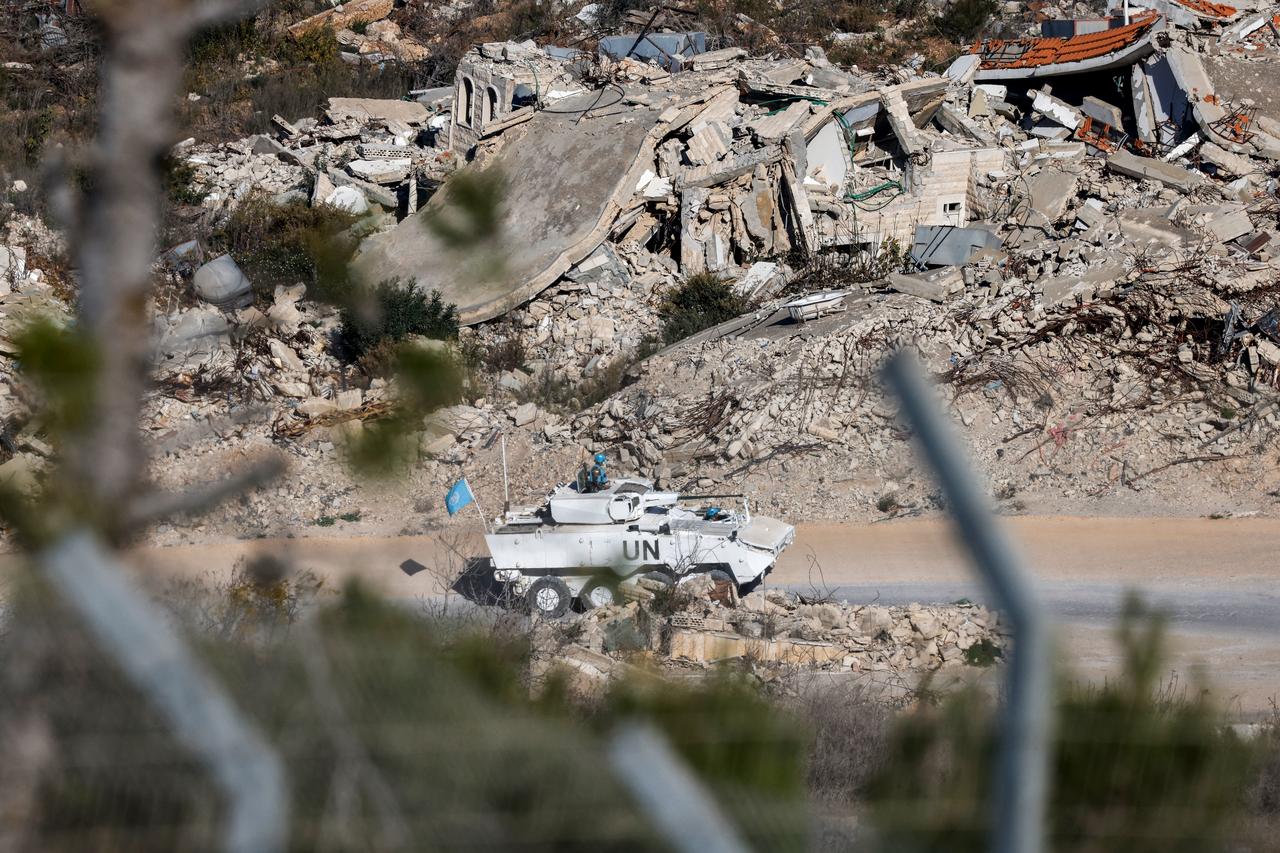


Lebanese Prime Minister Nawaf Salam said France is preparing a U.N. Security Council resolution that would let U.N. Interim Force in Lebanon (UNIFIL) peacekeepers keep some of their tasks in southern Lebanon after their mandate expires Dec. 31.
U.S. officials have indicated Washington could be "open to considering" the arrangement, Salam told The Associated Press (AP) on Friday, as the force prepares to begin withdrawing with no agreed successor.
Under the proposal, the U.N. Interim Force in Lebanon would continue functions such as clearing mines, escorting humanitarian convoys and monitoring violations during a drawdown period, while the Security Council debates what should replace it, Salam told AP.
He said the plan would not resolve the question of what comes after UNIFIL but would "give us some extra time to agree on a new architecture in southern Lebanon."
France has not publicly commented on the proposal.
A Western diplomat told the AP that one option under discussion is to slow the withdrawal and "maintain certain UNIFIL missions" to avoid a power vacuum. A U.N. diplomat also noted that France is also working on a resolution that would authorize a new international force.
Salam said, "Any force to be deployed will have to be endorsed by the Security Council."
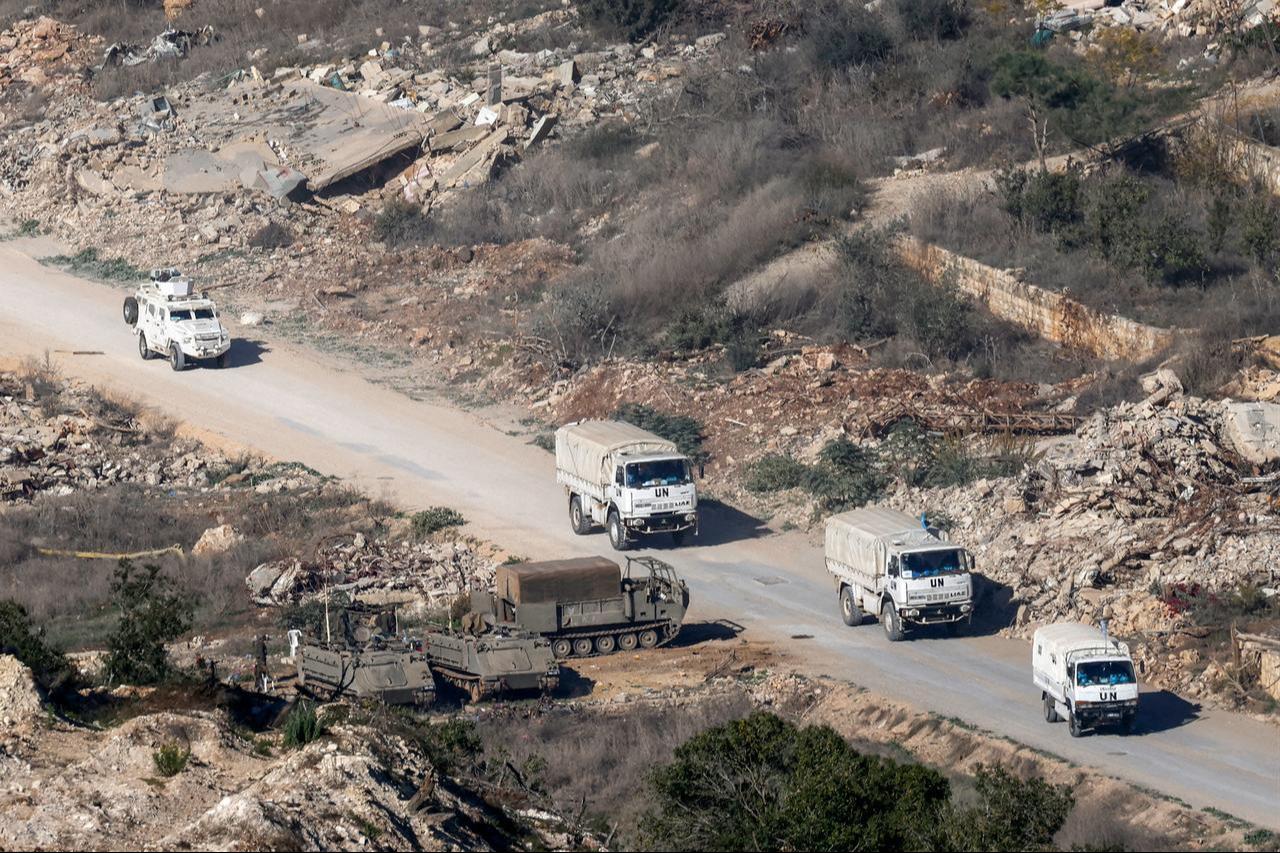

Lebanese President Joseph Aoun said Friday that Lebanon has proposed letting UNIFIL continue its duties during the withdrawal period to prevent a security vacuum and allow time to agree on a replacement force.
Meeting German State Secretary at the Federal Ministry of Defense Jens Ploetner, Aoun said U.N. Security Council Resolution 1701 should provide the legal framework for any replacement force.
He said the Lebanese army needs continued international military support and that residents of southern Lebanon want international forces to remain.
Ploetner said Germany would contribute through a European support mission, which would provide the legal framework for continued bilateral cooperation and German support for the Lebanese navy.
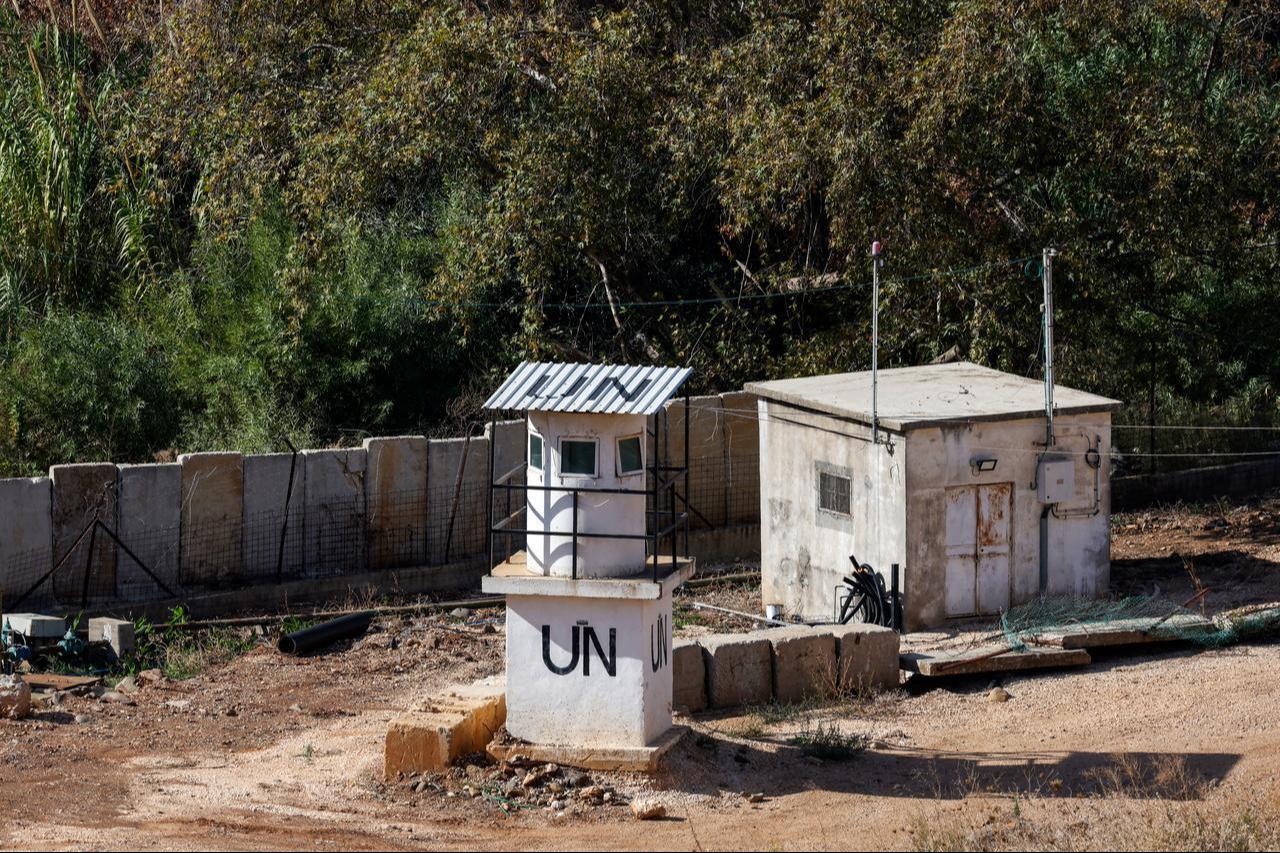
The Security Council adopted Resolution 2790 on Aug. 28, 2025, extending UNIFIL's mandate for the final time through Dec. 31, 2026, after demands from the U.S. and Israel, which argued the force had failed to stop Hezbollah's military buildup.
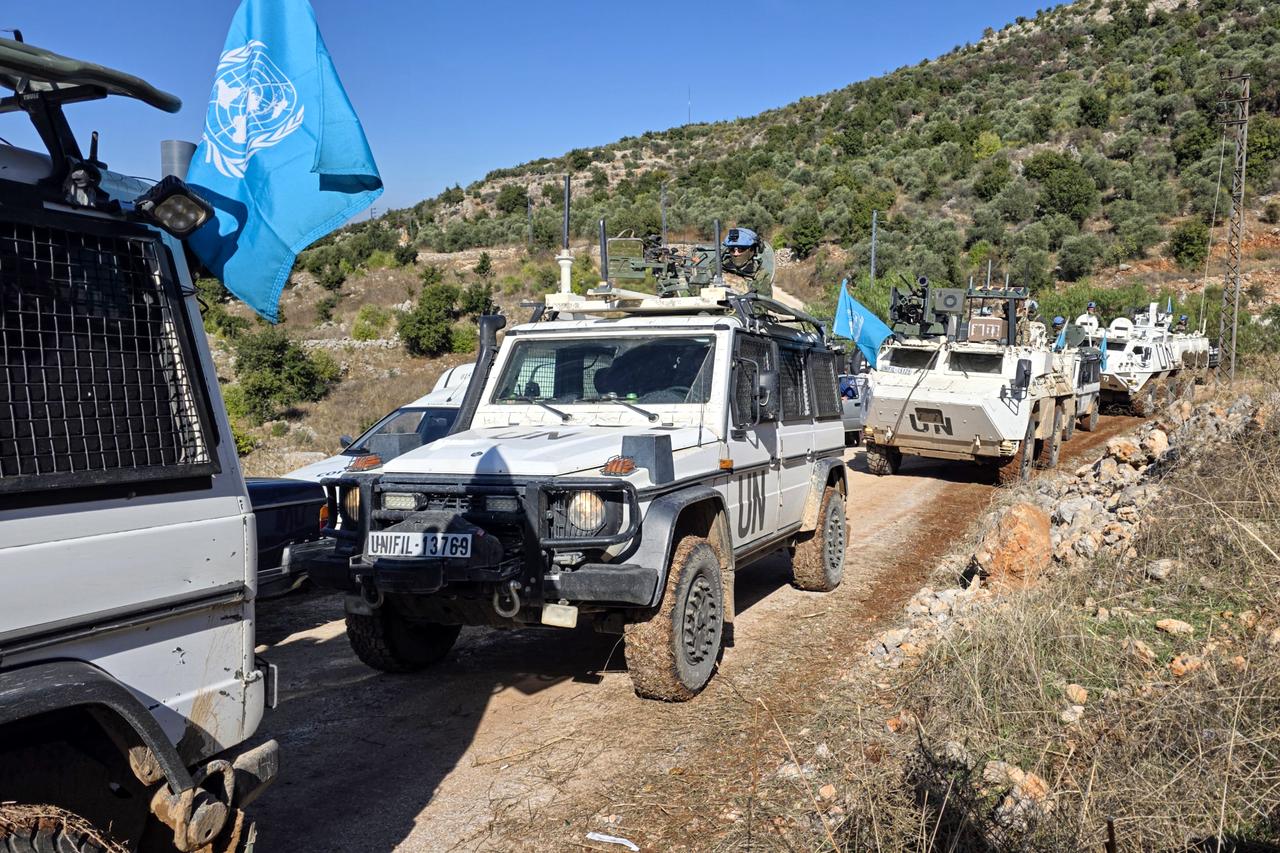
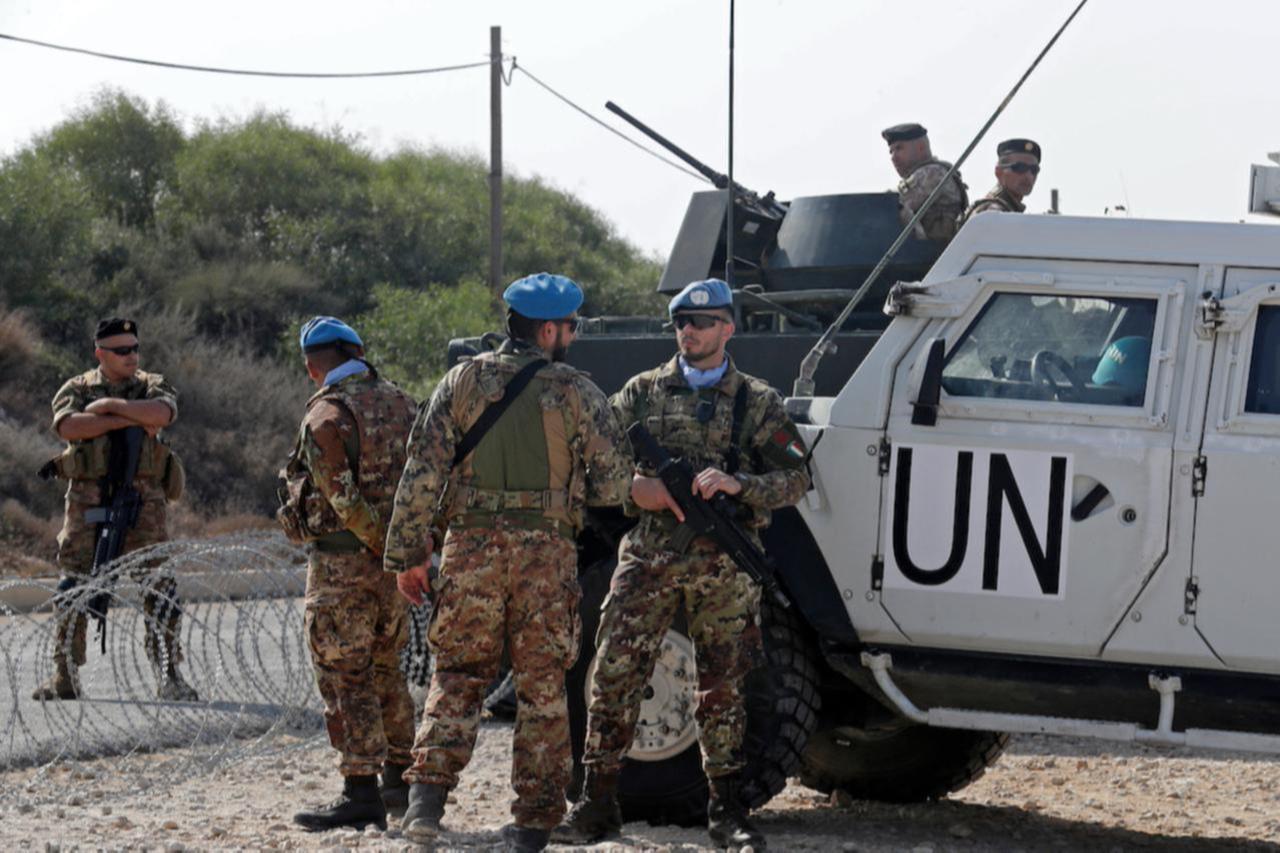
UNIFIL's 7,500 peacekeepers are set to begin a gradual drawdown on Jan. 1. AP reported they are expected to withdraw over about six months, with a year to fully end operations, while AA said the withdrawal is scheduled throughout 2027.
"My mandate is not to disarm Hezbollah," UNIFIL commander Maj. Gen. Diodato Abagnara told AP. "It's very important to avoid a security vacuum in the south," he said.
About 11,000 people remain in a handful of mostly Christian villages in the Israeli-occupied area and depend on UNIFIL convoy escorts, Abagnara said.
"Of course we feel more secure when we see patrols coming and going," said Mohammed Aoun, an olive farmer in the village of Halta.
The U.S. officials have expressed willingness for some kind of international force to remain, but not in its current form, suggesting a civilian force or a private defense contractor. Meanwhile, Israel wants its military to coordinate directly with the Lebanese army to remove what remains of Hezbollah's weapons.
Israel's U.N. ambassador, Danny Danon, said earlier this month that Hezbollah had "exploited UNIFIL's presence."
"We do not rely on any international force," Danon said, adding, "We trust only our own soldiers."
Hezbollah says it would accept UNIFIL or another U.N.-mandated force, but not a private security contractor or a force seen as supporting Israel's occupation.
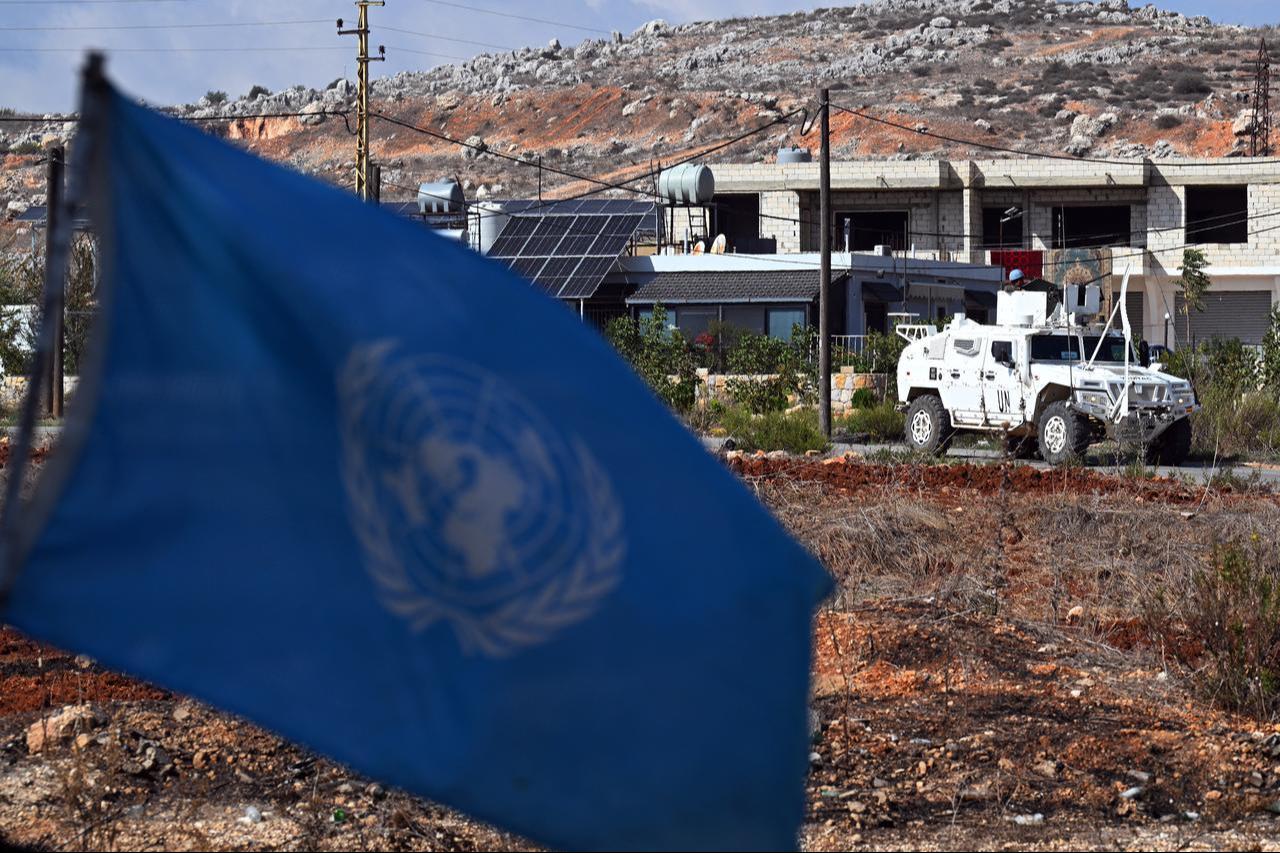
Much of southern Lebanon is occupied by Israeli forces after a war broke out in March between Israel and Hezbollah, linked to the wider Iran war.
Lebanon and Israel signed a U.S.-mediated "Framework Agreement" in June providing for a gradual Israeli withdrawal and Hezbollah's disarmament, but implementation has stalled.
Salam said formal negotiations with Israel were "put on hold" because of Israel's elections and uncertainty over its next government. He acknowledged that "the relation between the U.S. and Iran directly affects the situation in Lebanon."
"Lebanon is not an isolated island in the Mediterranean," he said.
Salam said his government has open lines of communication with Hezbollah and Iran but will not "allow the future of the country to be contingent on Iran's wishes."
"Definitely we are not seeking confrontation with Hezbollah," Salam said, adding, "But we will not succumb to the intimidation of Hezbollah."
Whether the French proposal can keep UNIFIL working in southern Lebanon past Dec. 31 depends on the Security Council.


 Set as preferred source
 Set as preferred source


 1 min read
 1 min read