Newsletters


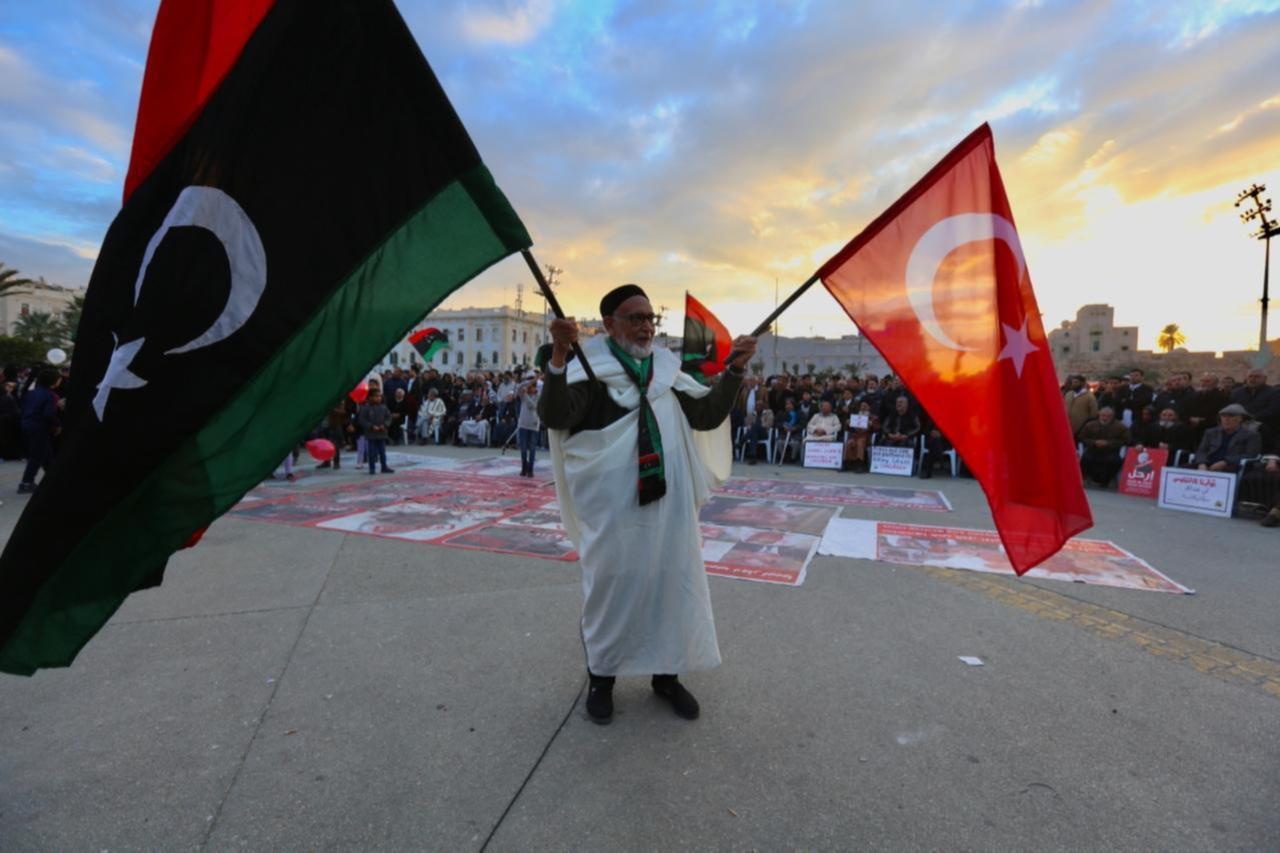


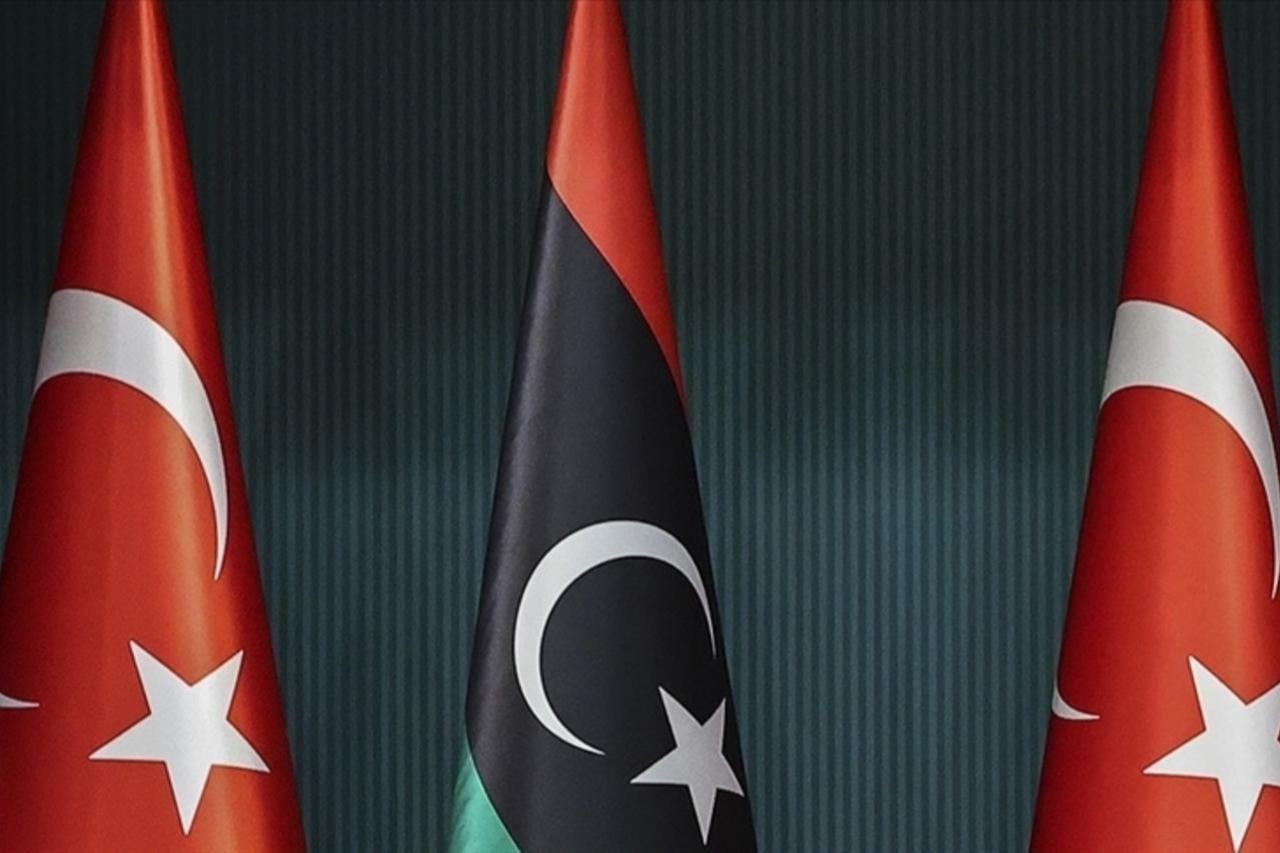
The 2019 maritime agreement between Ankara and Tripoli was more than a legal document. It was a shift in the Mediterranean by means of a proactive assertion of presence that effectively redrew the geopolitical boundaries and secured significant strategic gains for Türkiye.
Today, Athens is operating under the conviction that these gains can be dismantled through diplomatic precision.
This effort is seen by analysts like Constantinos Capsaskis, a research fellow at the Hellenic Foundation for European & Foreign Policy (ELIAMEP), as a "diplomatic scramble to find friends and influence results in a treacherous part of the world to counter the momentum Türkiye has achieved."
However, this Greek offensive may be underestimating the durability of the alliance forged in 2019.
A high-ranking Libyan source, speaking exclusively to Türkiye Today, shared that Libya will never conclude these negotiations that would jeopardize its strategic relationship with Ankara.
This quiet assurance from within the Libyan establishment suggests that while Greek diplomats seek a "white smoke" moment to resolve the delimitation of the continental shelf, the map of the Mediterranean remains anchored by the proactive maneuvers of the past.
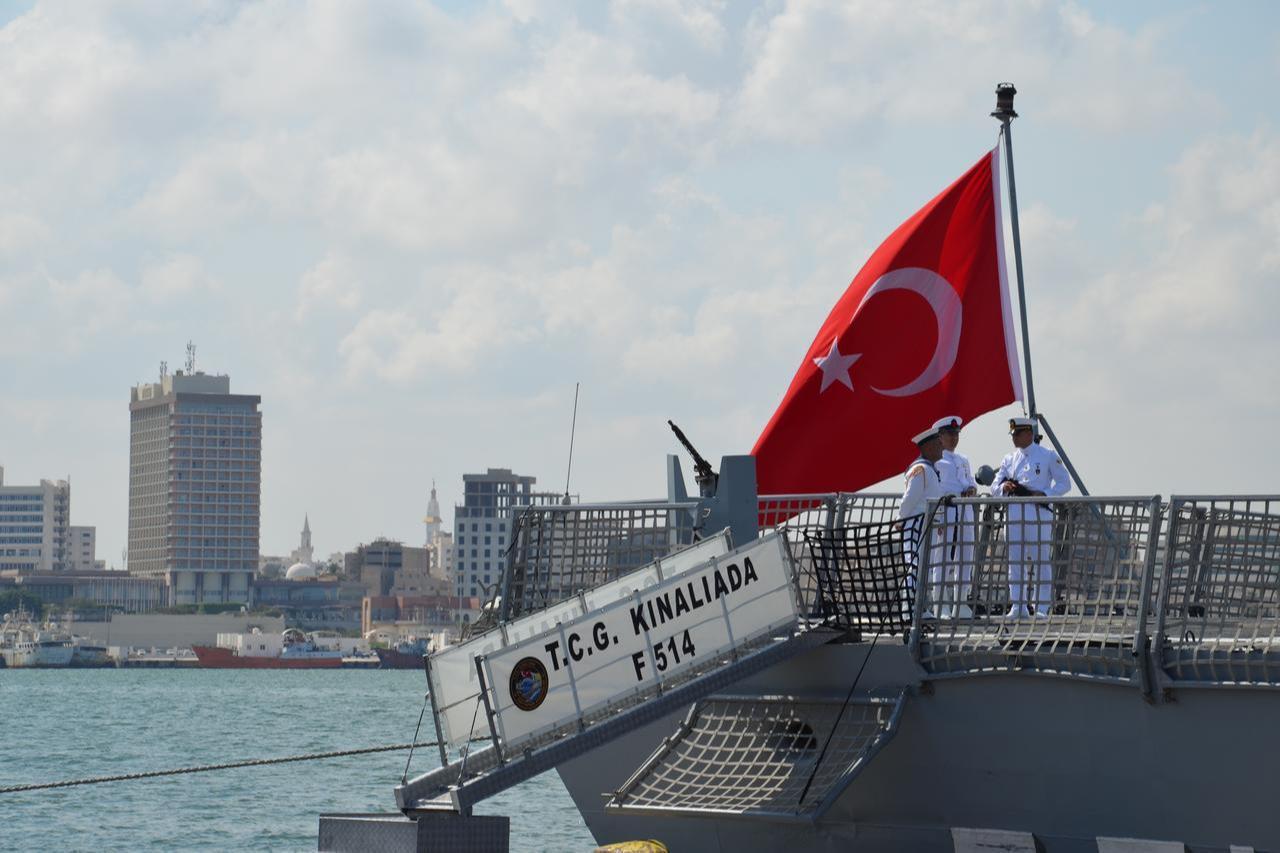

The developments that took place in the final days of April reveal a great deal about the leverage held by both sides.
While Greek Foreign Minister Giorgos Gerapetritis held meetings with Prime Minister Abdul Hamid Dbeibeh and Acting Foreign Minister Taher el-Baour during a high-stakes visit to Tripoli, Türkiye’s Ministry of National Defense issued a counterpoint.
It released footage of an Akinci-type unmanned aerial vehicle (UAV) that took off from Türkiye and flew to Libya along the route defined under the 2019 maritime boundary agreement.
The Turkish army also participated in military exercises organized by CENTCOM and co-hosted in Sirte, Libya.
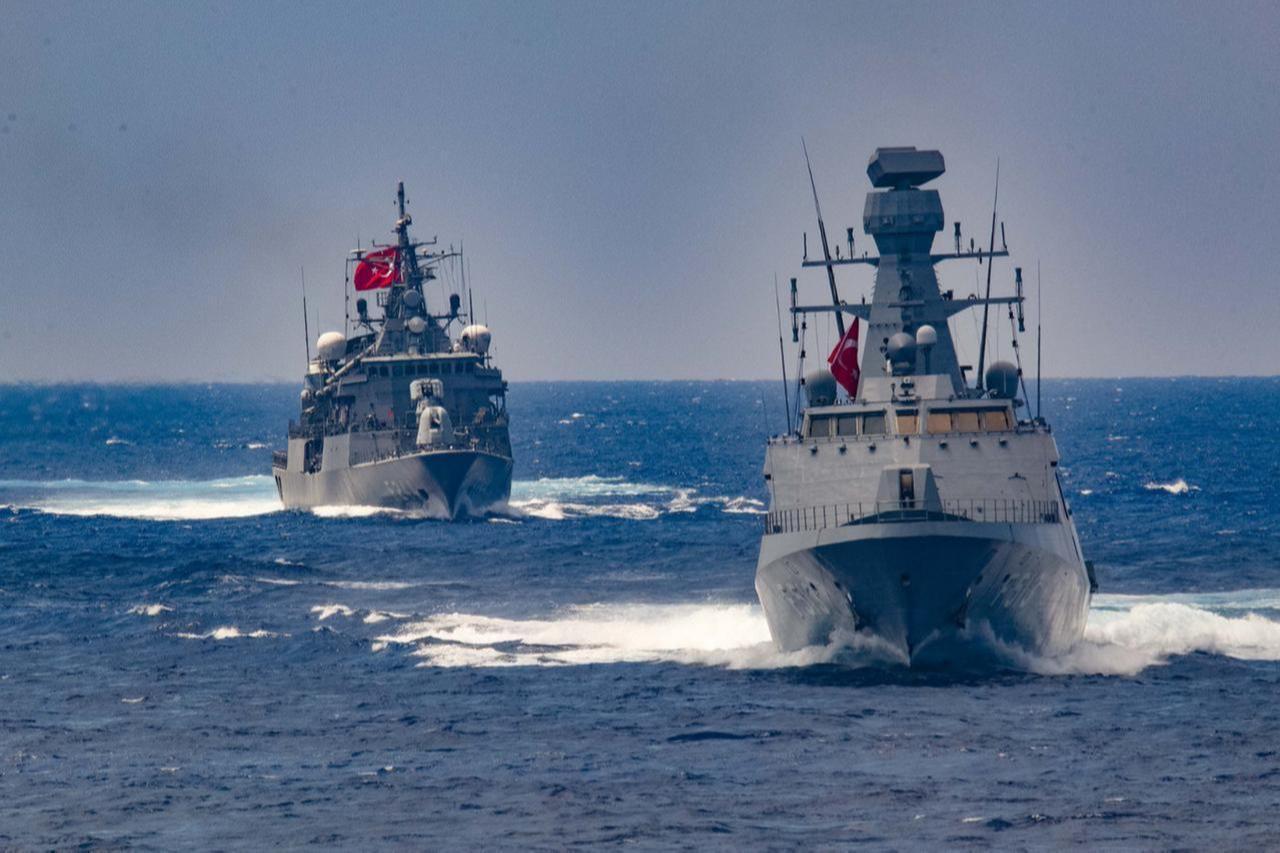
Both developments serve as a kinetic reminder of the "hard power" that Ankara has used to back its diplomatic gains, a presence that Greece’s European allies have been either unable or unwilling to match.
Additionally, around the same time, U.S. envoy, Masad Boulos, was returning from a visit to the Antalya Diplomacy Forum in Türkiye.
A defining feature of foreign policy in the second Trump administration is the deployment of envoys with a unique personal connection to the President. These high-ranking representatives are frequently tasked with managing the strategic partnership with Türkiye.
The precedents, such as Tom Barrack’s involvement in resolving the Syrian crisis, illustrate this trend of high-level personal representation.
The Libyan official noted that “the special envoy has the authority and the mandate to address critical issues and establish a strong institutional framework to address them.”
According to the senior Libyan official, the maritime delimitation committee to be established between the two countries is not a new body. It was already formed in 1998, but had been dormant for a long time.
While it was announced that an agreement had been reached for the committee to convene in the second half of 2026, the parties also stated that technical committee negotiations regarding the boundaries of the Exclusive Economic Zone (EEZ) and continental shelf would be accelerated.
 1 min read
However, the maritime dispute remains only one chapter in a much larger, more volatile problem.
Libya continues to serve as a launchpad for regional instability. Combined with concerns that chaos in the country could spill over to other nations such as Sudan and Mali, issues of stability and migration remain the primary focus for Western powers.
For the United States and Europe, ensuring Libya does not become a hub for terrorist activity or an unchecked conduit for migration is a relatively higher priority than the precise demarcation of maritime jurisdiction areas.
In this "political and diplomatic minefield," Greece may find that its quest for a legal breakthrough is frequently overshadowed by the broader regional struggle for security and the unwavering strategic weight of the Turkish-Libyan ties.


 Set as preferred source
 Set as preferred source


 1 min read