Newsletters


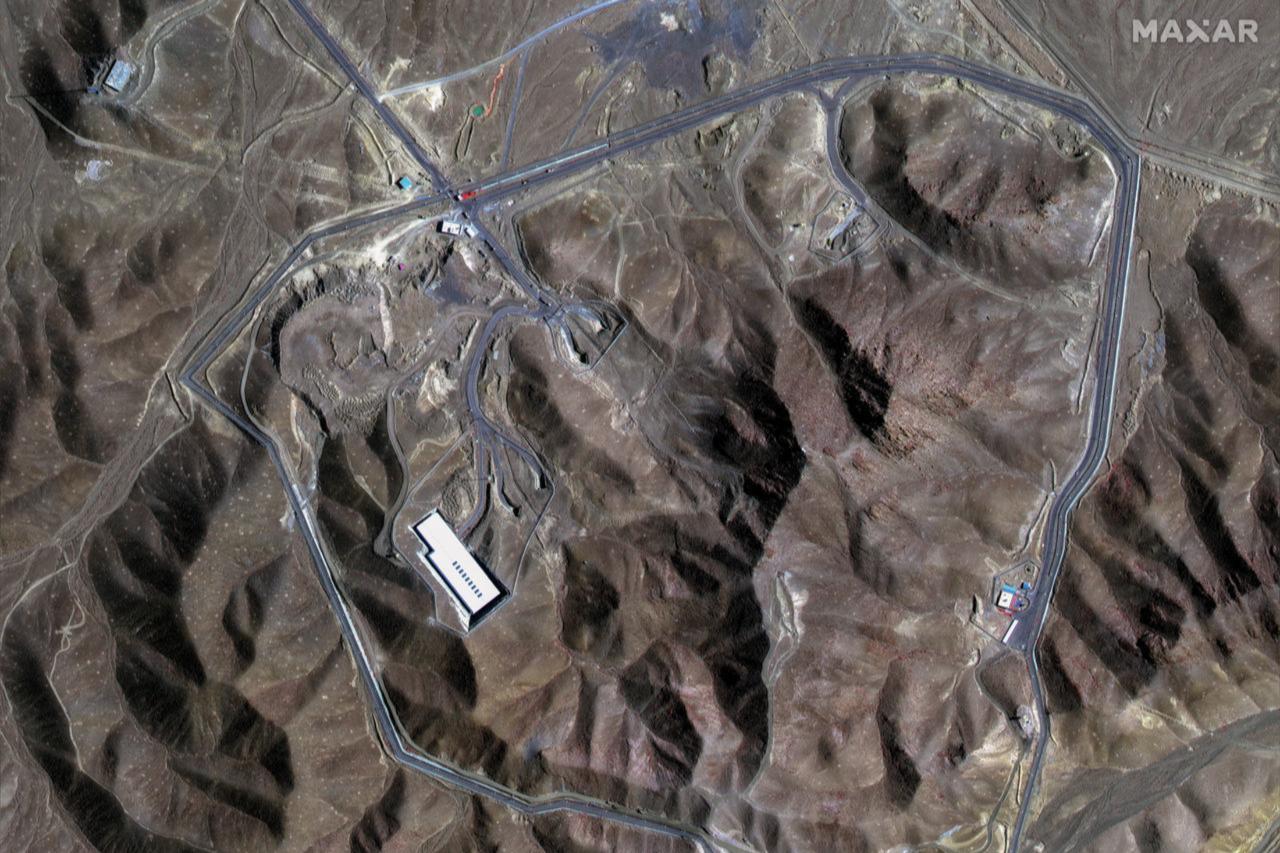


U.S. intelligence assessments indicate that the time Iran would need to build a nuclear weapon has not changed since last summer, when analysts estimated that a U.S.-Israeli attack had pushed the timeline back to up to a year, according to sources familiar with the matter who spoke to Reuters on condition of anonymity.
"Before last June's 12-day War, the U.S. intelligence agencies had concluded that Iran could likely produce enough bomb-grade uranium for a weapon and build a bomb in around three to six months," two of the sources said.
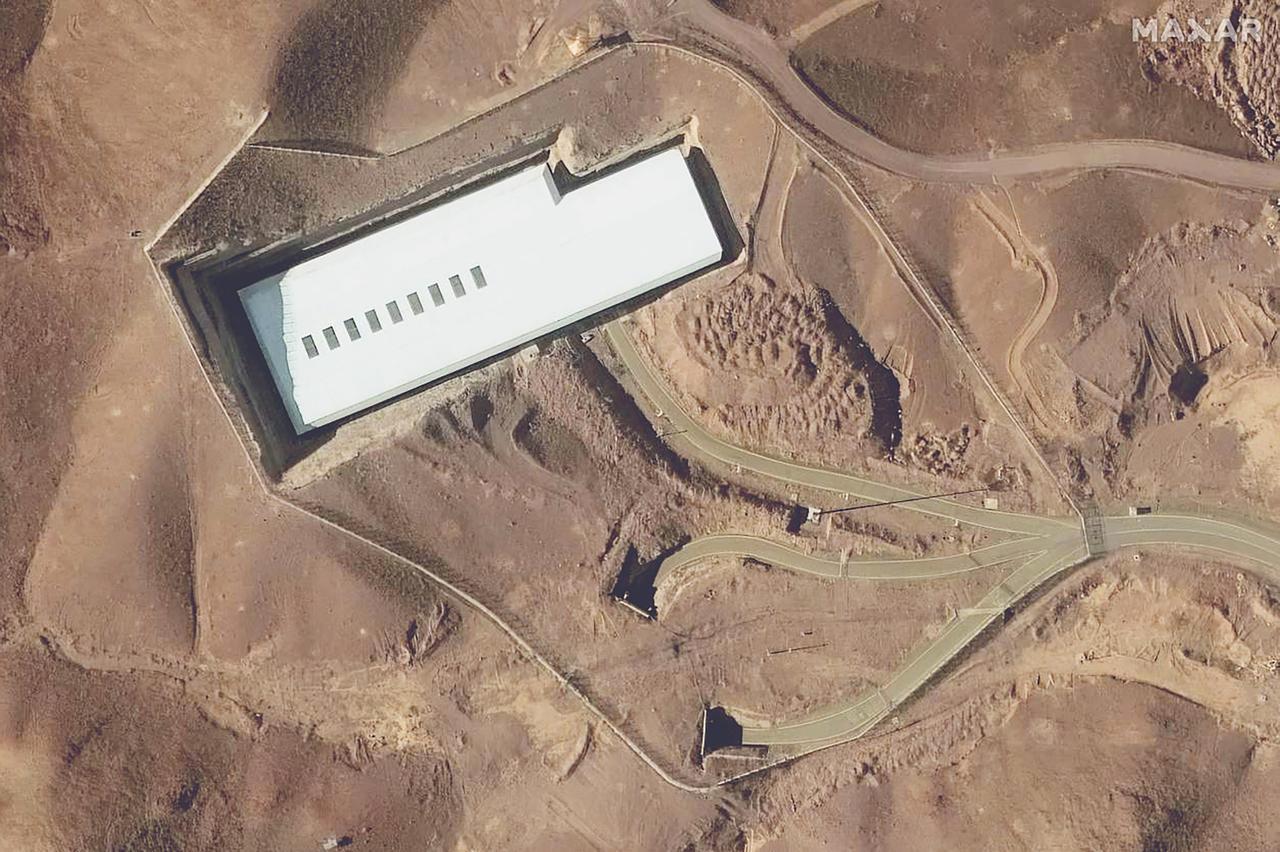
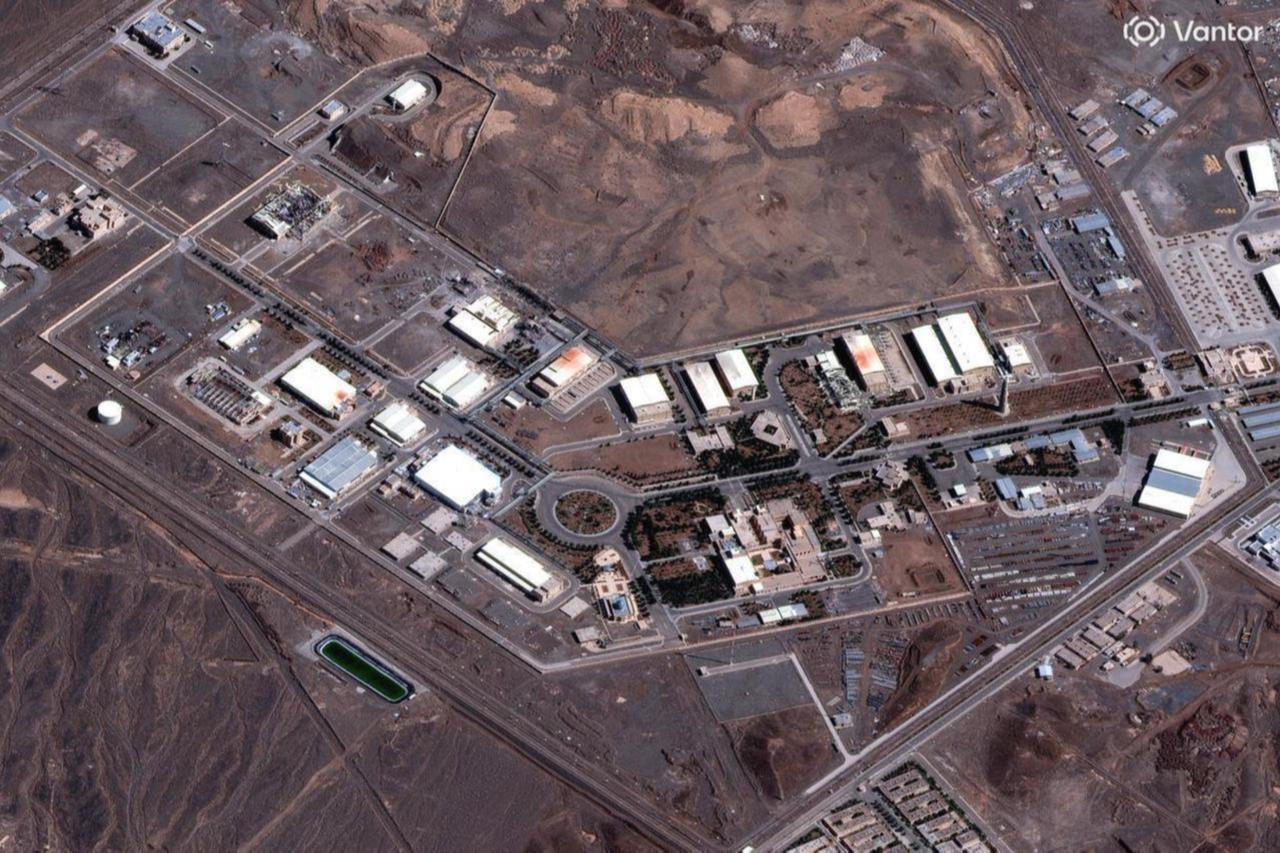
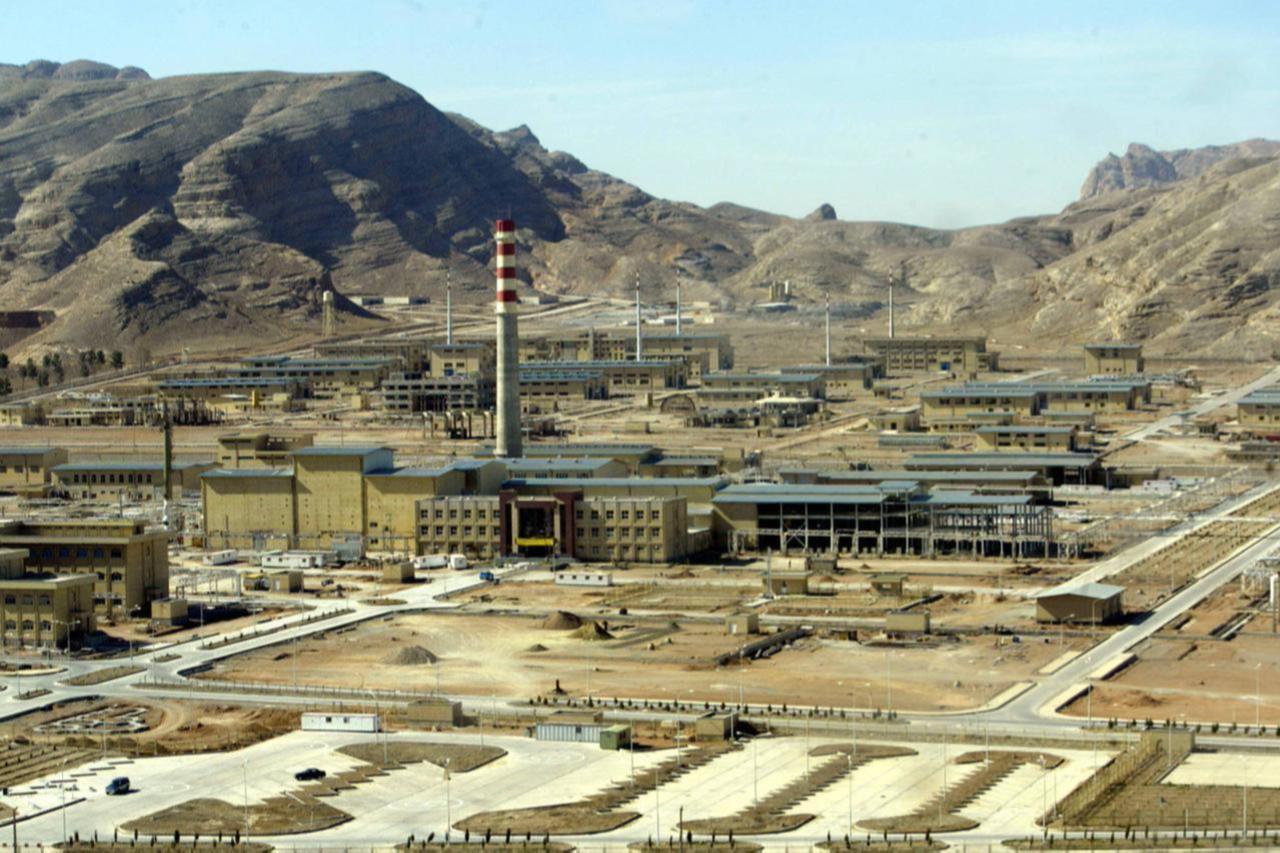
Following the June 2025 strikes on Natanz, Fordow, and Isfahan, U.S. intelligence revised Iran’s nuclear weapon timeline to approximately nine to twelve months. Sources tell Reuters that the extensive damage to all three operating enrichment plants was the primary reason behind the change in assessment.
The latest U.S. and Israeli military campaign, which began Feb. 28, has focused primarily on conventional military targets, Iran's leadership and its military-industrial base, rather than nuclear facilities. Israel, however, struck several significant nuclear sites, including a uranium-processing facility, in late March.
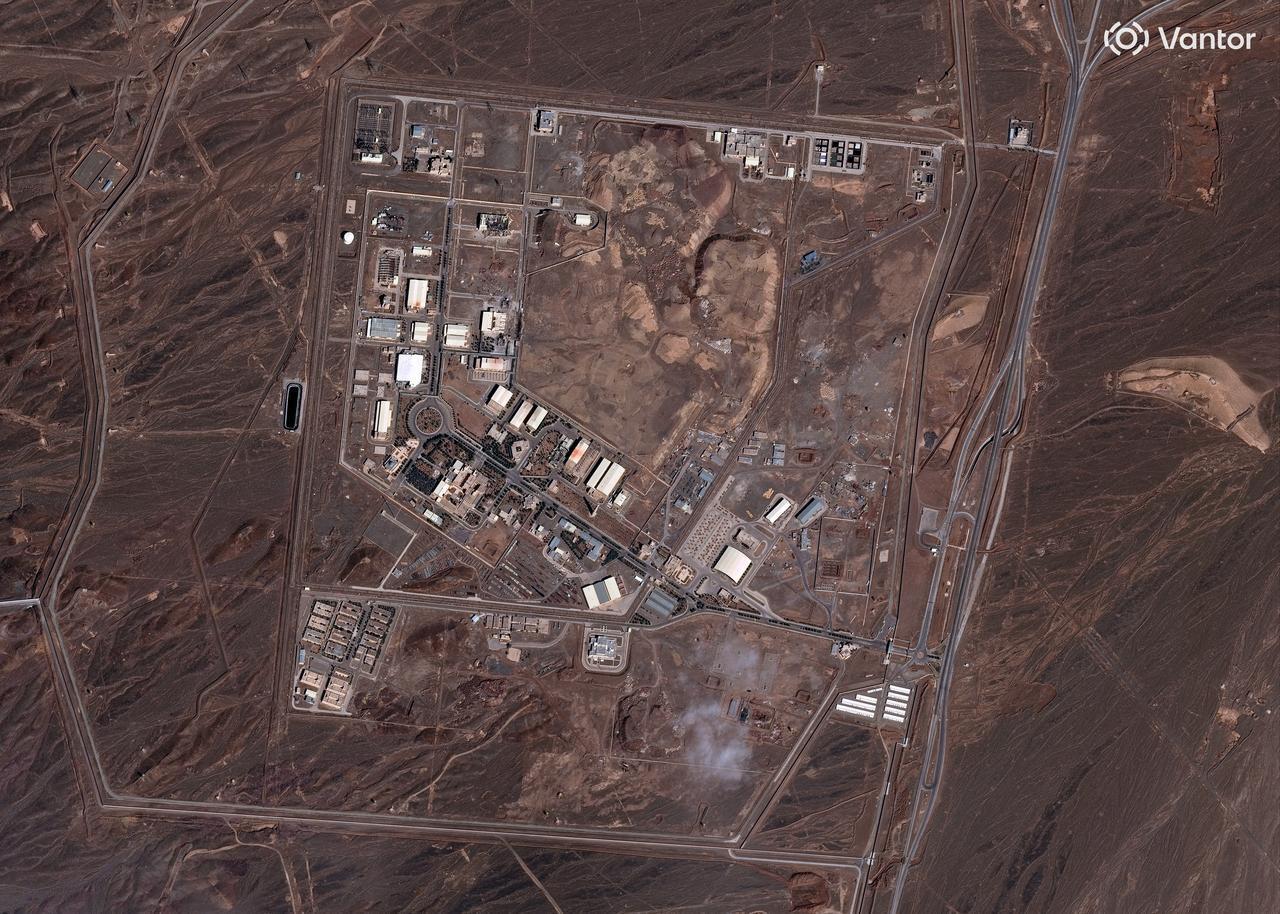

The International Atomic Energy Agency (IAEA) has reported an inability to verify the location of approximately 440 kilograms of uranium enriched to 60% purity. Analysts of the nuclear watchdog warn that this quantity of material, if further processed, would be sufficient to manufacture 10 nuclear warheads.
The IAEA believes that roughly half of the uranium was stored in an underground tunnel complex at the Isfahan Nuclear Research Center, but has been unable to confirm this since inspections were suspended.
IAEA Director-General Rafael Grossi said inspectors had been scheduled to visit a newly declared Iranian nuclear facility on June 13 last year, but U.S.-Israeli strikes began around the same time, making inspection impossible.
"The assessment was going to take place on June 13, on the day the attacks commence," Grossi said at a news conference on the review of the global nuclear non-proliferation treaty, adding the agency had been closely monitoring the stockpile before the conflict escalated.
"Last time we were there, it was 440 something kilograms, 900 pounds more or less, that was sealed by the IAEA," he said.
He added that the agency still cannot determine whether a newly disclosed facility was "simply an empty hole or a place where already cascades and centrifuges were being placed for operation."
Speaking to Reuters, Eric Brewer, a former senior U.S. intelligence analyst who led assessments of Iran's nuclear program and is now vice president of the nuclear materials study program at the Nuclear Threat Initiative, said the unchanged estimates were unsurprising given that recent U.S. strikes had not prioritized nuclear-related targets.
"Iran still possesses all of its nuclear material, as far as we know," Brewer said. "That material is probably located in deeply buried underground sites where U.S. munitions can't penetrate," he added.
In recent weeks, U.S. officials have contemplated options to significantly impede Iran's nuclear efforts, including ground raids to retrieve the highly enriched uranium (HEU) believed to be stored in the tunnel complex at the Isfahan site, according to sources.
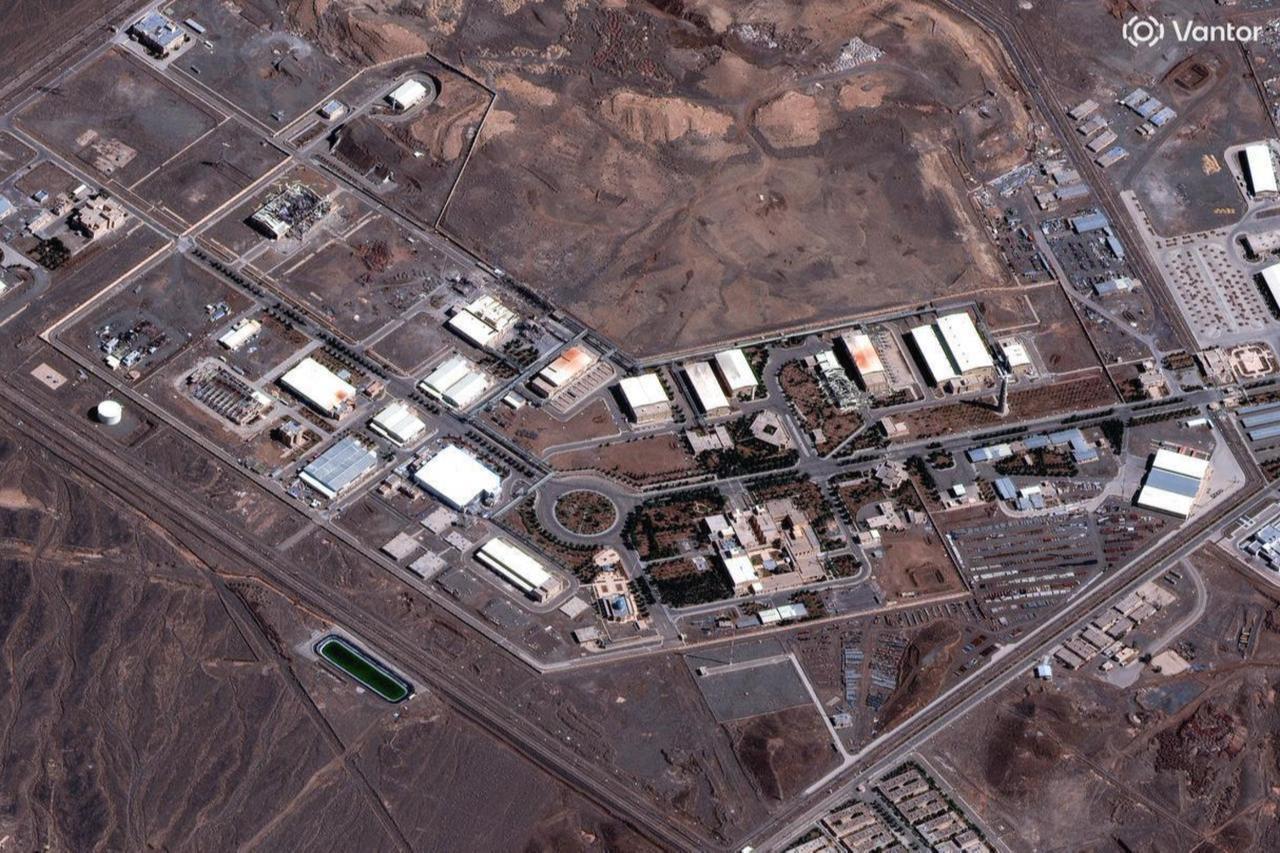
White House spokeswoman, Olivia Wales, defended the overall military campaign in a statement to Reuters, saying: "While Operation Midnight Hammer obliterated Iran's nuclear facilities, Operation Epic Fury built on this success by decimating Iran's defense industrial base that they once leveraged as a protective shield around their pursuit of a nuclear weapon.
"President Trump has long been clear that Iran can never have a nuclear weapon, and he does not bluff," the spokeswoman added.
Secretary of Defense Pete Hegseth has said publicly that the U.S. aims to ensure Iran does not obtain a nuclear weapon through ongoing negotiations. Vice President JD Vance wrote on X on March 2: "Iran can never be allowed to obtain a nuclear weapon. That is the goal of this operation."
Some officials, including Secretary of State Marco Rubio, have argued that U.S. strikes on Iranian air defenses have reduced the nuclear threat by diminishing Iran's ability to defend its nuclear sites should it decide to rush toward weaponization.
Speaking to Reuters, David Albright, a former UN nuclear inspector who runs the Institute for Science and International Security, said Israel's assassinations of leading Iranian nuclear scientists have added significant uncertainty to Tehran's ability to build a functional bomb.
"I think everyone agrees knowledge can't be bombed, but know-how certainly can be destroyed," Albright said.
Iran has repeatedly denied seeking nuclear weapons. U.S. intelligence agencies and the IAEA say Tehran halted a warhead development effort in 2003, though some experts and Israel contend it secretly preserved key elements of the program.


 Set as preferred source
 Set as preferred source


 1 min read
 1 min read