Newsletters


President Emmanuel Macron, under pressure after violent protests in France, acknowledged on Monday "failures in anticipation and intelligence" but refused the resignation of his interior minister, the presidential palace said in a statement on Sunday.
Some opposition politicians had called for the sacking of Laurent Nunez after demonstrations over the cost of living descended into some of the worst urban violence in France in years.
Nearly 2,400 people were arrested on Saturday, with almost 1,000 police and gendarmes injured, according to the interior ministry, as clashes between police and protesters, mass looting and fires erupted nationwide.
"The interior minister submitted his resignation to the president on Sunday," the Elysee Palace said in a statement. "Given the necessity for continued leadership of law enforcement at this time, the president refused."
Macron had asked Nunez to "take all necessary steps to ensure transparency over the failures in planning and intelligence that led to the violence," the statement said.
The president had also instructed him to "put in place new operational methods for security forces" to handle the crisis.
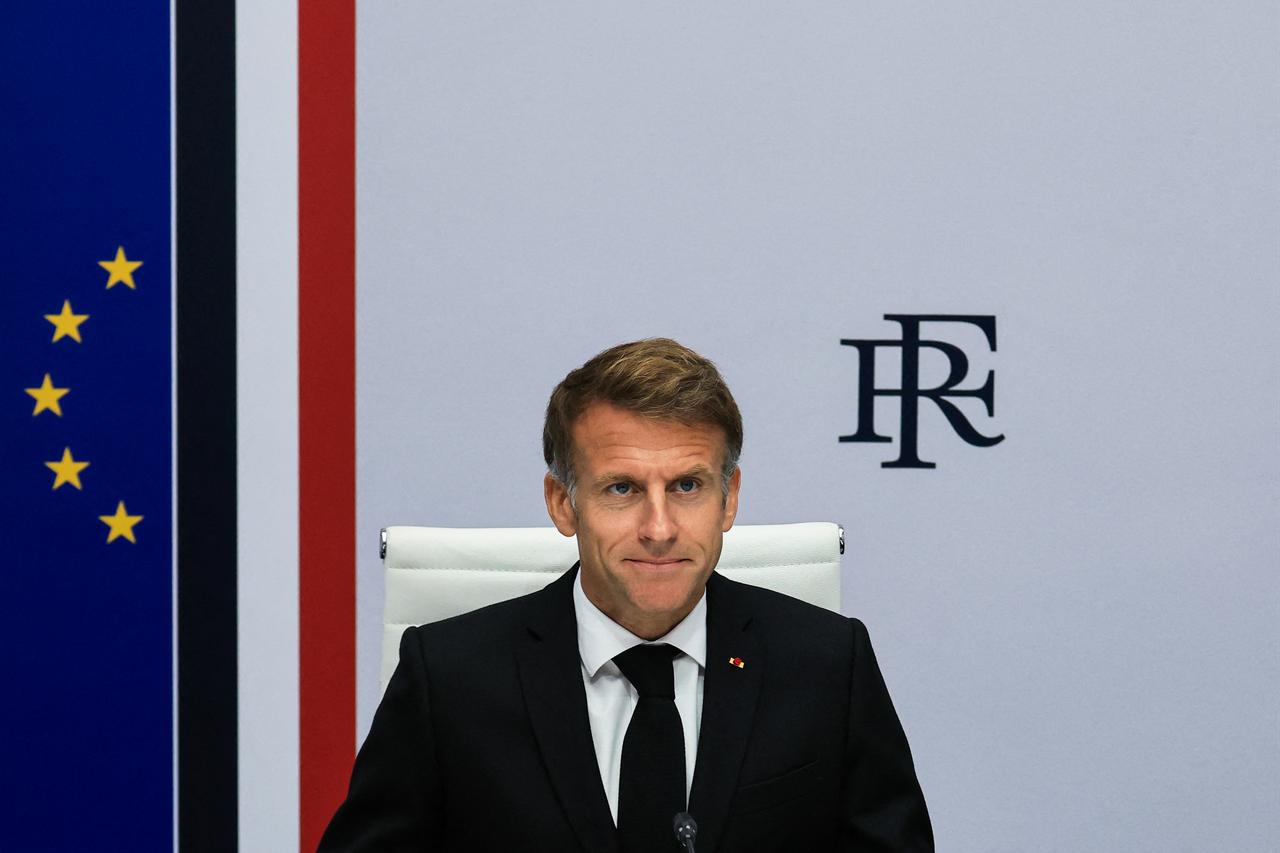

Macron on Sunday slammed the "unbridled" violence that erupted in cost-of-living demonstrations across the country, as police battled protesters and looters in new clashes in Paris.
In an address to the nation, Macron said local authorities would be able to ban, "if necessary,” certain rallies in coming days. But he stopped short of announcing drastic measures, such as a state of emergency or curfew.
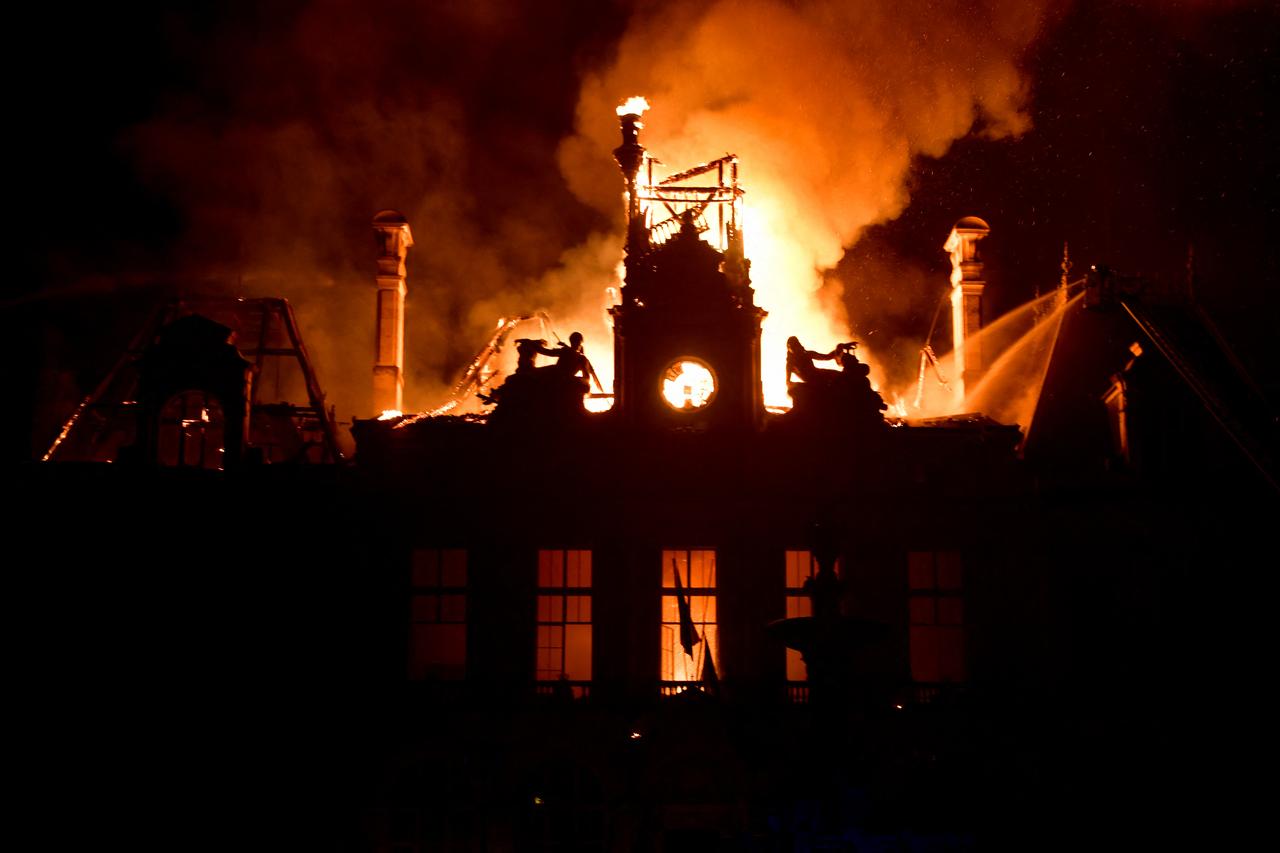
"Tonight, we all feel anger and shame," Macron said of the devastation brought by the protests that included town halls burned down and hundreds of businesses looted or damaged.
"Looking at these images, we all asked ourselves: what is going through their minds? How can French people do this to France?" said Macron, who insisted there must be a distinction between protesters with "legitimate demands" and "those who destroyed, smashed, and looted."
He vowed the authorities would be "uncompromising" towards the "agitators from ultra-left fringe groups, joined by numerous delinquents" who "unleashed unbridled violence in our cities".
Police fired tear gas and stun grenades on Sunday at hundreds of people who gathered in a Paris square after social media calls for a rally that authorities had not approved.
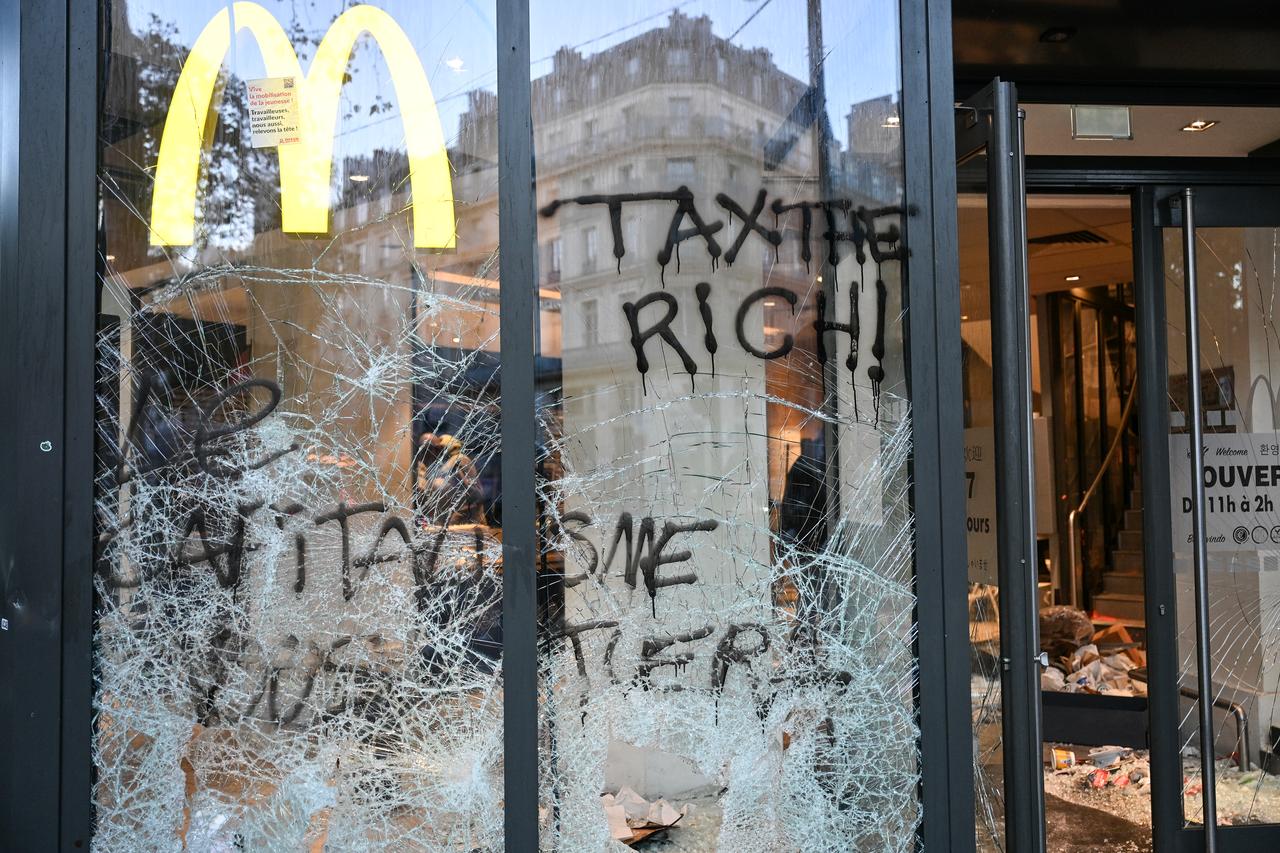
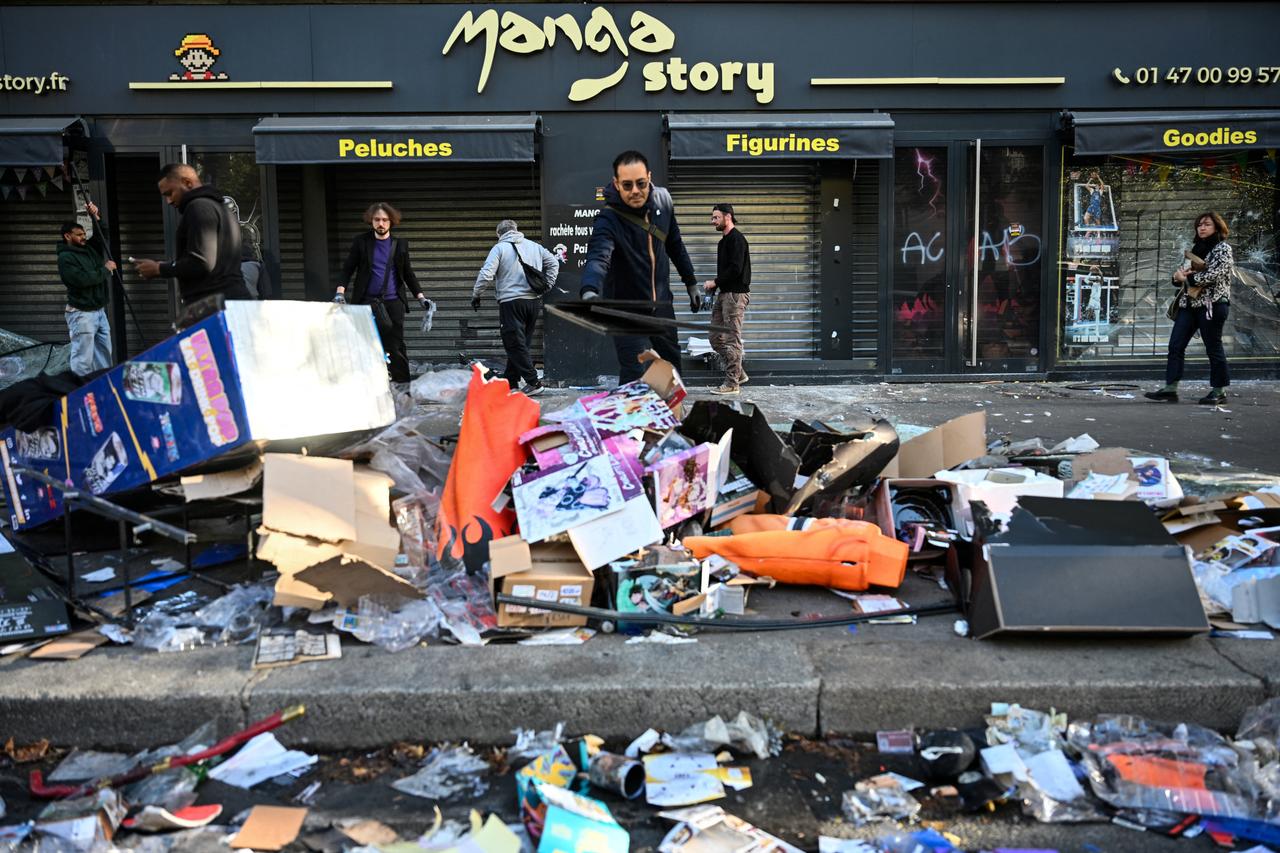
Demonstrators hurled bottles and rocks at police, and authorities said officers made 108 arrests across the city. Looters hit at least five stores around Republique square.
Vandals also smashed windows at other shops in central Paris, and city hall ordered many to shut. In southeastern Lyon, officers clashed with youths trying to loot a luxury clothing store.
The unrest erupted only months before the presidential election, in which centrist Macron cannot seek another term and far-right National Rally candidate Marine Le Pen polls strongly.
Le Pen said the turmoil exposed Macron’s administration as “running on fumes, exhausted and disoriented”.
Jean-Luc Melenchon, who leads the hard-left France Unbowed party and is also a presidential candidate, cautioned that the country could be heading toward “events that will eventually become uncontrollable.”
Calling for debates “with the parties, rather than in the streets with violence,” Macron said, “our country deserves a fine presidential election.”
On Saturday, unions, students who have marched for weeks and the anti-Macron Yellow Vests movement that shook the early years of his presidency joined forces to vent anger over living costs and prospects for young people.
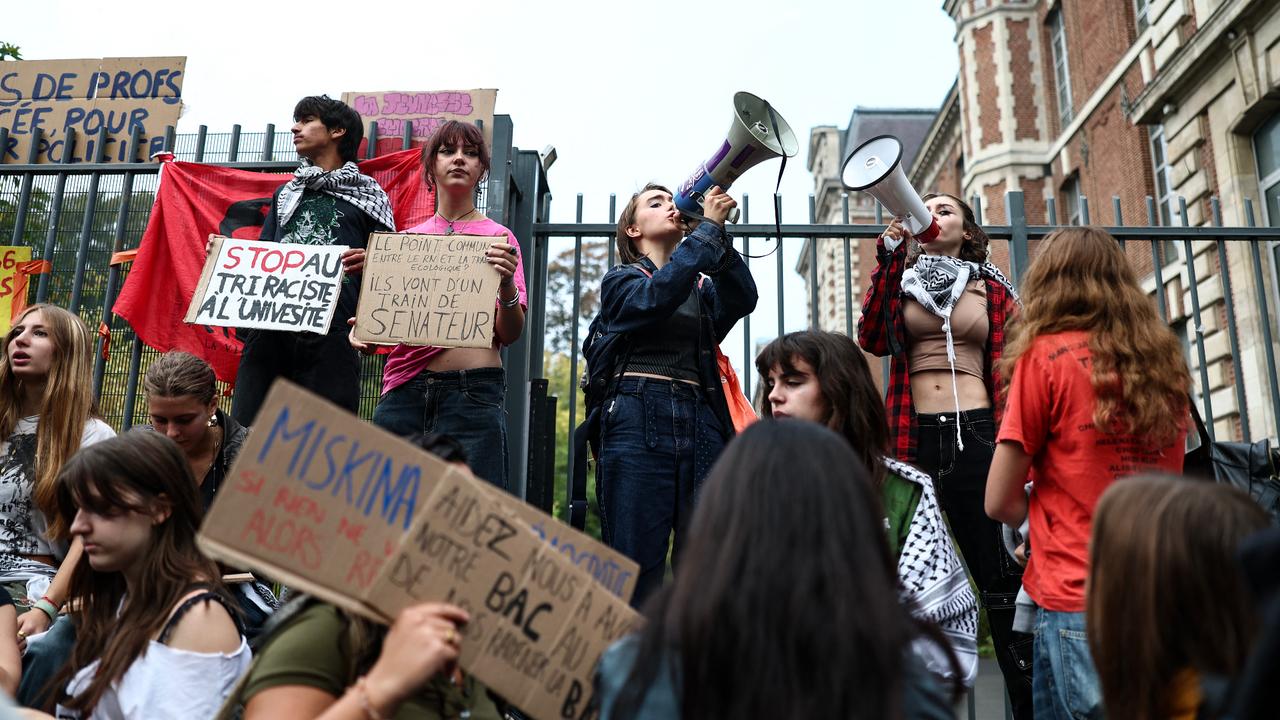
Protests began in September when students and teachers at a high school in the Parisian suburbs went on strike to demand additional staff and resources. Authorities met the demands and the strike ended, but the action inspired similar walkouts elsewhere in the country.
Students nationwide, frustrated with an understaffed and overcrowded education system, held demonstrations that sometimes turned violent.
Public anger grew over the police response, particularly after videos showed an officer using a banned headlock on a girl, and hundreds of thousands of people joined the protests.
Concerns over living costs, pushed higher partly by the Middle East conflict that is fueling inflation across Europe and beyond, merged with the movement and expanded it.
Authorities counted 550,000 people at the nationwide marches against higher living costs, a figure the CGT union raised to 800,000. Violence broke out on the sidelines of the rallies.


 Set as preferred source
 Set as preferred source


 1 min read
 1 min read