

 Newsletters


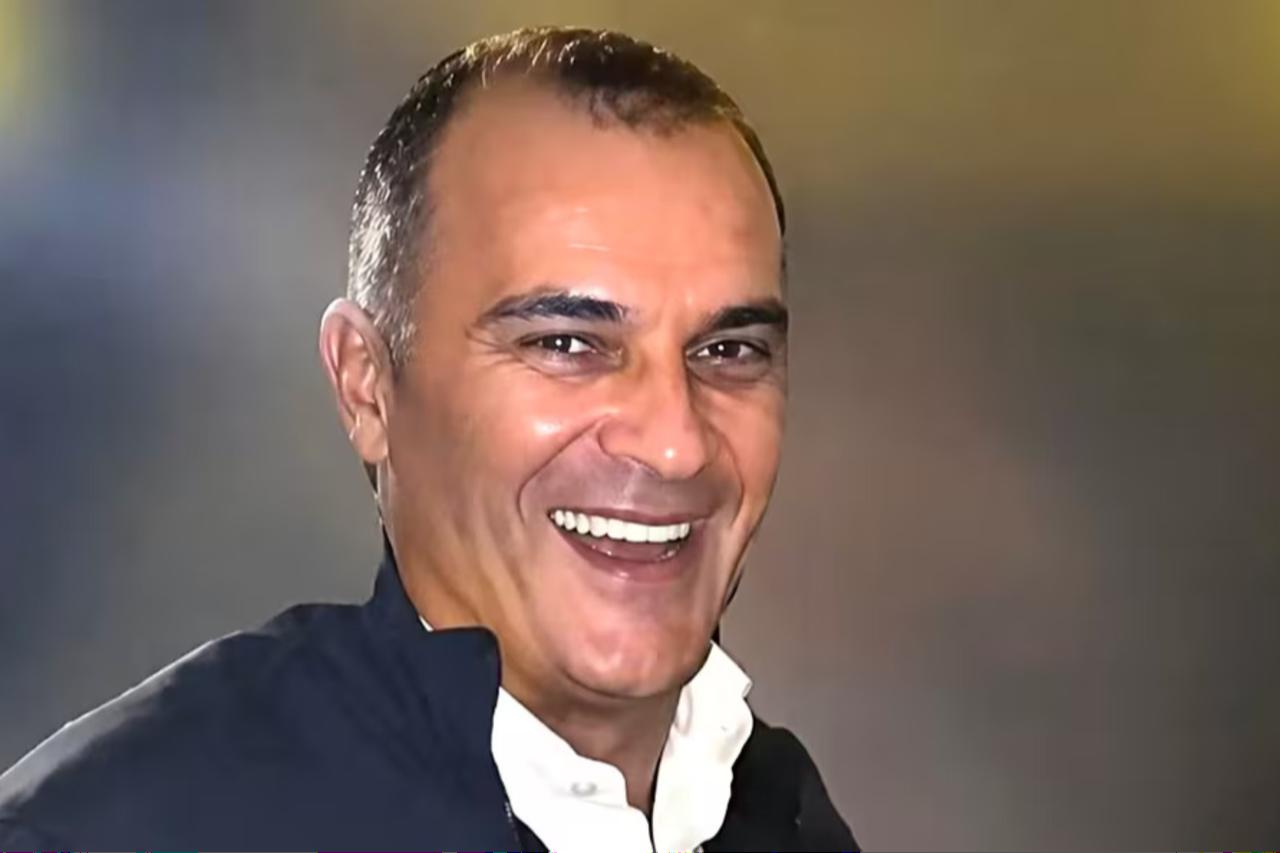


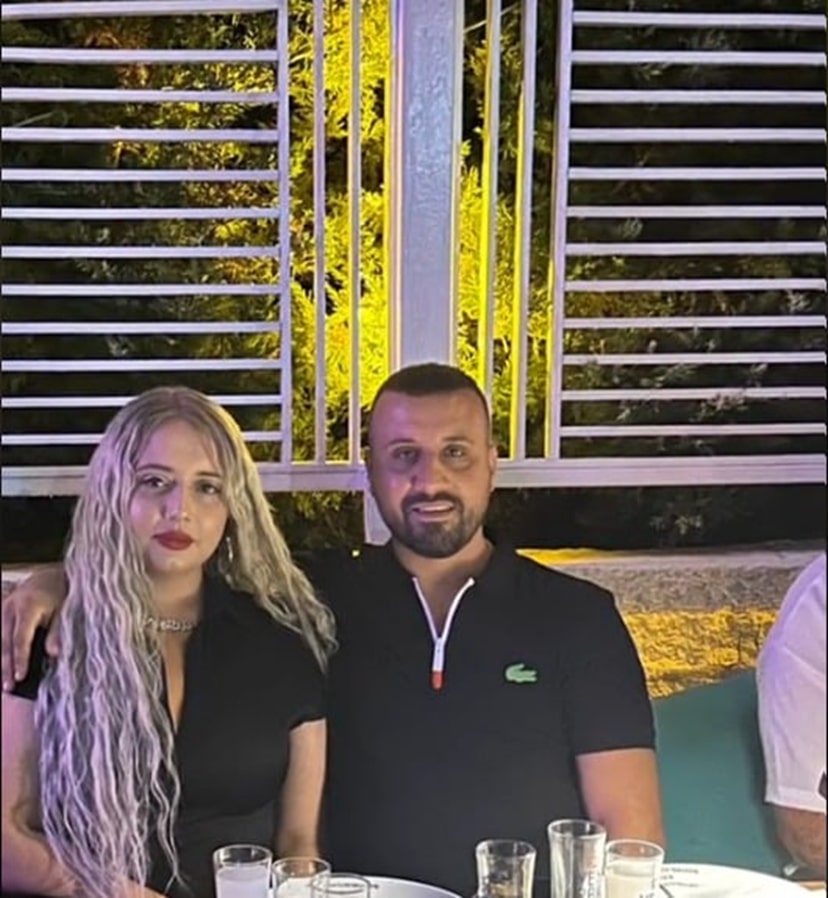
The killing of Serbian crime figure Aleksandar Nesovic has shaken Serbia after he was allegedly shot in a high-end Belgrade restaurant during a meeting arranged by the city’s police chief, with investigators later finding his body sealed in concrete inside an oil barrel.
Nesovic, 52, was reportedly killed on May 12, 2026, during a meeting with rival crime boss Sasa Vukovic at Restaurant 27, an upscale venue in Belgrade. The meeting had been organized by Veselin Milic, the police chief of the Serbian capital, who was also sitting at the table.
The gathering was meant to bring the two rivals together for reconciliation. Instead, Vukovic allegedly shot Nesovic twice in the stomach. According to Blick's report, Vukovic’s wife had brought the firearm to the restaurant shortly before the shooting.
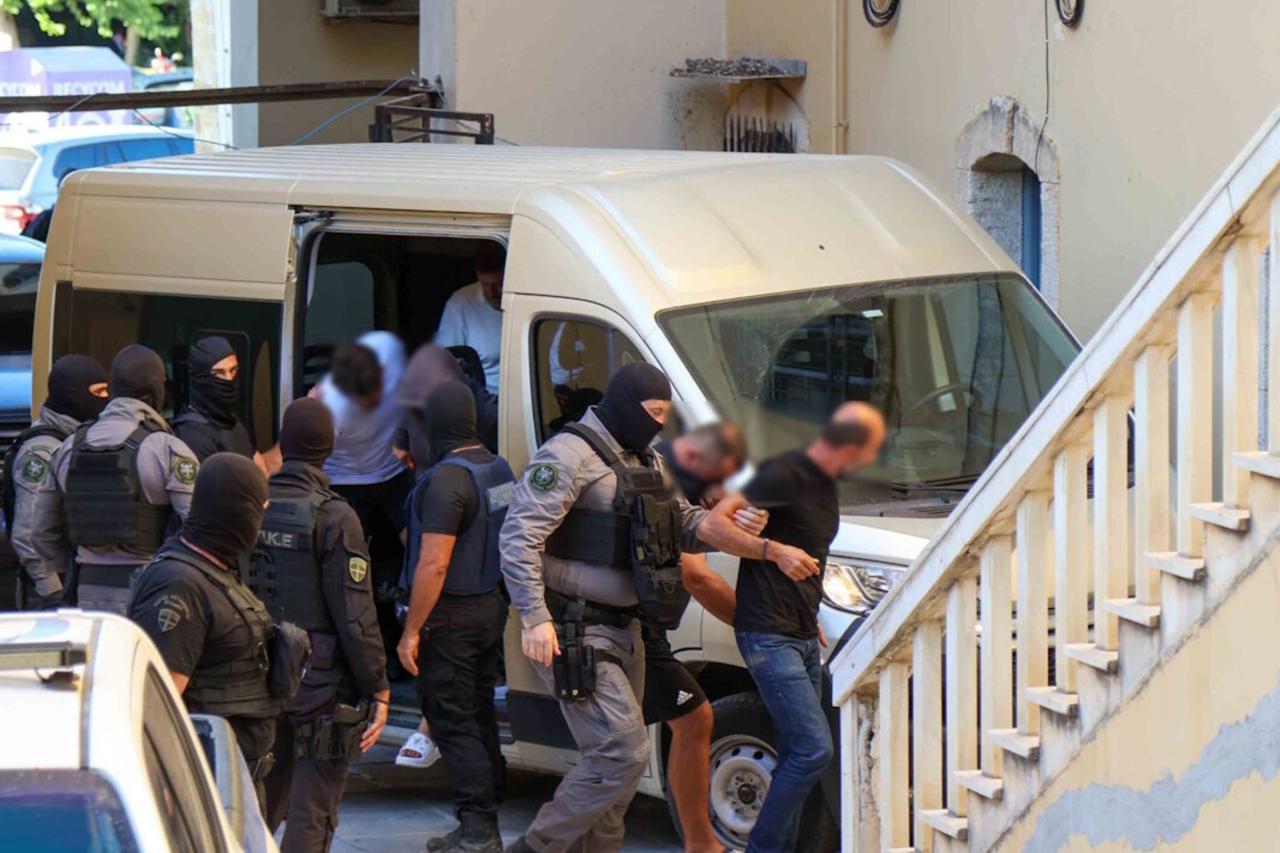
Nesovic was reported missing by his partner the following day, while rumors about the killing began to spread. Serbian authorities later carried out several arrests, including Milic, his bodyguards, Vukovic, Vukovic’s wife, the restaurant owner and a waiter accused of cleaning up blood traces inside the venue.
All of them remain in custody, while Milic has lost his position as Belgrade police chief.
The case has drawn wider attention because of the alleged role of law enforcement figures.
According to the report, Milic is accused not only of witnessing the incident but also of trying to hide it and instructing his bodyguards to help get rid of the body.
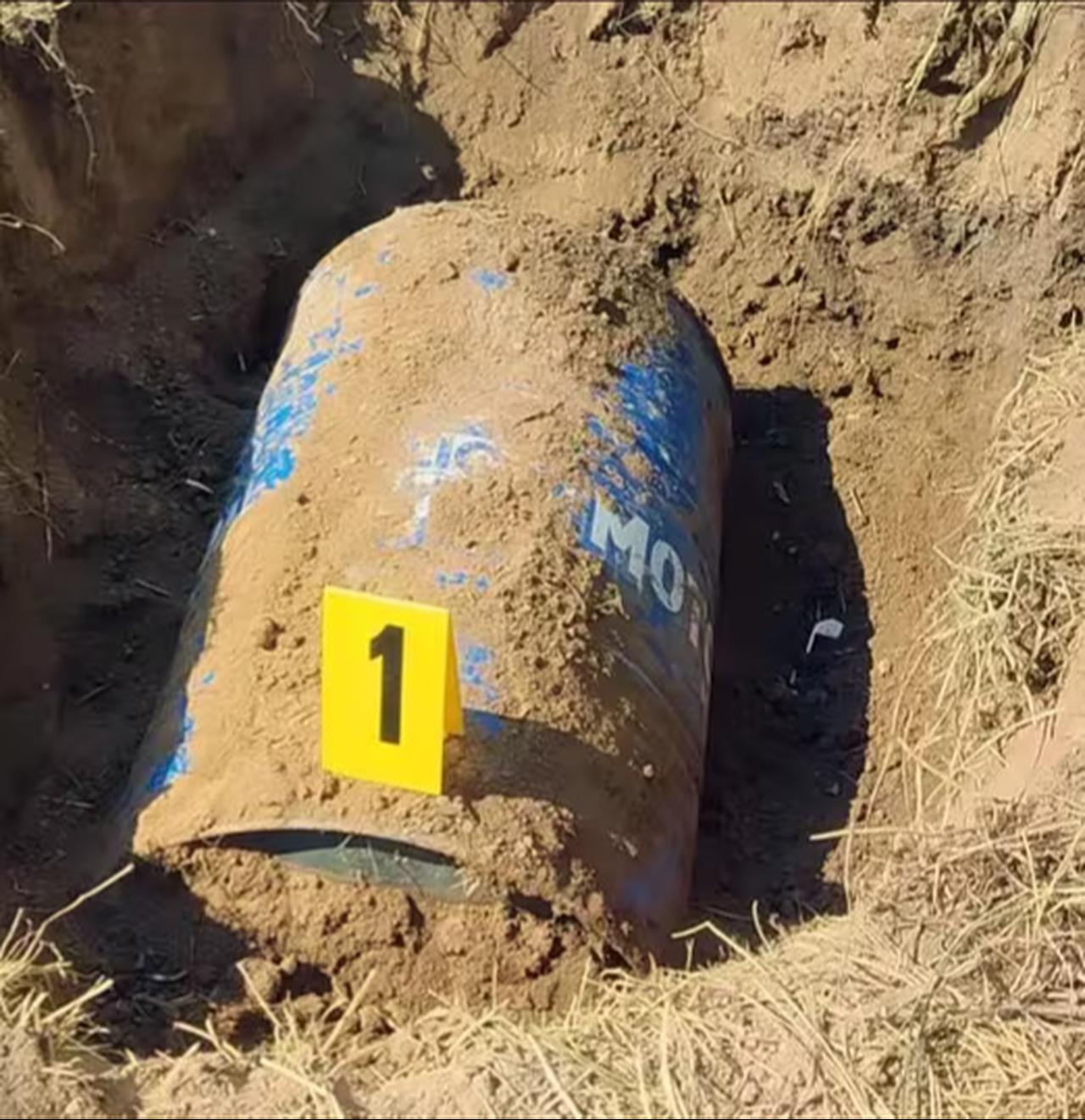

For several days, the investigation moved forward without a body. Nesovic’s remains were found on May 21, nine days after the shooting, sealed in concrete inside a motor oil barrel. The body had reportedly been set on fire before it was placed in the barrel.
A pair of boxer shorts found inside the barrel gave investigators an early clue, and a DNA test later confirmed the body was Nesovic’s.
Data from a fitness wristband reportedly showed that Nesovic survived for several hours after being shot. The detail raised questions over whether he might have lived if he had received medical help.
The case also took on a political dimension in Serbia. Psychology professor Oliver Toskovic told the critical news magazine Vreme that the public display of the barrel’s recovery appeared to shift attention toward the brutality of the crime rather than the responsibility of institutions.
“This is an attempt to draw public attention to the brutality of the crime instead of the responsibility of institutions,” Toskovic said.
He added that the main issue was not only the nature of the killing, but the alleged involvement of senior officials. “The real news is that the police chief was present and covered up the incident for days, that corruption at the highest level was involved and not how monstrous this crime itself is,” he said.
 2 min read
Nesovic’s name had appeared in the media long before his death. In March 2000, when he was 26, he was placed in pretrial detention in Zurich, Switzerland, over drug trafficking allegations.
His detention ended dramatically about six months later. On Oct. 5, 2000, Nesovic was taken from Meilen prison to the Dental Institute of the University of Zurich after complaining of tooth pain. While two police officers escorted him, a masked armed man confronted them and ordered them to lie on the floor.
“The two police officers had to obey the armed man,” a Zurich cantonal police spokesperson said at the time.
Nesovic, who was restrained with handcuffs and foot chains, escaped with the armed accomplice in a waiting Mercedes. Two other helpers were reportedly inside the vehicle, which had been stolen in Zurich the day before.
Swiss prosecutors later said that, based on available information, Nesovic was not arrested again.
Nesovic also had a personal connection to Switzerland through a goddaughter in Zurich. A fashion influencer with 85,000 Instagram followers publicly mourned him after his death, describing him as someone who had been “like a father” to her.
“You left in a way no human being deserves,” she wrote in a post that received nearly 5,000 likes. After being contacted by Blick, she did not respond and later deleted the post.
Nesovic was buried in Belgrade on Friday, bringing an end to a case that continues to raise questions in Serbia over organized crime, policing and alleged corruption.


 Set as preferred source
 Set as preferred source


 1 min read


