Newsletters





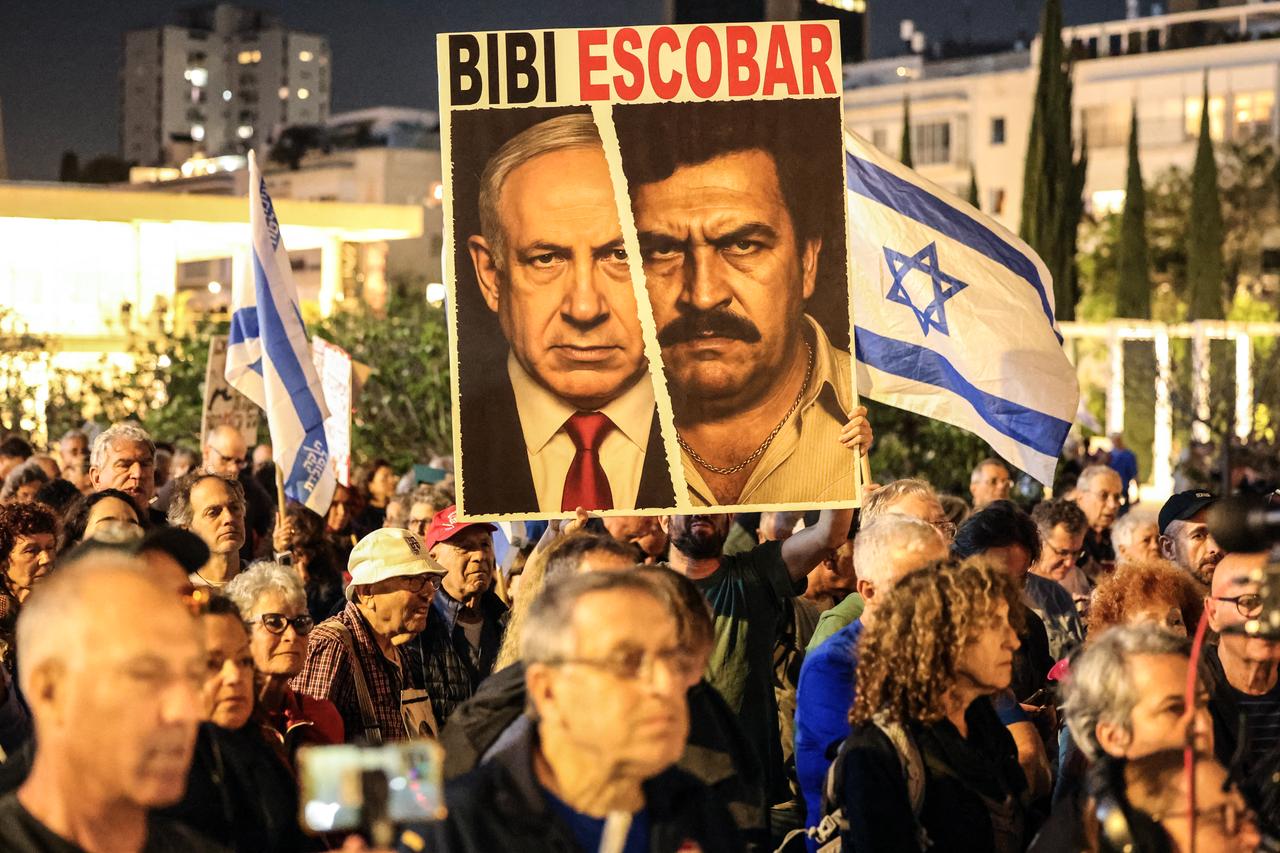
More than half of Israelis want Prime Minister Benjamin Netanyahu to retire from politics rather than run in the next Knesset elections, according to a poll published Friday by Israeli media outlet Maariv.
According to the survey, 55% of respondents said they do not want Netanyahu to run again and would prefer that he leave political life altogether.
By comparison, 38% said they want Netanyahu to lead the Likud Party into the next elections, while 7% said they were undecided.
The poll also indicated growing weakness within Netanyahu’s ruling coalition, which reportedly fell to 49 seats, while opposition parties strengthened their position toward a parliamentary majority.
General elections in Israel are currently scheduled for October.

Meanwhile, Israeli opposition leader Avigdor Lieberman warned Thursday that Netanyahu could launch military action for political and electoral reasons amid growing speculation about possible early elections and the dissolution of the Knesset.
Speaking during a visit to the Be’eri settlement near Gaza, Lieberman said he would support military operations if genuinely necessary but warned against using war for political purposes.
“It concerns our soldiers. If a military action is taken, it should be solely for the purpose of making a decision,” Lieberman said.
“It is unacceptable to take military action for the purpose of holding elections,” he added.
Lieberman, a former defense minister and leader of the Yisrael Beytenu party, did not specify what type of military action he was referring to or where such an operation could take place.
His remarks followed repeated statements by Netanyahu promising to “change the face of the Middle East” and turn Israel into a regional “superpower.”
 1 min read
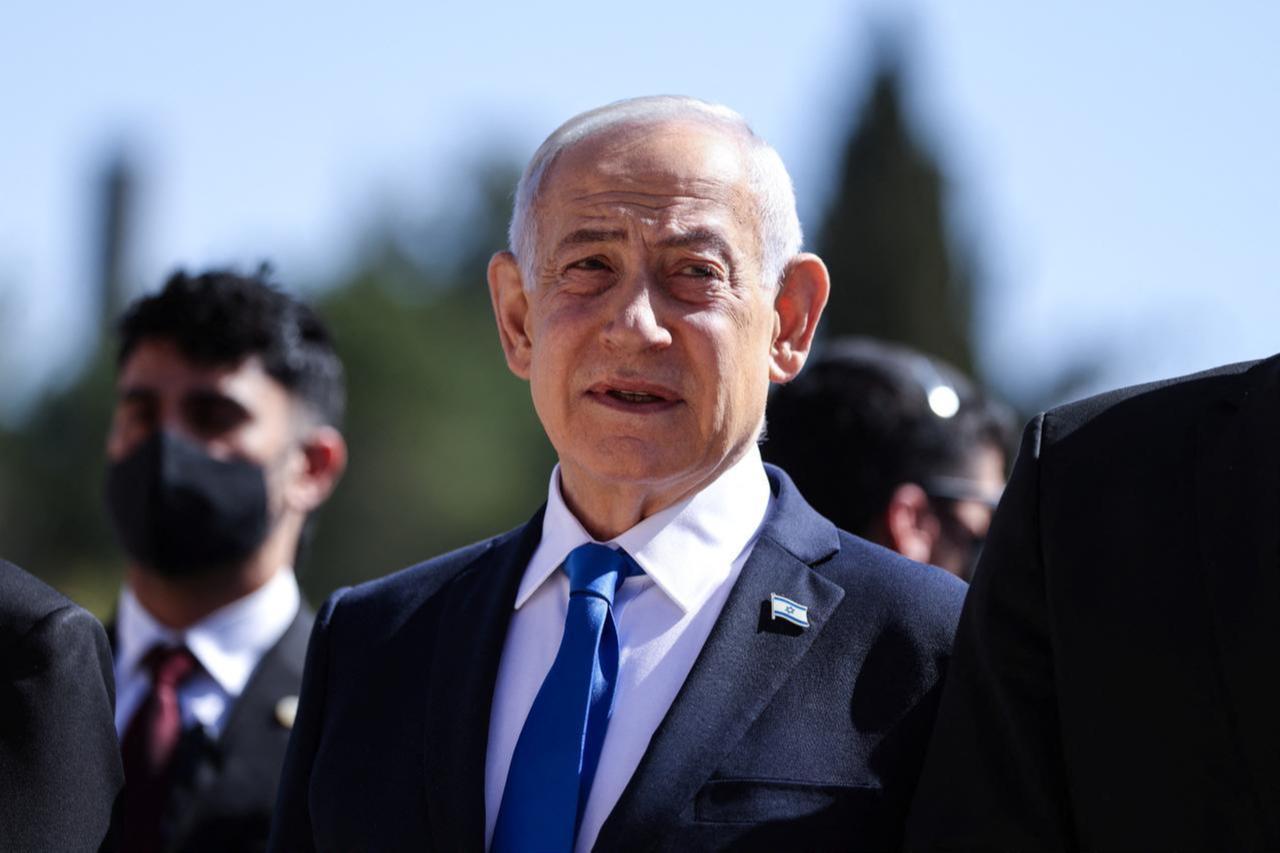
The tensions come as Israel’s ruling coalition faces mounting pressure over the issue of ultra-Orthodox, or Haredi, military conscription.
On Wednesday evening, coalition lawmakers submitted a bill to dissolve the Knesset amid disputes surrounding mandatory military service for Haredi communities.
The move was widely interpreted as an attempt by the coalition to preempt a similar initiative by opposition parties seeking to trigger early elections.


 Set as preferred source
 Set as preferred source



 1 min read