Newsletters


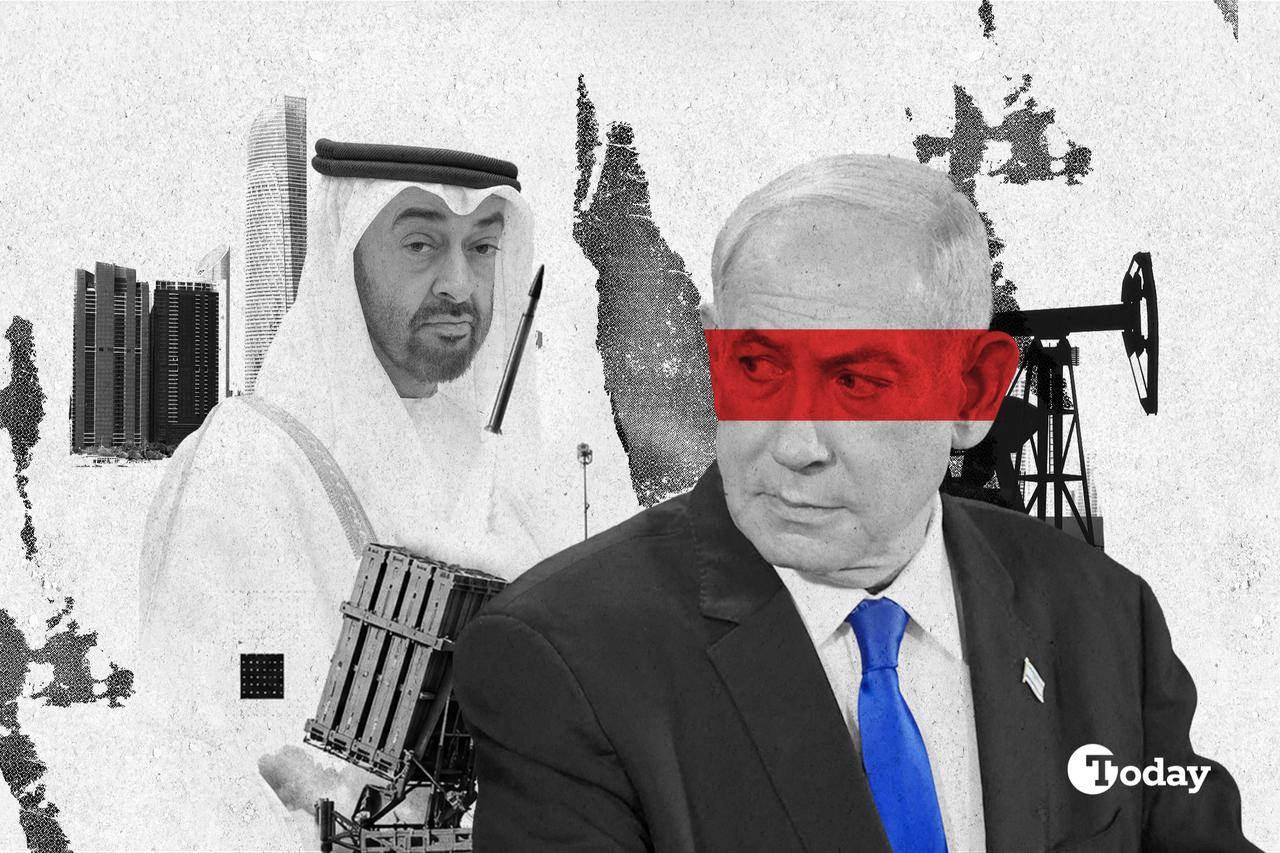


Reports first surfaced of the UAE’s decision to exit OPEC, followed by disclosures that Israel had supplied the Emirates with the Iron Dome system—complete with operational staff and interceptors—and topped off by claims of a secret visit to the UAE by Israeli Prime Minister Benjamin Netanyahu.
Taken together, these developments point to a different regional vision in which the UAE is concretely shaping its future in a post-American Middle East, signaling an increasingly visible divergence from Saudi Arabia, the long-standing leader of the Gulf countries, a divergence whose signs had already been apparent for some time.
On Feb. 28, in response to the war waged by the United States and Israel against Iran, Iran targeted American bases, energy facilities, airports, and hotels in the Gulf countries.
The countries most affected by these attacks were primarily the UAE and Bahrain. The UAE became the country in the region most heavily targeted by Iran, facing 550 ballistic missiles and 2,200 drone strikes. Moreover, it was reportedly targeted even after the ceasefire.
The regional integration vision put forward during President Donald Trump’s first term, intended to prepare for a gradual American withdrawal from the Middle East, aimed to construct a regional order. Under this framework, Israel would normalize relations with its neighbors, balance Iran together with its Arab partners, and ensure its security based on Israeli military superiority.
The Abraham Accords of 2020 emerged from this perspective. By reinforcing Gulf–Israel rapprochement through shared opposition to Iran, the plan envisioned integrating the Gulf states into an Israeli-dominated security architecture.
The weakening of the Iran-led Axis across the region, the overthrow of the regime in Syria, America’s support for Israel’s war in Gaza, and its tolerance of the occupation and destruction in Lebanon were all reflections of this broader regional vision.
Therefore, it is no coincidence that the UAE and Bahrain—the only Gulf signatories of the Abraham Accords—became the Gulf countries most heavily targeted, especially the UAE, which has continued to expand its relations with Israel.

The divergence between Saudi Arabia and the UAE first became visible with the Abraham Accords. From the outset, Saudi Arabia tied normalization with Israel to guarantees of a path toward Palestinian statehood.
In order not to provoke its broadly anti-Israel population, Saudi Arabia managed its relations with Israel indirectly through U.S.-led frameworks of cooperation.
The UAE and Saudi Arabia both participated—formally and informally—in the U.S.-led Middle East Air Defense Alliance (MEAD) during Iran’s major attack waves, specifically the April 2024 retaliation and the October 2024 strike against Israel, contributing to the broader coordination efforts that helped protect Israeli targets.
The UAE remained integrated within the U.S.-led regional air and missile defense architecture throughout April 2024, October 2024, and the wider 2025–2026 escalation, contributing to shared radar coverage and real-time operational coordination across the network.
Saudi Arabia, by contrast, played a more episodic role. During the April 2024 attack, it opened its airspace, shared radar data, and contributed aircraft and missile assets to coalition defenses.
However, during the October 2024 strike, it avoided overt military involvement due to escalation risks, maintaining only indirect intelligence and radar support within the system.
Saudi Arabia’s more cautious posture in October 2024 can also be explained by Israel’s disproportionate destruction and mass-casualty policies in Gaza.
Meanwhile, in the background, the UAE–Saudi divide deepened as the two countries adopted different positions in regional crises and conflicts. While Saudi Arabia supports central authorities and internationally recognized governments in regional crises, the UAE supported sub-state actors and armed groups fighting central governments, in some cases even with separatist agendas.
Saudi Arabia supported regional stability and unity, whereas the UAE has supported fragmentation and instability in regional crises.
In Yemen, while Saudi Arabia and the UAE began as coalition partners in 2015, today Saudi Arabia supports the internationally recognized government and the country's territorial integrity, whereas the UAE backs the Southern Transitional Council, a separatist movement seeking independence in southern Yemen.
In Sudan, although it denies doing so, the UAE is reportedly supporting the Rapid Support Forces in their power struggle against the Sudanese Armed Forces.
Saudi Arabia, together with the United States, mediated the 2023 Jeddah Talks and supports the Sudanese Armed Forces. Saudi officials fear that instability or the collapse of state authority in either country could pose serious risks to the Kingdom’s national security.
In Libya, the United Arab Emirates previously assumed a more active military role, strongly backing Khalifa Haftar’s forces with drones and operational support, while Saudi Arabia officially supported Libyan unity and UN-led political processes.
Although Israel has not openly taken sides in Yemen, Sudan, or Libya, the Somalia–Somaliland divide revealed clearer regional camps.
In the Somalia–Somaliland case, Saudi Arabia strongly defends Somalia’s territorial integrity through its diplomatic and military support for Mogadishu, viewing it as crucial for security in the Red Sea and the Gulf of Aden, and opposing Somaliland’s independence.
The UAE, while officially supporting Somalia’s sovereignty, has maintained deep economic ties with Somaliland, thereby reinforcing its de facto autonomy. Israel’s recognition of Somaliland in 2025, combined with the UAE’s growing presence in the region, threatens both Riyadh’s interests and regional stability.
Cooperation between the UAE and Israel began to deepen in 2022 after Houthi attacks originating from Yemen prompted Israel to supply the UAE with advanced air defense systems, including Rafael Advanced Defense Systems’ SPYDER mobile interceptors and Barak systems. An Israeli–Emirati free trade agreement also entered into force in 2023.
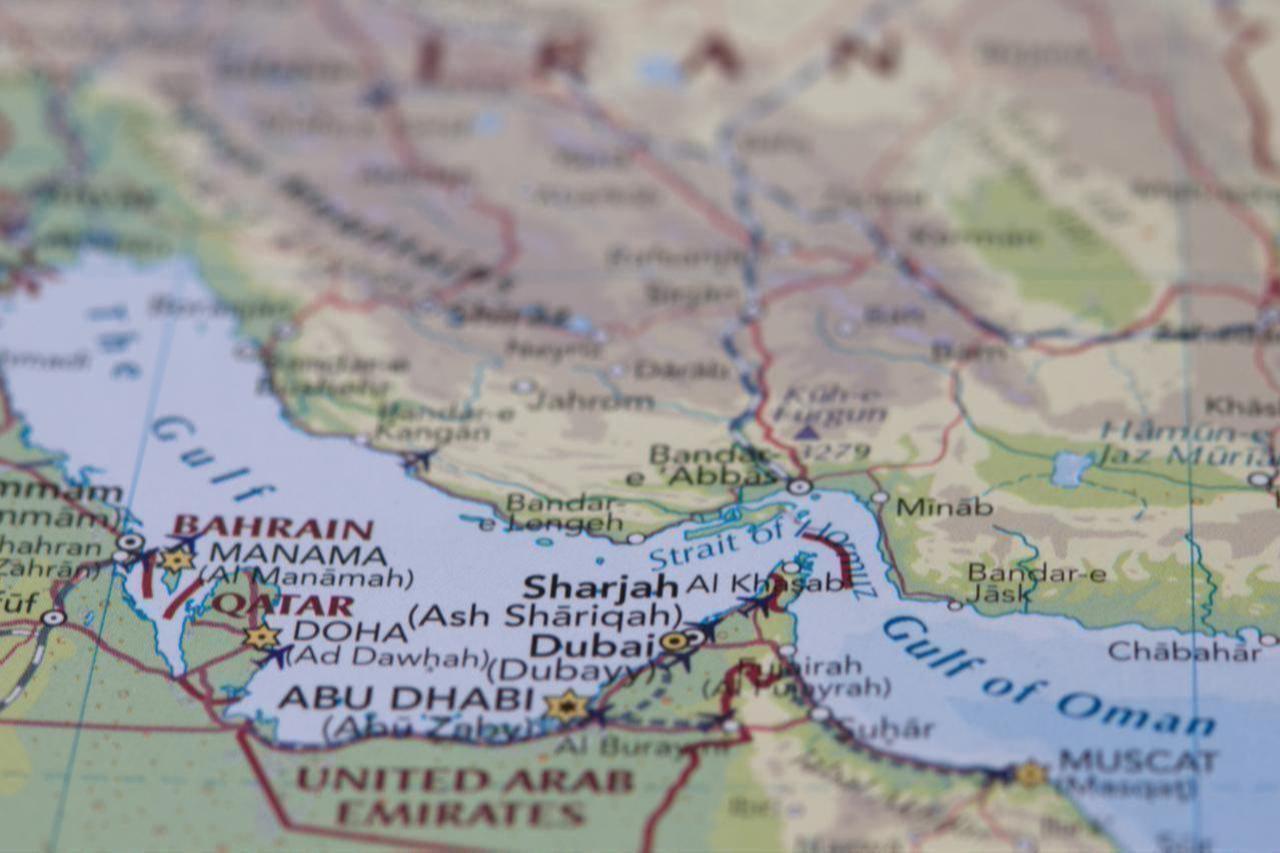
The US–Israel war against Iran further intensified the Saudi–UAE divide while accelerating UAE–Israel rapprochement. In response to Iran’s attacks, Saudi Arabia refrained from retaliating and instead praised a policy focused on strengthening defense capabilities, whereas the UAE described the Gulf states’ response as weak and indicated its willingness to participate in US-led military efforts to secure the Strait of Hormuz.
These differing positions became visible through an indirect exchange of public criticisms by two figures close to the leaderships of the respective countries. First, UAE presidential adviser Anwar Gargash criticized the Gulf allies’ response to Iran’s retaliatory attacks as inadequate, describing the Gulf’s stance as “the weakest position in history.”
Later, Prince Turki Al-Faisal—an influential voice in Saudi Arabia, former director-general of intelligence, and former ambassador to the United States—published an op-ed praising Saudi Arabia’s restrained policies while praising the Gulf states for resisting Israeli efforts to draw them into war with Iran.
While the UAE envisions a future in which Israel’s influence in the Gulf increases as a counterweight to Iran, Saudi Arabia does not want the region to be shaped by the dominance of either Iran or Israel.
The UAE’s decision to withdraw from the Saudi-dominated OPEC framework and the wider OPEC+ alliance became the latest evidence of the country’s differing vision for the future of the region and its desire to act more autonomously from Saudi Arabia.
Another move by the UAE, which also sought to leverage Israel’s influence over U.S. decision-makers to secure greater influence with American policymakers, was the deepening of its strategic military cooperation with Israel.
The UAE acquired Israeli defense technologies, including the Iron Dome system, along with interceptors and personnel to operate the system during the early stages of the war with Iran, marking the first time Israel had provided troops to an Arab country.
 1 min read
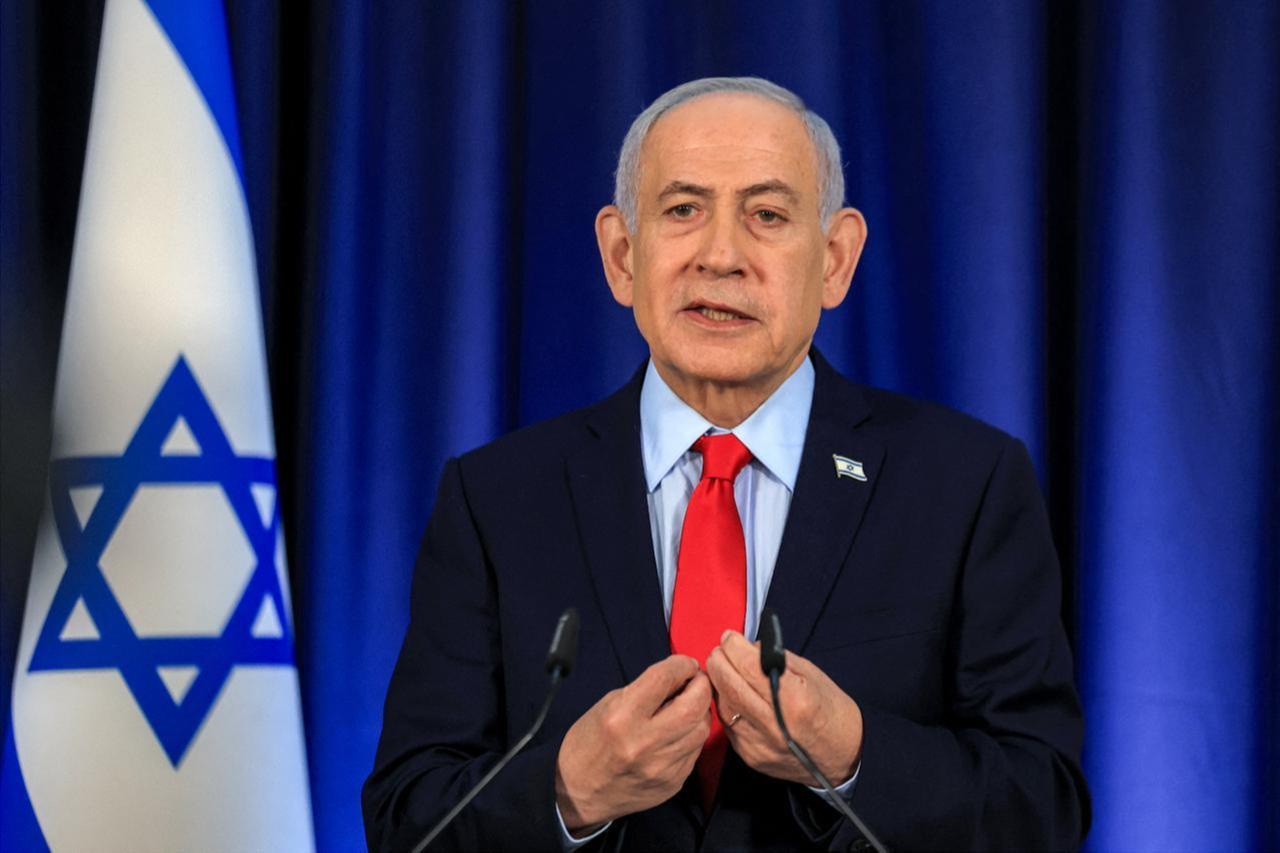
Israel–UAE military cooperation should be understood as a reflection of the power blocs emerging in the region after the Iran war. While all Gulf countries agree that Iran constitutes the greatest threat to Gulf security, their approaches diverge regarding the threat posed by Israel.
Israel’s ambition to become the dominant power in the region is not supported by many Gulf states. For many of them, Israel represents as much of a threat as Iran.
The Iran war demonstrated how Israel, acting in pursuit of its own interests and with the backing of the United States, could directly endanger Gulf security.
In particular, Israel’s strike on Qatar during the Hamas negotiations showed there appeared to be few effective constraints—including from the United States—on Israel’s willingness to attack targets it viewed as serving its interests.
Faced with this new reality, the UAE has chosen to move closer to Israel and deepen relations with it, whereas Saudi Arabia has opted to diversify its defense partnerships and strategic relationships.
Within the emerging security architecture of the Middle East, one camp is centered on the Israel–UAE axis, potentially including Bahrain and possibly Kuwait among the states willing to accept Israel as a security partner.
On the other side stands a Saudi Arabia–Pakistan defense alignment, around which countries such as Türkiye, Egypt, Qatar, and Oman—sharing similar approaches on many regional issues—are increasingly positioned.
These alignments can also be interpreted as a divide between states supporting fragmentation and instability in the region on one side, and those supporting regional stability and strong central states on the other.


 Set as preferred source
 Set as preferred source


 1 min read