Newsletters


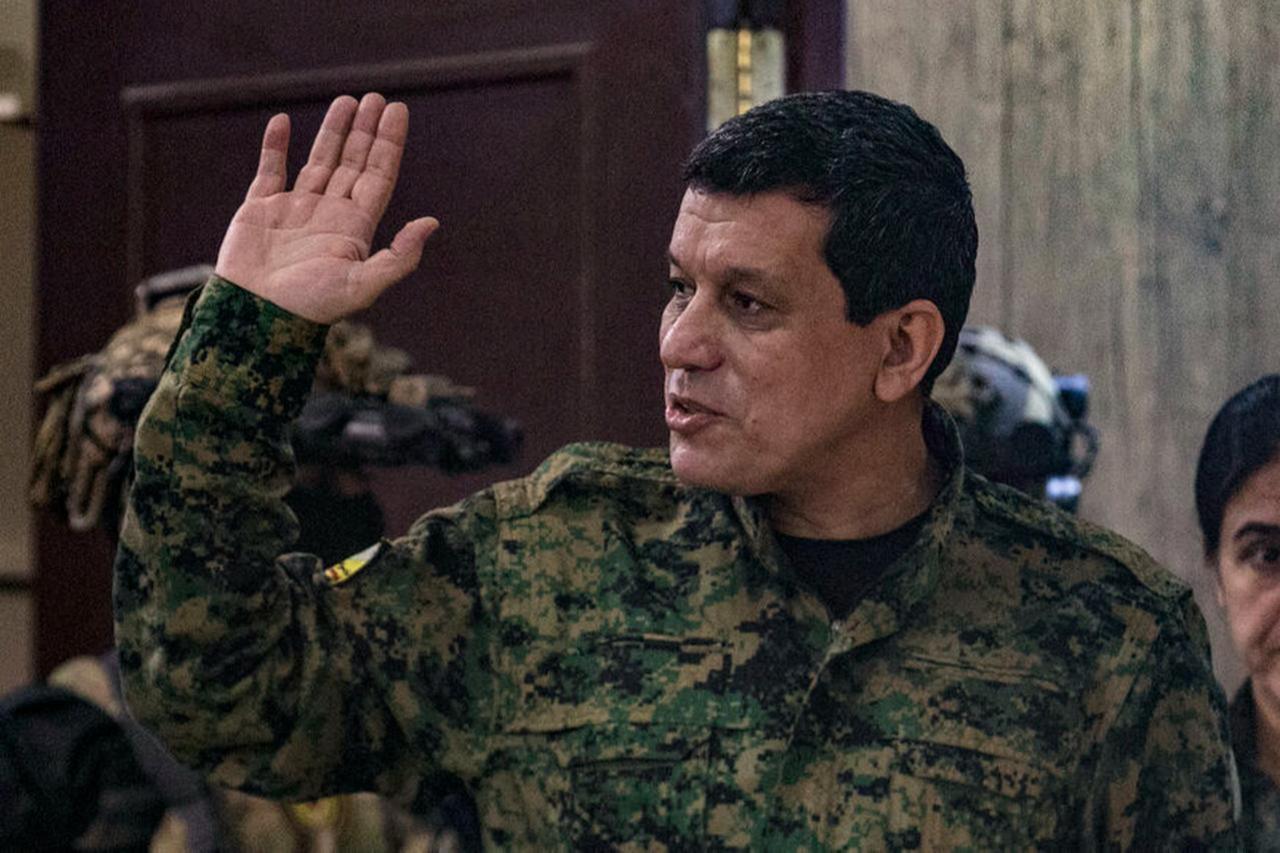


SDF ringleader Mazloum Abdi was targeted in an assassination attempt by the team of Fehman Huseyin, code-named "Bahoz Erdal," one of the senior figures of the PKK terrorist organization, about a year ago, Turkish columnist Hande Firat reported in Hurriyet on Thursday.
Firat's column, titled "The Dangerous Plan Extending From Sweida to Aleppo ... What Is Happening in Syria," provided behind-the-scenes details of developments in Syria, revealing the internal power struggle within the SDF between those favoring reconciliation and those backed by Israel seeking to continue armed struggle.
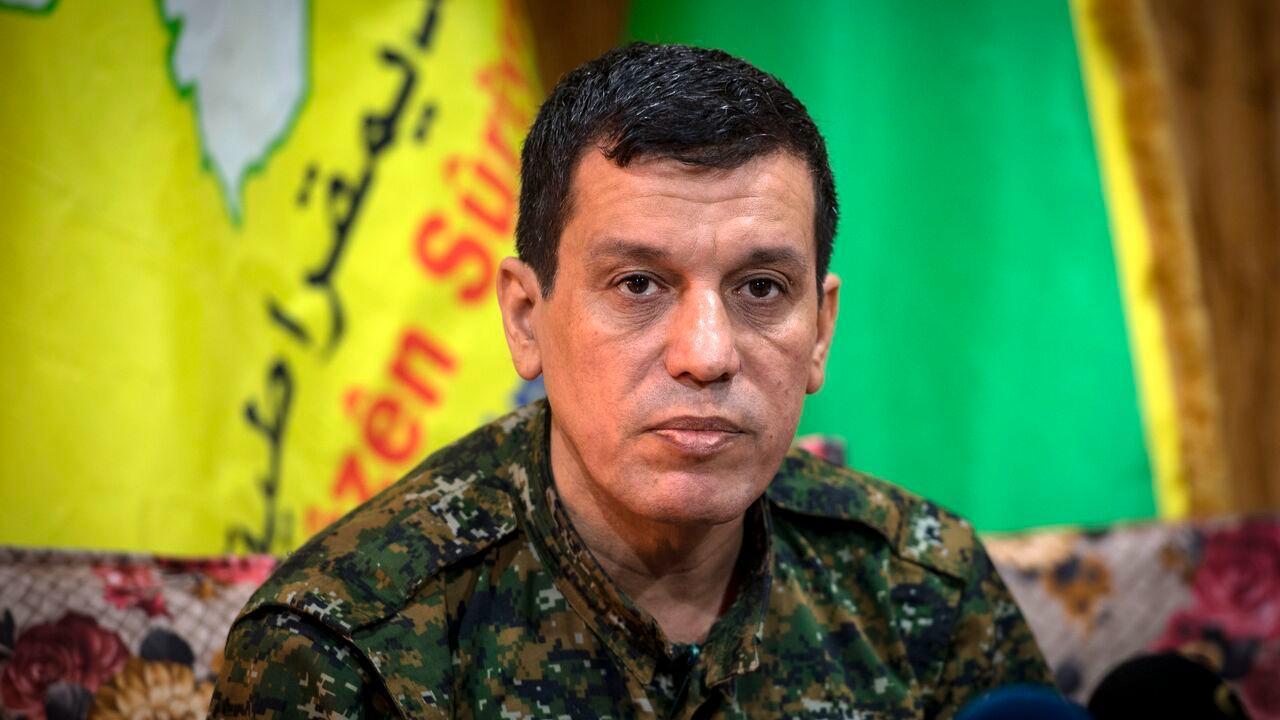

Firat reported that although the deadline in the March 10 Agreement between the Syrian government and the SDF had expired, it was decided to continue negotiations.
A meeting was held on Jan. 4. The meeting in Damascus was not an ordinary contact. At the table were Mazloum Abdi and two senior SDF members, facing them were Syria's foreign minister, defense minister and intelligence chiefs. "This showed how seriously Damascus was taking the issue," according to the Turkish columnist.
"In this reconciliation effort, which also had Ankara's support, the SDF delegation sat at the table with maximalist demands. They requested the preservation of the armed structure, autonomous security mechanisms within cities, continuation of de facto control, and even cadre positions in the command echelon," she reported.
The Turkish columnist wrote that Abdi was known to be in favor of reconciliation, but the armed wing led by Huseyin, which had Israeli support behind it, wanted to drag out the process and even continue the armed struggle.
"A piece of information I obtained from local sources revealed more clearly the extent of the conflict. According to this, Mazloum Abdi was targeted in an assassination attempt by Fehman Huseyin's team about a year ago," Firat wrote.
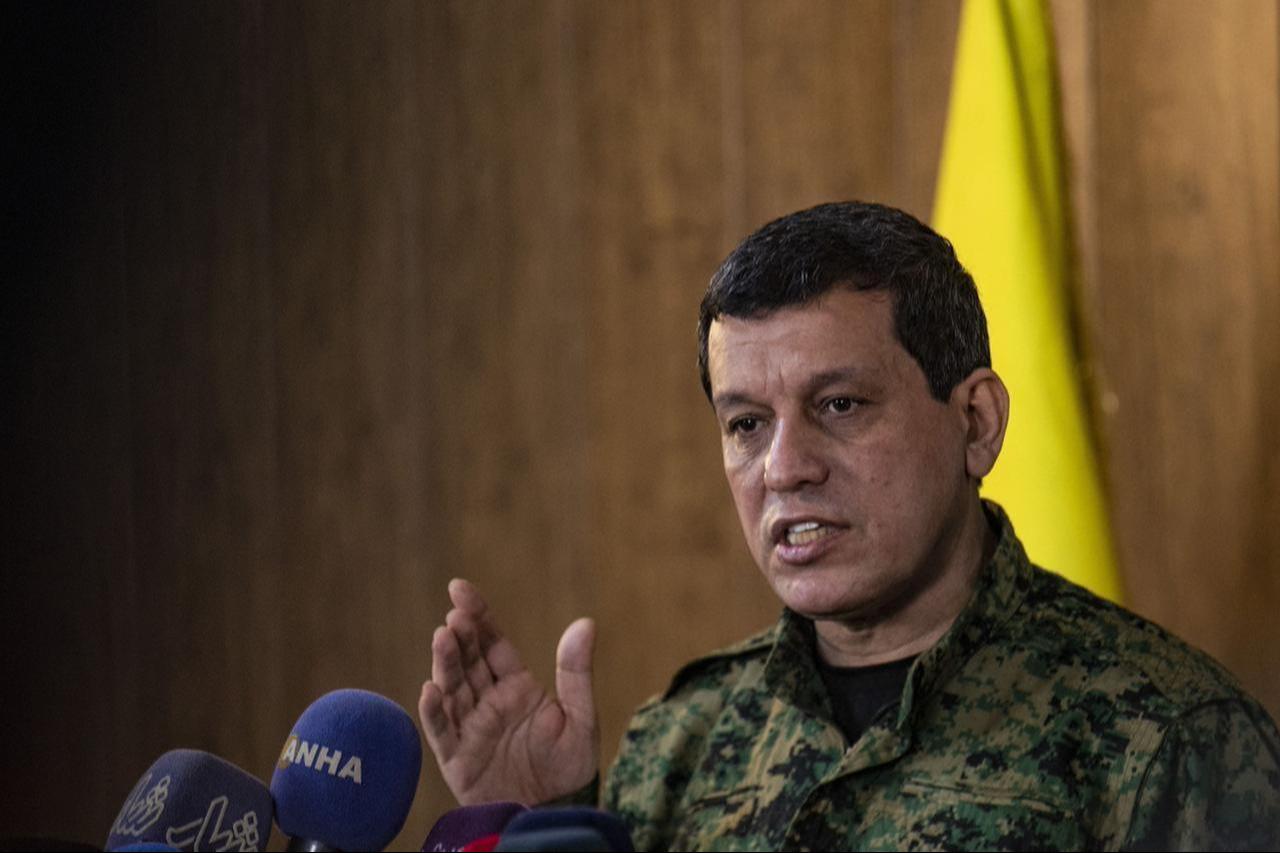
Firat reported that the Syrian government's demand as a first step was clear: "Sheikh Maqsoud and Ashrafieh would be evacuated."
"This demand was conveyed to the SDF many times. However, instead of evacuating these two areas, the SDF chose to fortify, mass militants and equip them with ammunition," she added.
"From Damascus' perspective, both time and patience had run out. In a sense, the SDF had more than exhausted the credit extended to it. Just one day before the critical talks between Damascus and the SDF on Jan. 4, they attacked Syrian security forces and even carried out an attack on the airport with a kamikaze drone, Syria took action," Firat noted.
Firat summarized the SDF's reasons for dragging out the process under two headings: "The SDF, trusting Israel, is calculating based on the possibility that the Damascus administration may not remain in power. It is waiting for what outcome will emerge from the Israel-Syria talks."
Firat reported that U.S. President Donald Trump's instructions to his team in the Syria field were clear: "Preserving Syria's integrity, guaranteeing Türkiye's security."
"Not only that, Trump repeatedly warned (Benjamin) Netanyahu not to cause problems," she added, noting that, "At this point, after the SDF's credit was exhausted, the developments were explained to the U.S. by Syria. The U.S. gave the message, 'You are right."
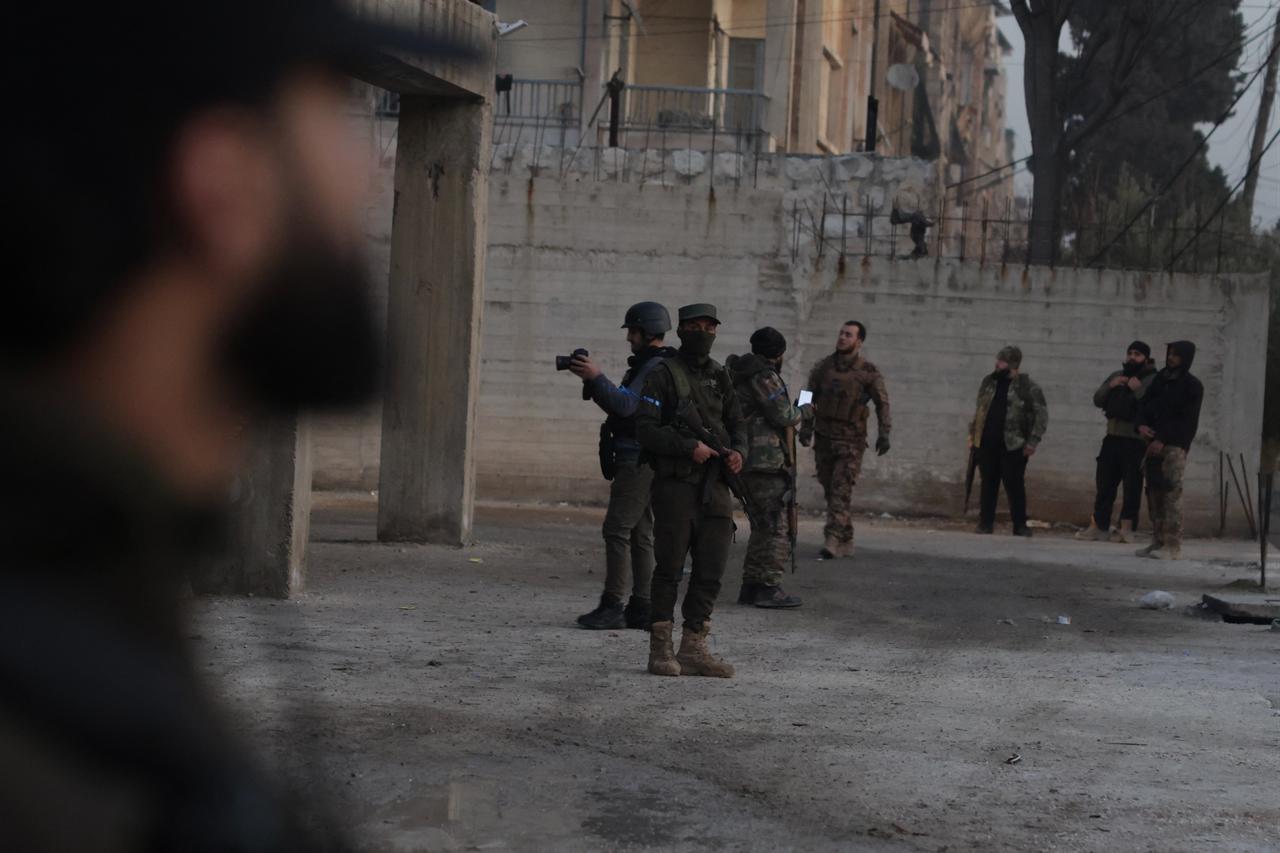
"If the SDF tries to spread its attacks, the Syrian army is also preparing to respond in every field," the Turkish columnist wrote.
Firat also reported that Ankara is monitoring developments in Syria moment by moment. Syria's stability is closely related to Türkiye's security, saying, "Military measures have been taken against all possible scenarios."
The Turkish columnist finally wrote that Israel knows: "If a Druze autonomous region is established in Sweida, the SDF will put the same card on the table in the north.", adding, "In other words: 'If it happened in the south, why not in the north?'"
"This is a plan to separate Syria from being a central state, from the understanding of single sovereignty, from territorial integrity," Firat wrote.
Firat reported that Syria and Israel sat at the table once again in Paris on Jan. 6.
In the Syria-Israel contacts in Paris, Israel's attitude was again dangerous and maximalist: "I will not leave the territories I have occupied." "I want an autonomous region for the Druze in Sweida." "I will not relinquish military control in the Golan and Sweida."
"These demands were rejected by Syria," she wrote.
Firat wrote that Israel did not and does not want to see a strong state among its neighbors.
"It prefers fragmented structures divided into autonomies, even structures that do not trust each other. It wants to be surrounded by unstable countries that do not pose a strategic threat and do not have strong leaders," Firat wrote.
She noted that Israel is heading to elections in October and may want to raise the Druze card until then.

"Today, the drone exploding in Aleppo could be the precursor of a border to be drawn in Sweida tomorrow. Israel's rhetoric of 'we are protecting minorities' is not a security shield for Syria, but a prescription for fragmentation. And if this prescription works, not only Syria but the entire region will get even closer to fire," Firat wrote.
"Türkiye will continue to protect its theses and determination against Israel in every aspect. On the other hand, the U.S., which has recently been dealing with Russia-Ukraine and Venezuela, also needs to further increase its pressure on Israel in the Syria field," she concluded.


 Set as preferred source
 Set as preferred source


 1 min read

 1 min read