Newsletters





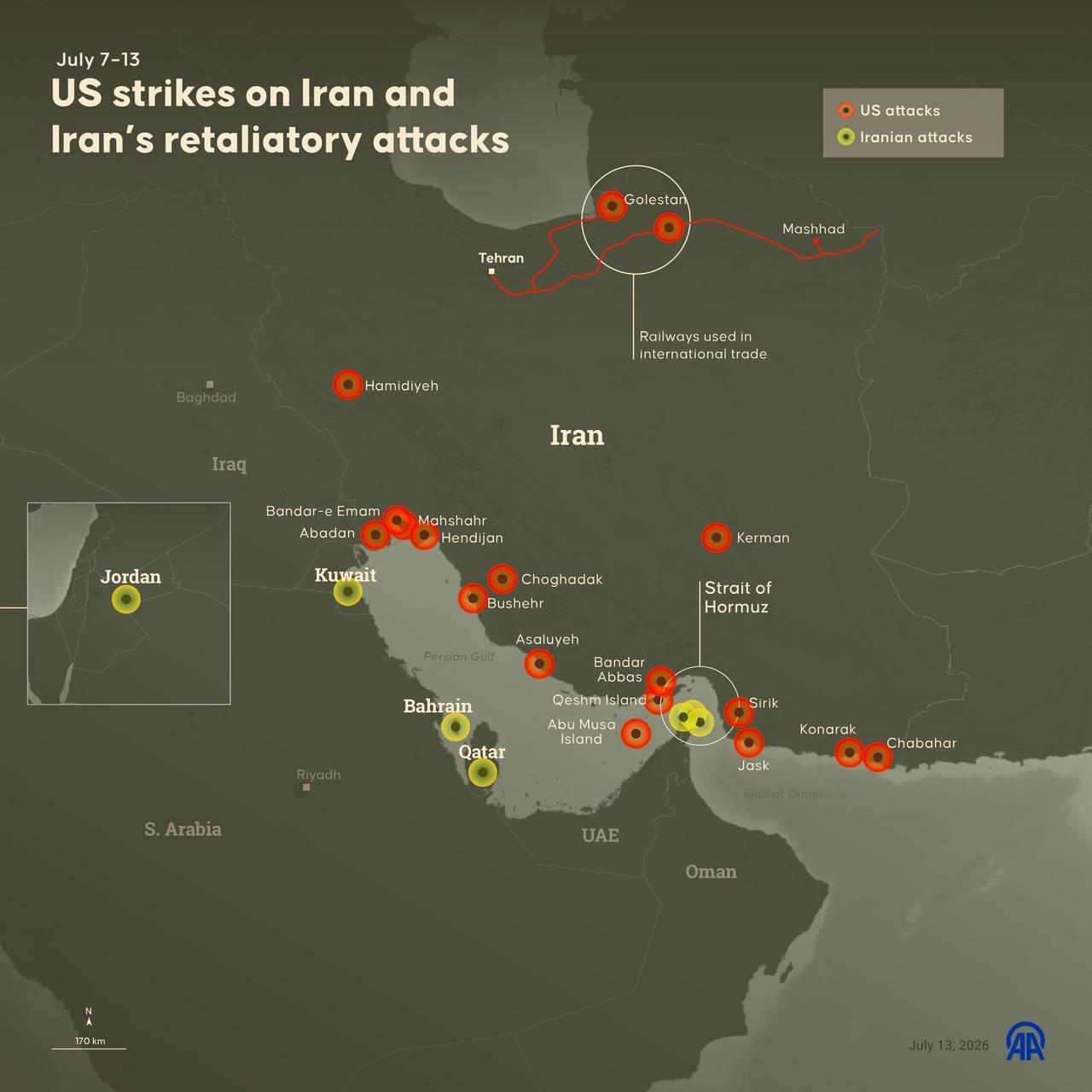
Iran's Foreign Ministry said Monday that the U.S.-Iran memorandum of understanding (MoU) has "undoubtedly entered a crisis stage," as Iranian state media separately claimed the downing of a U.S. drone and the IRGC said it struck sites in Bahrain and Oman in an escalating exchange over the Strait of Hormuz.
Foreign Ministry spokesperson Esmaeil Baghaei told a news conference that the United States had violated the memorandum before Iran's own one-month commitment period on the Strait of Hormuz had even concluded.
"The Americans were so impatient in breaking their word that they didn't even allow the one-month period for Iran's commitments regarding the Strait of Hormuz to be completed," Baghaei said.
The Iranian official said Tehran had approached Oman solely to consult on matters related to the Strait of Hormuz during a recent visit to Muscat, and that no other subject had been on the agenda.
Baghaei said Iran had made clear from the outset that its compliance was conditional.
"From the beginning we said 'commitment for commitment'; as long as the other side upholds its commitments, we will carry out ours," he said.
"In practice, we have shown that wherever the other side violated (the agreement), we too did not carry out our commitments. No one can accuse the Islamic Republic of Iran of violating the agreement. In all cases, our obligations and those of the other side are clear and can be proven with documentation that the other side, under various pretexts, has violated different parts of this memorandum," the Iranian official added.
Baghaei said Iran would continue to act on that basis going forward, saying, "As long as the other party continues its pattern of violating commitments, the Islamic Republic of Iran will likewise refrain from carrying out the obligations it has undertaken."
He said Iran had never been the first to violate its commitments in any negotiation, saying Tehran had approached talks "with caution and seriousness" and had acted in good faith once agreements were reached, while accusing the U.S. side of having "mutilated" various parts of the 14-point memorandum in a short period of time.
Baghaei also said a statement issued by three European countries on the matter had "absolutely no validity," accusing the countries of insisting on distorting the facts.

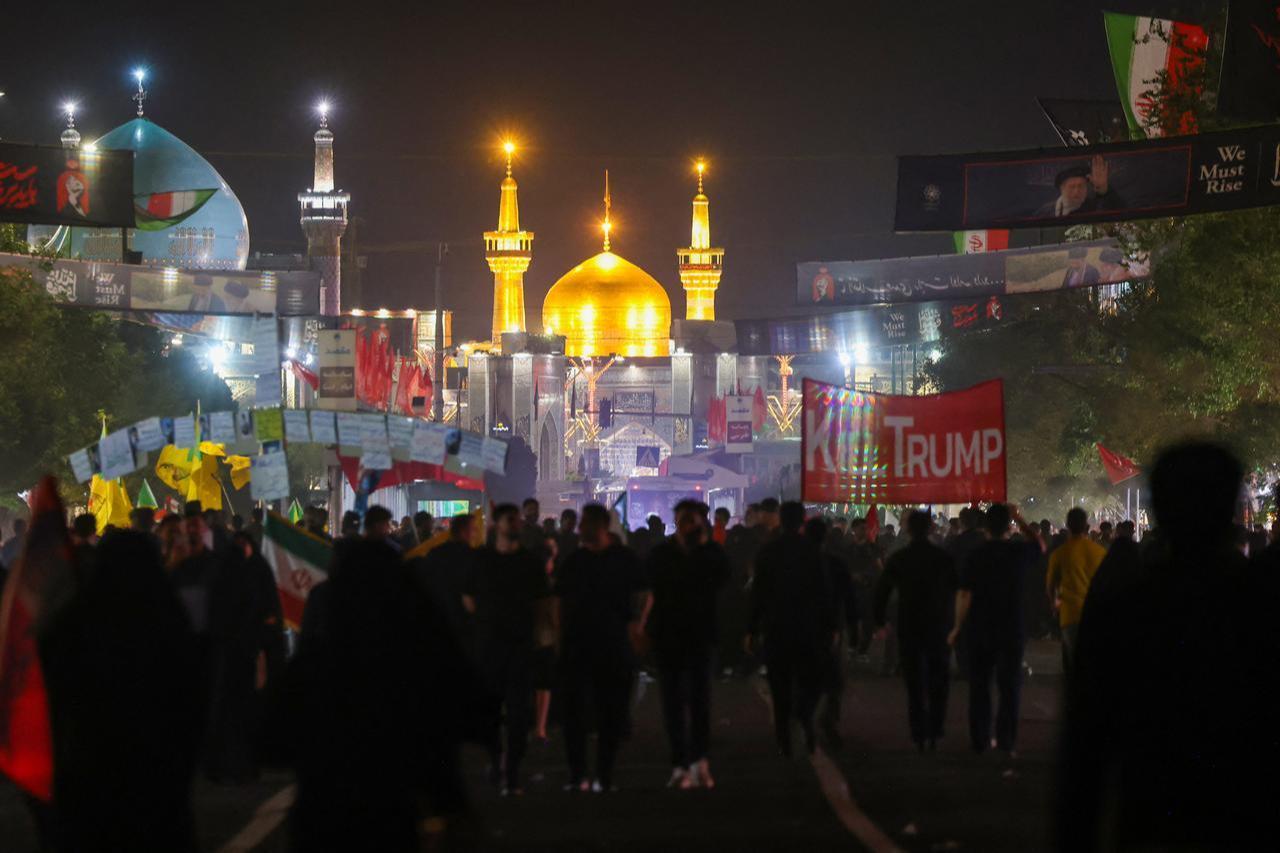
Baghaei said pursuing justice and accountability for the "martyred leader" and for Iranians killed or wounded during what he described as U.S. and Israeli military aggression was a serious principle and a matter of public demand.
He said the Foreign Ministry would use all available international legal tools and opportunities both to document what he called crimes and to pursue accountability, while noting that domestic institutions, including the judiciary, also had responsibilities in that process.
He said those he held responsible for the deaths of "thousands" of Iranians were now attempting to portray themselves as victims, saying the world would not forget "what kind of evil-natured killers they were."
Baghaei also offered condolences and greetings to the people of Iraq, Najaf and Karbala, and to what he called "free people of the world" who he said had stood in solidarity with Iran in recent days, saying attempts to diminish that solidarity amid competing media narratives had failed.
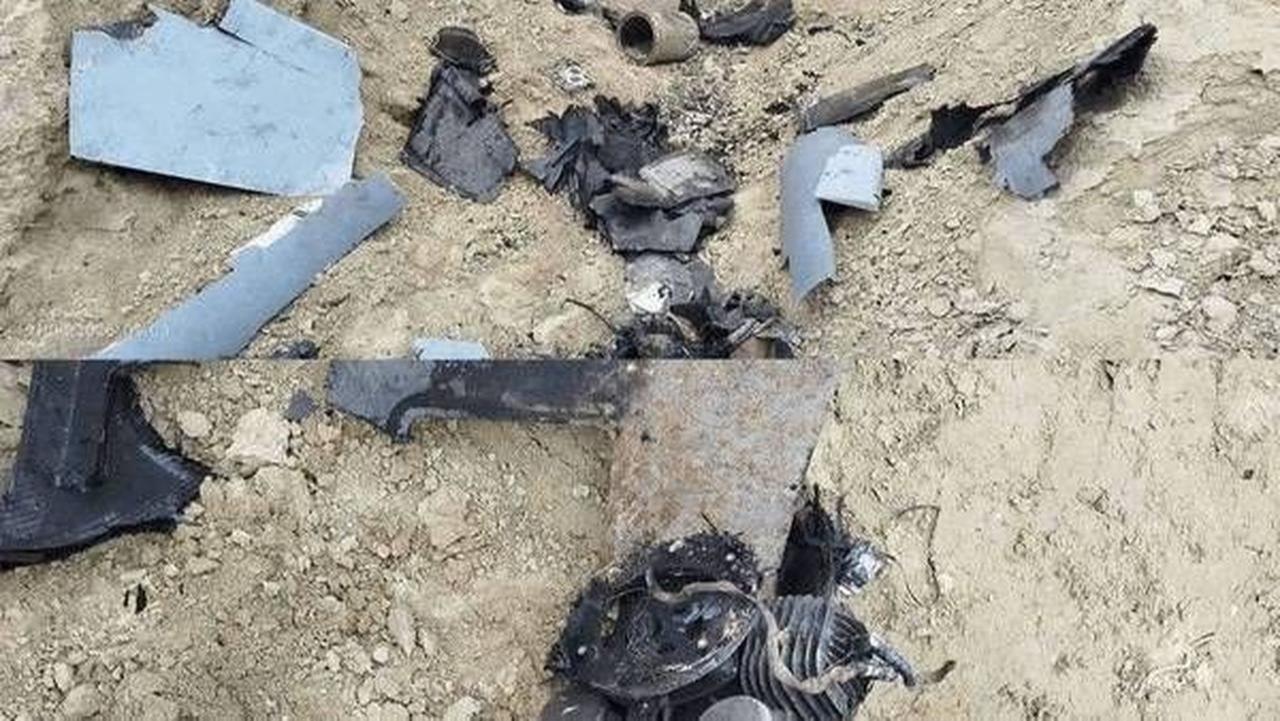
Separately, Iran's Tasnim and Mehr news agencies reported that army air defense forces in southeastern Iran identified, tracked, and destroyed a U.S.-made Low-cost Uncrewed Combat Attack System (LUCAS)-type drone over the skies of Bandar Abbas, near Hajiabad county.
"Army air defense forces and other armed units continue to secure the skies of southern Iran with full readiness, continuously monitoring potential movements and threats," the report said, citing a military statement.
This claim is attributed to Iranian state media and could not be independently verified.
The Islamic Revolutionary Guard Corps (IRGC) said in a statement that its naval forces struck U.S. military installations and infrastructure at Juffair in Bahrain, and separately targeted and destroyed a long-range aerial FPS radar and a vessel-detection radar in Oman, describing the action as the fifth stage of its retaliatory response.
The IRGC said the strikes followed what it described as a U.S. attack on an agricultural water pump in Mahshahr, Iran, which it called further evidence of what it characterized as the "anti-people nature" of U.S. forces, using language describing the U.S. military as a "child-killing army."
The IRGC said the only way to reopen the Strait of Hormuz to vessel traffic was an end to U.S. military interference in the strait and respect for coastal states' sovereignty over their own waters, warning that continued interference would lead to "greater incidents" in the global oil and gas sector.
These claims are attributed to the IRGC's own statement and could not be independently verified.


 Set as preferred source
 Set as preferred source



 2 min read