Newsletters


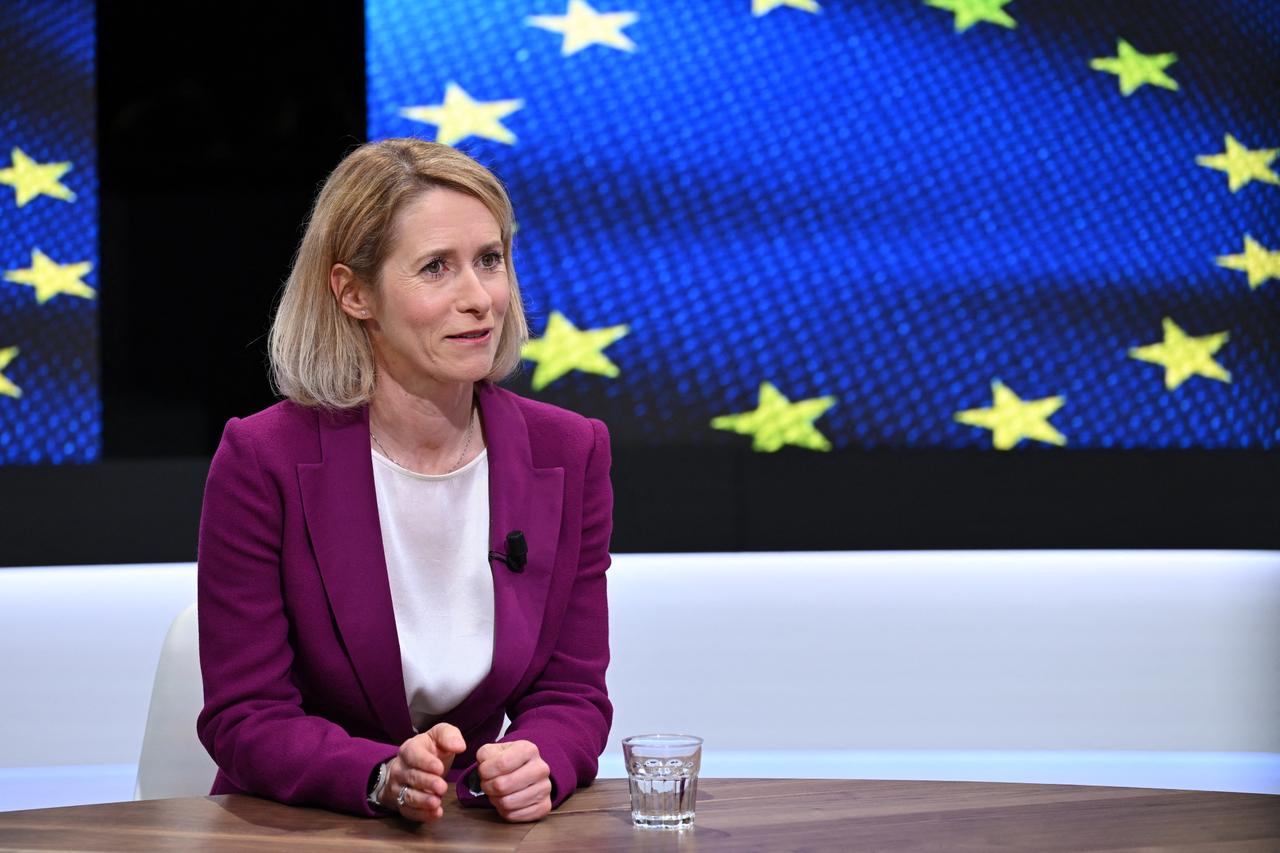


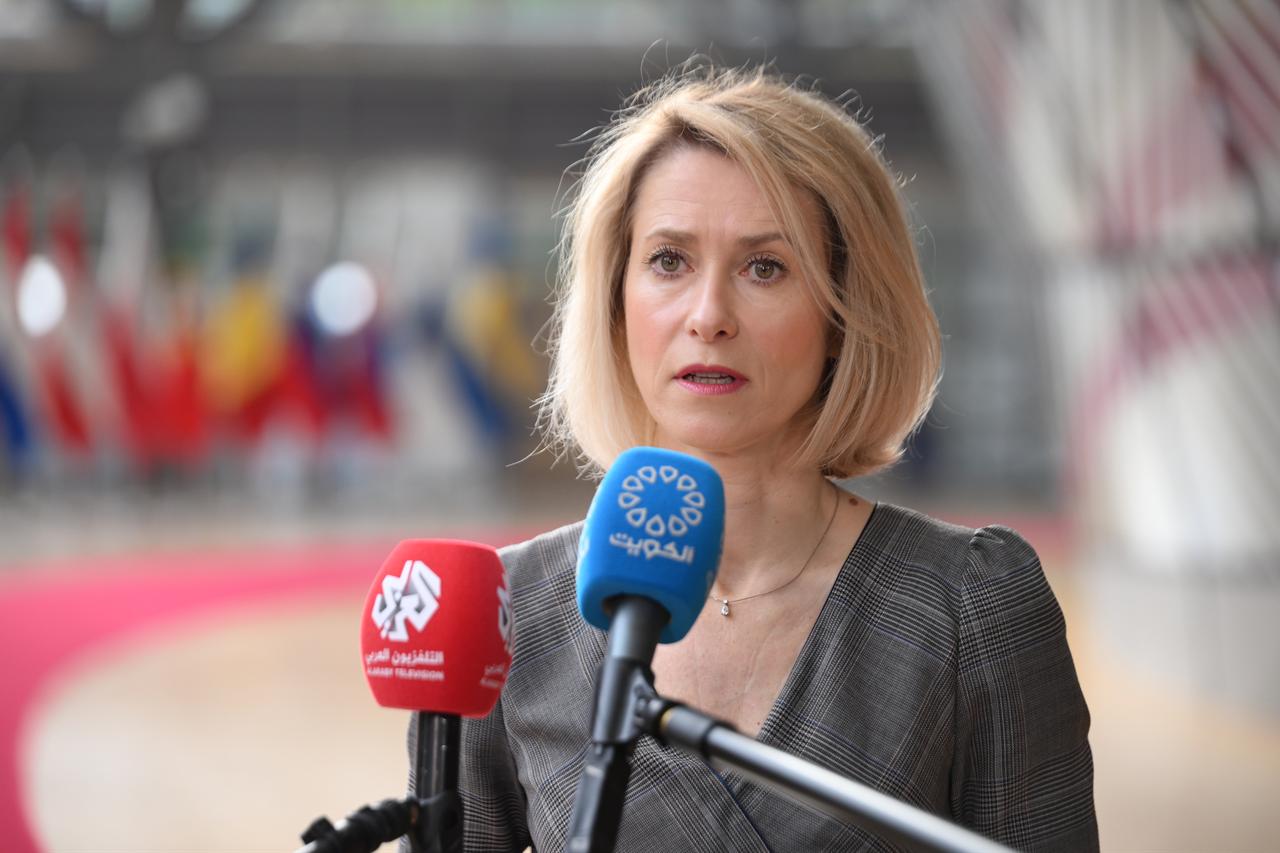
European Union foreign policy chief Kaja Kallas urged Iran and Israel to avoid further escalation on Monday after the two sides exchanged strikes, testing a fragile truce and threatening hopes for an agreement to end the Middle East war.
Speaking as EU defense ministers gathered in Nicosia, Greek Cyprus, Kallas said renewed escalation would not serve the region and called on the parties to return to negotiations.
"Overnight, we have seen escalation again," Kallas said. "I think the region does not need an escalation, but actually that parties sit down to a negotiation table and agree."
The Middle East was one of three main issues on the agenda of the informal meeting of the EU Foreign Affairs Council in its defense configuration, alongside maritime security and continued support for Ukraine.
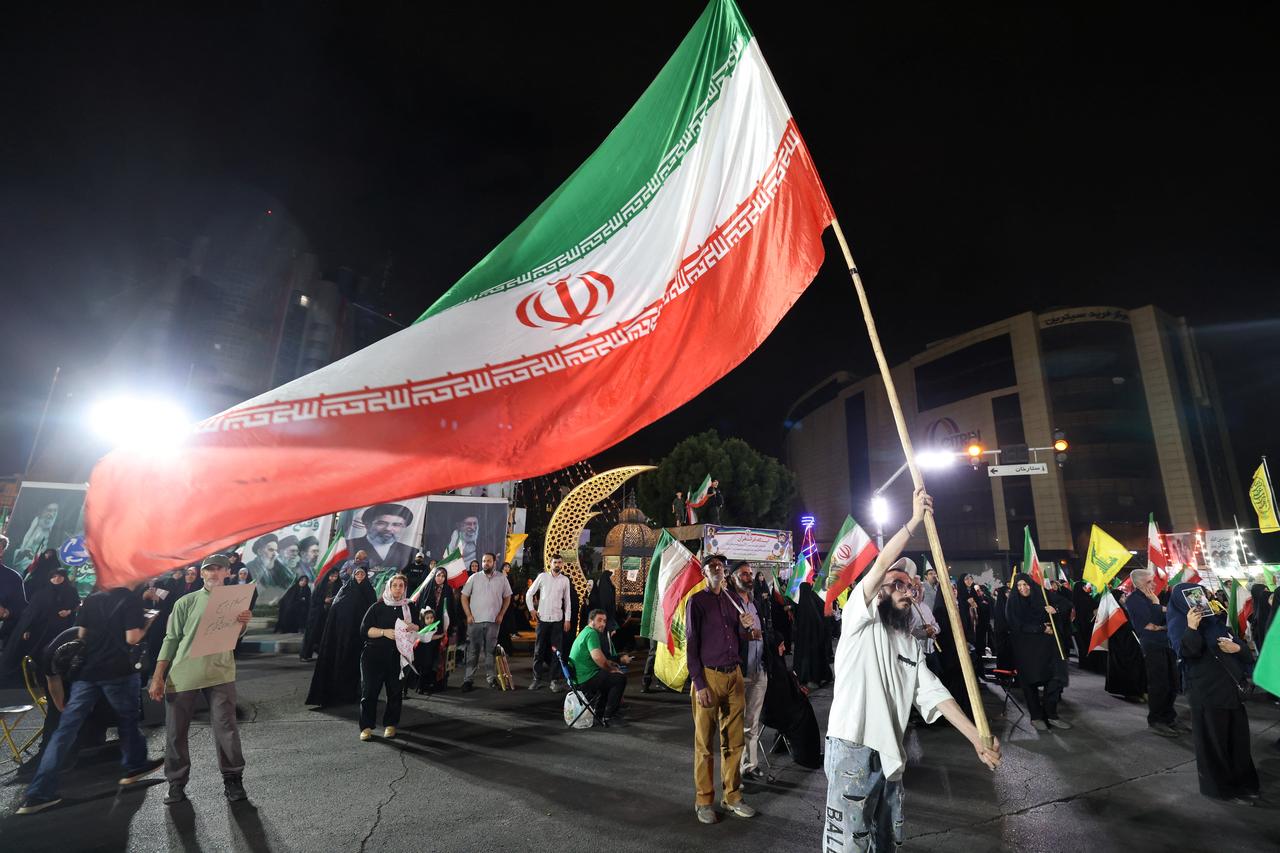

Kallas said the 27 EU defense ministers would review the bloc's naval operations in the Middle East during the meeting.
She said new sanctions related to freedom of navigation and maritime security concerning Iran were being implemented for the first time.
The meeting was also set to address maritime security more broadly, including measures against Russia's "shadow fleet," a network of hundreds of oil and gas tankers used by Moscow to bypass Western sanctions and export energy supplies.
Kallas said the EU's naval operations had recently expanded their rules of engagement and begun boarding vessels.
"The idea is also to exchange best practices between member states and curb Russia's activities," she said.
Greek Cypriot Defense Minister Vasilis Palmas said he expected the discussions to be substantive and constructive.
"As you understand, issues of defense and security are a priority for the European Union," Palmas said, adding that ministers would seek practical ways to strengthen the bloc's response to current challenges.
The war in Ukraine was expected to dominate the meeting, with ministers discussing continued military support and efforts to mobilize further funding through the European Peace Facility.
The facility is an off-budget EU fund established to finance military and defense actions.
Asked about prospects for ending the war, Kallas said Russia and Ukraine would eventually have to engage in negotiations, while pressure on Moscow should continue.
"We have to do everything so that Russia and Ukraine will talk to each other because eventually they have to agree," she said. "At the same time, we need to keep our core European security interests in mind."
Kallas also highlighted cooperation between Ukraine's defense industry and European manufacturers, particularly in drone technology.
She said the bloc should build on Ukrainian expertise rather than "reinvent the wheel."
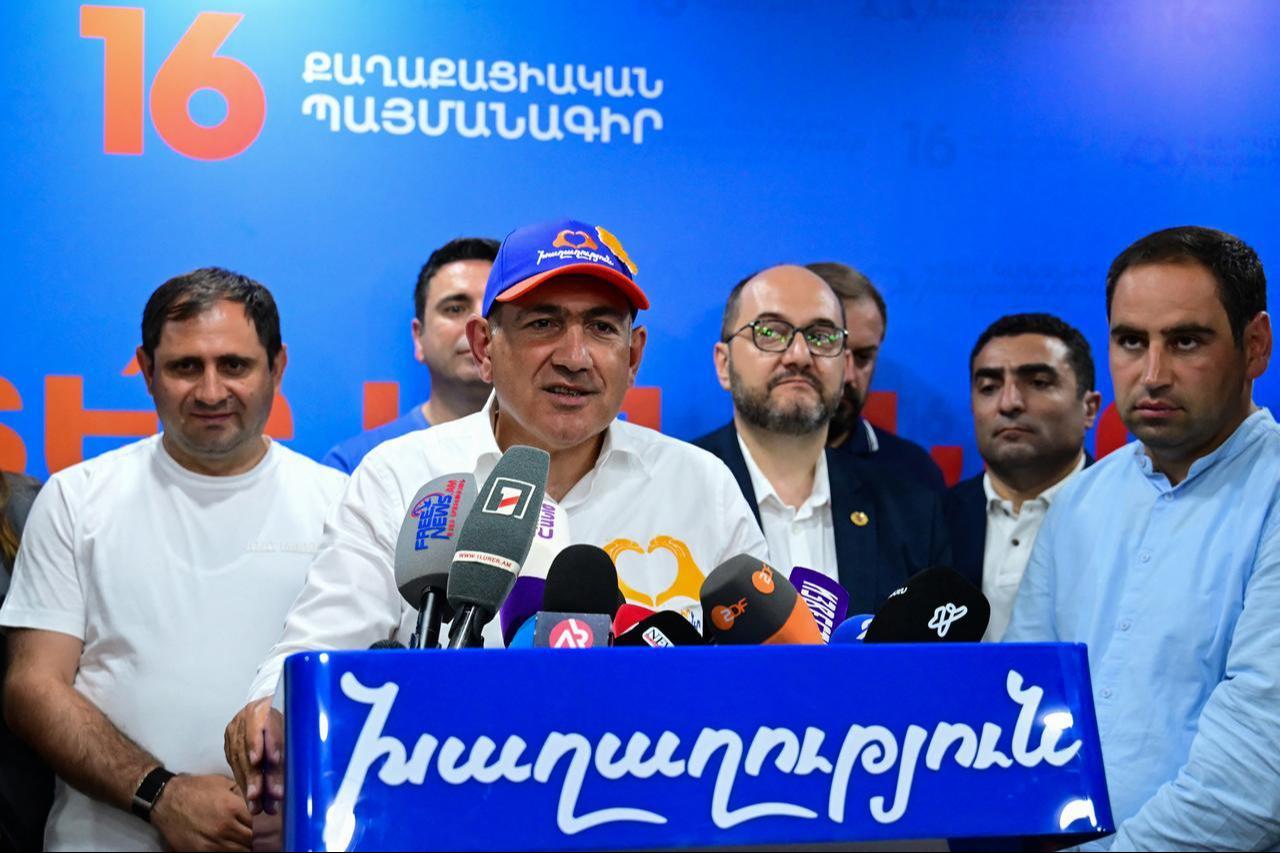
Kallas also addressed Armenia's parliamentary election, saying early results indicated that voters had chosen a "European future" despite what she described as heavy pressure from Russia.
"The votes are being counted, but it looks like now that Armenia's people, although under heavy Russian pressure, still chose to have a European future, which is a good thing," she said.
Kallas said the EU was seeking to support Armenia with its future reforms.
Prime Minister Nikol Pashinyan's Civil Contract party secured 49.8% of the nationwide vote and a majority of seats in parliament, receiving more than twice as many votes as the pro-Russian opposition Strong Armenia party led by Samvel Karapetyan.
"It looks like Armenia's people, although under heavy Russian pressure, have made their choice," Kallas said, while noting that votes were still being counted.


 Set as preferred source
 Set as preferred source


 1 min read
 1 min read