Newsletters


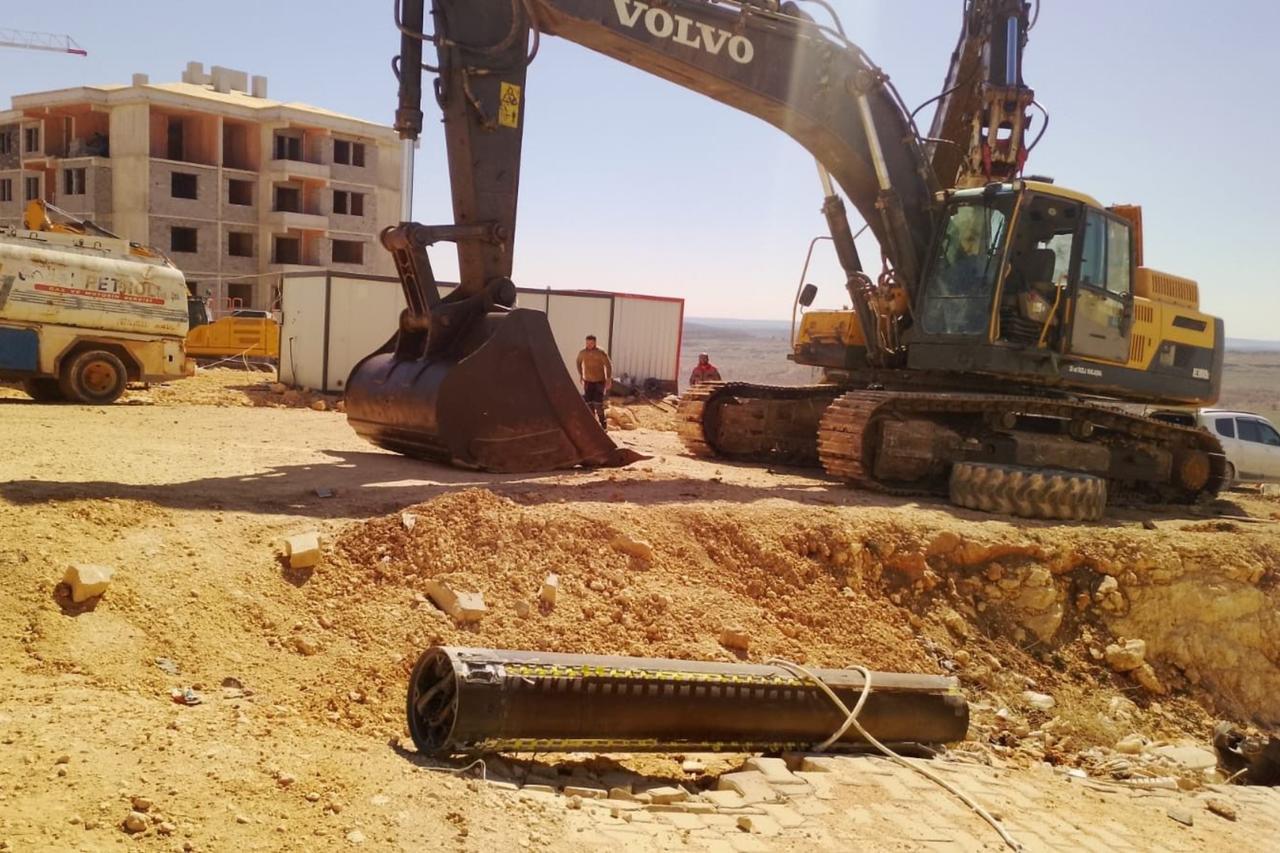
Following the U.S. and Israeli attacks on Iran, two Iranian missiles crossing into Turkish airspace have been destroyed by NATO systems within a week. Debris from the first missile fell in Hatay, while pieces of the second landed in Gaziantep.
In response to consecutive missiles fired from the same region and intercepted in the air within two weeks, Türkiye has warned the Iranian administration at the highest level.
Foreign Minister Hakan Fidan also spoke with his Iranian counterpart Abbas Araghchi, urging him to avoid steps that could pose regional risks. Araghchi, however, claimed that the missiles heading toward Turkish airspace did not originate from Iran.
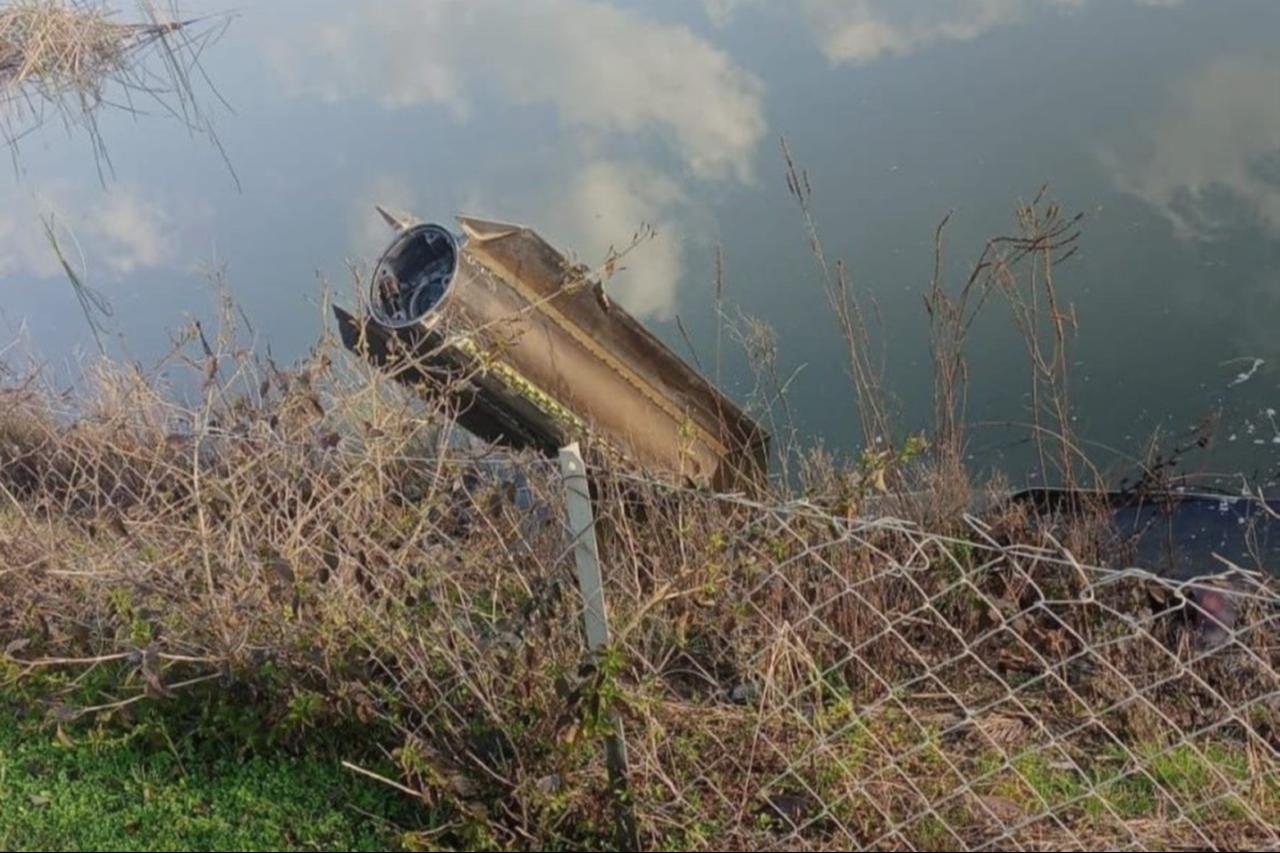

Contrary to Araghchi's claims, Turkish security sources noted that the second missile shared the same 1,200-kilometer range as the first.
Both were launched from the exact same starting point: an area east of Tehran. Sources confirmed that the second threat was neutralized by an interceptor missile fired from a US ship allocated to NATO in the Eastern Mediterranean.
Security sources attribute these rogue firings to Iran's "Mosaic Defense" system. They point out that the U.S. and Israel collapsed Iran's central command system in the early days of their strikes.
Under the Mosaic Defense doctrine, the country's military is divided into seven or eight independent sectors. If the central administration is incapacitated, pre-attack orders given by the leadership are automatically executed by local commanders.
Sources suggest that the regional commander overseeing the area targeting Türkiye might simply be executing outdated orders, adding that a highly detailed investigation is underway.
However, other insiders in Ankara suspect a different motive behind the firings. They believe the missiles directed at Türkiye were actually testing NATO's air defense capabilities with a specific target in mind: the Kurecik radar base in the southeastern province of Malatya.
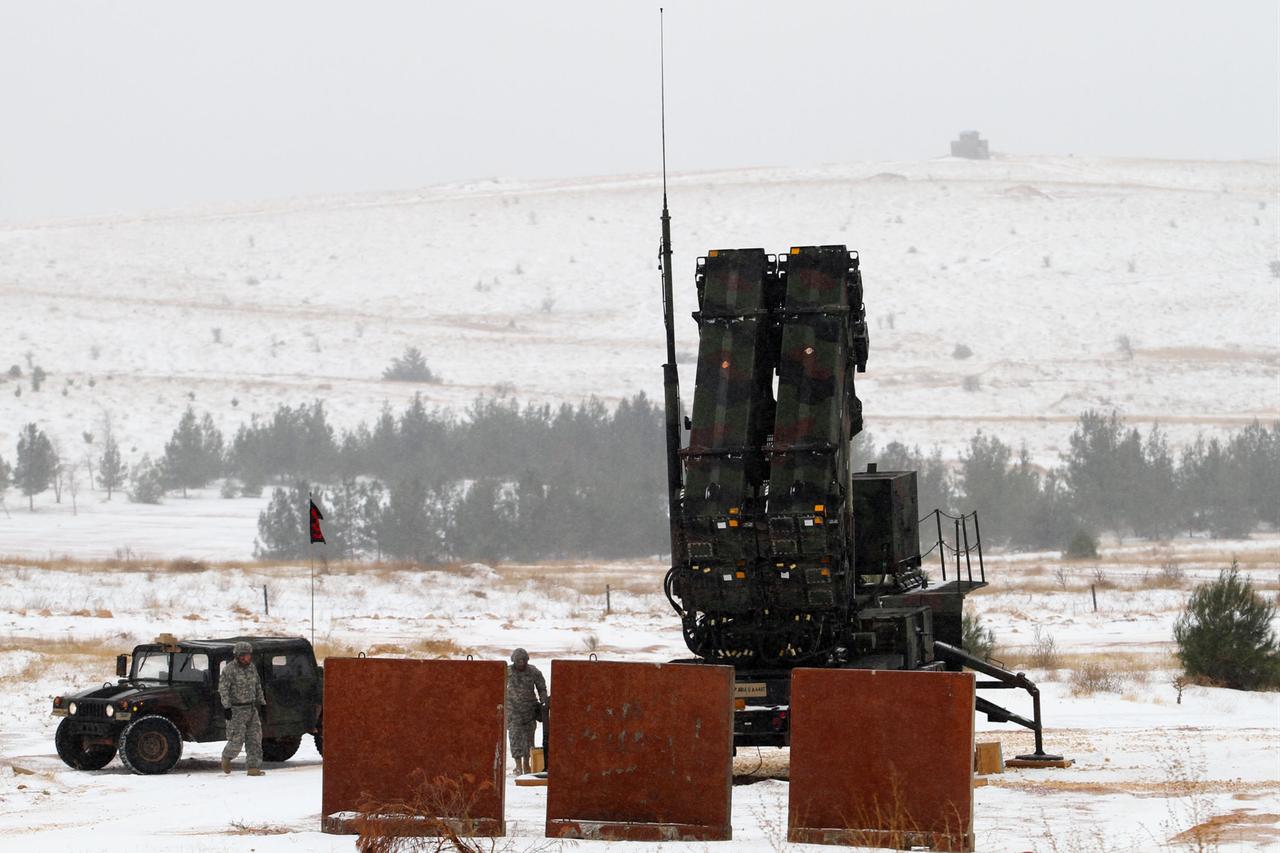
This theory gained significant traction after NATO deployed a fresh batch of Patriot missile defense systems to Malatya on Tuesday.
The Kurecik base is a critical component of the European Phased Adaptive Approach (EPAA), hosting a high-resolution TPY-2 X-band radar specifically tasked with tracking Iranian ballistic missiles bound for Europe.
Evaluating the possibility of a third missile being fired from Iran, security sources emphasized that Ankara will not take part in any scenario that would drag it into war.
They stressed that Türkiye will maintain a prudent, cold-blooded attitude while keeping its deterrence active, noting that third countries under attack are also trying to display an approach that serves the long-term interests of the region.
Turkish President Recep Tayyip Erdogan said after the second incident that Türkiye would take necessary measures to defend the country.
“Despite our sincere warnings, extremely wrong and provocative steps continue to be taken that will jeopardize Türkiye’s friendship,” Erdogan said after a Cabinet meeting.
“Persistence and stubbornness in wrongdoing should be avoided.”
In a phone call with Erdogan late Monday, Iranian President Masoud Pezeshkian offered to establish a joint investigation into what he described as allegations promoted by countries hostile to Iran.
According to Iranian officials, Pezeshkian said the United States and Israel were seeking to “sow discord” between Iran and its neighbors.
The call came after Türkiye summoned Iran’s ambassador over the missile incident, according to Turkish Foreign Ministry sources.
Also on Monday, Türkiye deployed six F-16 fighter jets to the Turkish Republic of Northern Cyprus as a precautionary measure days after the island was hit by a drone attack.
Authorities in Nicosia said the Iranian-made drone was likely launched by Lebanon’s Hezbollah group rather than directly from Iran.


 Set as preferred source
 Set as preferred source


 1 min read
 1 min read