Newsletters


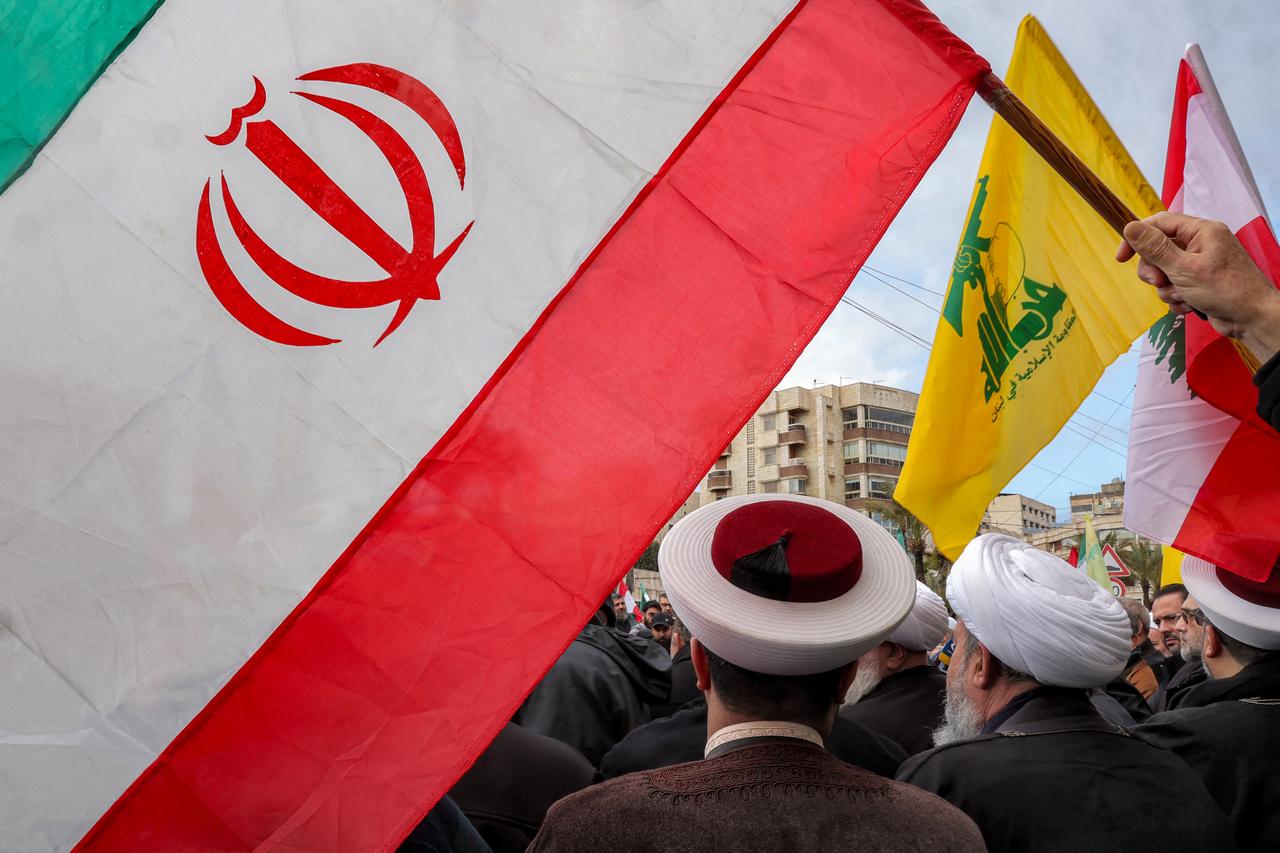


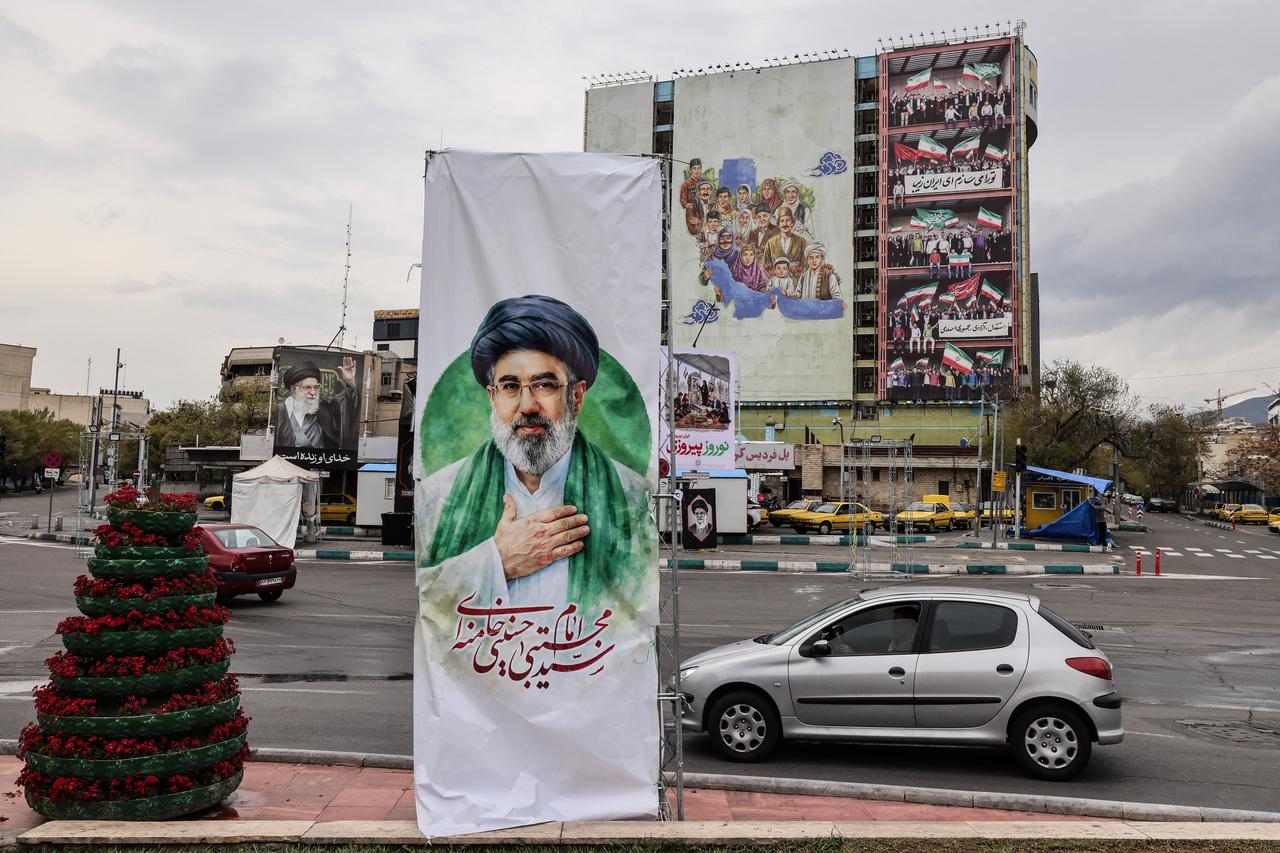
Iran's new Supreme Leader Mojtaba Khamenei vowed Wednesday that Tehran will continue to support Hezbollah and other anti-Israeli forces in the Middle East, issuing his first public message to the group since the war began.
He hasn't been seen in a while, and is believed to have been wounded in the strikes that killed his father.
"I firmly declare that the consistent policy of the Islamic Republic of Iran, in continuing the path of the late Imam and martyred leader, is based on continuing to support the resistance against the Zionist-American enemy," Khamenei said in a letter to Hezbollah Secretary-General Sheikh Naim Qassem, read on Iranian state television and posted on his Telegram channel.
Khamenei described the United States and Israel as "the most vicious enemies of the Islamic world."
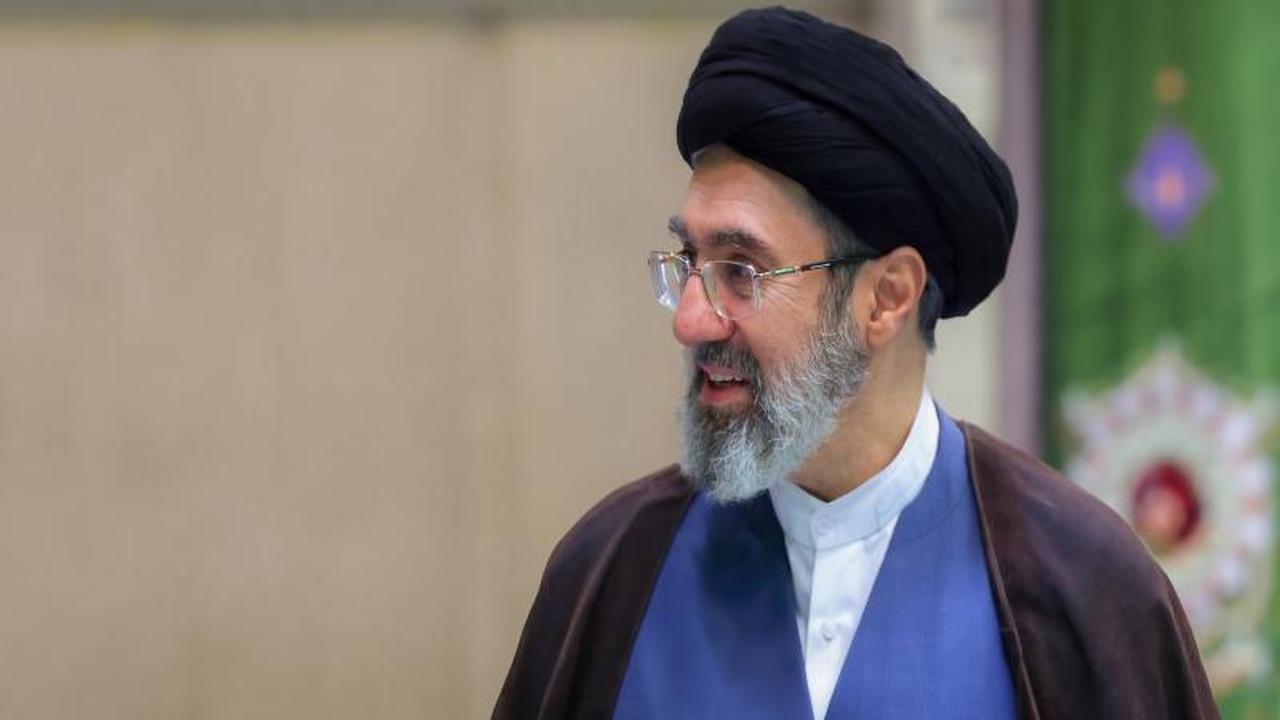

Addressing Qassem directly, Khamenei wrote: "You who have been at the forefront of this blessed resistance in Lebanon are today leading this movement at this critical and historic moment. With the wisdom, intelligence and courage I know you possess, I hope you can foil and shatter the plans of the Zionist enemy and once again bring the taste of peace and honor to the beloved Lebanese nation."
More than three weeks after his appointment as supreme leader, Khamenei has still not appeared in public.
A source with knowledge of the situation told CNN earlier this month that he was injured in the attack that killed his father, former Supreme Leader Ali Khamenei, and Iran's top military commanders on Feb. 28.
The source said he suffered a fractured foot, a bruised left eye and minor lacerations to his face.
U.S. and Israeli officials believe he remains in hiding.
Separately, the Israeli military said Wednesday it had killed Hajj Youssef Ismail Hashem, a senior Hezbollah commander who led the group's Southern Front unit, in a strike on Beirut a day earlier.
Israeli army spokesman Avichay Adraee said on X that Hashem was "a central figure in Hezbollah" with more than 40 years of experience who had "led and advanced thousands of terror attack plans" against Israeli citizens and soldiers. The military said his killing constituted "a significant blow to Hezbollah's ability to carry out terrorist operations."
Hezbollah did not immediately comment on the reported killing.
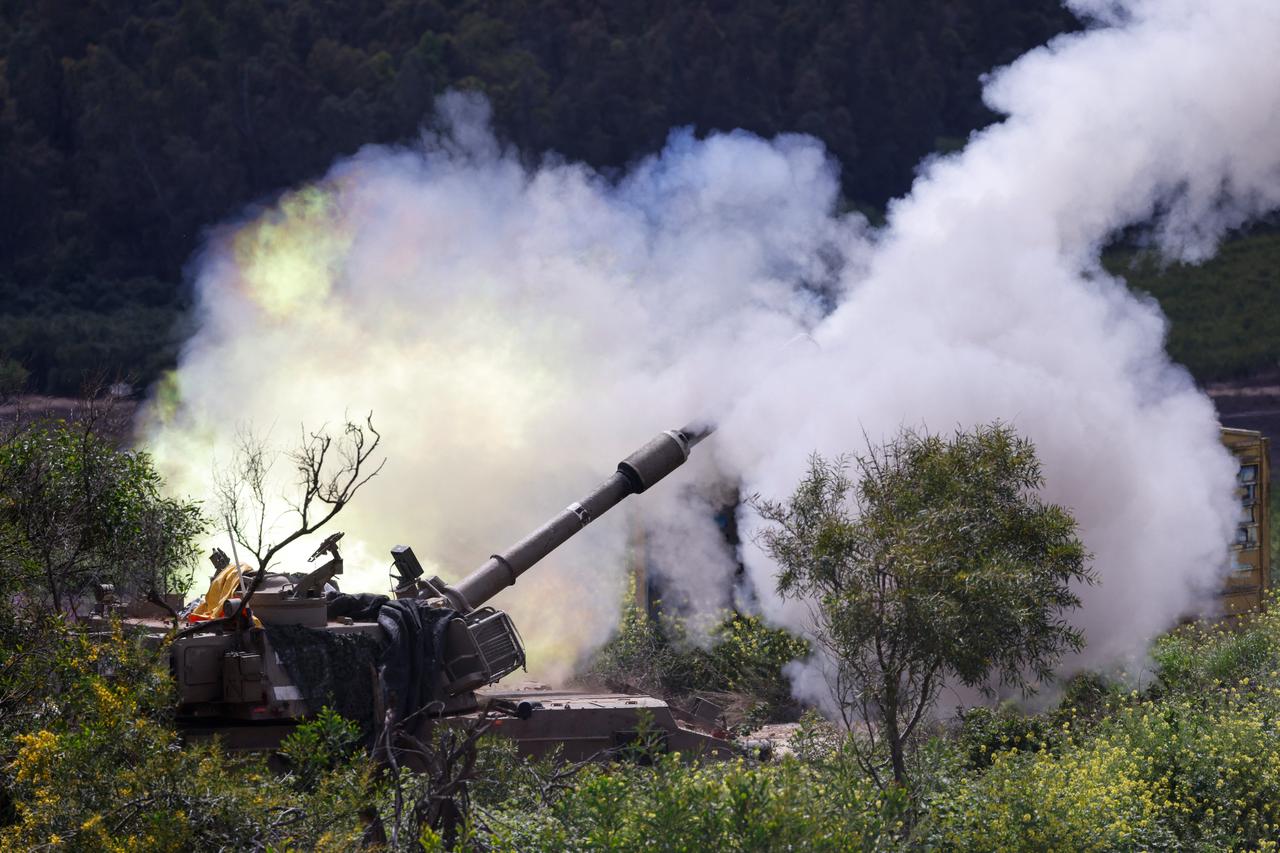
Israel has escalated its attacks in southern Lebanon since Hezbollah launched cross-border rocket and drone strikes against Israel on March 2, days after the U.S.-Israeli war on Iran began.
Israeli forces have occupied areas south of Lebanon's Litani River, with Israeli Defense Minister Israel Katz saying Israel would occupy the area south of the Litani, approximately 19 miles from the border, as a "buffer zone."
Israeli forces have told Lebanese residents to leave the area, prompting concerns of long-term forced displacement of some 600,000 people.
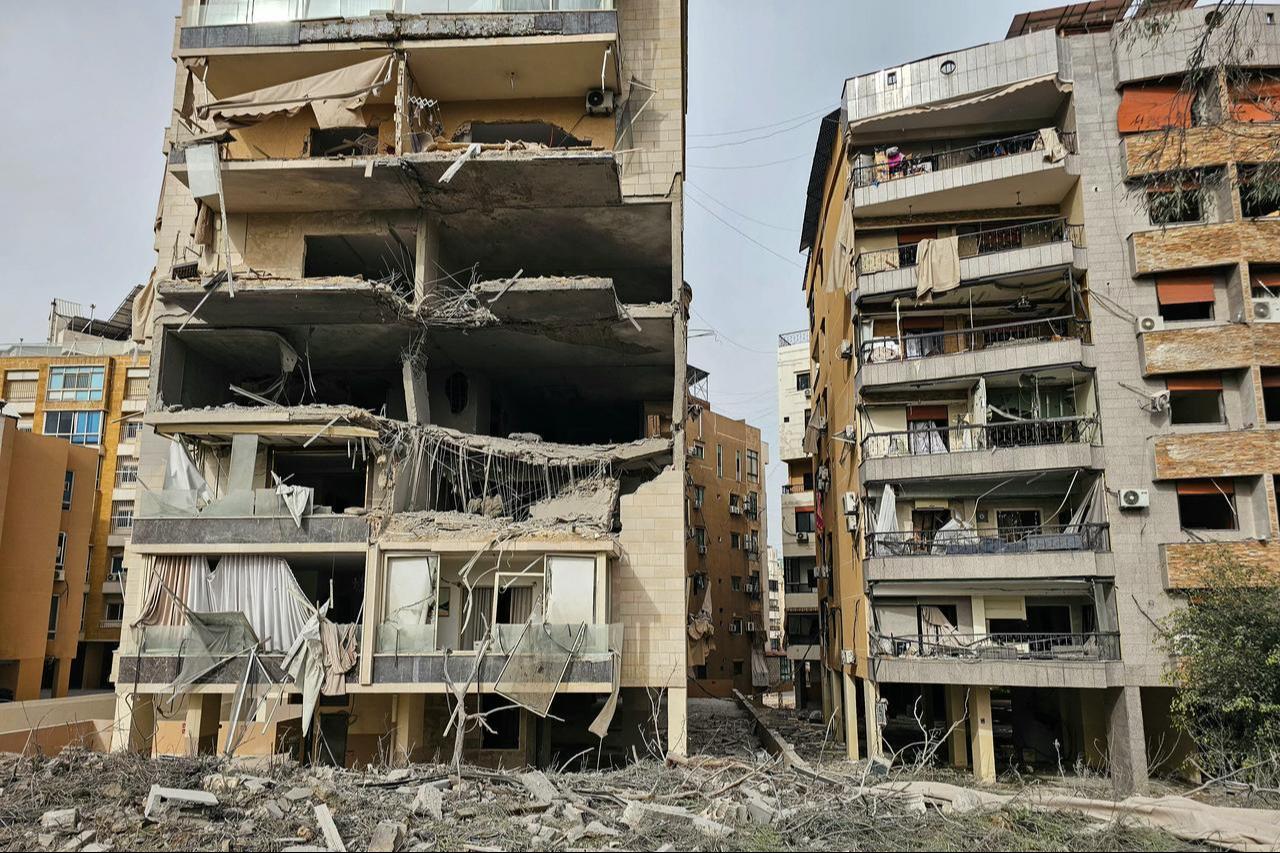
Lebanese authorities said at least 1,268 people have been killed and 3,750 injured in Israeli attacks since March 2.
On the Israeli side, 10 soldiers have been killed in southern Lebanon since March 2, the military said Wednesday. A total of 309 soldiers have been wounded in the war with Iran since Feb. 28, including 23 seriously and 55 moderately.
Israel's Health Ministry said 6,239 people have been injured in Iranian attacks, with 118 remaining hospitalized. The ministry did not release official death figures, but Israeli media reported that at least 24 people have been killed. The Israeli Institute for National Security Studies estimates 29 fatalities.
Israel maintains strict censorship on reporting losses from Iranian and Lebanese missile and drone strikes, restricting the publication of footage showing impact sites.
Since the U.S. and Israel launched their joint offensive on Iran on Feb. 28, more than 1,340 people have been killed in Iran, according to Iranian authorities. Overall, 935 Israeli soldiers have been killed and 6,424 injured since the start of the Gaza war in October 2023, according to military figures.


 Set as preferred source
 Set as preferred source


 1 min read
 1 min read