Newsletters


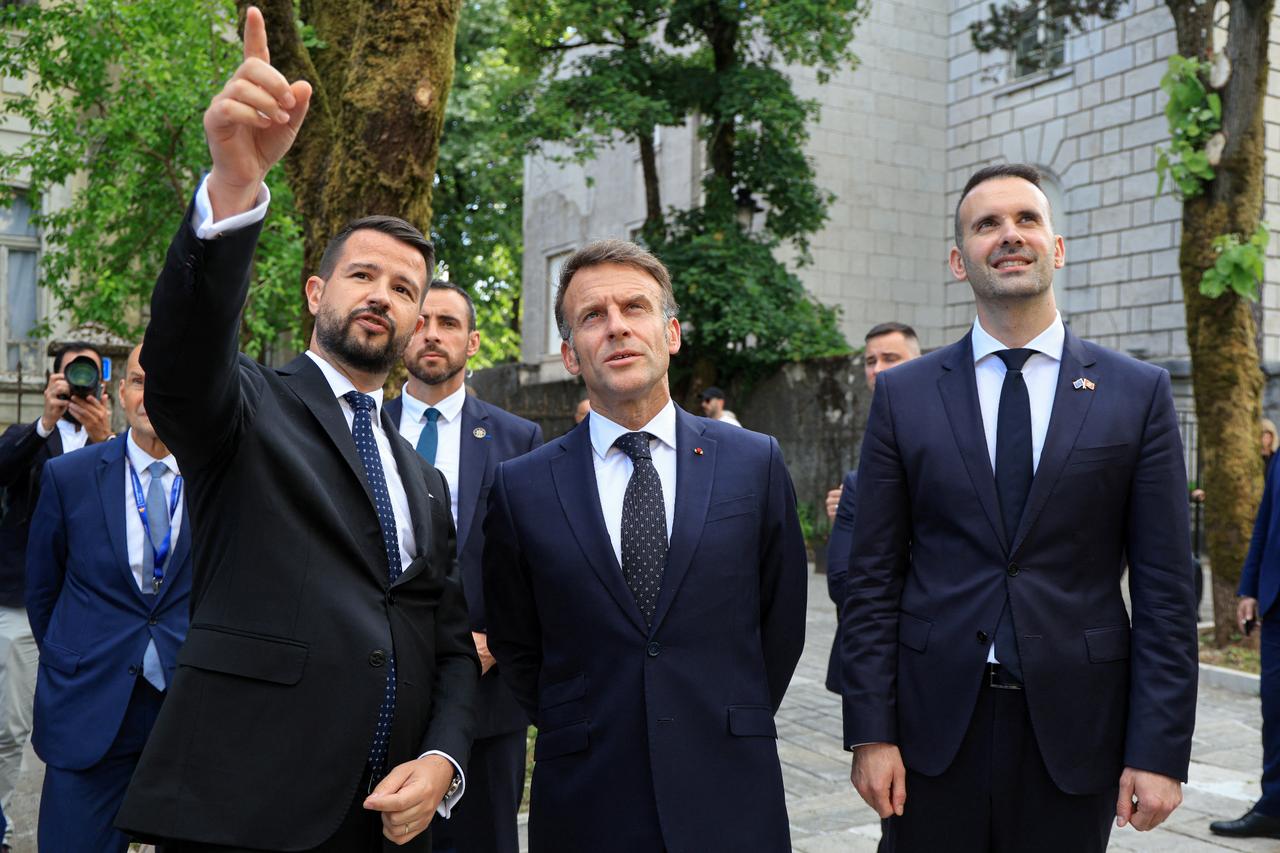


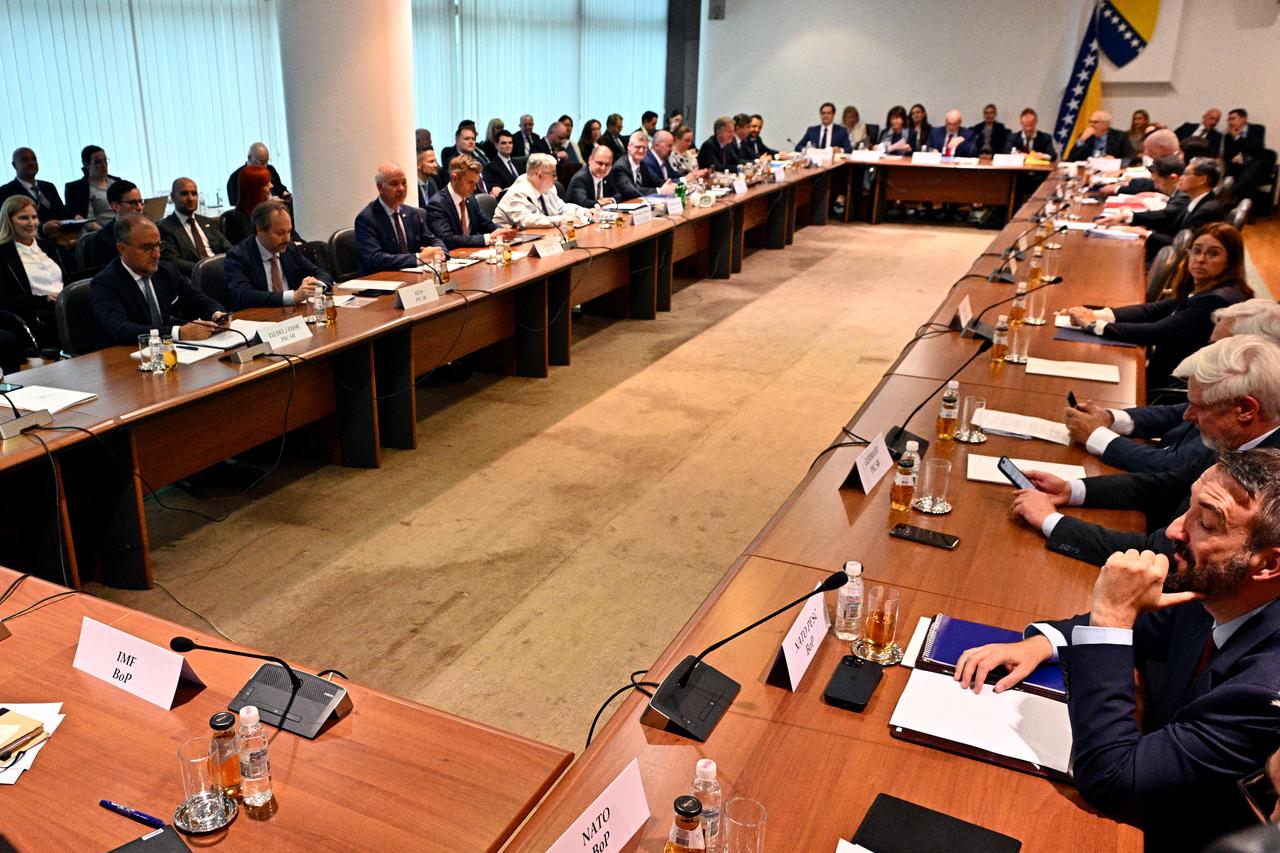
European leaders gathered in Montenegro's Adriatic resort town of Tivat on Friday for a summit with Western Balkan partners, as the small Balkan nation seeks to cement its position as the leading candidate for European Union membership.
EU flags and Montenegro's red-and-gold banners lined roads leading to Tivat as delegations arrived for the EU-Western Balkans Summit, one of the highest-profile enlargement gatherings in recent years.
European Council President Antonio Costa, European Commission President Ursula von der Leyen, French President Emmanuel Macron and German Chancellor Friedrich Merz are among the senior leaders attending the meeting.
The summit comes as Brussels seeks to maintain momentum in its enlargement policy amid growing geopolitical competition and security challenges across Europe.

Montenegro has emerged alongside Albania as one of the frontrunners in the race to join the European Union, moving ahead of several regional neighbors that have struggled to implement reforms required by Brussels.
The country's progress has prompted EU Enlargement Commissioner Marta Kos to suggest that technical accession negotiations could be completed by the end of this year, potentially allowing Montenegro to become the bloc's 28th member state by 2028.
A government campaign built around the slogan "28 by 28" has become a symbol of Podgorica's ambition to secure membership within the next three years.
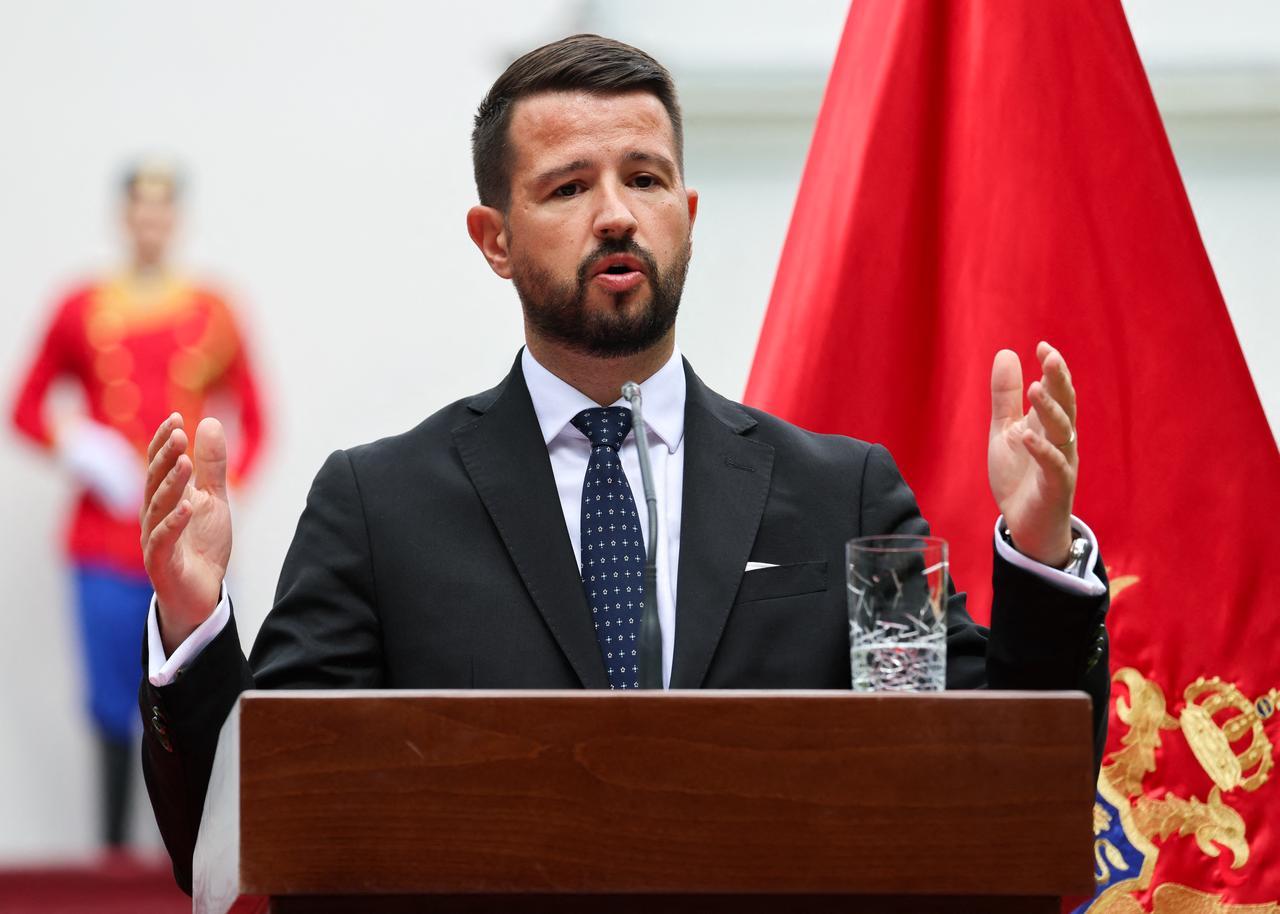
"Montenegro as the 28th member of the European Union by 2028 is a task we must complete," President Jakov Milatovic wrote in an op-ed published this week.
The NATO member has long pursued European integration, adopting the euro in 2002 and formally applying for EU membership in 2008.
 1 min read
The European Union's enlargement policy gained renewed urgency following Russia's invasion of Ukraine in 2022.
Since then, Ukraine and Moldova have joined the list of candidate countries alongside the six Western Balkan aspirants: Albania, Bosnia and Herzegovina, Kosovo, Montenegro, North Macedonia and Serbia.
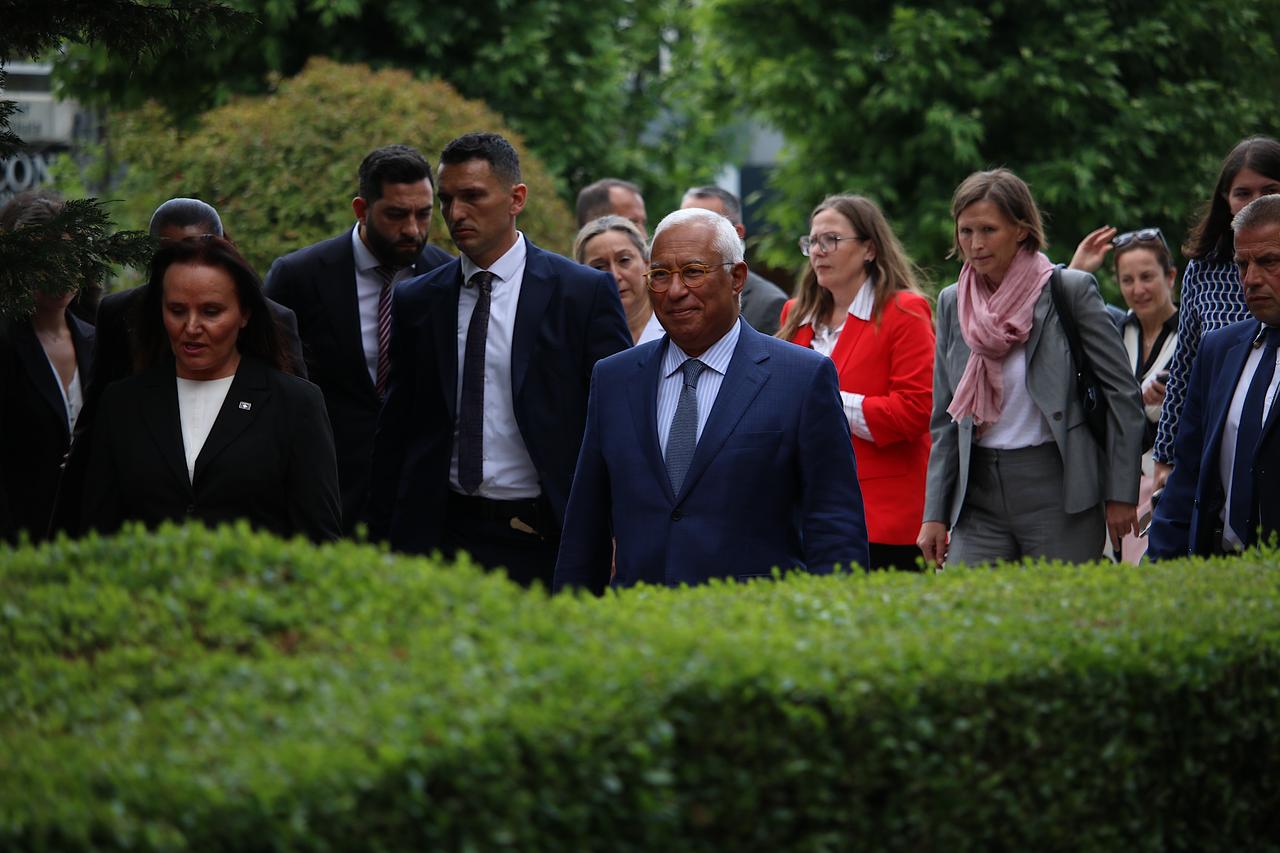
Speaking in Belgrade on Thursday during his tour of the region, Costa described enlargement toward the Western Balkans as a strategic priority.
"For us, the enlargement, namely to the Western Balkans, is the most important geopolitical investment that the European Union is doing," he said.
"And for this we need to work harder and faster."
Costa visited all six Western Balkan capitals ahead of the summit in a show of Brussels' commitment to the region's European future.
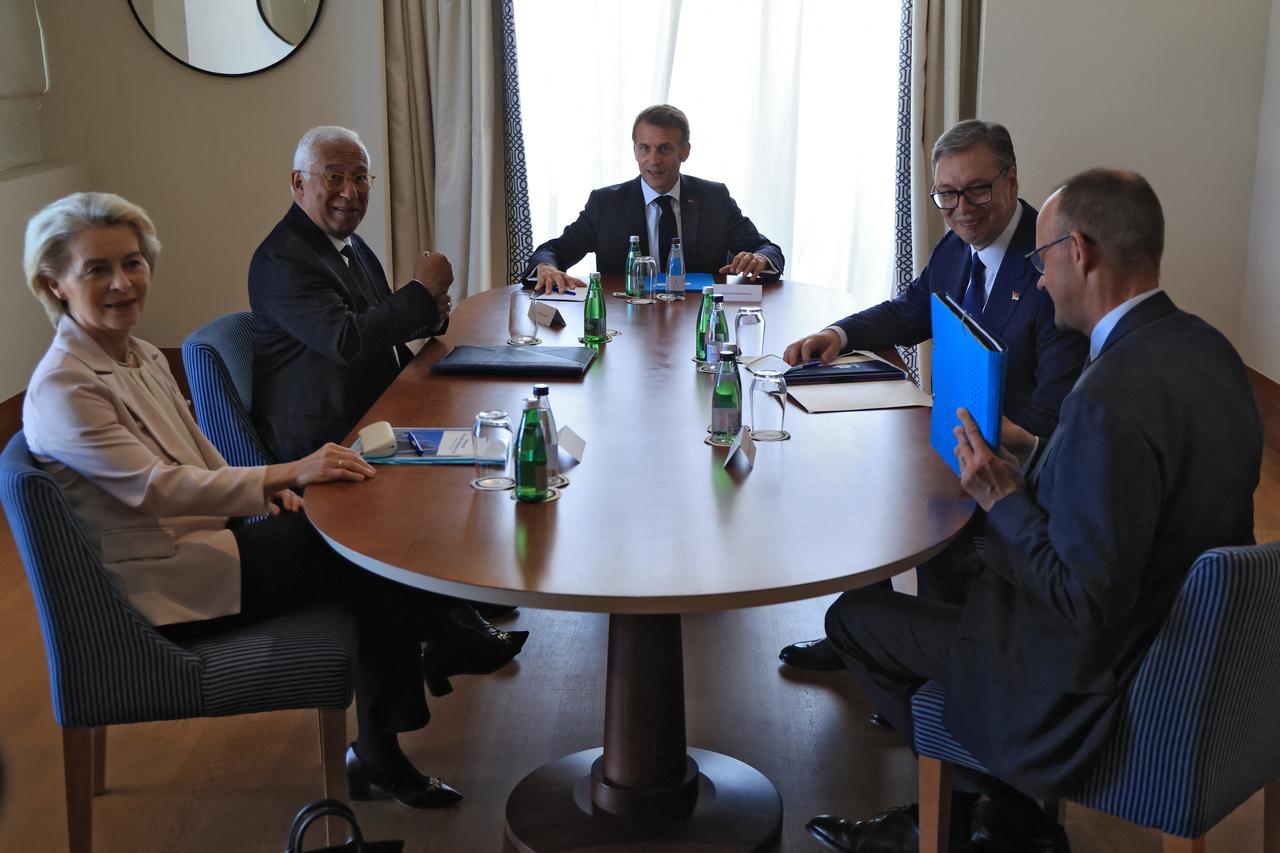
While Montenegro and Albania have accelerated their accession efforts, other Western Balkan candidates continue to face significant hurdles.
Kosovo's path remains particularly complicated because five EU member states still do not recognize its independence.
Serbia, meanwhile, has come under increasing criticism from Brussels over democratic backsliding and its continued close relationship with Russia despite its stated ambition to join the bloc.
Earlier this year, Enlargement Commissioner Kos warned that several Western Balkan countries risked losing access to hundreds of millions of euros in EU growth funds because of slow reform progress.
Tensions between Montenegro and Serbia have also increased in recent months.
A diplomatic dispute between the two countries escalated this week after Montenegrin authorities denied entry to a group of Serbian nationals ahead of the summit, prompting security concerns and sharp exchanges between officials in Belgrade and Podgorica.
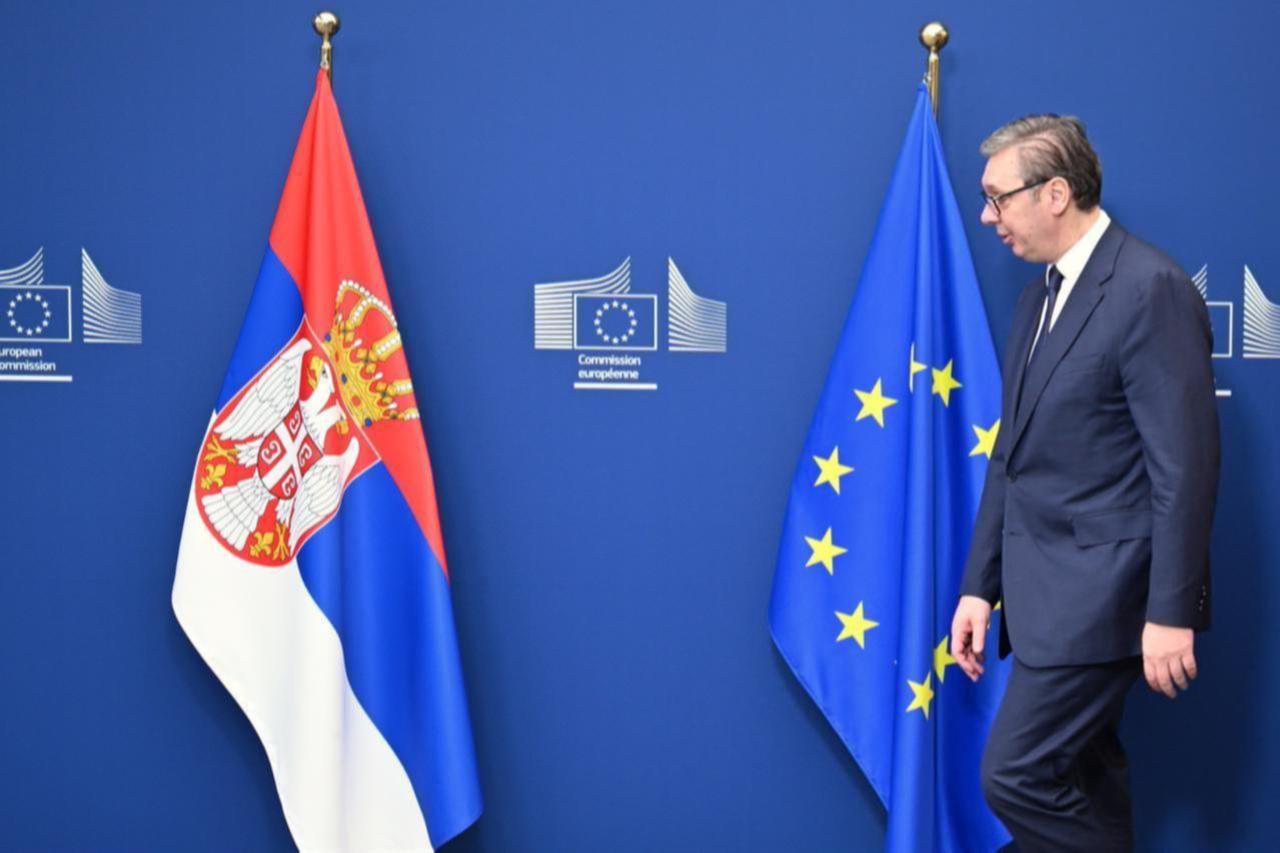
Despite the tensions, Serbian President Aleksandar Vucic confirmed he would attend the summit in Tivat.
He is expected to join other regional leaders, including Albanian Prime Minister Edi Rama, whose government is aiming to position Albania as the next Western Balkan country to join the European Union after Montenegro.


 Set as preferred source
 Set as preferred source


 1 min read