

 Newsletters


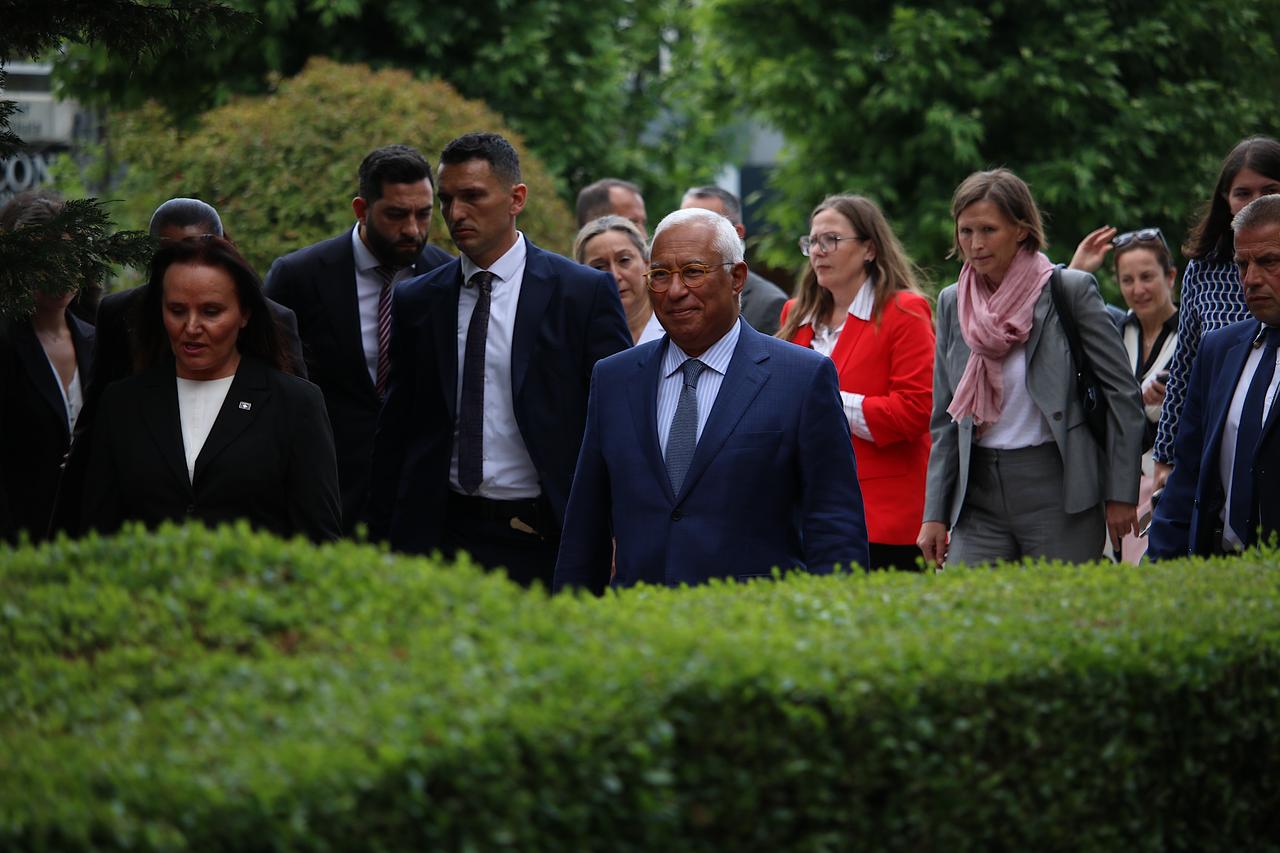


European Council President Antonio Costa said Monday that the prospect of European Union enlargement in the Western Balkans is "real" as he began a tour of the region ahead of a summit between EU leaders and Western Balkan partners in Montenegro.
“My visit to the region sends a clear signal: our commitment to the Western Balkans is real, and so is the opportunity of enlargement. The momentum is there. Now is the time to deliver,” Costa wrote on X.
Costa's tour, which runs from June 1-4, includes visits to all six Western Balkan partners ahead of the EU-Western Balkans Summit in Tivat on June 5, which he will co-chair. Discussions have focused on enlargement, gradual integration, regional cooperation, security and stability.
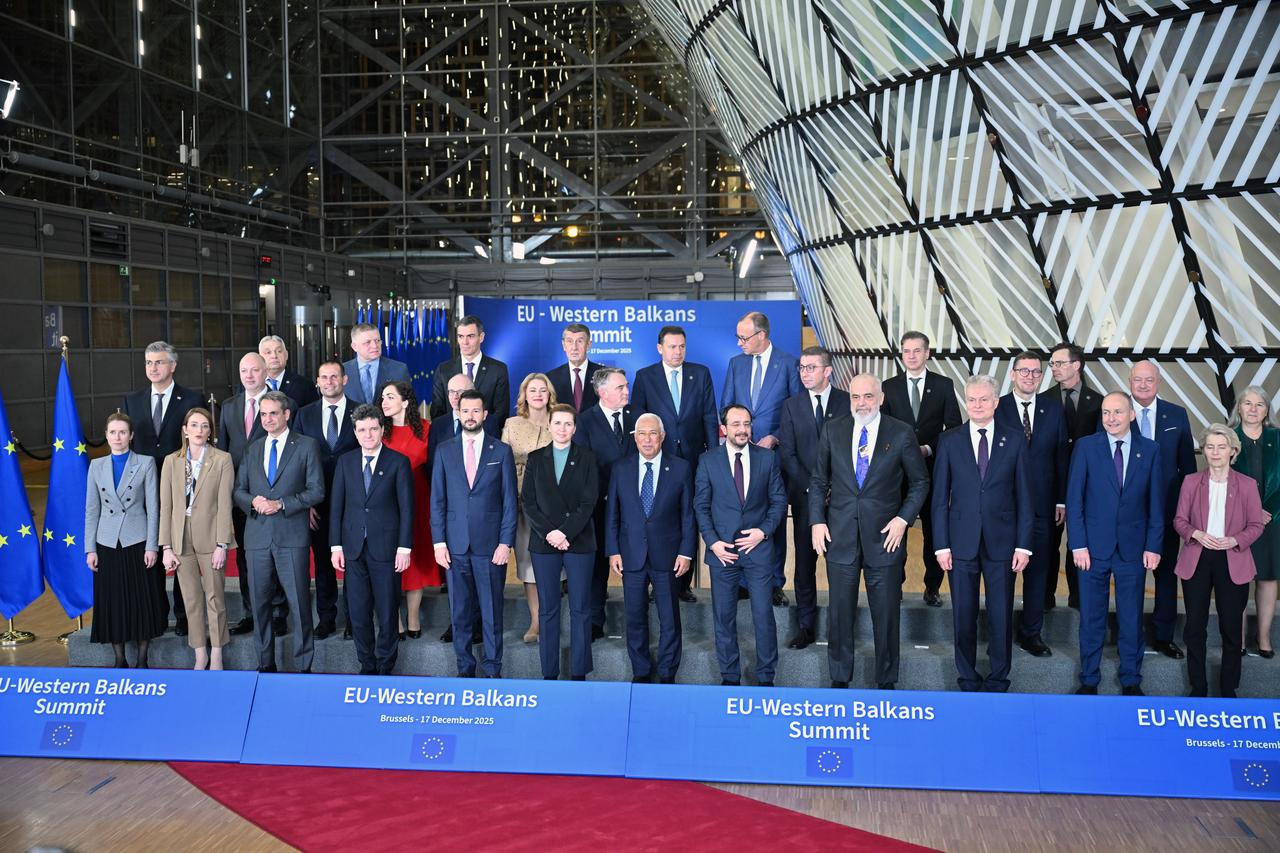
The summit is expected to bring together senior EU leaders, including European Commission President Ursula von der Leyen, French President Emmanuel Macron and German Chancellor Friedrich Merz in what is being described as one of the highest-profile enlargement gatherings in recent years.
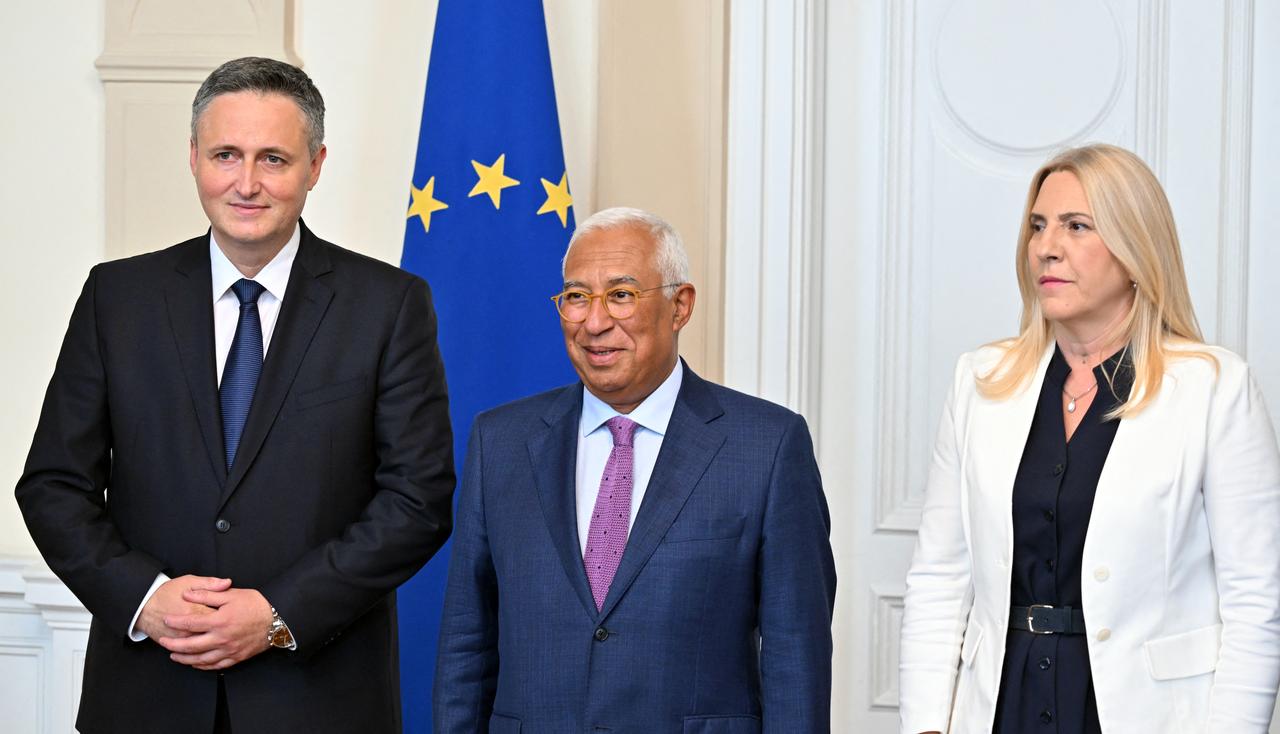

Costa began his tour in Sarajevo, where he urged Bosnia and Herzegovina to accelerate reforms needed to advance its EU accession process.
“You are only a few steps away from the next tangible phase in the opening of accession negotiations–now is the time to focus on your goal and accelerate the pace of reforms,” he said.
Costa called on Bosnian authorities to adopt the two remaining judiciary reforms and appoint a chief negotiator for accession talks, saying the country could make rapid progress by aligning more closely with EU legislation.
“The road ahead is demanding but there are some low-hanging fruits to seize if you deliver on the alignment with the European Union legislation,” he said.
His visit came ahead of a decision on the successor to outgoing High Representative Christian Schmidt, whose position was established under the Dayton Agreement.
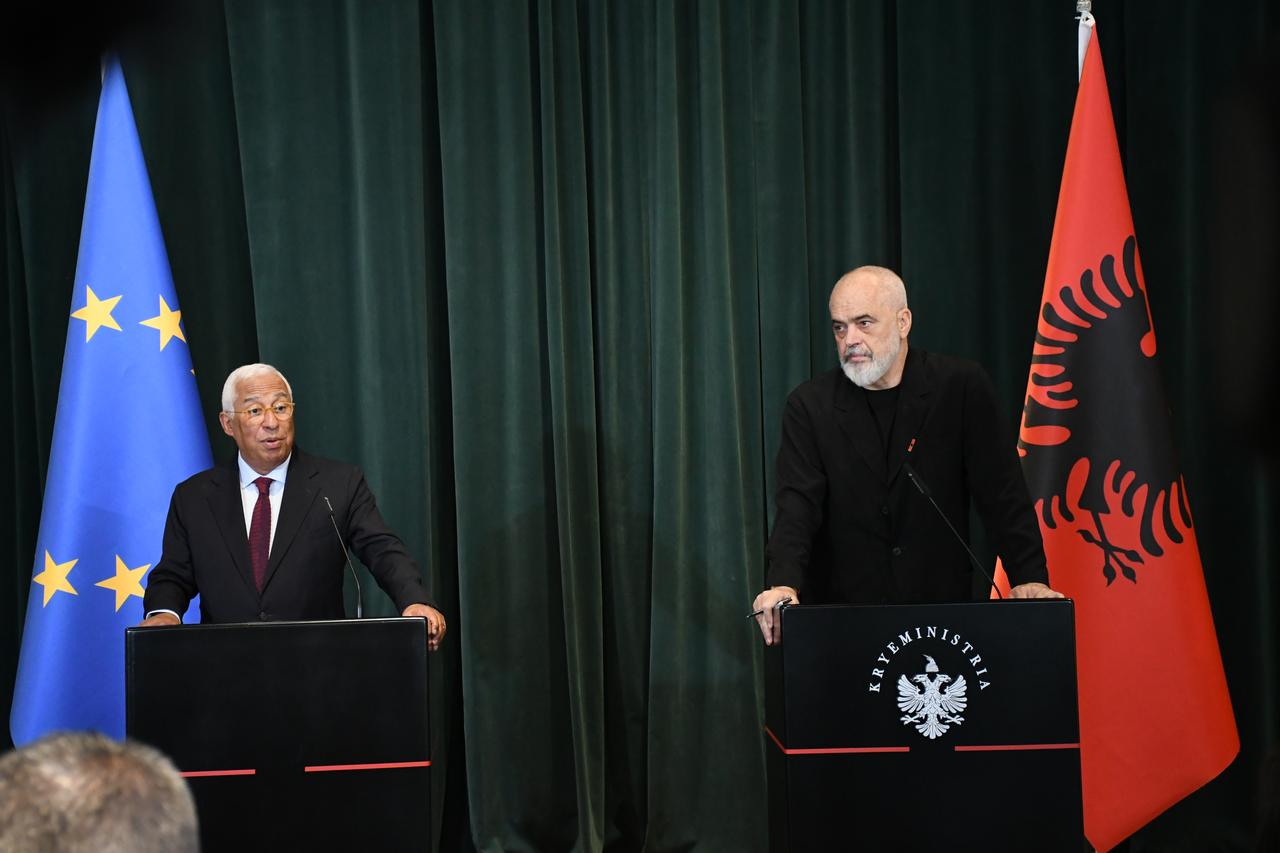
During a visit to Tirana, Costa praised Albania's progress toward EU membership following the latest accession conference.
“The latest EU-Albania Accession Conference represents a clear recognition by the member states of Albania's commitment to further advance on the path towards membership of the European Union,” he said after meeting Prime Minister Edi Rama.
Costa said Albania had made tangible progress, particularly in meeting interim benchmarks under the "fundamentals" cluster of negotiations, but stressed that the next stage would focus on implementation.
“This marks the beginning of a demanding next phase in the process, focused on implementation and a solid track record,” he said.
He highlighted reforms related to the rule of law, judicial independence, anti-corruption efforts and the fight against organized crime as key priorities.
“EU enlargement in the global context is not only an opportunity but also a geostrategic necessity. It is an investment in the peace, stability and security of our continent,” Costa added.
In Skopje, Costa met Prime Minister Hristijan Mickoski and reiterated support for the country's EU aspirations.
“North Macedonia’s future is definitely within the European Union,” Costa said, adding that Brussels wants to formally launch accession negotiations “as soon as possible.”
He welcomed what he described as “concrete progress” in reforms related to the rule of law and public administration, while noting that constitutional amendments agreed under the 2022 framework remain the next step toward opening negotiations.
“Enlargement is the EU's and North Macedonia’s shared goal,” Costa said.
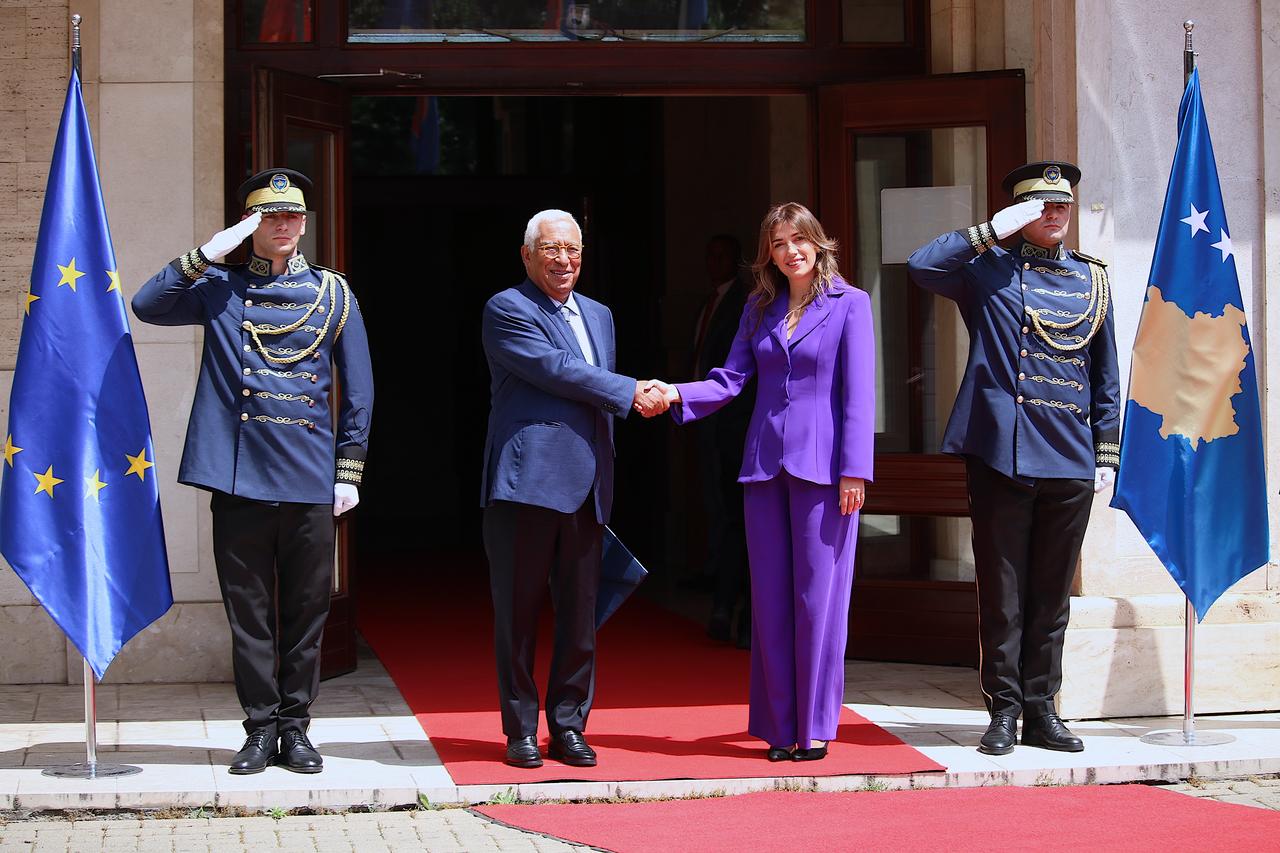
During a visit to Pristina, Costa said Kosovo needs strong and stable institutions capable of implementing reforms and fulfilling commitments under the Belgrade-Pristina dialogue process.
“As Kosovo heads to elections this weekend, my message is clear: Our partnership comes with responsibilities,” he wrote on X.
“Kosovo needs strong, stable and functioning institutions that can implement reforms, seize the opportunities offered by the EU and fulfill all commitments under the Belgrade-Pristina Dialogue.”
Costa met acting President and Parliament Speaker Albulena Haxhiu, with discussions focusing on Kosovo's EU integration process, the Western Balkans Growth Plan and reform efforts.
He stressed that progress on EU accession and implementation of the Growth Plan requires national consensus and cooperation across political divides.
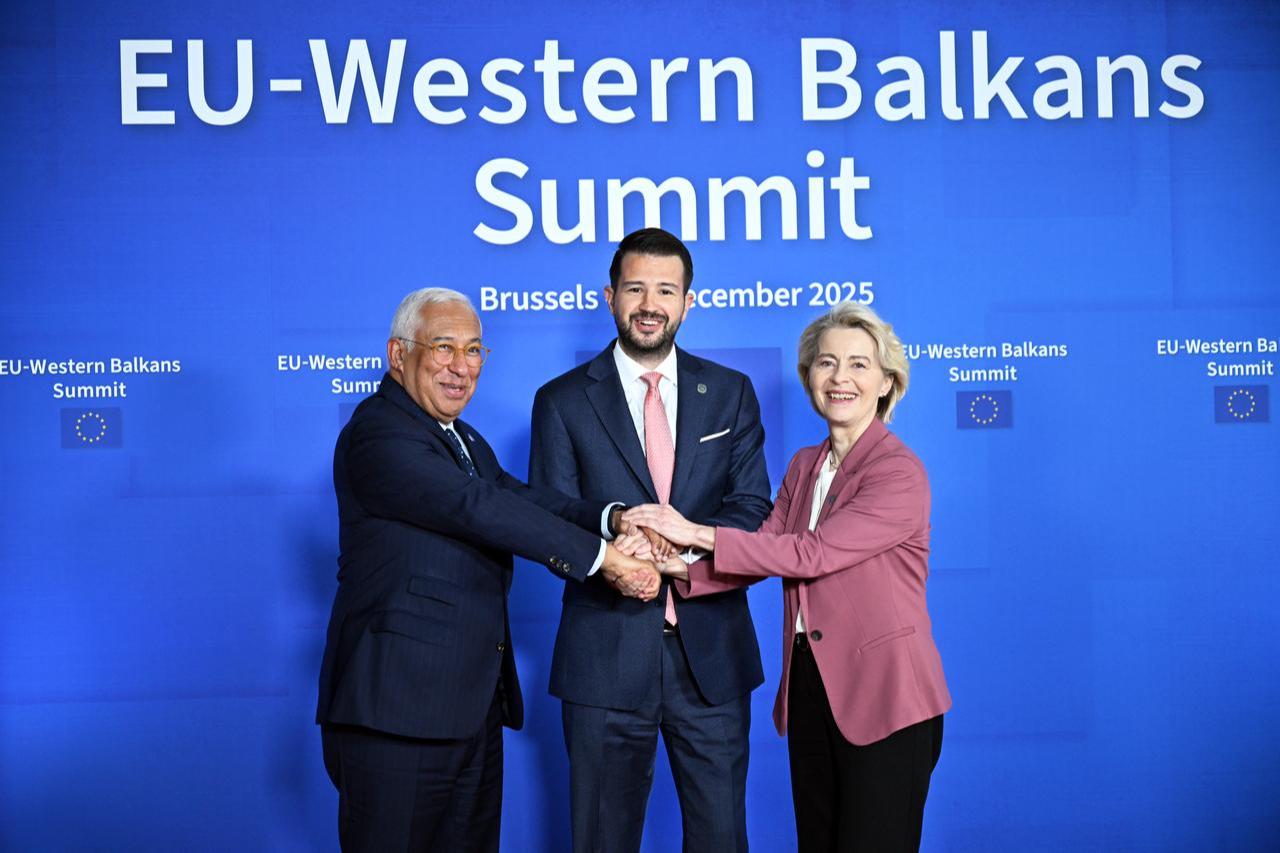
Costa is expected to travel to Belgrade on June 4 before attending a dinner hosted by Montenegrin President Jakov Milatovic in Tivat, marking the 20th anniversary of Montenegro's independence.
On June 5, Costa will co-chair the EU-Western Balkans Summit, which will focus on “Shared prosperity and stability of the EU and the Western Balkans.”
“Friday’s event in the Adriatic Sea resort of Tivat will be a clear demonstration of our determination to bring forward our cooperation and build on the momentum of the European Union’s enlargement,” Costa said.
Among the region's candidates, Montenegro and Albania are widely regarded as the frontrunners in the accession process, while Serbia's path remains complicated by domestic political developments and unresolved issues in its relations with Kosovo.


 Set as preferred source
 Set as preferred source


 1 min read

 1 min read


