Newsletters


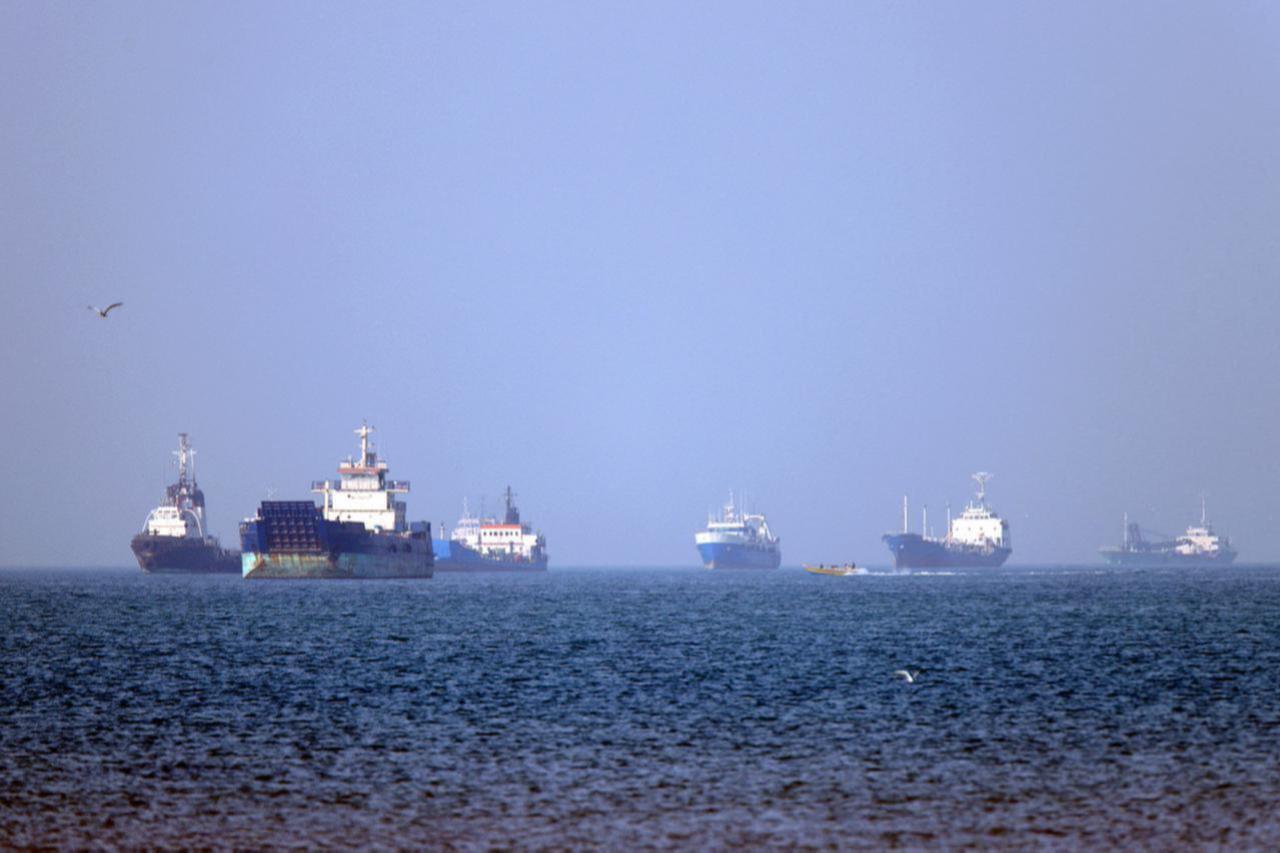


The naval forces of Iran’s Islamic Revolutionary Guard Corps (IRGC) are allowing more ships to pass through the strategic Strait of Hormuz, Iranian state television reported on Friday, after Tehran largely restricted traffic through the waterway following U.S.-Israeli strikes earlier this year.
Since the outbreak of the war on Feb. 28, Iran has heavily limited maritime traffic through the strait, while the United States later imposed its own blockade targeting Iranian ports.
“More vessels can now pass through the Strait of Hormuz with the coordination of the naval forces of the IRGC,” a state TV reporter said from the southern port city of Bandar Abbas.
“This indicates that many countries have accepted the new legal protocols that Iran and the IRGC naval forces have established in this region and in the Strait of Hormuz,” the report added.
Iranian state television said Thursday that more than 30 ships had recently been allowed to transit the key maritime corridor under IRGC supervision.
The Strait of Hormuz is one of the world’s most critical energy chokepoints, accounting in peacetime for roughly one-fifth of global oil and liquefied natural gas shipments.
Iran’s restrictions on maritime traffic, combined with the U.S. naval blockade targeting Iranian ports, have continued to unsettle global energy markets despite a fragile ceasefire that has been in place since April 8.
Control over the strait remains one of the main disputes in negotiations between Tehran and Washington, which have so far failed to produce a broader breakthrough agreement.
Iranian lawmakers have also debated proposals to tighten state control over maritime traffic in the strait, including imposing tolls on passing vessels.
Last month, Iranian Deputy Parliament Speaker Hamidreza Hajibabaei said Tehran had already received its first revenues from fees imposed on ships crossing the strategic waterway.


 Set as preferred source
 Set as preferred source


 1 min read

 1 min read