Newsletters


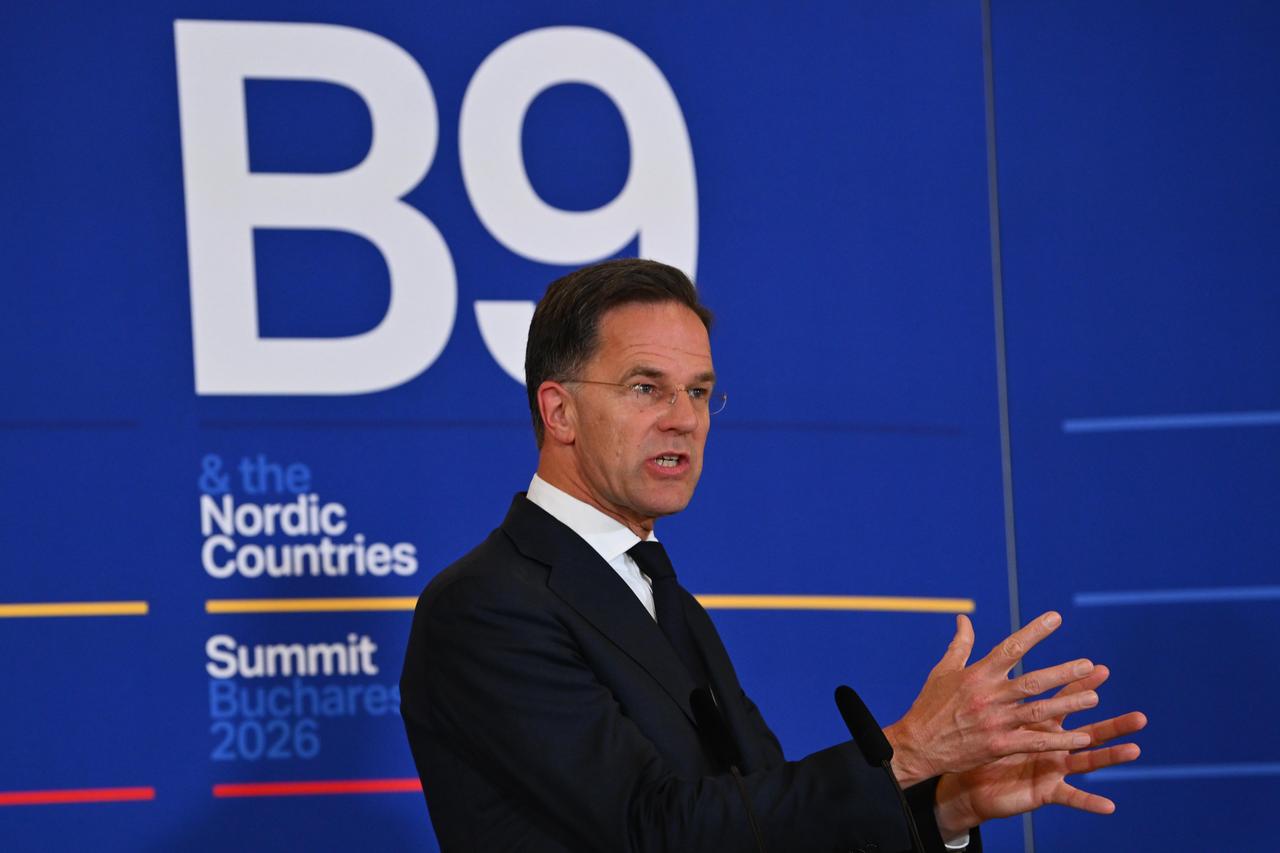


NATO Secretary-General Mark Rutte will meet top European defense companies in Brussels next week to press them to rapidly increase investment and production capacity.
A particular focus on air defense, long-range missiles, and intelligence and surveillance capabilities, in a bid to demonstrate industrial expansion ahead of the NATO Leaders' Summit in Ankara in July, the Financial Times (FT) reported, citing people familiar with the matter.
Companies attending the Brussels meeting were asked in advance to share information on major investment plans and their capacity to boost production.
Expected attendees include representatives of Rheinmetall, Safran, Airbus, Saab, MBDA and Leonardo. Airbus confirmed to the FT it would not comment on "the details of private, informal meetings."
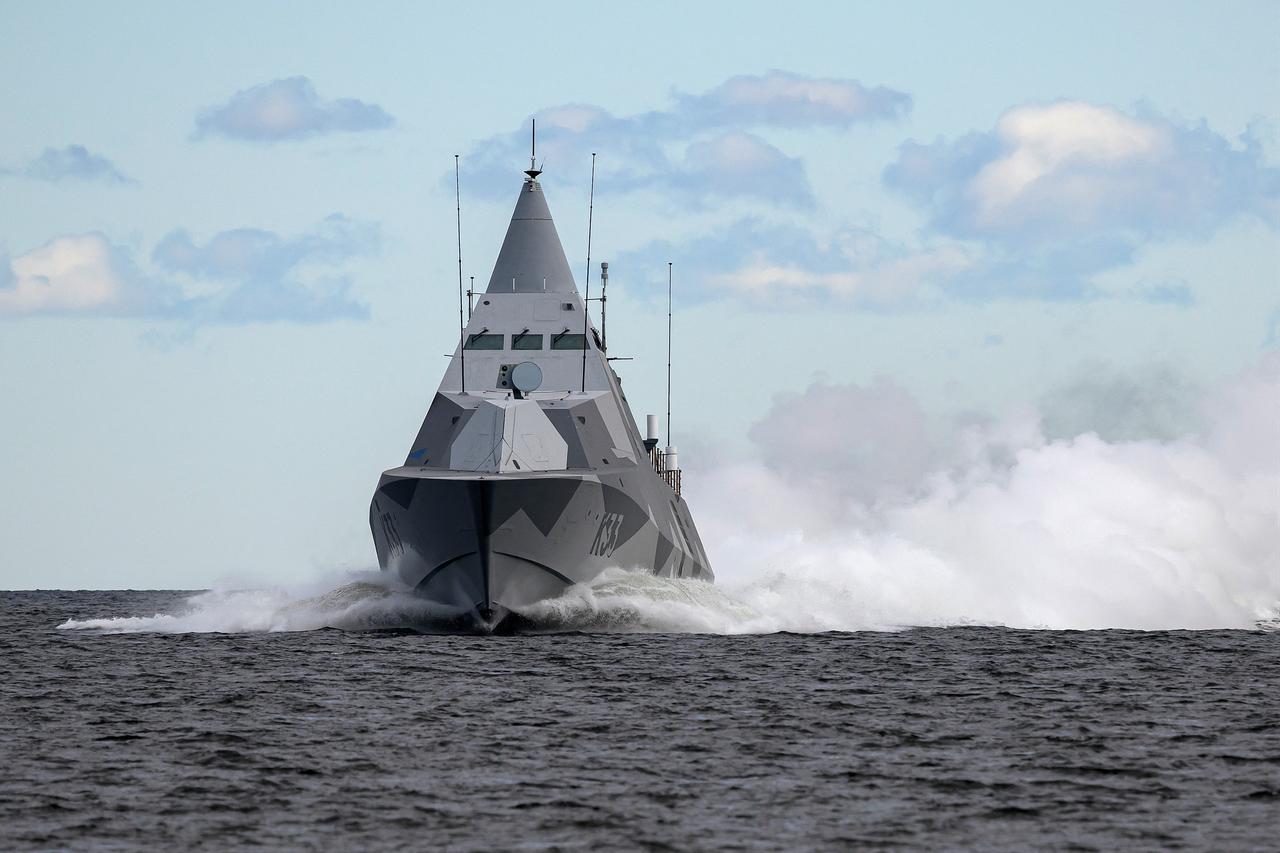

The FT reports that Rutte wants European companies to invest rapidly without waiting for new government procurement contracts, and that the Brussels meeting is intended to lay the groundwork for key announcements at the Ankara summit.
Focusing the July meeting on arms deals would allow Trump to claim credit for the surge in European spending, officials briefed on the preparations told the FT.
"It's about making the defense spending increase look more real," one official said.
At last year's NATO Summit in The Hague, members agreed to Trump's call to raise defense spending to 5% of GDP. The FT notes that if European NATO allies hit the 5% target, it would amount to a combined $1 trillion increase in annual defense expenditure by 2035 compared to 2024.
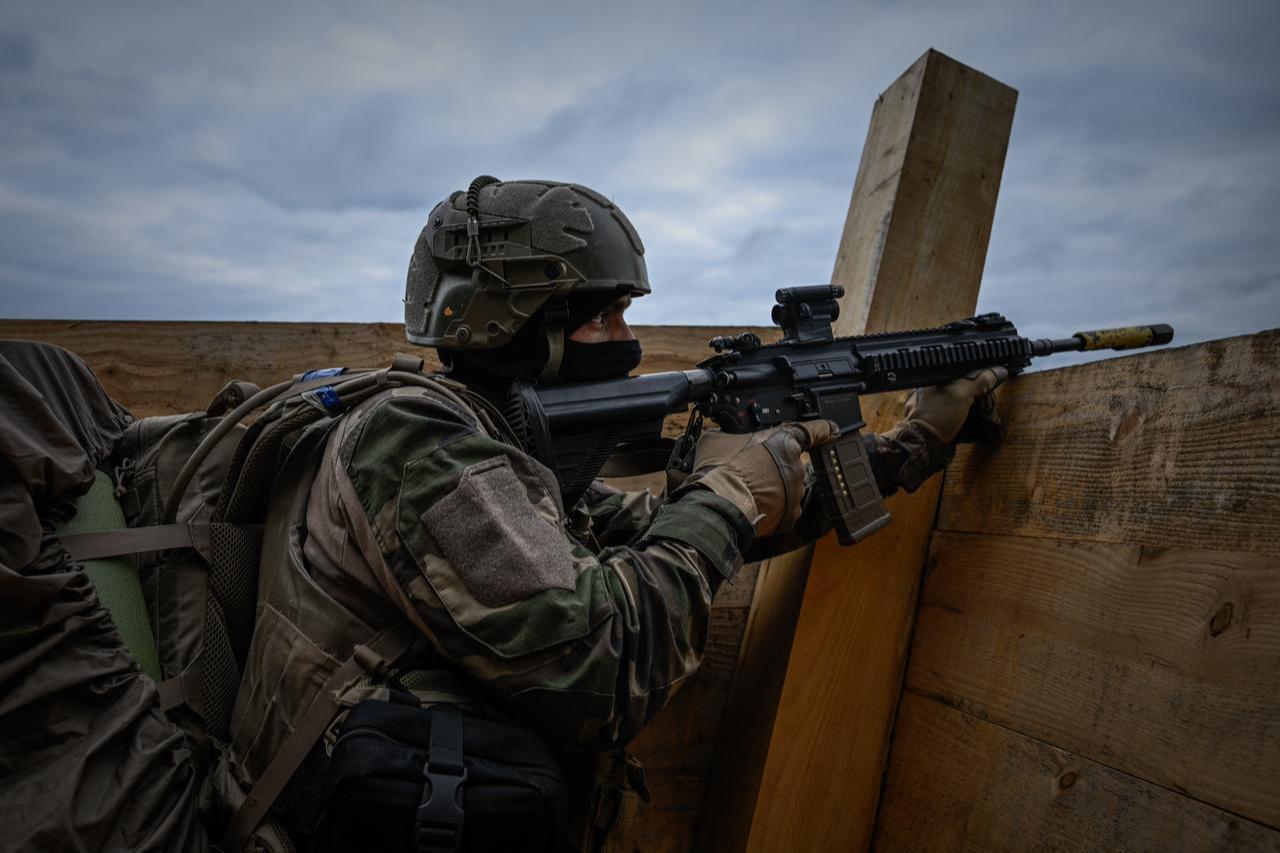
The FT reports that Rutte also wants to hear from companies about barriers to expanding production. While European groups have made progress on ammunition shortages, access to long-range missiles is now one of the most pressing gaps.
Berlin is attempting to purchase American Tomahawk cruise missiles, an effort made more urgent after the Pentagon cancelled plans to deploy its own equipment to Germany, while Europe simultaneously presses domestic companies to accelerate development of alternatives.
The Pentagon's early May announcement of a 5,000-troop withdrawal from Germany, triggered by the dispute between Trump and Chancellor Friedrich Merz over the Iran war, and the U.S. burning through years of critical munitions during the conflict, both served as fresh "wake-up calls" to European capitals about the need to rapidly increase production, the FT's sources said.
The FT also reports that discussions in Brussels will include how to reduce European defense industrial dependence on Chinese and Taiwanese components, and that some companies will present plans covering new factory construction, personnel expansion and raw material sourcing.


 Set as preferred source
 Set as preferred source


 1 min read