Newsletters


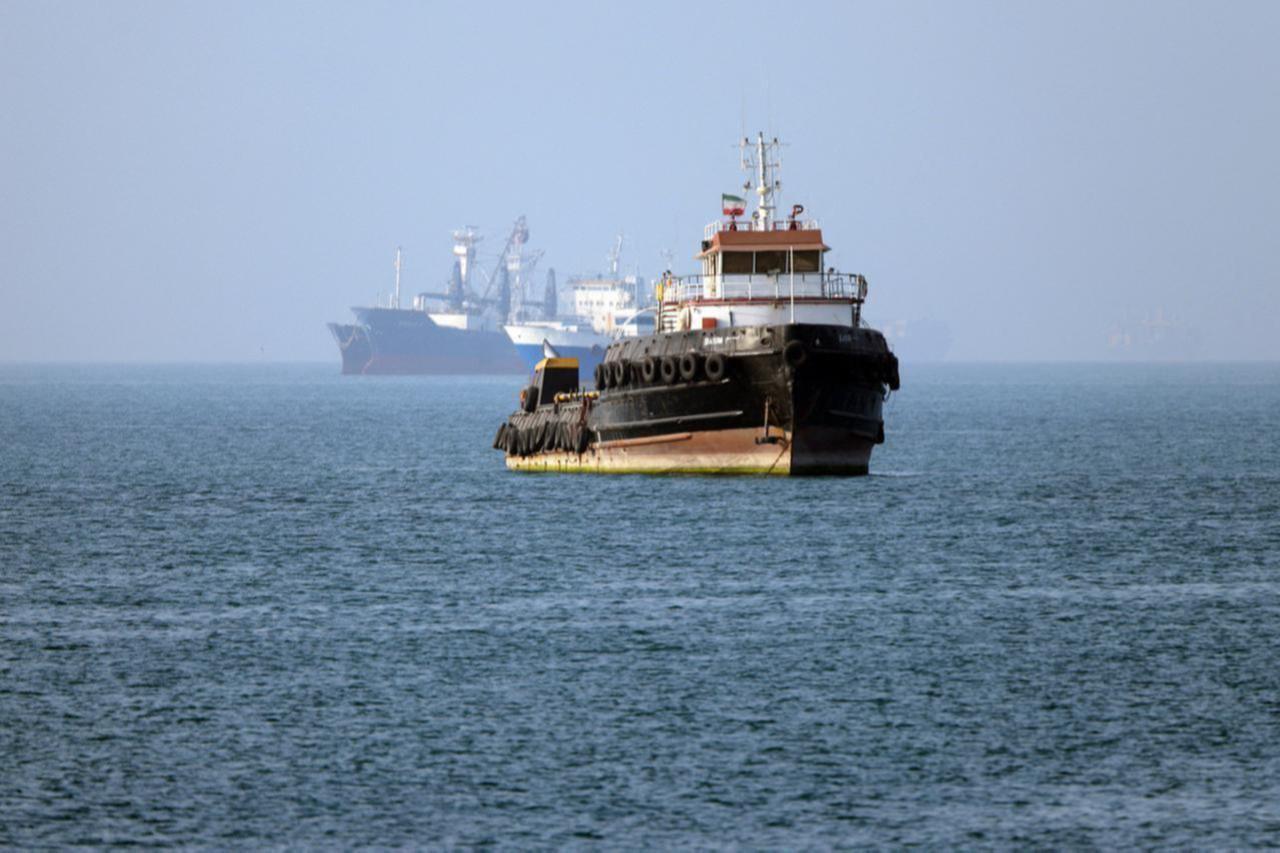


U.S. Energy Secretary Chris Wright said shipping traffic through the Strait of Hormuz, disrupted by the war that began with U.S.-Israeli attacks on Iran, would resume “as soon as possible” and no later than this summer.
Speaking to CNBC, Wright described the disruption in the strait as a “temporary interruption” and assessed the latest situation in the energy sector and the key waterway.
“Traffic in the Strait of Hormuz will absolutely begin as soon as possible, at some point this summer at the latest,” Wright said.
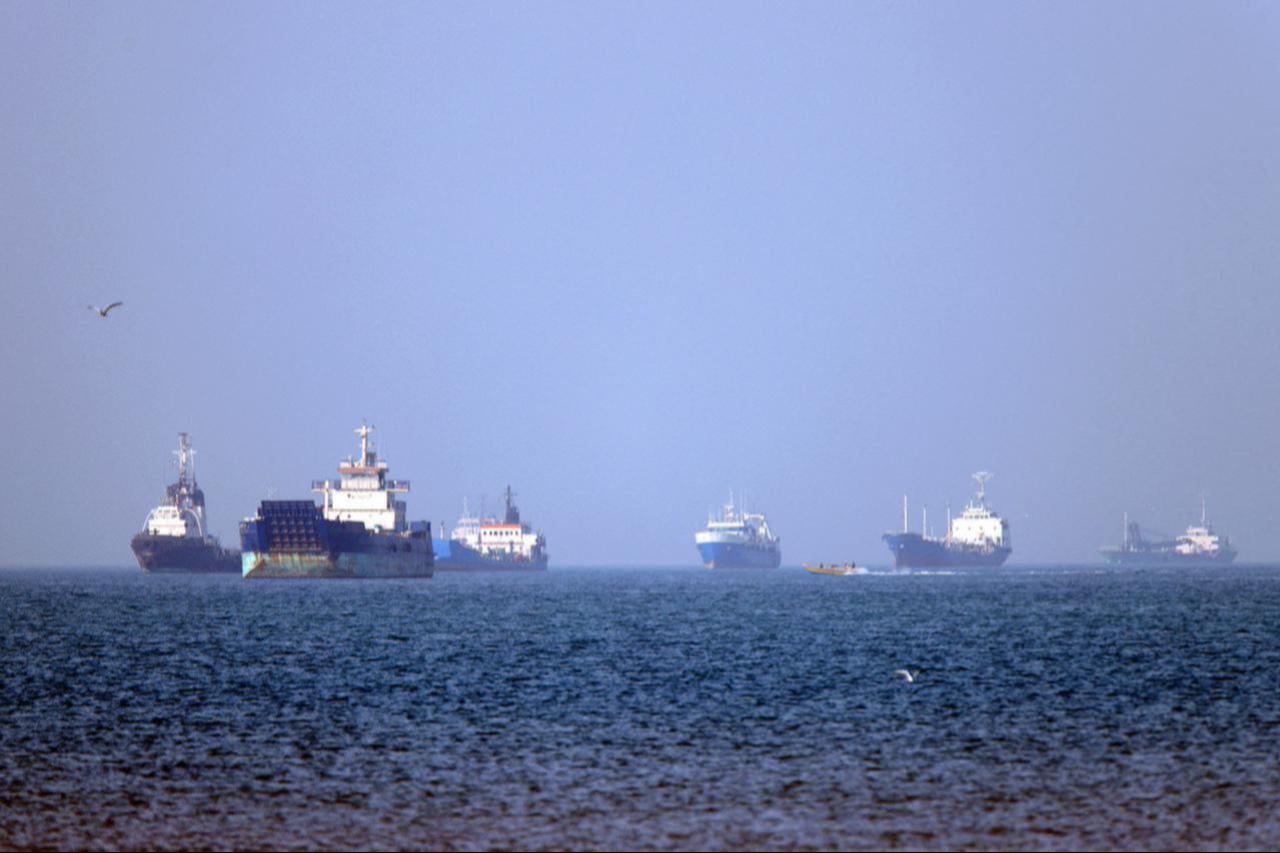

Iran closed the Strait of Hormuz to transit after the war began with joint U.S.-Israeli attacks on Feb. 28.
The closure affected one of the world’s strategic energy transit routes and drove oil prices up by as much as 65% compared with pre-war levels.
After a ceasefire agreement was reached between the U.S. and Iran on April 8, talks mediated by Pakistan failed to produce a result.
U.S. President Donald Trump then decided on April 13 to impose a naval blockade on Iran and began intervening against Iran-linked vessels entering and leaving the Strait of Hormuz.
Iran announced on April 17 that commercial vessels could pass through the Strait of Hormuz during the Lebanon ceasefire, provided they coordinated with the Iranian navy.
However, after the U.S. said it would continue the naval blockade, Iran announced that it had reimposed restrictions on passage through the strait.
During this period, the U.S. attacked and seized some Iranian commercial vessels in the Sea of Oman and the Indian Ocean.
Iran responded by intervening against and seizing several vessels near the Strait of Hormuz, including one linked to Israel.


 Set as preferred source
 Set as preferred source


 1 min read

 1 min read