Newsletters




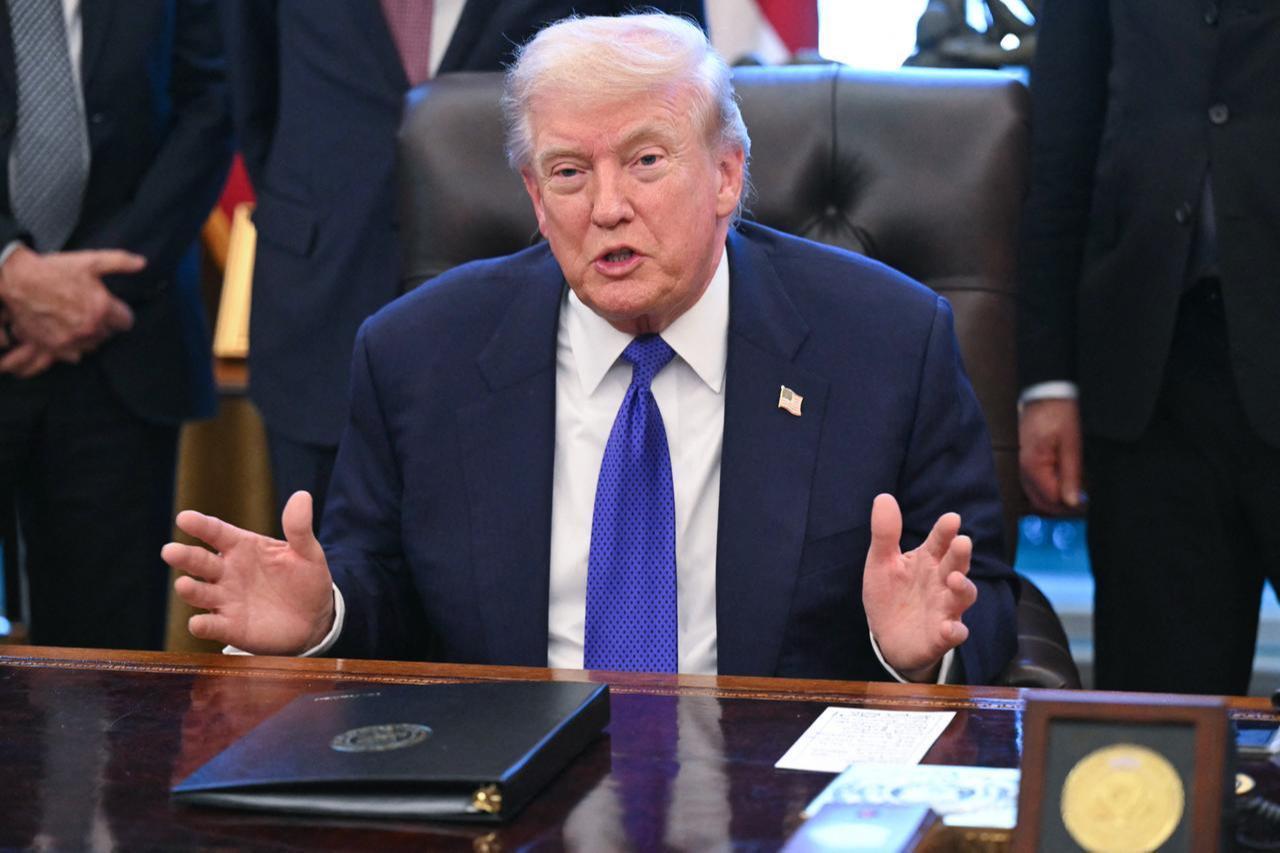
U.S. President Donald Trump warned Monday that "probably bad things will happen" if negotiations with Iran do not succeed.
While Iranian President Masoud Pezeshkian confirmed Tuesday that he has ordered the start of nuclear talks with the United States, with the two sides' envoys expected to meet in Istanbul on Friday.
"We have ships heading to Iran right now, big ones, the biggest and the best, and we have talks going on with Iran. We'll see how it all works out," Trump told reporters at the White House.
"But right now, we're talking to them. We're talking to Iran, and if we could work something out, that'd be great. And if we can't, probably bad things will happen," the U.S. president said.
Trump had previously said a massive "armada" was heading toward Iran while urging Tehran to enter negotiations immediately, later stating that Iran was "seriously talking" with the U.S.

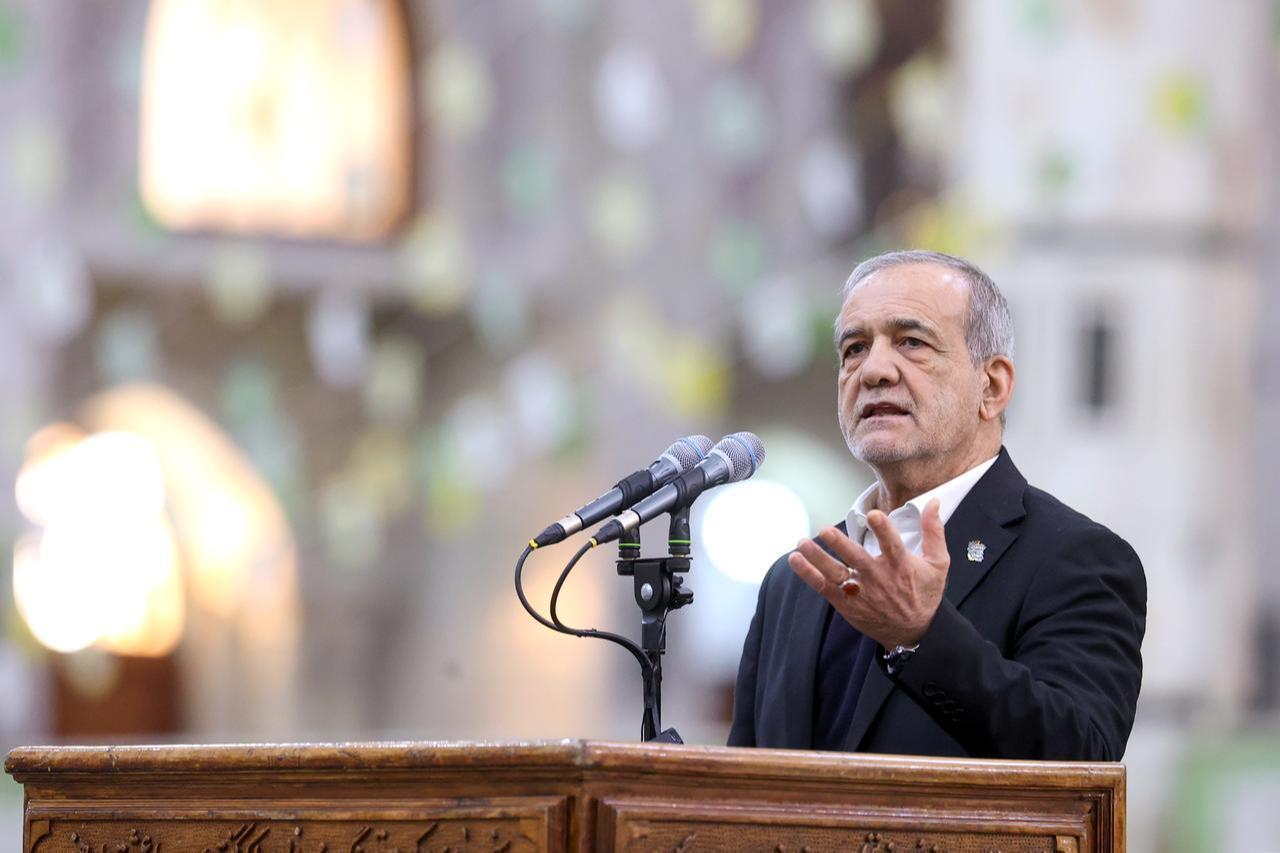
Pezeshkian confirmed on X that he had ordered his foreign minister to pursue negotiations with the U.S., citing requests from friendly regional governments.
"In light of requests from friendly governments in the region to respond to the proposal by the President of the United States for negotiations: I have instructed my Minister of Foreign Affairs, provided that a suitable environment exists — one free from threats and unreasonable expectations — to pursue fair and equitable negotiations, guided by the principles of dignity, prudence, and expediency," Pezeshkian wrote.
"These negotiations shall be conducted within the framework of our national interests," he added.
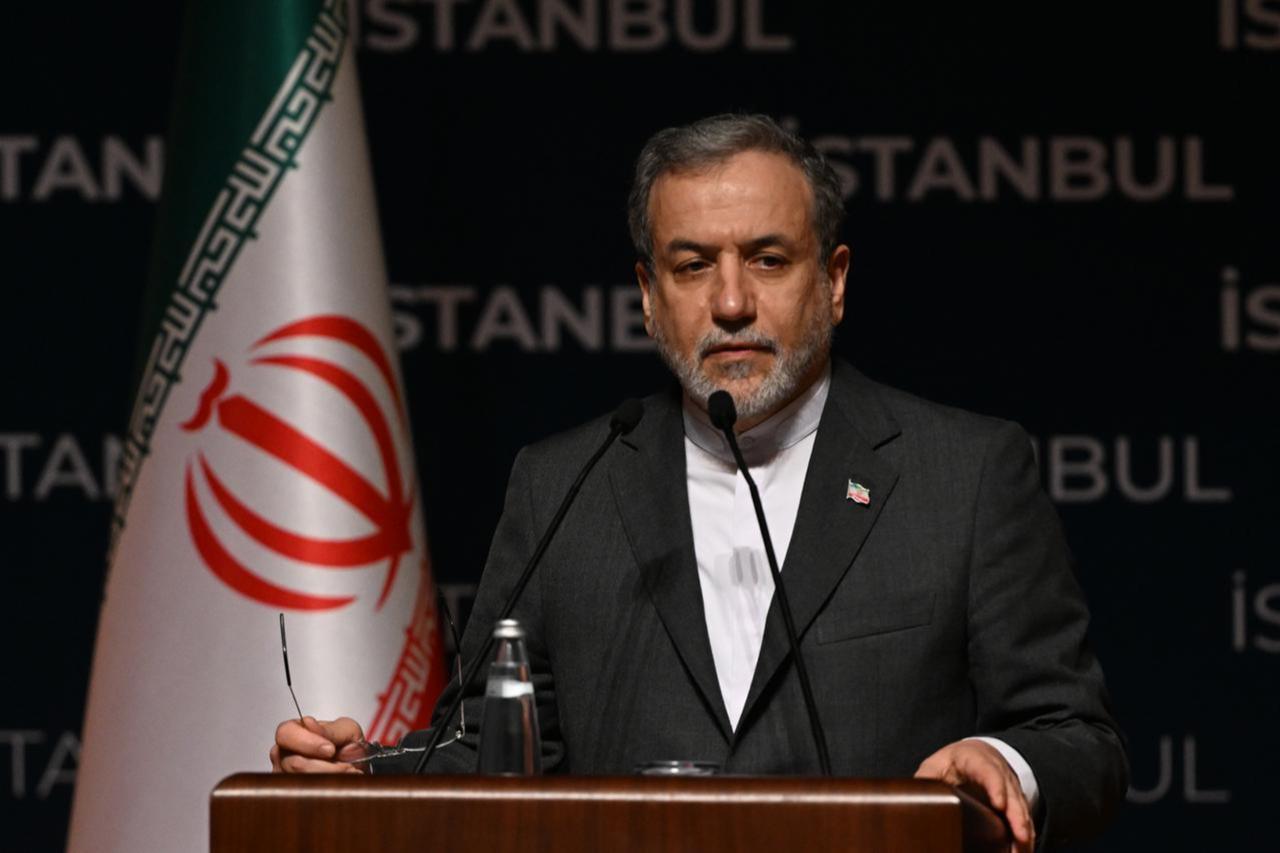
Axios reported that Trump's special envoy Steve Witkoff and Iranian Foreign Minister Abbas Araghchi are expected to hold talks in Istanbul on Friday as part of renewed diplomatic efforts over Iran's nuclear program.
Citing sources familiar with the discussions, the report noted that preparations are underway for the meeting, while another cautioned that plans remain fluid and have not been finalized.
The meeting would mark the first time U.S. and Iranian officials have come together since the 12-day conflict between Iran and Israel in June 2025.
Iranian officials have warned that any U.S. attack would draw a "swift and comprehensive" response.
In June 2025, Israel, backed by Washington, launched a 12-day attack on Iran that targeted military and nuclear sites as well as civilian infrastructure and killed senior commanders and scientists. Iran responded by striking Israeli military and intelligence facilities with missiles and drones before the U.S. carried out a wave of strikes on Iranian nuclear sites.
Trump has threatened military action against Iran amid rising tensions following anti-government protests that began in late December following a collapse of the rial, soaring inflation, and worsening living conditions.
 1 min read
U.N. Secretary-General Spokesman Stephane Dujarric said the UN supports efforts by Türkiye, Qatar, and Egypt to reduce tensions between the U.S. and Iran through dialogue.
"Of course, we support all efforts to reduce tensions, especially in that region, through dialogue. The UN is not involved in any way, but we are always ready to support any effort toward diplomacy," Dujarric said at the daily press briefing at U.N. headquarters in New York.
Axios described the planned Istanbul meeting as "a result of diplomatic efforts by Türkiye, Egypt, and Qatar over the past few days," noting it represents the "best-case scenario" but that "nothing is finalized" until it takes place.
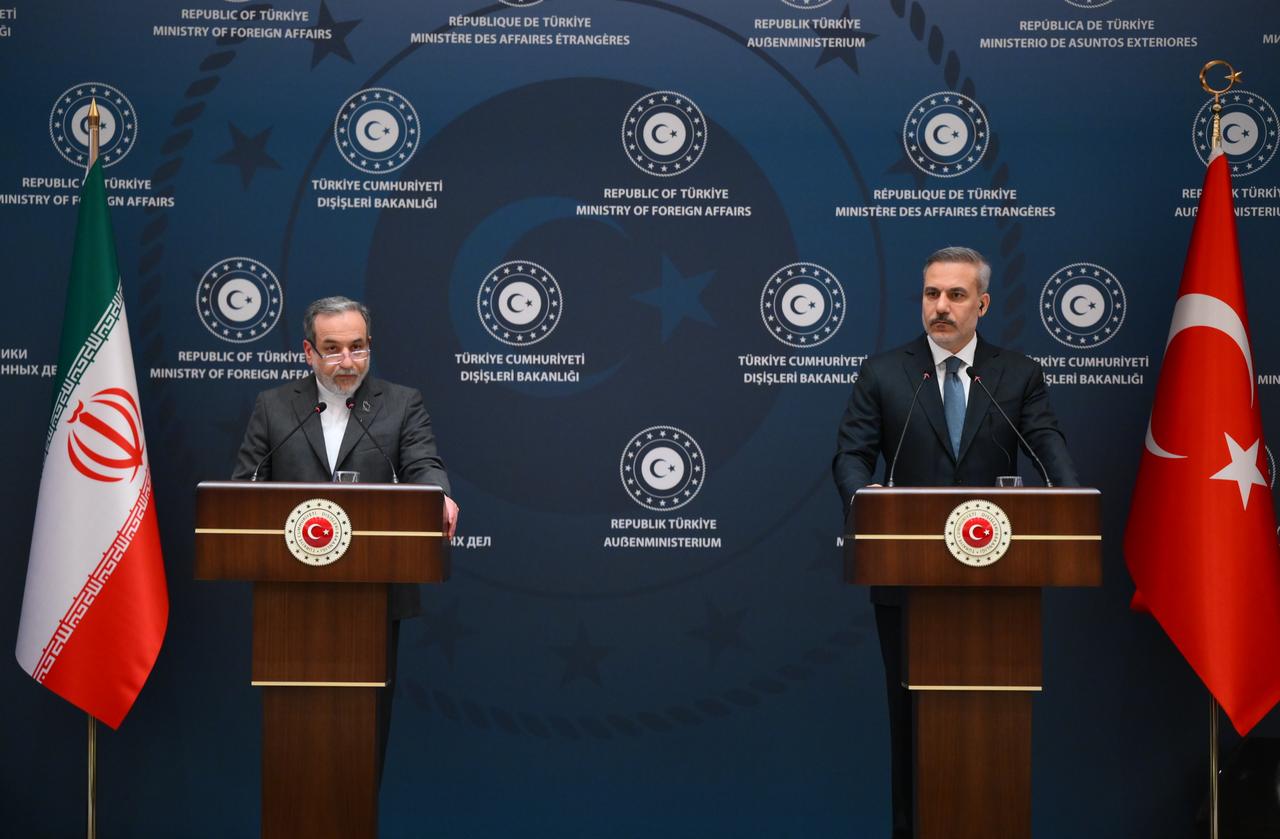
The Axios report said Türkiye, Egypt and Qatar have played a central role in facilitating contacts between Washington and Tehran over recent days.
Araghchi traveled to Istanbul last Friday, where he held talks with President Recep Tayyip Erdogan and Foreign Minister Hakan Fidan. President Erdogan had spoken with Pezeshkian by phone and conveyed Türkiye's readiness to facilitate between Iran and the U.S. to de-escalate tensions.


 Set as preferred source
 Set as preferred source


 1 min read