Newsletters




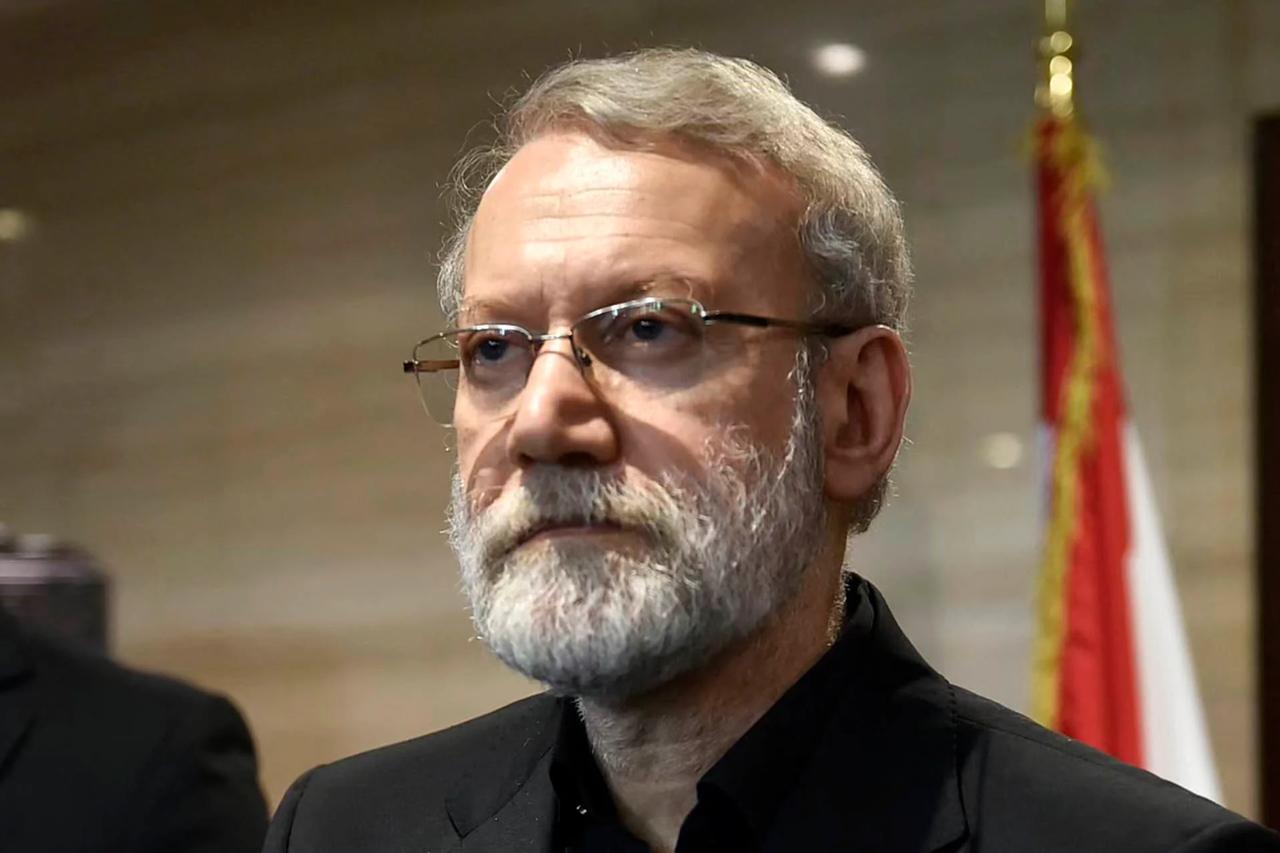
Israeli Prime Minister Benjamin Netanyahu said Tuesday that the killing of Iran’s top security official Ali Larijani was part of efforts to give Iranians a chance to remove their rulers.
“This morning we eliminated Ali Larijani, the boss of the Revolutionary Guards, which is the gang of gangsters that actually runs Iran,” Netanyahu said in a televised statement.
He said the overthrow of Iran’s leadership “will not happen all at once, it will not happen easily. But if we persist in this, we will give them a chance to take their fate into their own hands.”
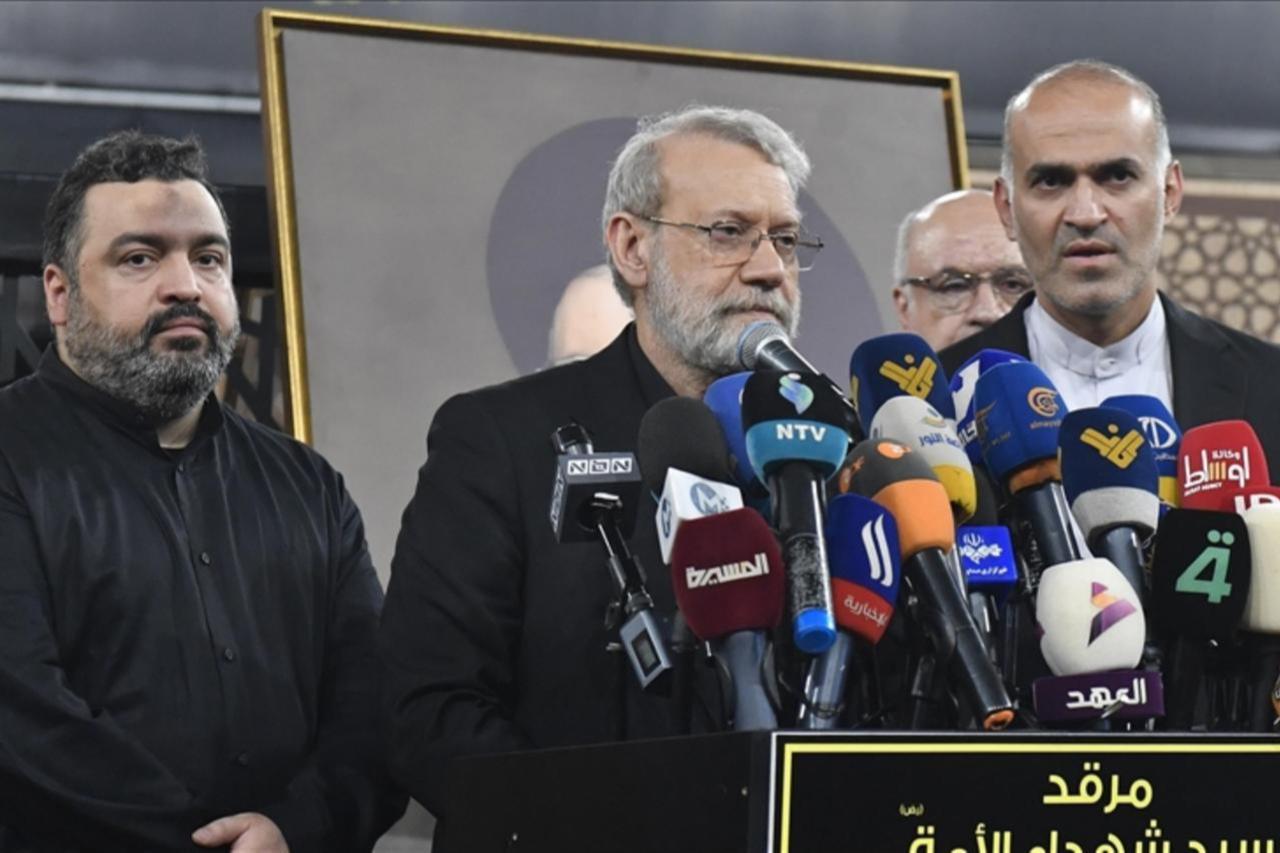
Israel said Tuesday that it had killed Larijani, a key figure in Iran’s ruling system, though there has been no confirmation from Iranian authorities.
Israeli Defense Minister Israel Katz also said Larijani was “eliminated last night.”
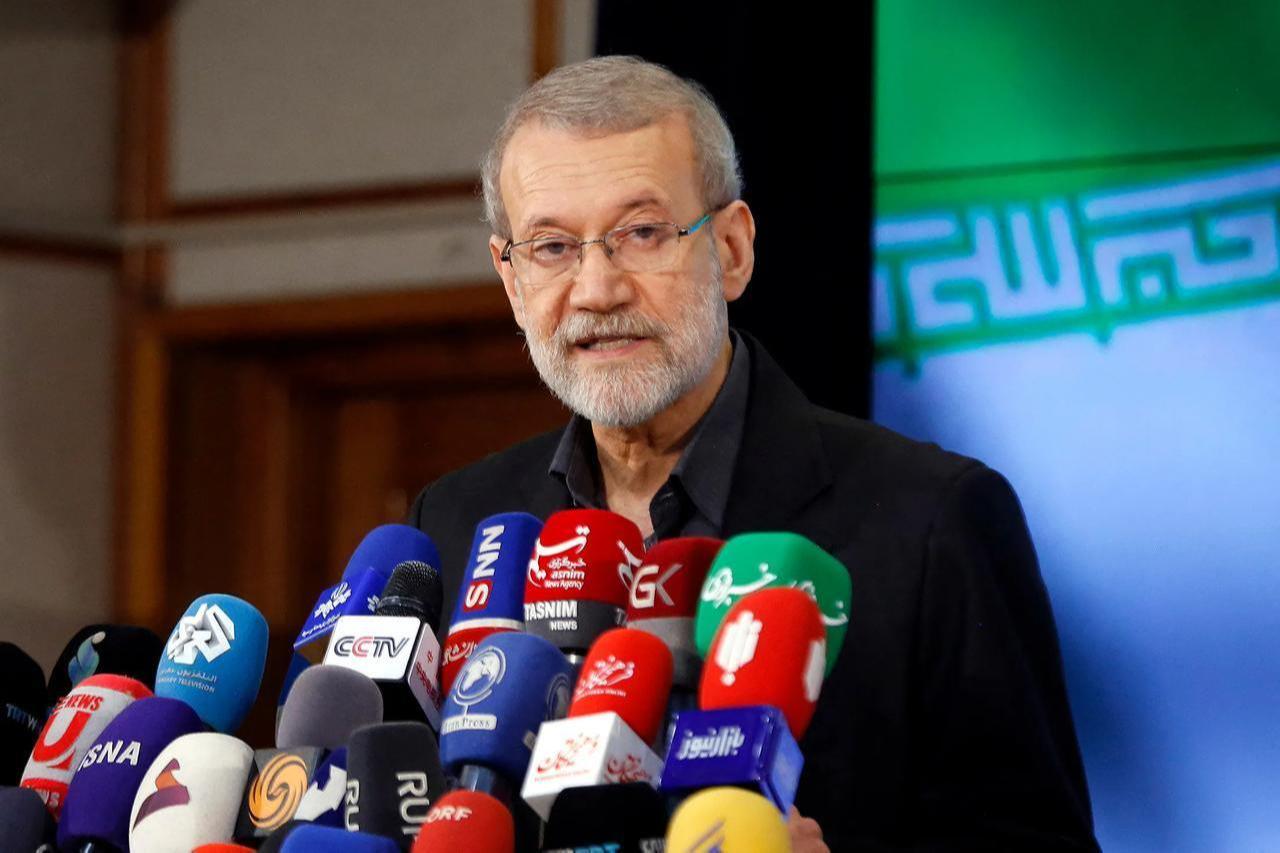

Shortly after Israel’s claim, Larijani’s official social media accounts posted a handwritten note attributed to him paying tribute to Iranian sailors killed earlier this month.
The note was undated and did not address reports of his death.
Larijani, 68, has long been seen as a central figure in Iran’s political and security establishment, closely tied to the late Supreme Leader Ali Khamenei and influential in nuclear policy and strategic diplomacy.
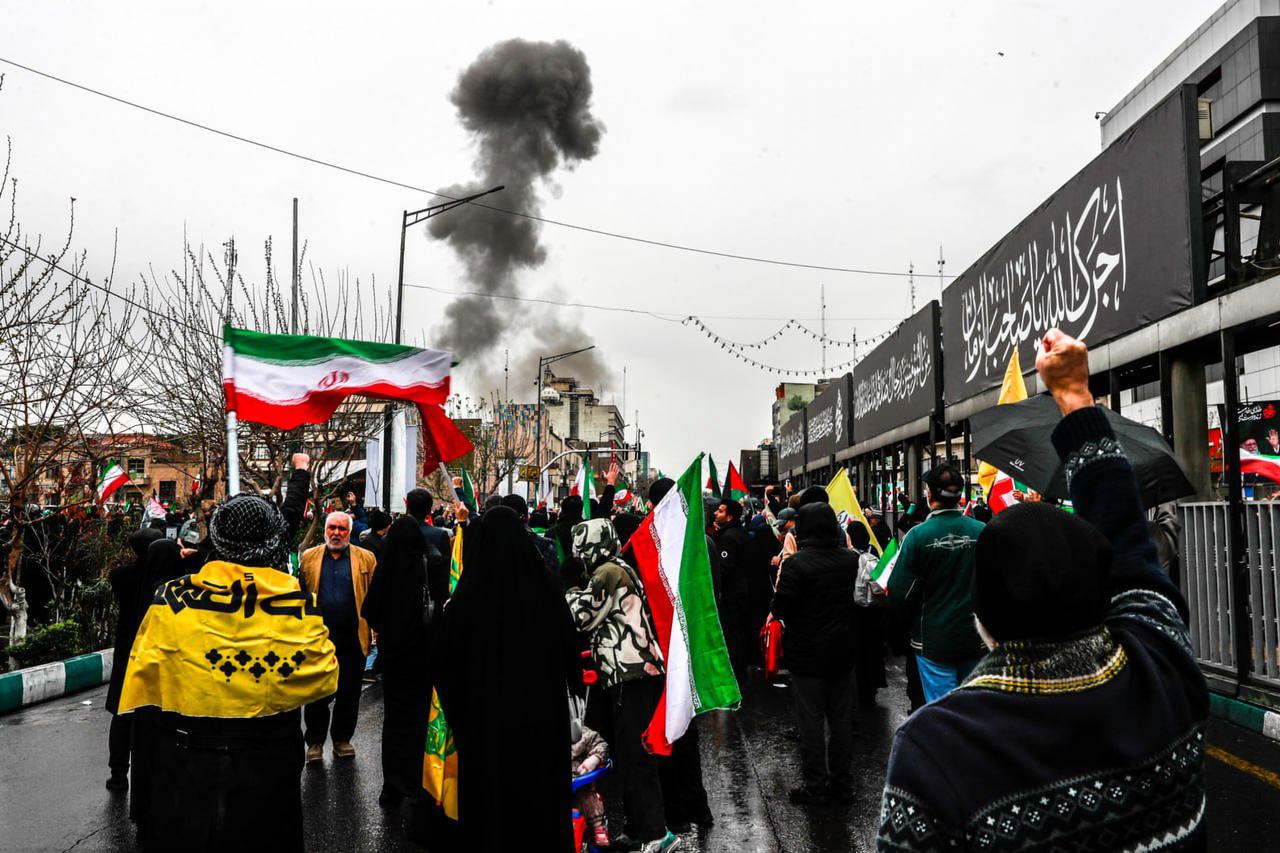
Following the outbreak of the war, his role appeared to expand, as he was seen attending a pro-government rally in Tehran last week, while newly appointed Supreme Leader Mojtaba Khamenei has remained largely out of public view.
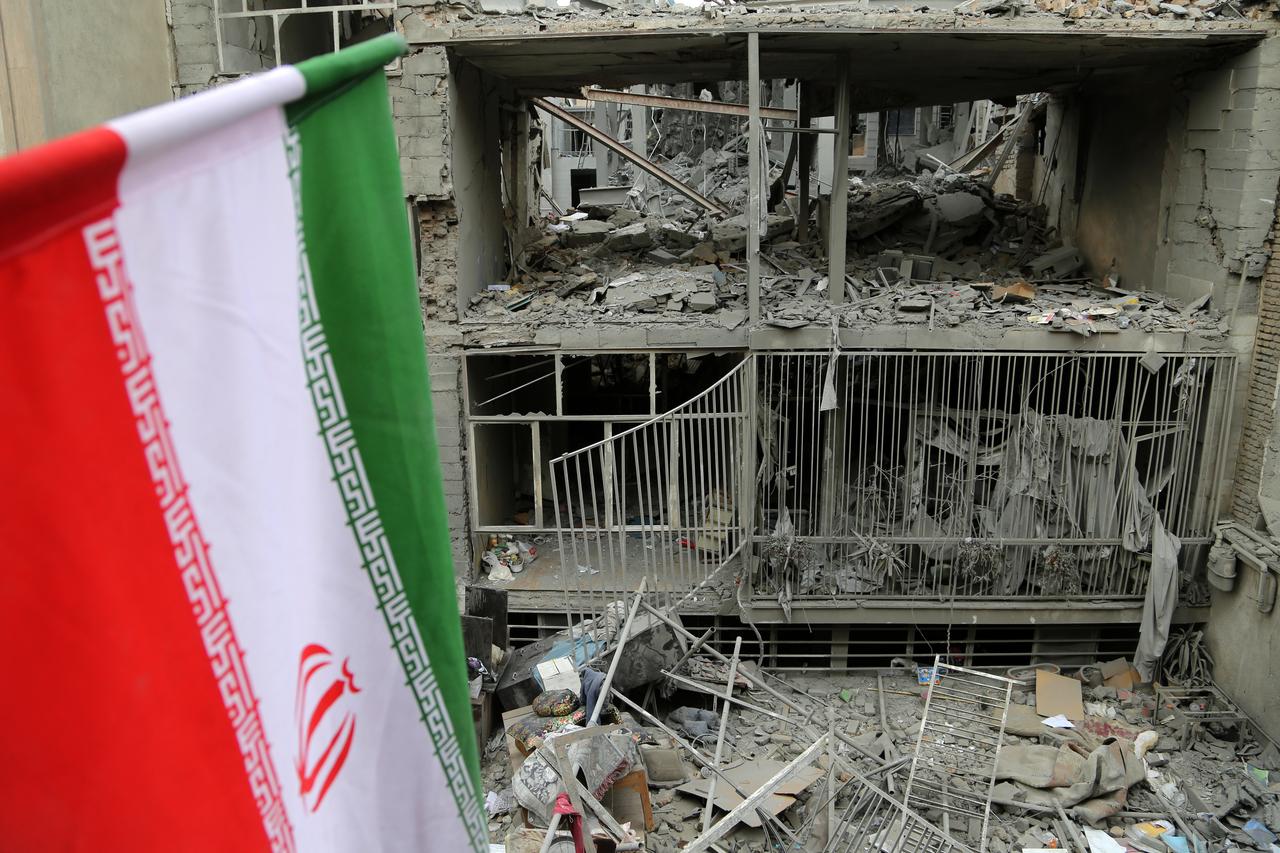
The developments come less than three weeks after U.S.-Israeli strikes on Feb. 28 killed then-Supreme Leader Ali Khamenei, triggering a regional war with global repercussions.
Israel also said Tuesday it had killed Gholamreza Soleimani, head of the Basij paramilitary forces, in a strike on Tehran.
Across the region, hundreds of people have been killed and millions displaced as hostilities continue.
The strikes have killed around 1,300 people in Iran, according to Iranian authorities.
Iran has retaliated with drone and missile strikes targeting Israel, Jordan, Iraq and Gulf countries hosting U.S. military assets, while also targeting energy facilities and shipping routes.
Iran’s threats and attacks on tankers transiting the Strait of Hormuz, through which about one-fifth of global oil passes, have effectively disrupted traffic through the key waterway.
Oil prices rose around 3% on Tuesday as several countries resisted U.S. calls to send warships to help secure the strait.
U.S. President Donald Trump warned it would be “very bad” for NATO’s future if allies refused to participate.
British Prime Minister Keir Starmer said London was working with allies on a “viable” plan to reopen the strait but ruled out a NATO mission.
German Chancellor Friedrich Merz said the war was “not a matter for NATO,” while EU foreign ministers meeting in Brussels signaled little appetite for direct involvement.
Some countries, including India, have negotiated safe passage for ships, while Iraq said it was in contact with Iran over the issue.


 Set as preferred source
 Set as preferred source


 1 min read
 1 min read