Newsletters


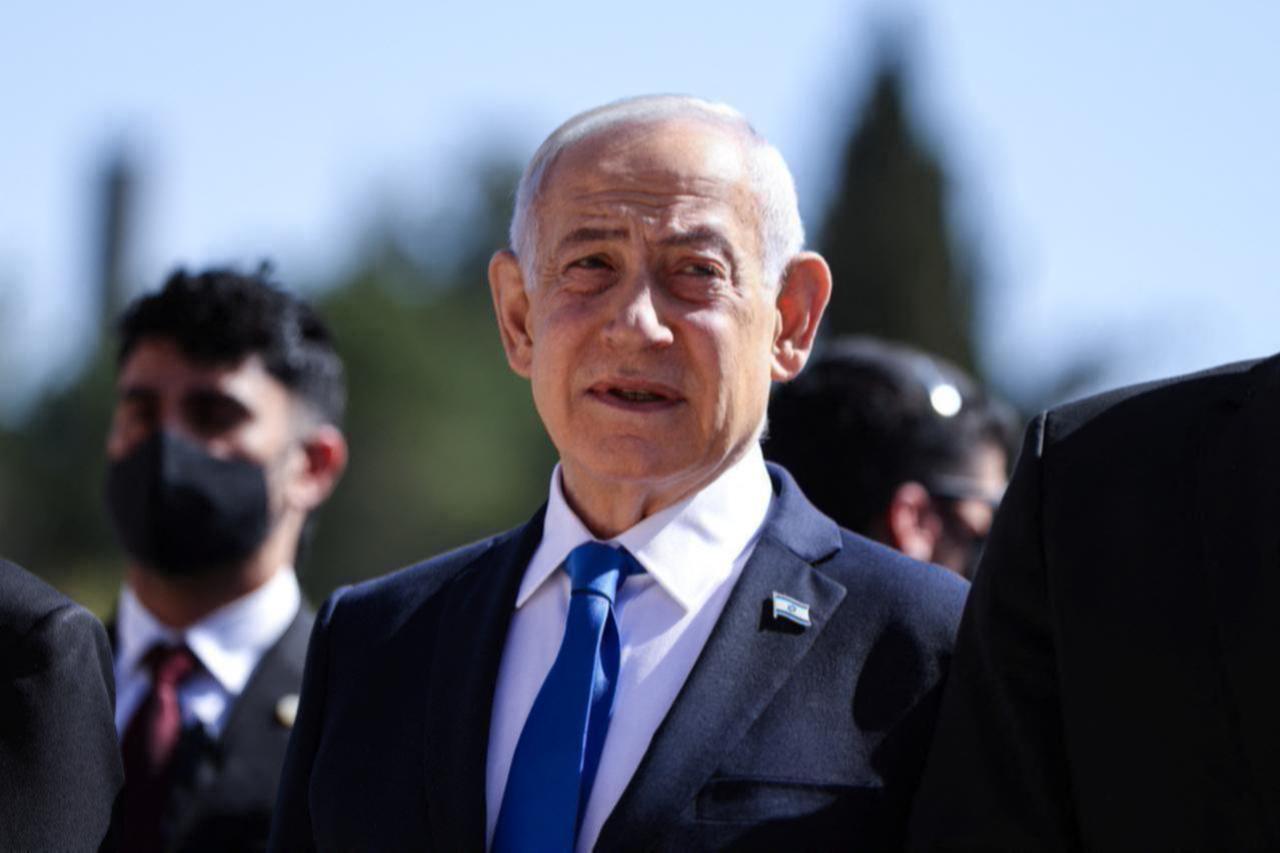


Israeli Prime Minister Benjamin Netanyahu called a restricted security cabinet session for Monday evening to assess Tel Aviv's position on an emerging agreement between Washington and Tehran, as senior Israeli officials and opposition figures voiced alarm over what the deal could mean for the country's stated war objectives.
The meeting, reported by Israeli daily Yediot Ahronot, is scheduled for 7:30 p.m. local time. Its announcement came amid reports that Washington and Tehran are close to finalizing an agreement to end their confrontation, a prospect that has unsettled both government and opposition circles in Tel Aviv.
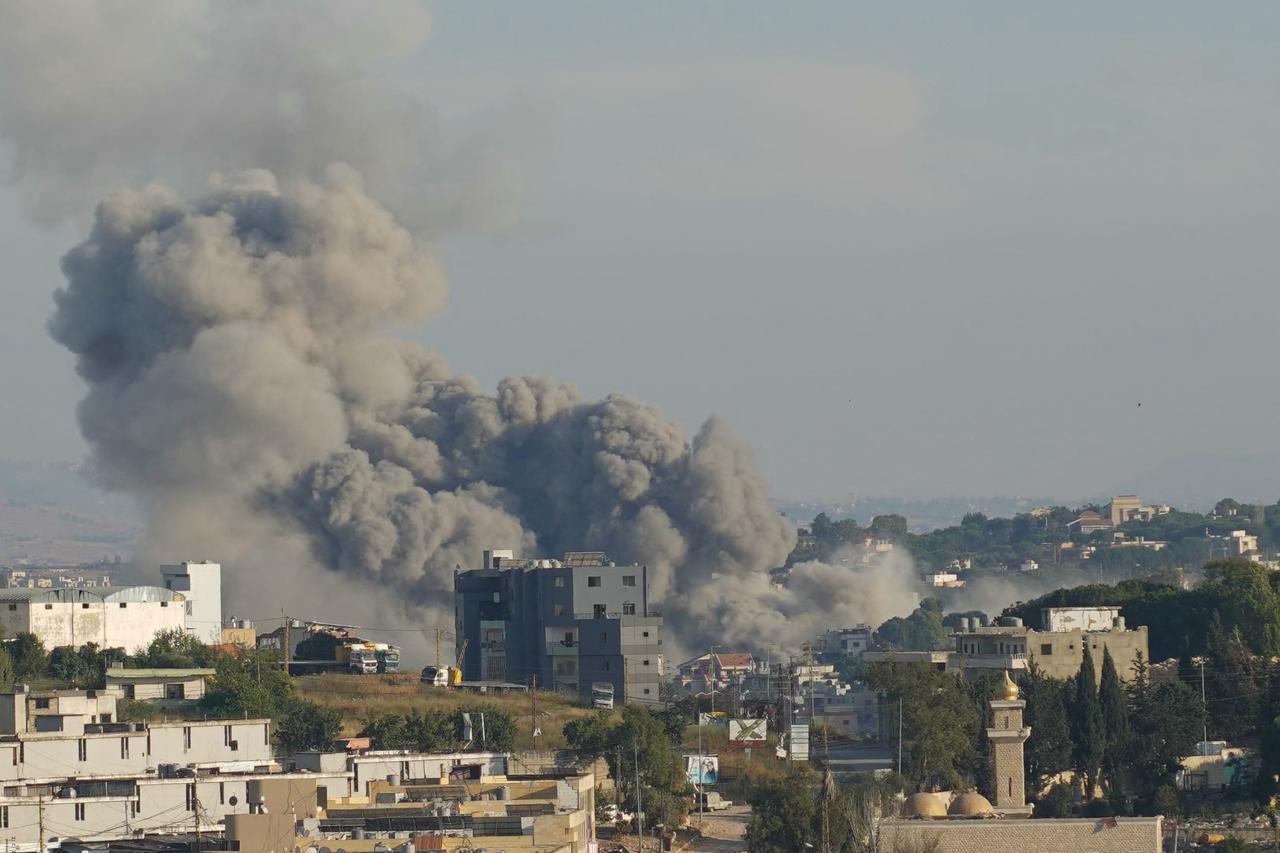
Israeli political and security officials warned that the impending agreement would strengthen the Iranian government and restrict Israel's ability to carry out strikes on Lebanon, according to Israeli broadcaster i24.
The officials expressed concern that a finalized deal would effectively shield Tehran from further military pressure while leaving Israeli strategic objectives unmet.
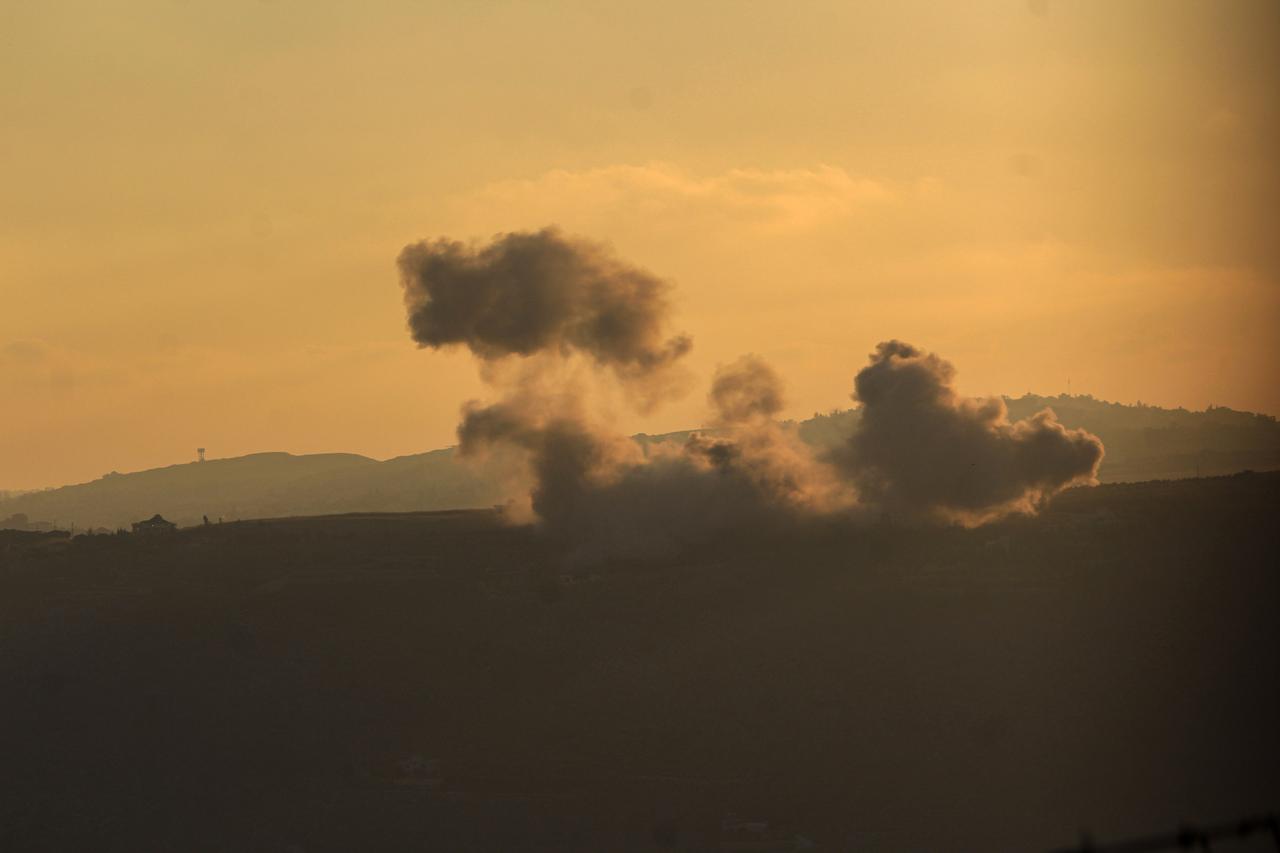
State broadcaster KAN, citing security sources, reported that the Israeli military would not withdraw from the buffer zone it has carved out in southern Lebanon. At the same time, KAN reported that Tel Aviv is preparing to reduce strikes deeper into Lebanese territory so as not to jeopardize the emerging agreement, with operations in the south continuing in a more focused manner. Talks with the Lebanese side are expected to be held in the United States in roughly ten days.

Former Israeli Prime Minister and main opposition leader Yair Lapid issued a sharp rebuke of Netanyahu, saying the deal taking shape represents a comprehensive political failure.
Writing on X, Lapid said the emerging agreement fulfills none of Israel's war objectives, noting that the Iranian government remains standing, its missile program is ongoing, and Tehran retains the ability to rebuild its nuclear program.
Lapid said Netanyahu had turned Israel into what he described as a satellite state that receives instructions on its own national security, adding that no press conference, media manipulation, or AI-generated video could conceal the scale of the failure.
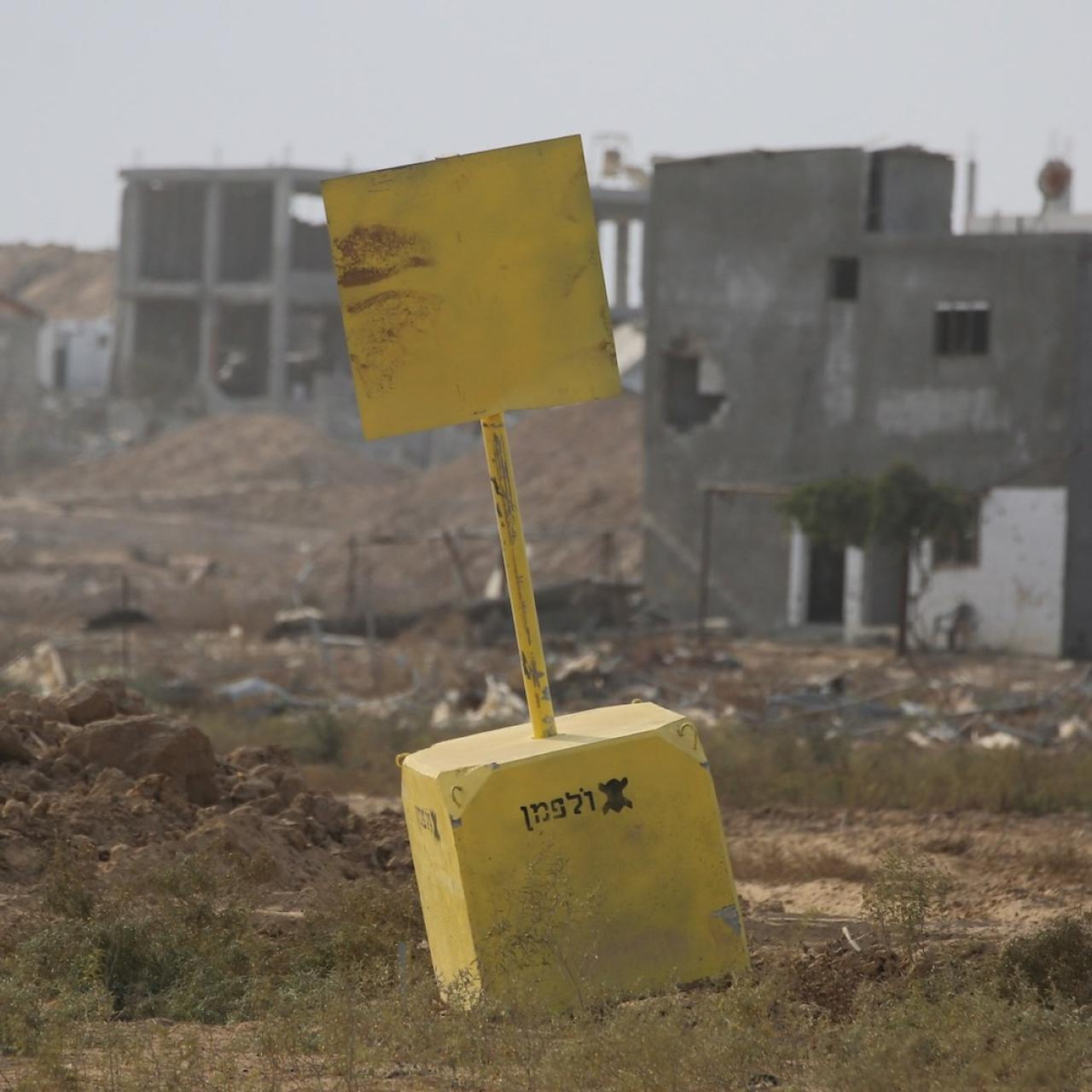
In April, Israel announced the establishment of what it called a "Yellow Line" south of the Litani River in Lebanon, a demarcation modeled on a similar concept it has applied in Gaza. Tel Aviv states the line, running to the border, is designed to block the return of displaced persons to the area and prevent armed activity. Israeli officials have insisted the zone will not be subject to any ceasefire negotiations.
The Litani River has historically served as a key threshold in Lebanese-Israeli security arrangements. United Nations Security Council Resolution 1701, adopted following the 2006 Israeli war on Lebanon, called for the withdrawal of all armed forces south of the river, a provision that has remained contested and largely unimplemented.


 Set as preferred source
 Set as preferred source


 1 min read
 1 min read