Newsletters


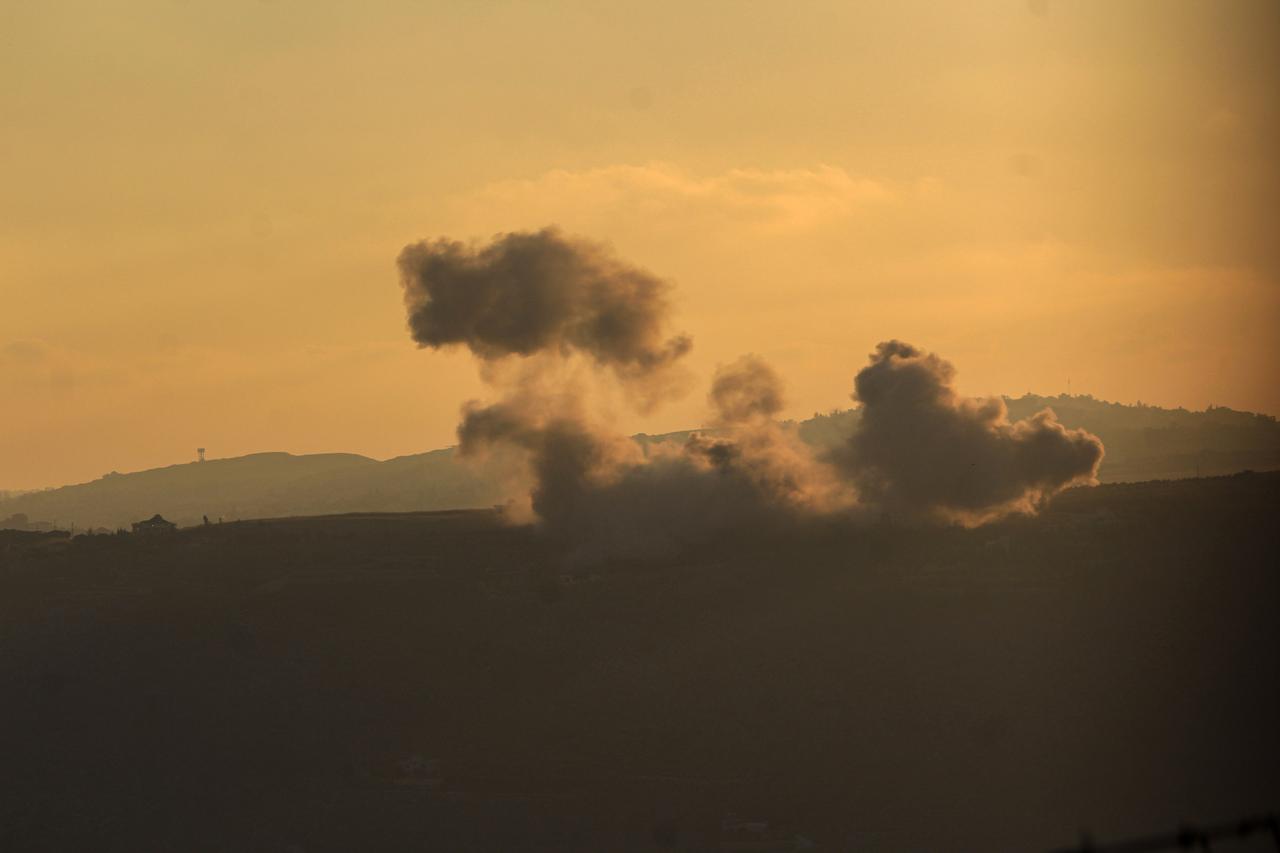


Iranian Foreign Minister Abbas Araghchi accused Israel on Friday of attempting to derail an emerging agreement between Tehran and Washington, as Israeli forces carried out a fresh wave of air and artillery strikes across southern Lebanon despite an extended ceasefire.
"I must frankly say that this agreement has enemies, the foremost of which is the Zionist regime, who are looking for pretexts to derail it," Araghchi said in an interview with state television.
The remarks came as the U.S. and Iran moved closer to finalizing a peace agreement aimed at ending the conflict that erupted in late February. A White House official told reporters on Friday that the emerging deal includes provisions related to Lebanon, a key flashpoint in the negotiations.
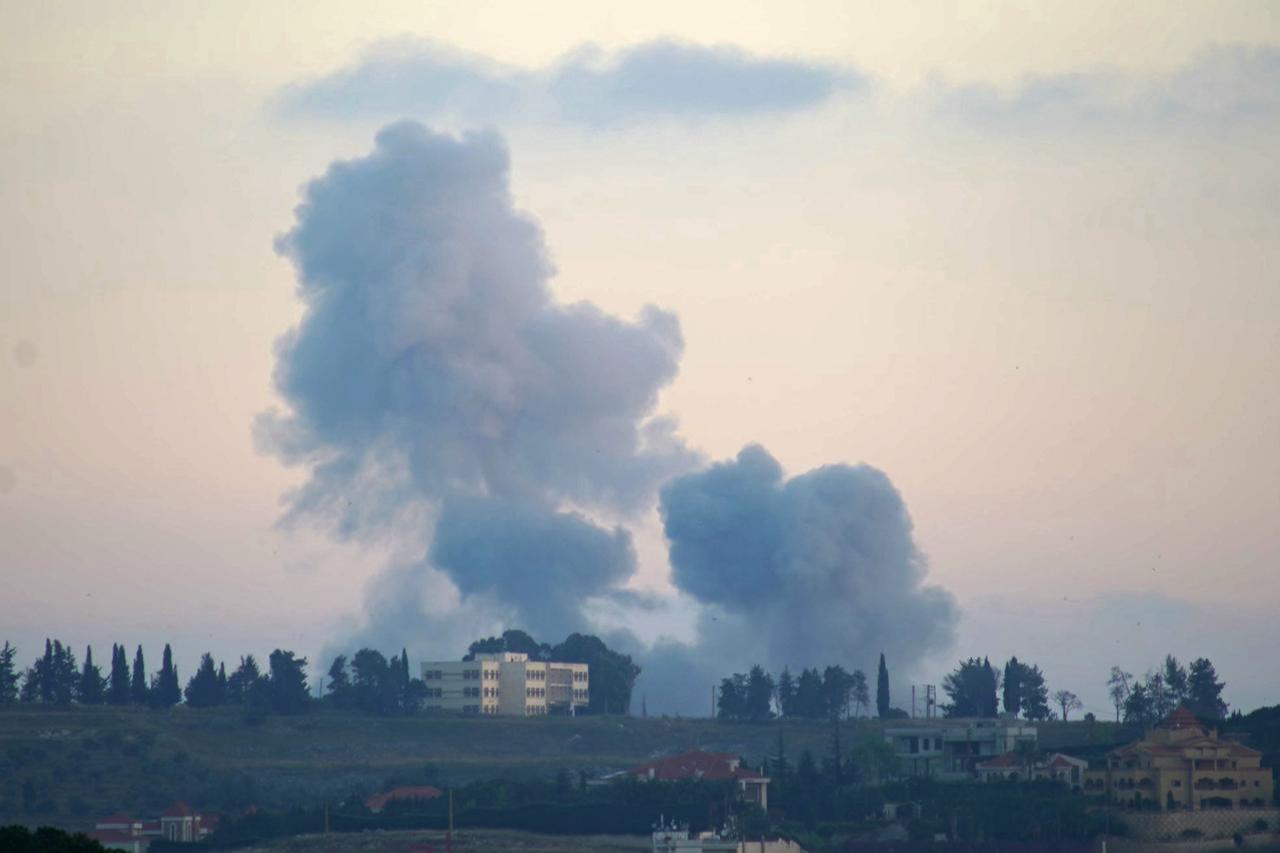
According to Lebanon's state-run National News Agency (NNA), Israeli artillery targeted the towns of Mansouri and Majdal Zoun in the Tyre district, while warplanes launched two airstrikes on Gandourieh.
Israeli aircraft also bombed an area between Arnoun and Kfar Tebnit in Nabatieh province. A drone struck the central square of Qsaybeh, while another attack hit the Meydan neighborhood of Nabatieh city.
Additional strikes were reported between Zibdin and Choukin, as well as in the towns of Saddiqine and Majdal Zoun near Tyre. Israeli warplanes also targeted Aishiyeh in Jezzine district and Sinay in the Zahrani region.
While no significant casualties were reported from the latest attacks, the fighting has taken a heavy toll on Lebanon, where 3,711 people have been killed since Israel launched its campaign on March 2, according to the Health Ministry.
The latest attacks came despite a ceasefire agreement that has been repeatedly extended through U.S.-backed mediation efforts. Israel launched an intensive air campaign against Lebanon on March 2 and occupied several towns in the country's south. Lebanese authorities later reported that more than 1 million people had been displaced by the fighting.

Since the U.S. and Iran reached a ceasefire on April 8, Lebanon has remained one of the key unresolved issues in Pakistani-mediated talks, with Tehran repeatedly insisting that any lasting settlement must address Israeli military operations in the country.
Despite multiple ceasefire extensions, Israeli operations in Lebanon have continued. On June 3, Washington unveiled a broader ceasefire proposal that would require Iran-backed Hezbollah to halt attacks and withdraw from south of the Litani River, terms the group rejected.
Tensions escalated further on June 7 after Israeli strikes on Beirut's southern suburbs prompted Iran to launch missiles at Israel, marking the first direct attack between the two sides since the April ceasefire and raising fears that the violence could spill into a wider regional conflict.
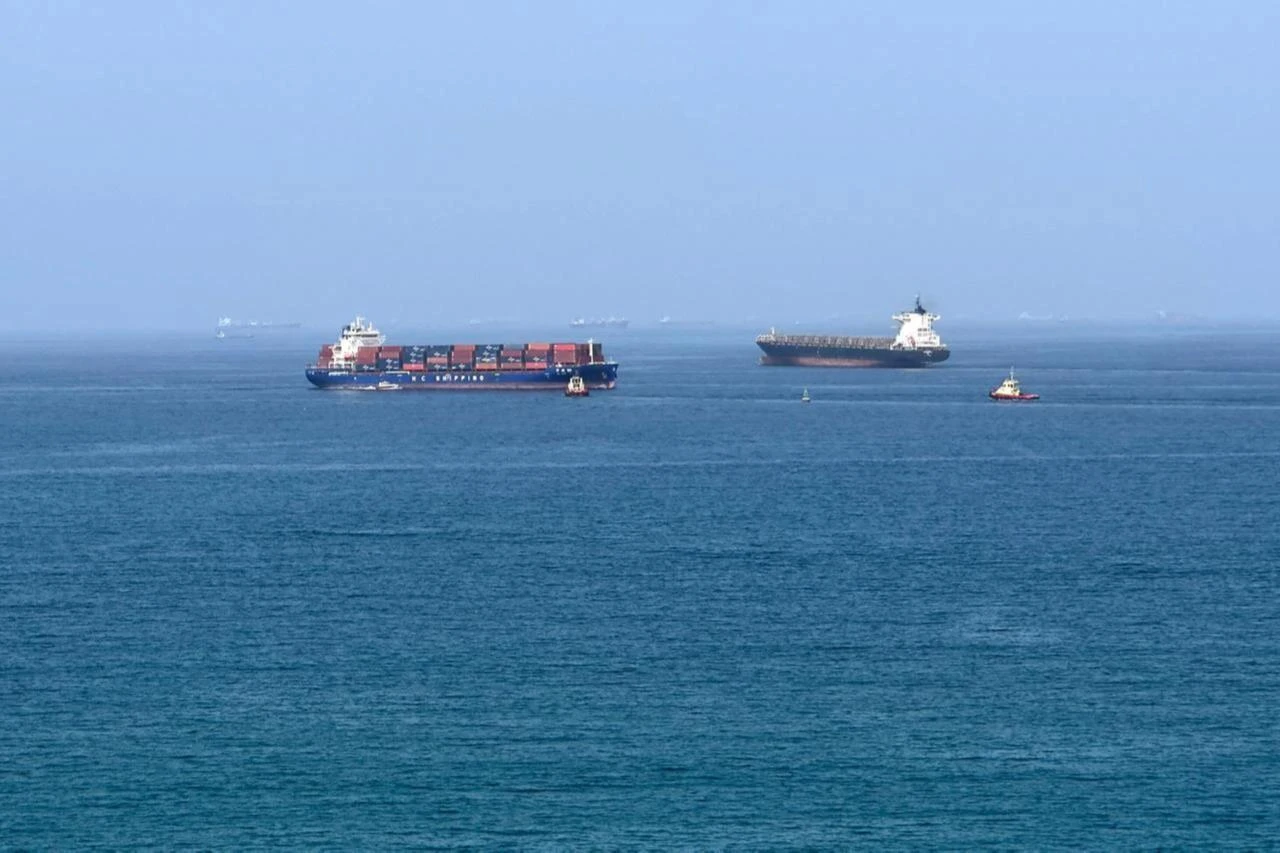
As indirect negotiations gathered pace, with Washington and Tehran expected to sign a memorandum of understanding in the coming days, Araghchi outlined key elements of the draft agreement, saying it would be signed remotely once finalized and would include the lifting of a U.S. naval blockade on Iranian ports and new arrangements governing the strategic Strait of Hormuz.
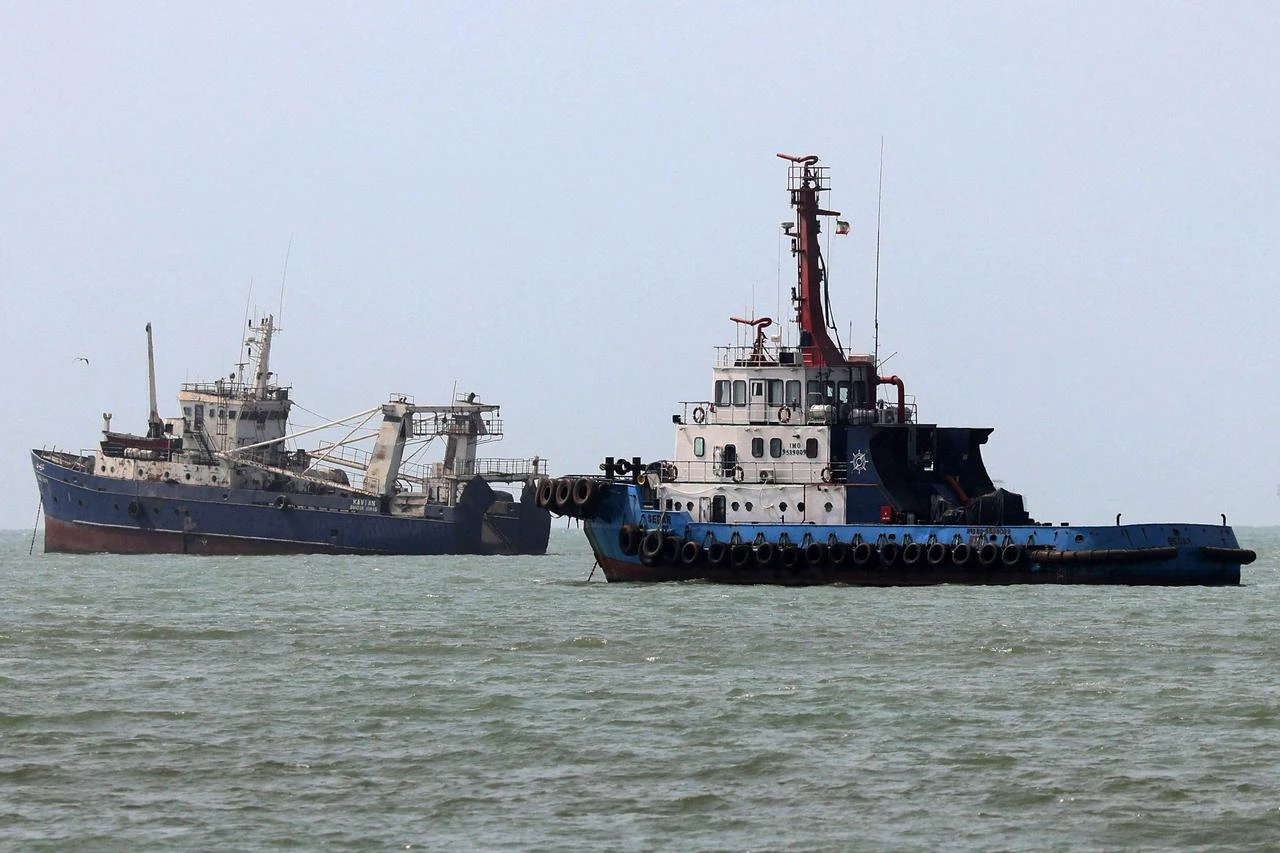
"The naval blockade must be completely lifted. That is the first point mentioned in the agreement," Araghchi said. He added that Iran had decided the administration of the Strait of Hormuz "will no longer be the same as before" and noted that discussions with Oman were ongoing.
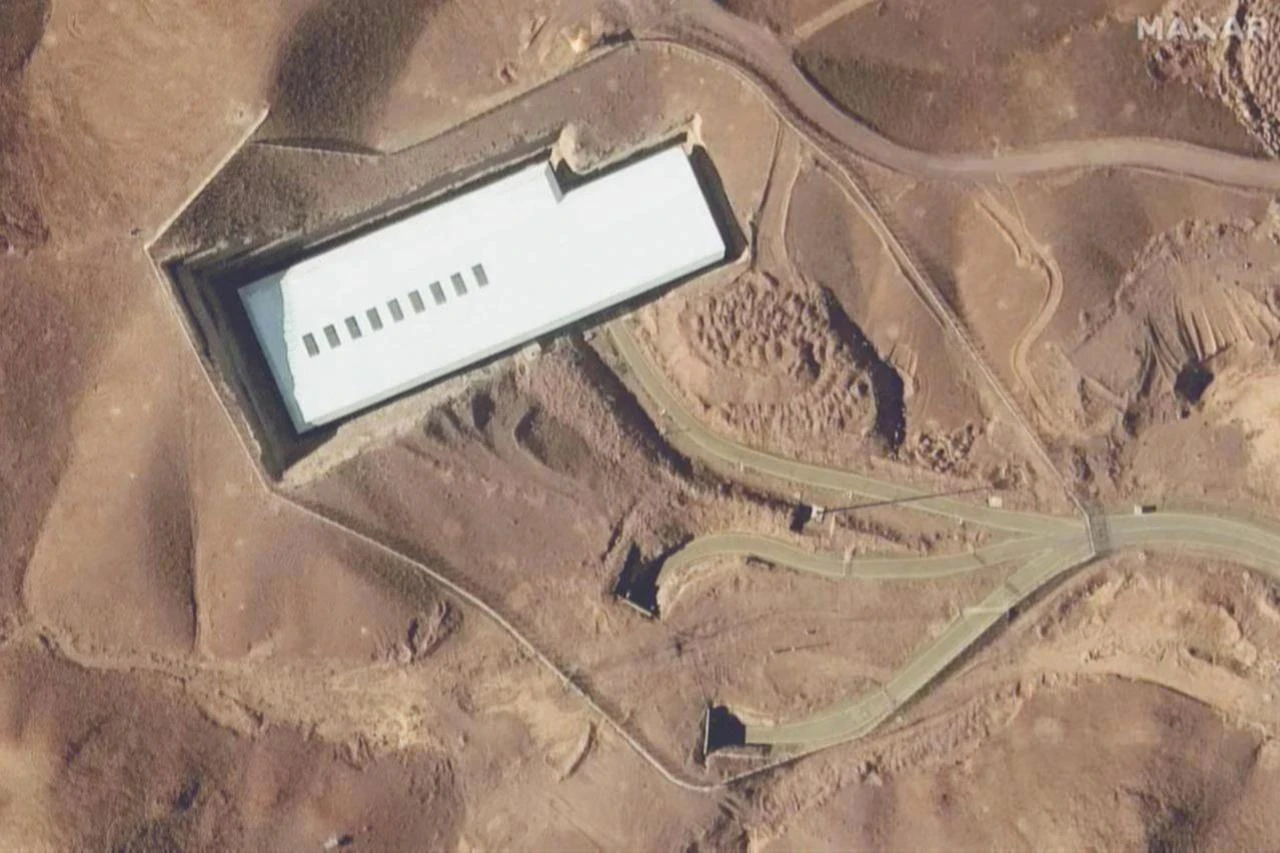
Araghchi also said issues related to Iran's nuclear programme, including its stockpile of highly enriched uranium, would be addressed during a 60-day period following the signing of the framework. Tehran's position remains that the material should be diluted inside Iran rather than transferred abroad.


 Set as preferred source
 Set as preferred source


 1 min read
 1 min read