Newsletters


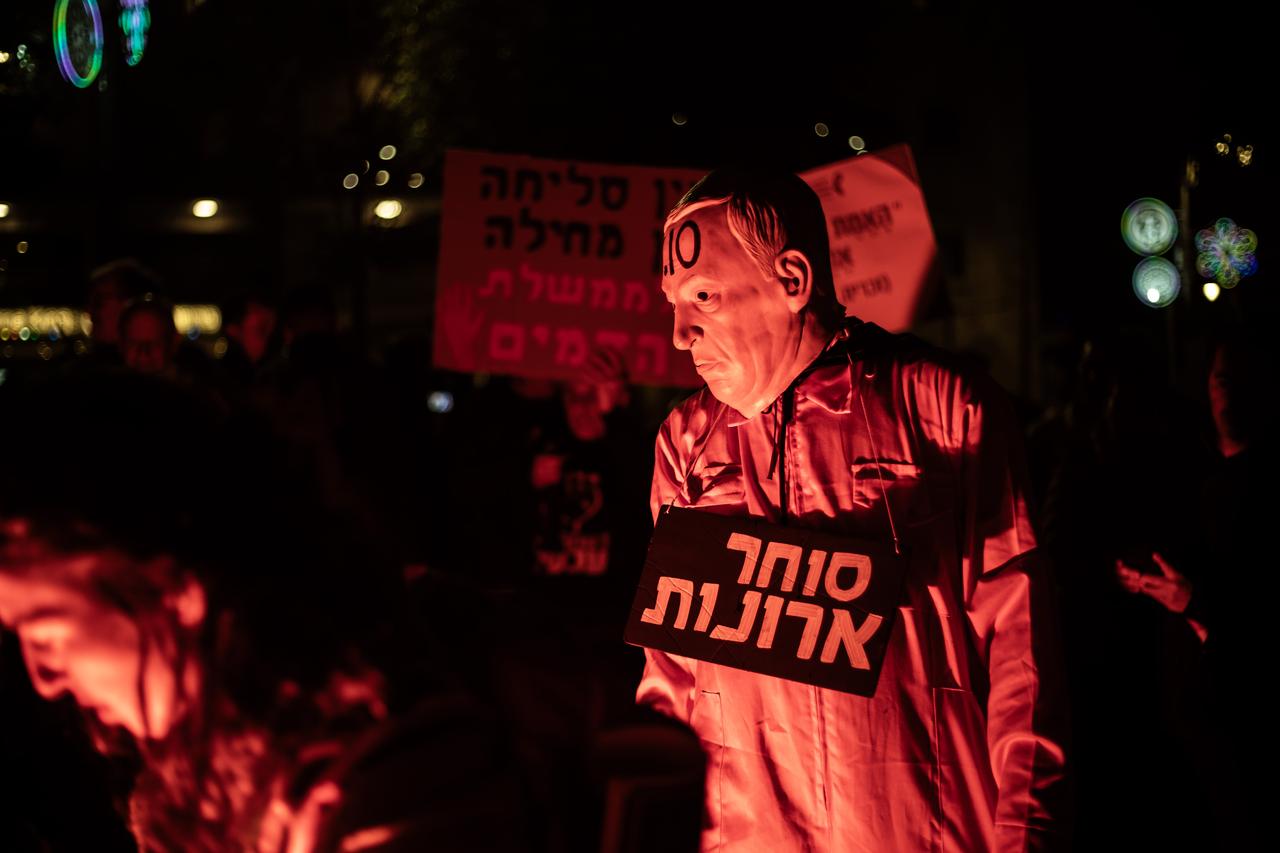


Senior Israeli army officials told Israeli media outlet Israel Hayom newspaper that Israeli Prime Minister Benjamin Netanyahu's Saturday night order to strike Hezbollah "with force" was a political "smokescreen" aimed at easing domestic pressure, with no actual change in military directives.
Netanyahu was deliberately seeking a "scapegoat" to blame for Israel's disappointing results in Lebanon and what officials described as the partial outcomes of the Iran war.
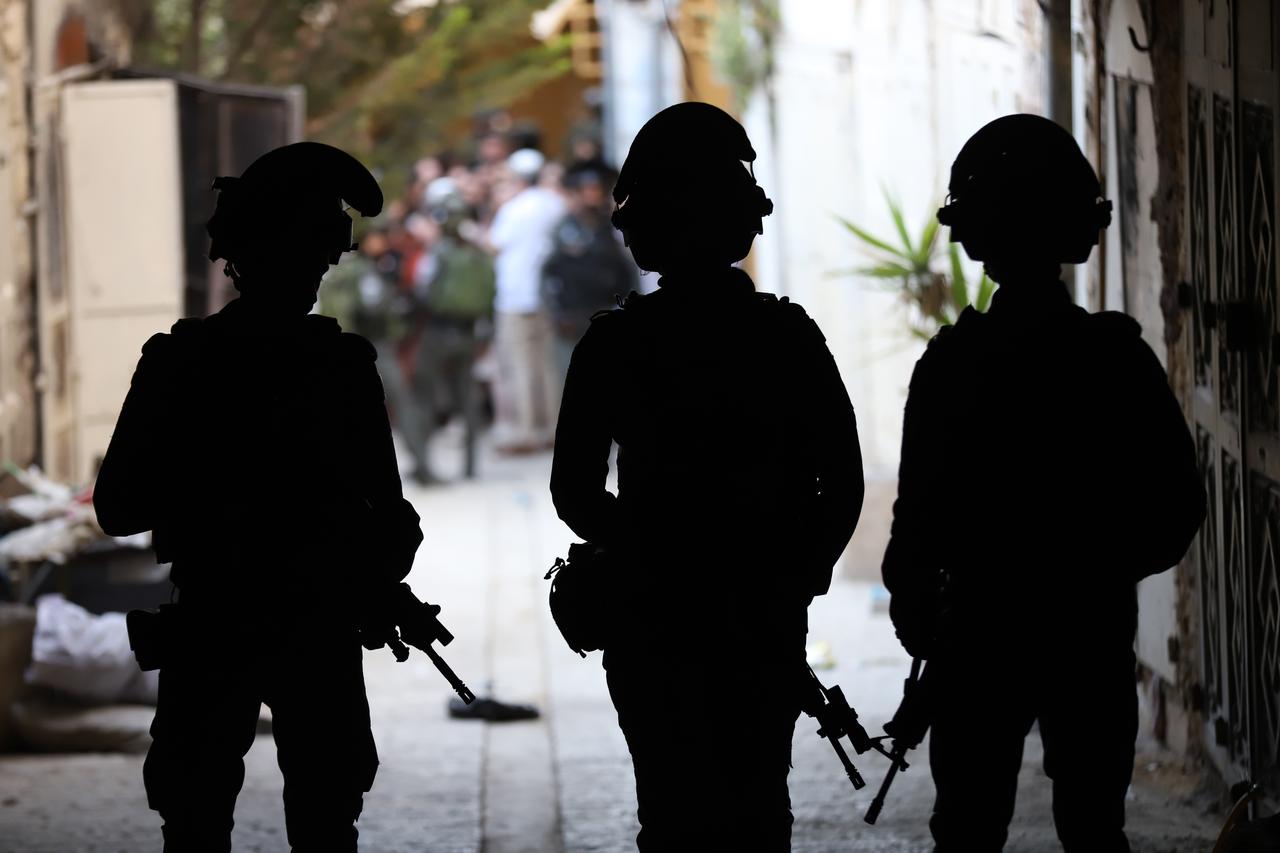

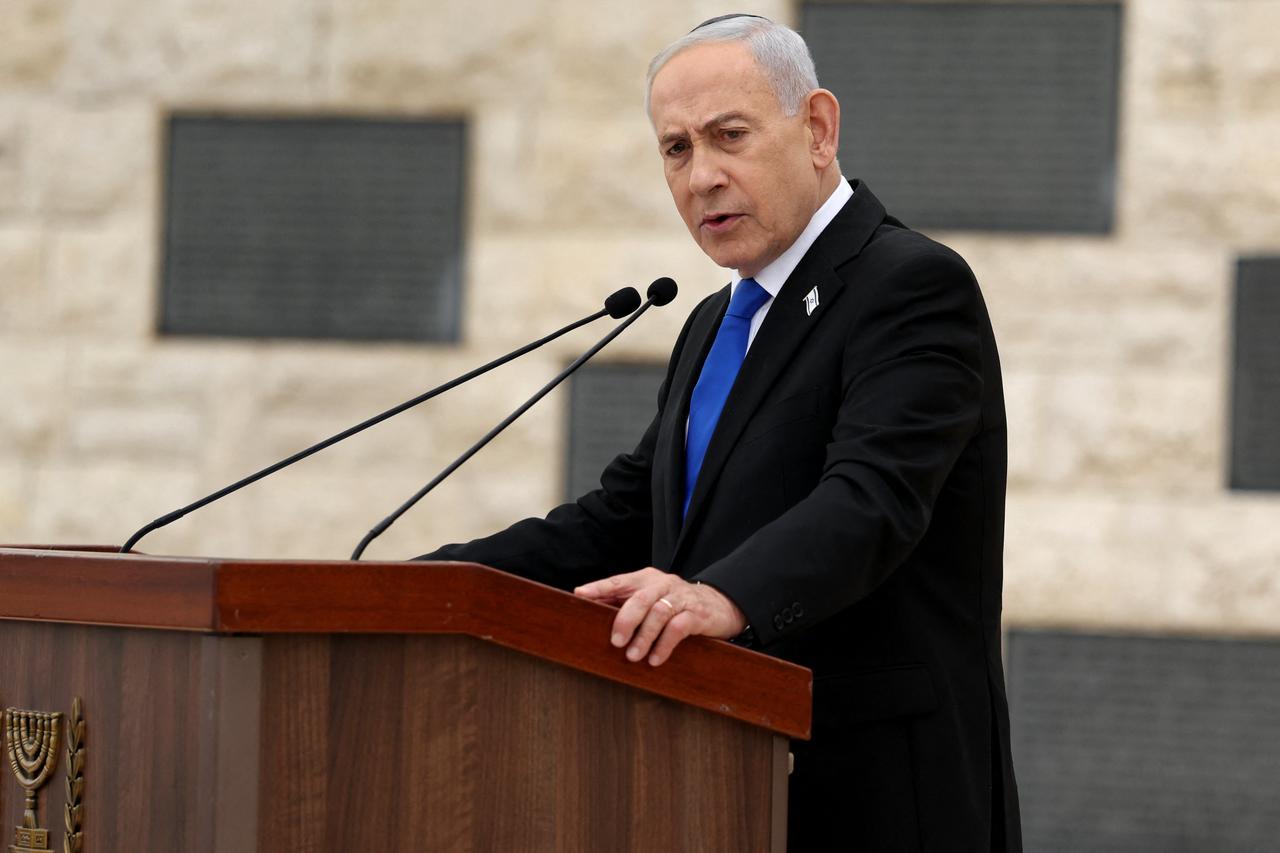
Netanyahu issued a brief statement Saturday at 8:49 p.m. instructing the Israeli army to "strike Hezbollah targets with force."
The Israeli army spokesperson followed 2.5 hours later with a statement confirming strikes on "buildings used for military purposes in southern Lebanon."
Senior Israeli army officials told Israel Hayom the strikes were entirely routine.
"The attack was not exceptional, and certainly not 'with force.' It was carried out within the rules of engagement," officials said, adding that the army "continues to operate only in southern Lebanon and in areas without civilians."
"Netanyahu's statement is eyewash designed to reduce public pressure. In practice, there is no change whatsoever in the Israeli army's directives. Its operations remain exactly as they were, in response to incidents or in an attempt to prevent them," officials said.
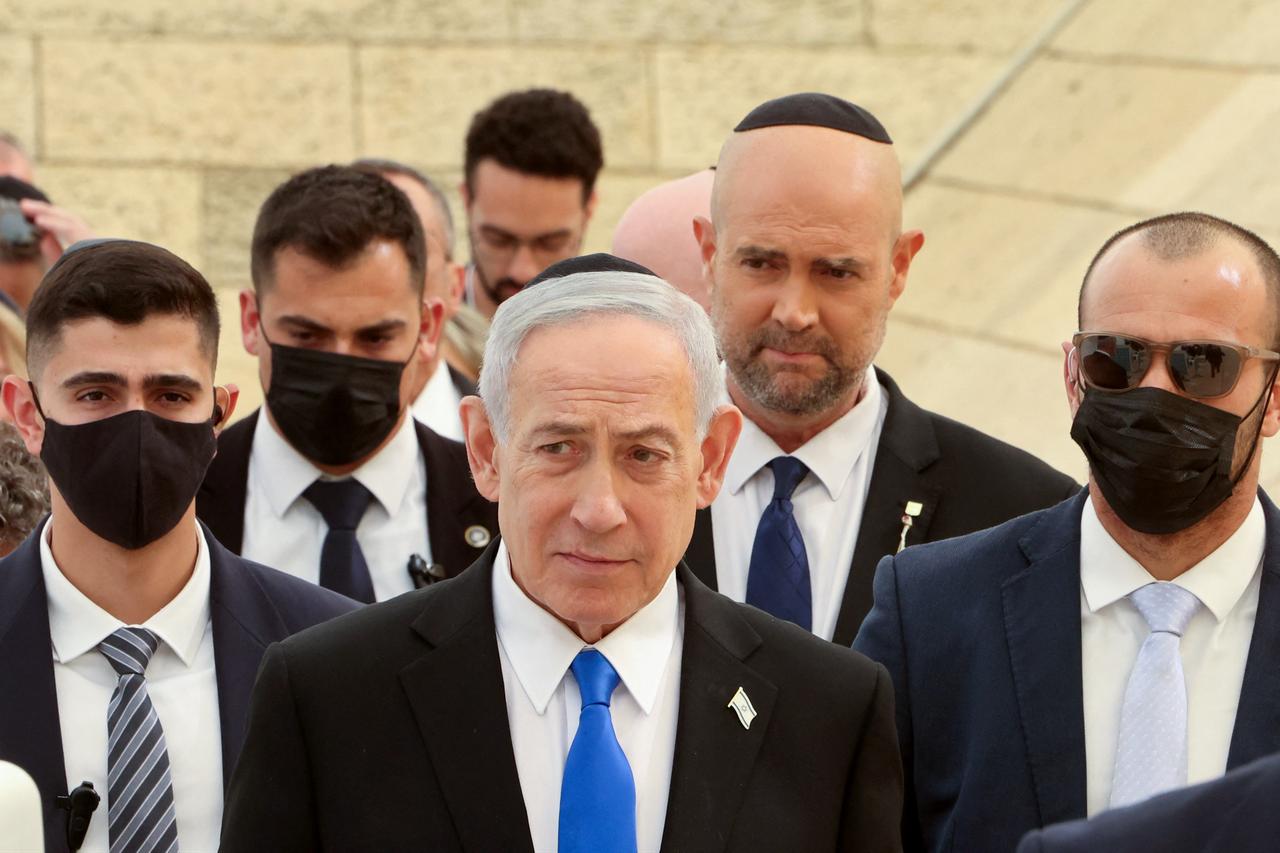
The Israeli army officials said the statement's purpose was transparent: "Netanyahu's statement is not coincidental and is intended to 'drop the file' onto the Israeli army, as if it is not delivering the goods."
"In reality, operations are being carried out exactly according to the political leadership's instructions," he added.
The Israeli officials said those instructions were effectively dictated by Trump's Lebanon ceasefire, announced April 16 and extended a further three weeks last Thursday, which has left Beirut, Hezbollah's command headquarters, and Baalbek, its rear base, effectively off-limits.
"Fear of Trump is why Beirut, where Hezbollah's command is based, and Baalbek remain immune, and so do the organization's leaders, whom Defense Minister Katz has repeatedly threatened in recent weeks," the report said.
 1 min read
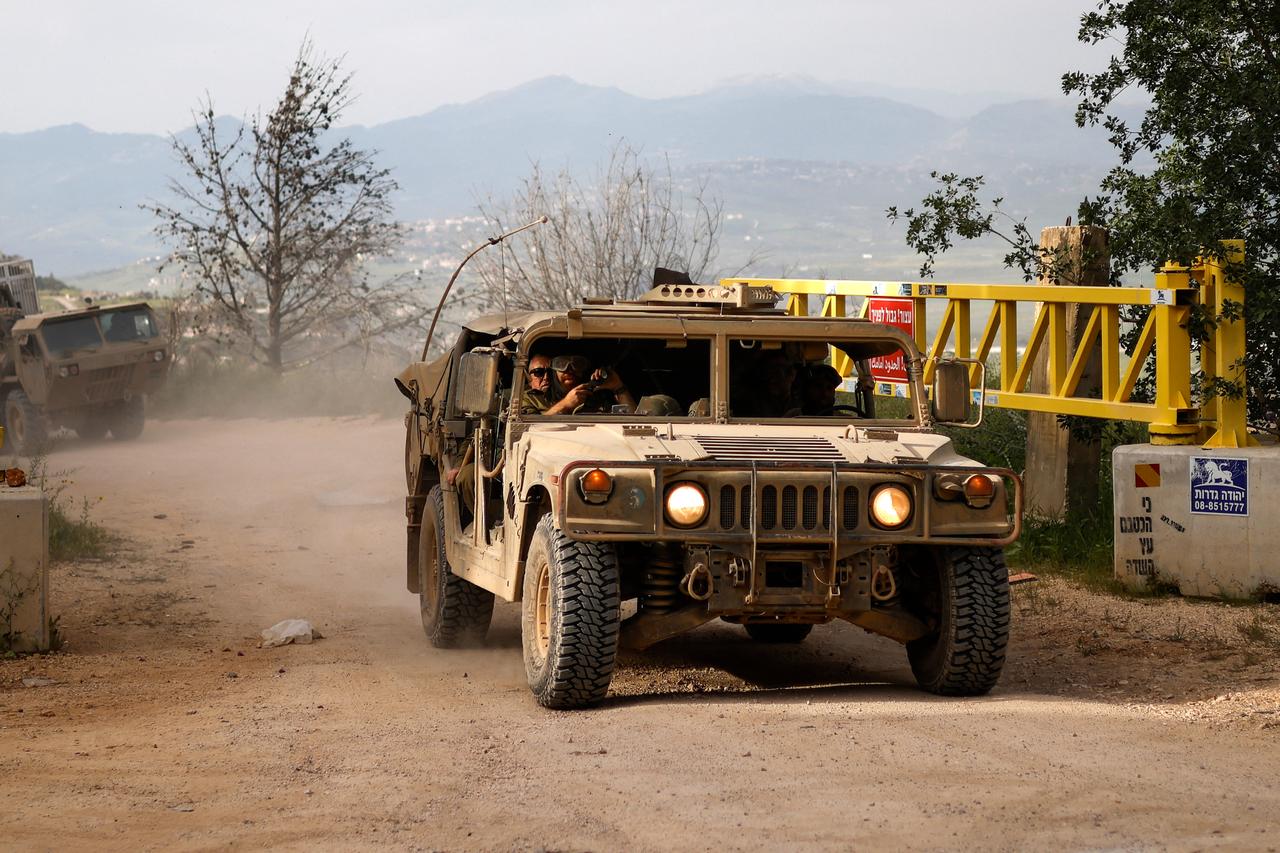
The officials added that while Netanyahu was expected to blame the Mossad for Iran results, the Israeli army would bear full responsibility for Lebanon "despite having acted exactly according to the political leadership's instructions."
Officials warned the current static deployment was a "proven recipe for additional casualties and growing frustration," drawing parallels to the costly final years of Israel's presence in south Lebanon at the end of the last millennium.


 Set as preferred source
 Set as preferred source


 1 min read