Newsletters


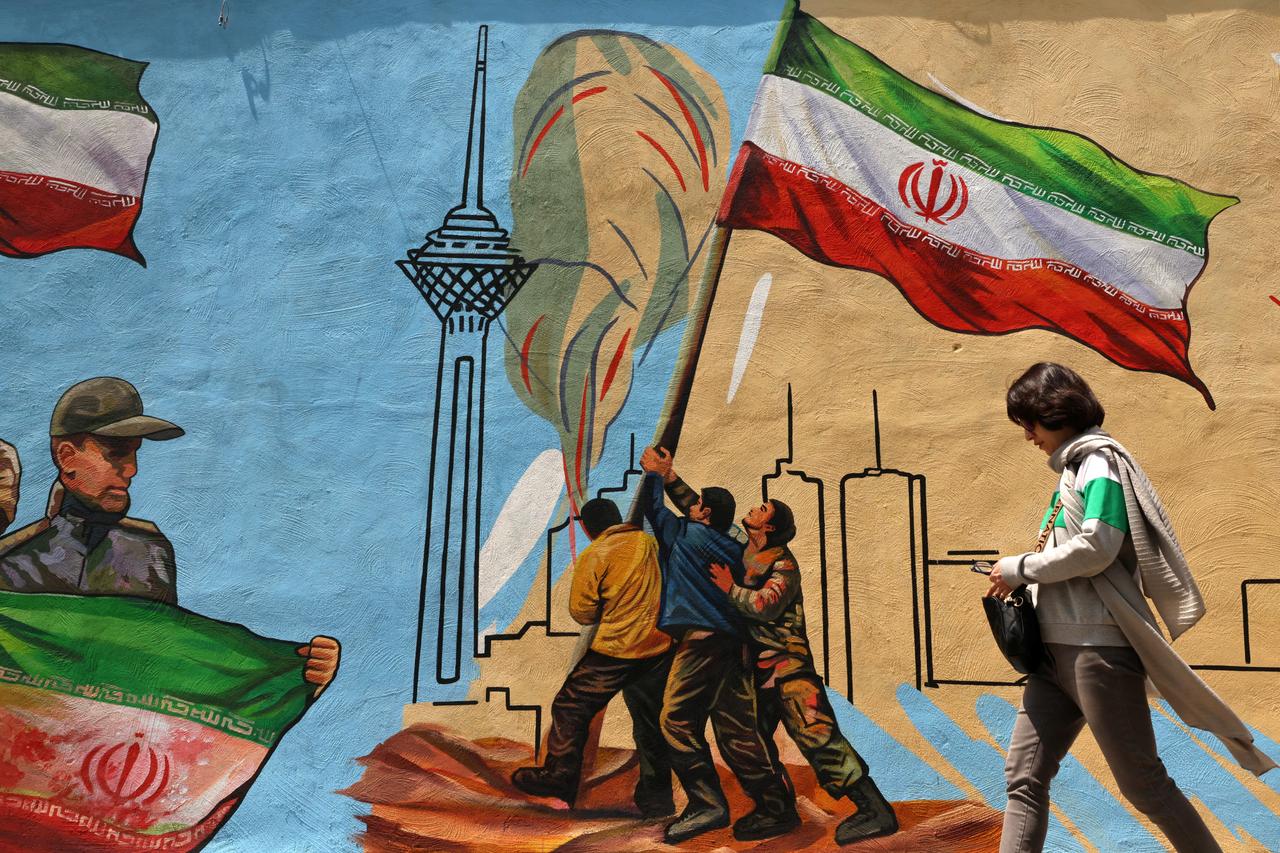


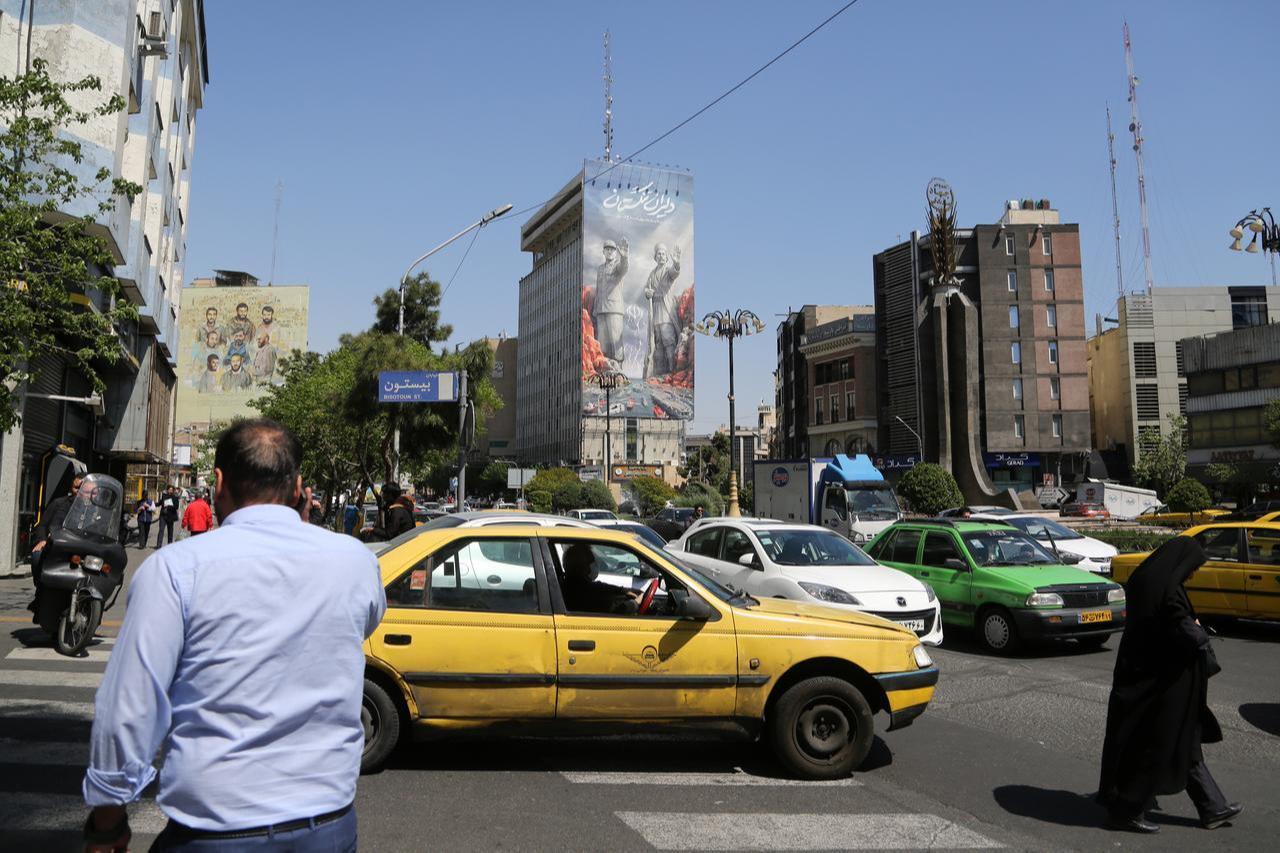
Iran has offered the U.S. a new proposal to end the war and reopen the Strait of Hormuz, while postponing nuclear negotiations, Axios reported Monday, citing a U.S. official and two sources with knowledge.
The White House confirmed receipt but did not indicate whether it would pursue the plan, as Trump was expected to hold a Situation Room meeting with senior national security officials on Monday to discuss the stalemate and potential next steps.
According to Axios, Araghchi raised the plan during his meetings in Islamabad with Pakistani, Egyptian, Turkish and Qatari mediators, conveying it to the U.S. through Pakistani mediators.
Under the proposal, the ceasefire would be extended for a long period or made permanent, and the Strait of Hormuz would be reopened and the U.S. blockade lifted.
Nuclear negotiations, including the U.S. demand that Israel suspend enrichment for at least a decade and remove its enriched uranium stockpile, would only begin at a later stage, after these conditions were met.
One source told Axios that Aragchi made clear to meditators there was "no consensus inside the Iranian leadership about how to address the U.S. demands."
Araghchi conveyed the proposal during meetings in Islamabad before traveling to Oman, where talks focused on the Strait of Hormuz, and then returned to Islamabad before departing for Saint Petersburg, where he arrived Monday morning for talks with Putin.

White House spokesperson Olivia Wales told Axios, "These are sensitive diplomatic discussions and the U.S. will not negotiate through the press. As the president has said, the United States holds the cards and will only make a deal that puts the American people first, never allowing Iran to have a nuclear weapon."
Axios noted the central problem with the proposal from Washington's perspective: lifting the blockade and ending the war would remove Trump's primary source of leverage for any future nuclear talks, since the economic and military pressure currently being applied would dissipate.
Trump signaled on Sunday on Fox News that he preferred to maintain the naval blockade and allow it to continue pressuring Iran.
"When you have vast amounts of oil pouring through your system, if for any reason this line is closed, what happens is that line explodes from within. They say they only have about three days before that happens," he said.
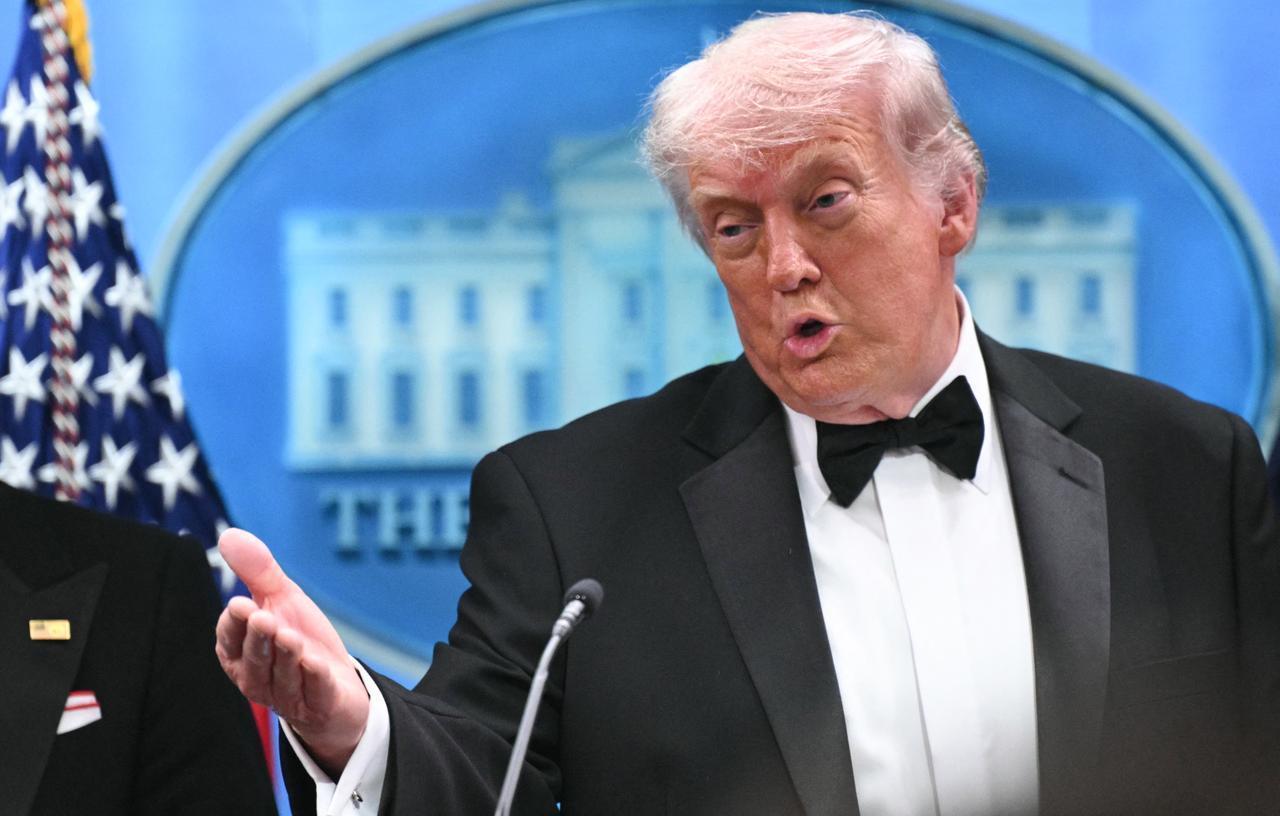
Trump was expected to convene a Situation Room meeting with his top national security and foreign policy team on Monday to discuss the stalemate and potential next steps, three U.S. officials told Axios.


 Set as preferred source
 Set as preferred source


 3 min read