Newsletters


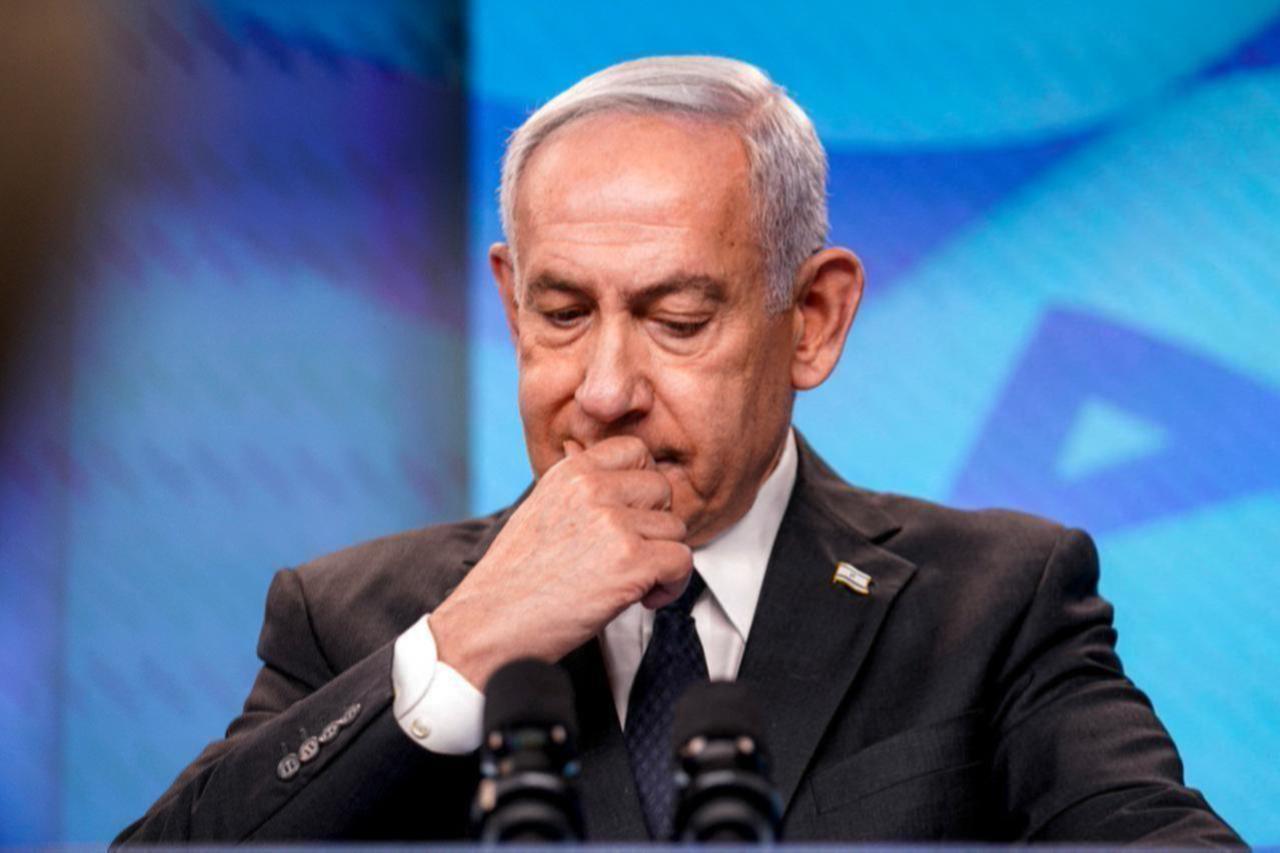


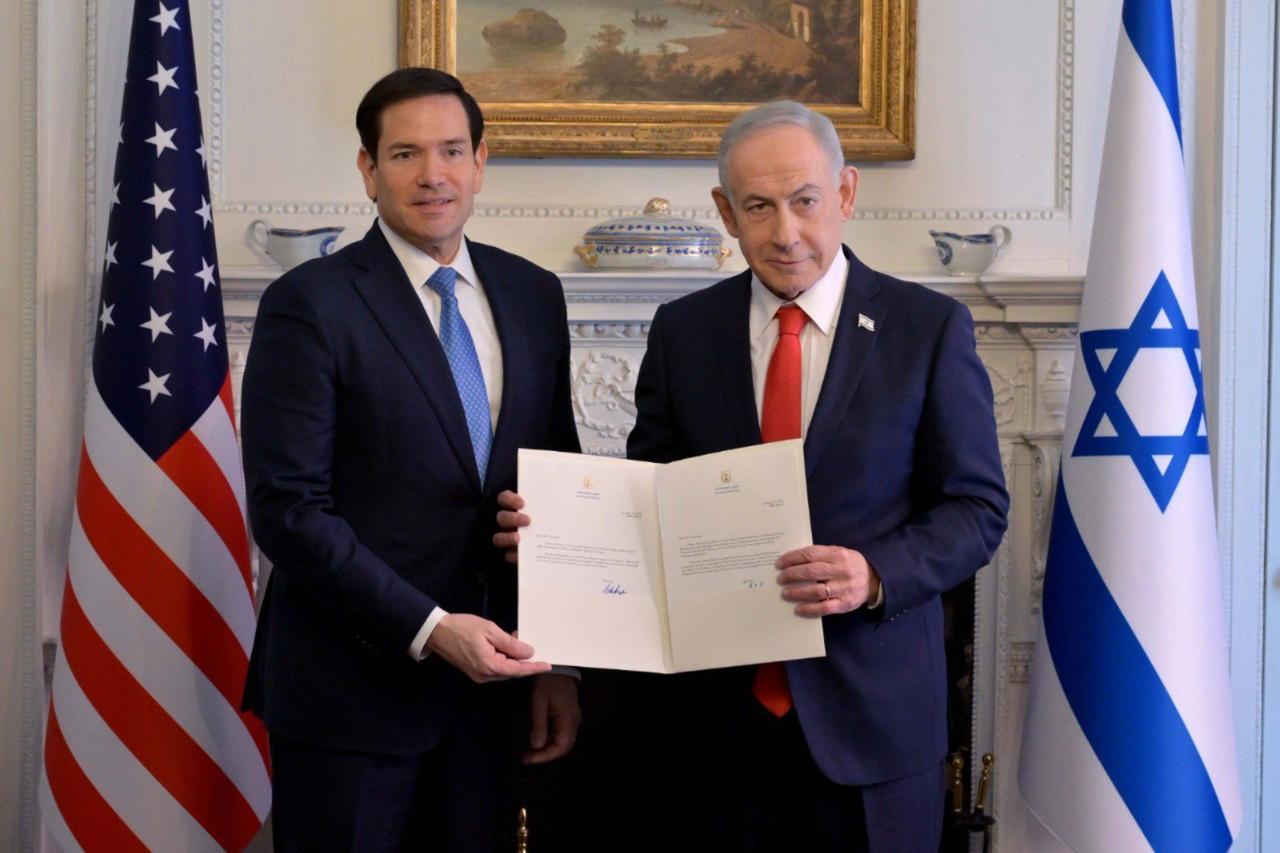
Israeli Prime Minister Benjamin Netanyahu returned home from Washington on Thursday expressing doubt about the prospect of a nuclear agreement with Iran, even as US Presid ent Donald Trump made clear his preference for a negotiated outcome with Tehran.
Netanyahu, who had travelled to Washington seeking to push the US toward a harder line in its renewed nuclear talks with Iran, acknowledged that Trump believed the conditions were falling into place for a diplomatic breakthrough. But the Israeli leader made no effort to mask his reservations.
"I will not hide from you that I expressed general skepticism regarding the quality of any agreement with Iran," Netanyahu said in a video statement released by his office before departing for Israel.
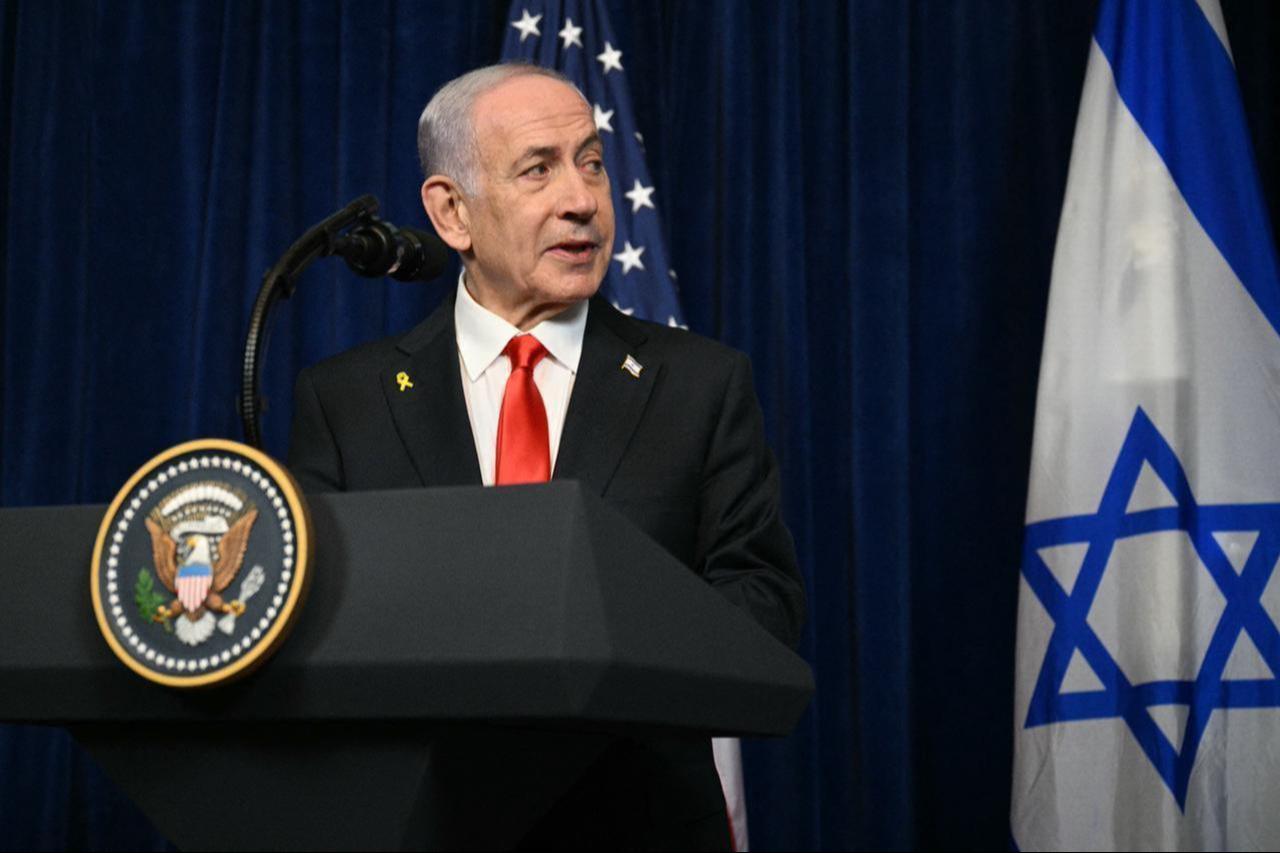

The visit, Netanyahu's seventh meeting with Trump since the president returned to office, laid bare a gap between the two close allies on how to handle Tehran. Trump told Netanyahu at the White House on Wednesday that talks with Iran must continue, effectively rebuffing the Israeli leader's push for a more confrontational posture.
Trump said his preference was for a deal to be reached but cautioned that if one could not be achieved, "we will just have to see what the outcome will be."
Netanyahu, for his part, said Trump believed "the Iranians have already learned who they are dealing with" and that Tehran's failure to reach an agreement previously may now work in Washington's favor. But the Israeli prime minister argued that any deal must go well beyond the nuclear question alone.
Netanyahu listed Iran's ballistic missile program and its support for militant groups, including Hamas, Yemen's Houthi rebels, and Hezbollah in Lebanon, as elements that must be addressed in any agreement. "It's not just the nuclear issue," he said.
That position aligns with Washington's stated goals but runs up against Tehran's refusal to expand the scope of negotiations. Iran has so far rejected broadening the new round of talks beyond its nuclear program, even as the US has pressed to bring ballistic missiles and regional proxy networks to the table.
The diplomatic push comes against a volatile backdrop. The US and Iran restarted talks last week with a meeting in Oman, though the previous round of negotiations was cut short by Israel's 12-day war with Iran in June, a conflict the US briefly joined with strikes on nuclear facilities.
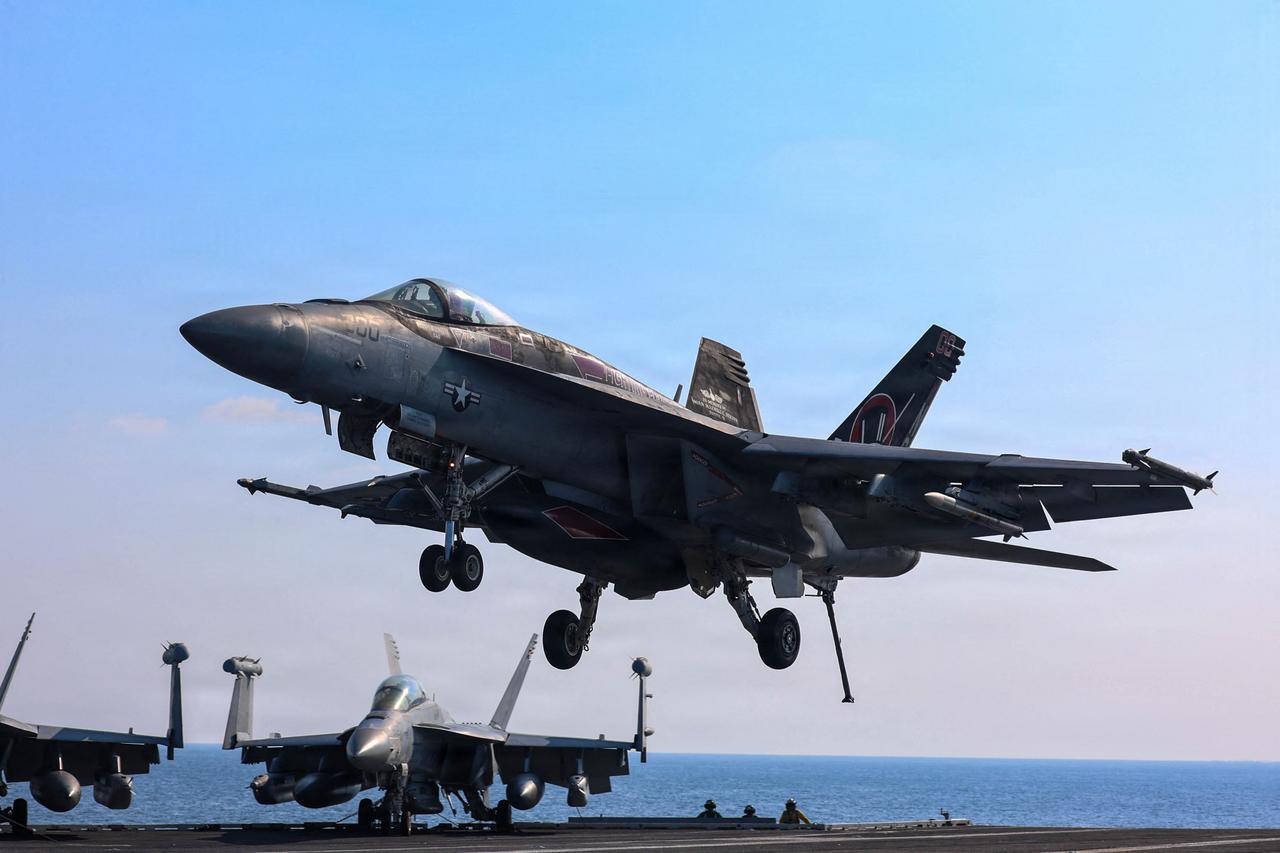
Trump has repeatedly hinted at the possibility of US military action against Iran following Tehran's deadly crackdown on protests last month, maintaining pressure even as diplomatic channels remain open. The dual-track approach has left the outcome of the talks deeply uncertain, with Washington signaling both a willingness to negotiate and a readiness to act.


 Set as preferred source
 Set as preferred source


 2 min read
 1 min read