Newsletters


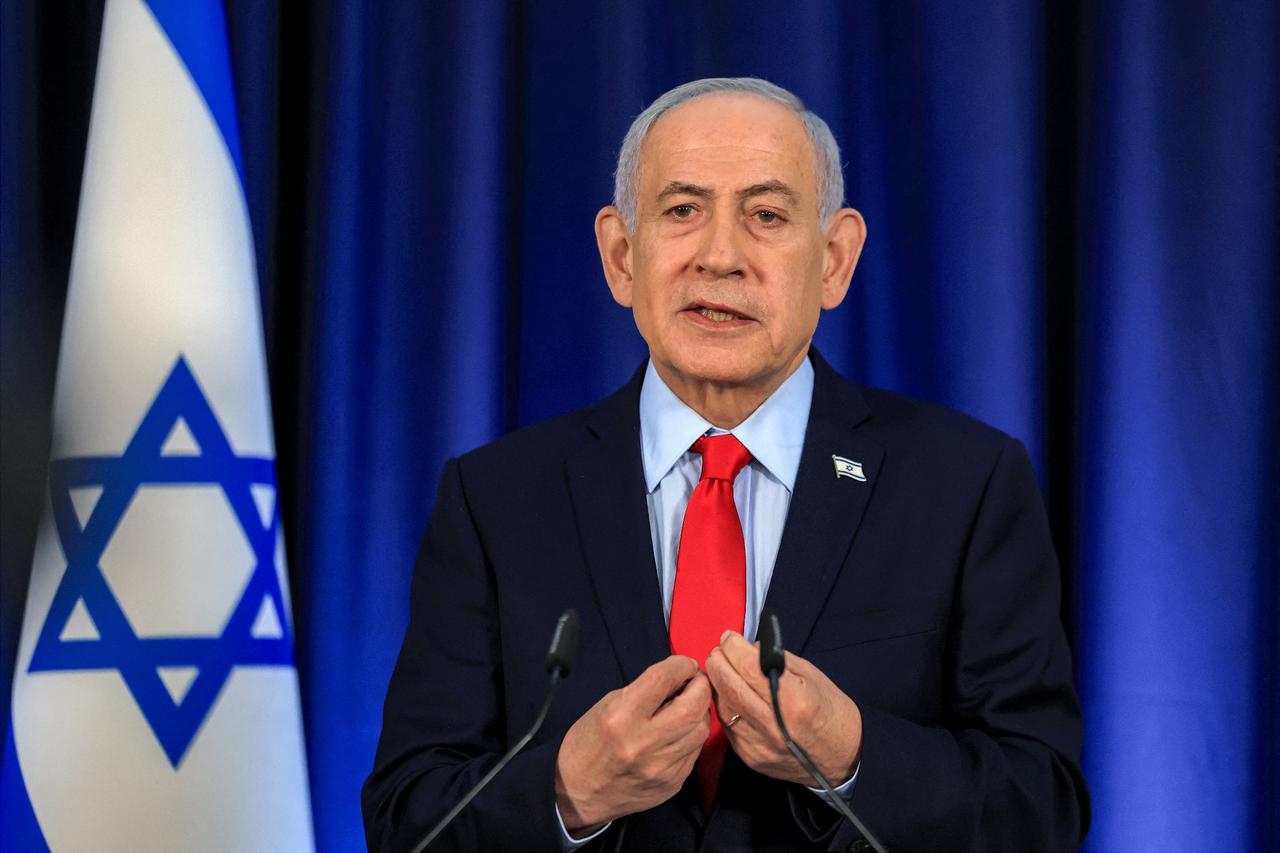


Israeli Prime Minister Benjamin Netanyahu stated in his first U.S. broadcast interview since the Iran war began that the conflict is "not over" because Iran's enriched uranium must be physically removed and its enrichment sites dismantled.
He called for Israel to phase out its $3.8 billion annual U.S. military aid within a decade, acknowledged that Hormuz was a miscalculation at the start of the war, and said regime change in Iran is "possible, though not guaranteed."
Asked directly whether the war was over, Netanyahu said, "I think it accomplished a great deal. But it's not over, because there's still nuclear material, enriched uranium, that has to be taken out of Iran. There are still enrichment sites that have to be dismantled.
There are still proxies that Iran supports. There are ballistic missiles that they still want to produce. Now, we've degraded a lot of it. But all that is still there, and there's work to be done."
On how enriched uranium would be removed, Netanyahu said: "You go in, and you take it out."
Asked whether Trump shared that view, he said: "What President Trump has said to me, 'I want to go in there.'"
He declined to discuss military means, timetables, or specific plans, saying: "You're going to ask me these questions. I'm going to dodge them. Because I'm not going to talk about our military possibilities, plans, or anything of the kind."
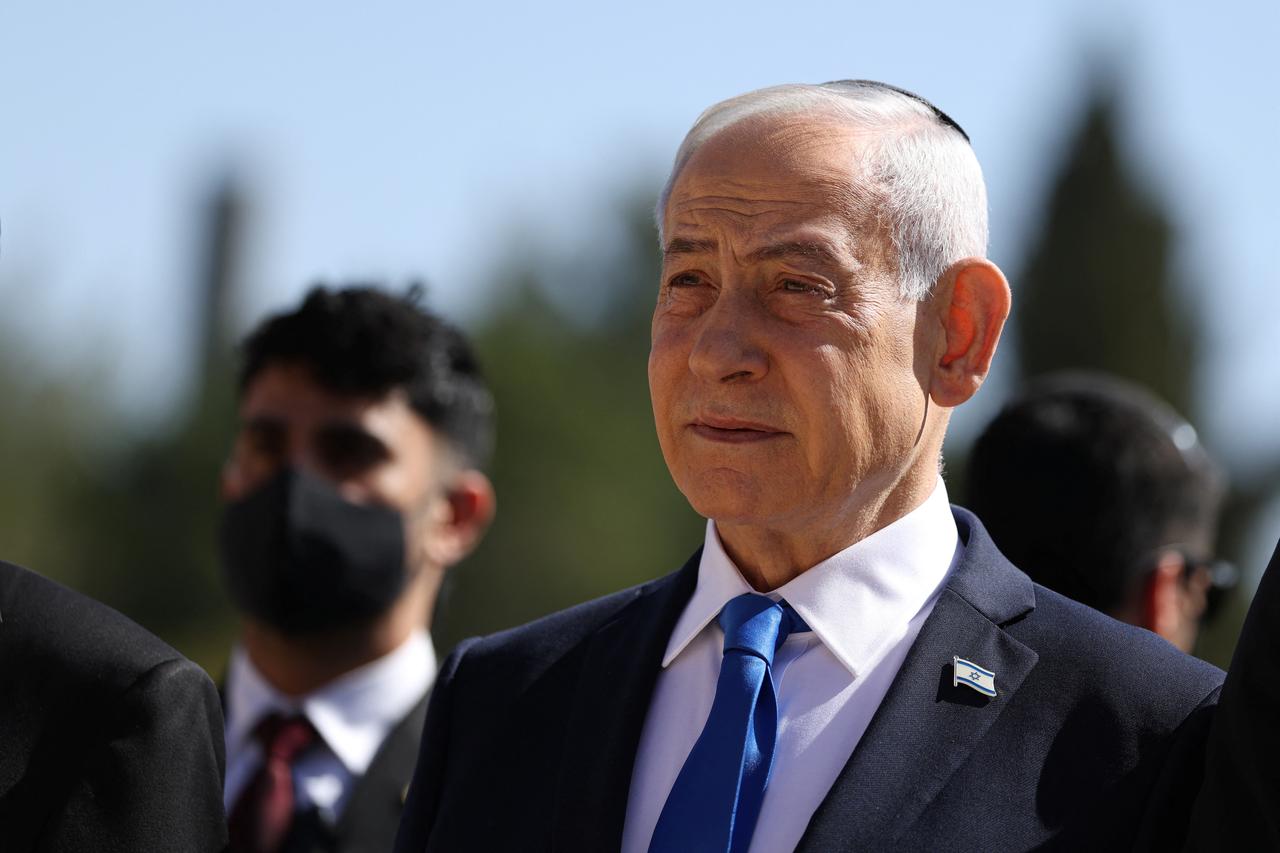

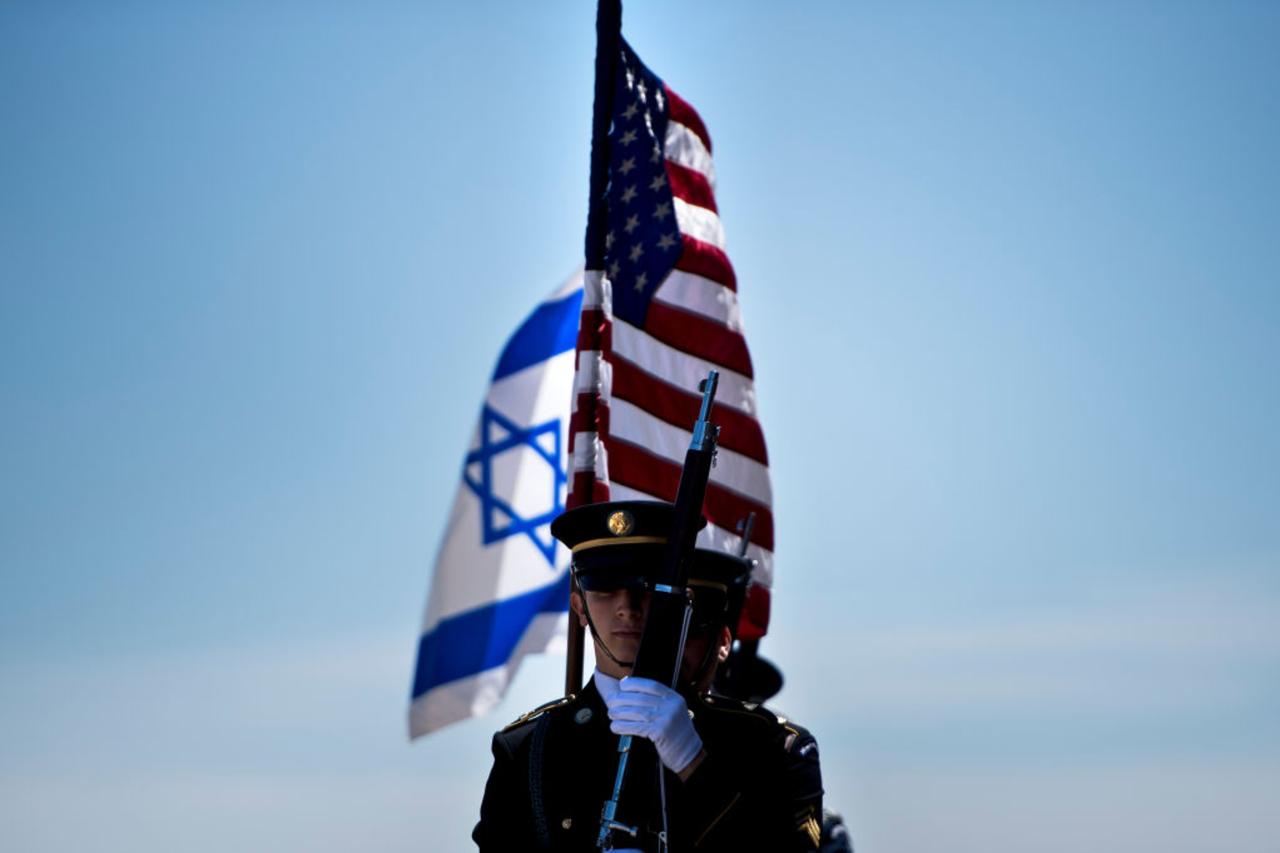
In one of the interview's most striking disclosures, Netanyahu said he had already told Trump he wants to eliminate Israel's financial dependence on U.S. military aid, which currently stands at $3.8 billion annually under an agreement covering 2018 to 2028.
"I want to draw down to zero the American financial support, the financial component of the military cooperation that we have. I think that it's time that we weaned ourselves from the remaining military support and go from aid to partnership," he said.
He proposed a 10-year phase-out, saying, "I said, 'Let's start now and do it over the next decade. I don't want to wait for the next Congress. I want to start now.'"
He cited Israel's "booming economy" and areas of technological strength in AI, quantum, and energy as the basis for a shift to equal partnership.
Netanyahu was unequivocal that Israel would not accept any agreement that ended the U.S.-Iran ceasefire while leaving Hezbollah intact in Lebanon.
"Iran would like to say, 'If we achieve a ceasefire here, we want a ceasefire there.' You know why? Because they want Hezbollah to stay there and continue to torture Lebanon, continue to hold its people hostage."
When asked whether he would accept a ceasefire in Lebanon even if Trump asked, he said: "Well, look, he understands what I'm saying."
He argued that if Iran's regime collapsed, the entire proxy network would follow.
"If this regime is indeed weakened or possibly toppled, I think it's the end of Hezbollah, it's the end of Hamas; it's probably the end of the Houthis, because the whole scaffolding of the terrorist proxy network that Iran built collapses if the regime in Iran collapses," Netanyahu said.
On whether it was possible to topple the Iranian regime, Netanyahu said: "Is it possible? Yes. Is it guaranteed? No."
He disputed a New York Times (NYT) account that he had presented a case for certain regime change in the White House Situation Room on Feb. 11, saying: "No. That's actually incorrect, because I said, 'Oh, well, it's guaranteed we can do it'... Not only did I note the uncertainty. We both agreed, you know, that there was both uncertainty and risk involved. There's danger in action. But there's greater danger in not taking action."
 1 min read
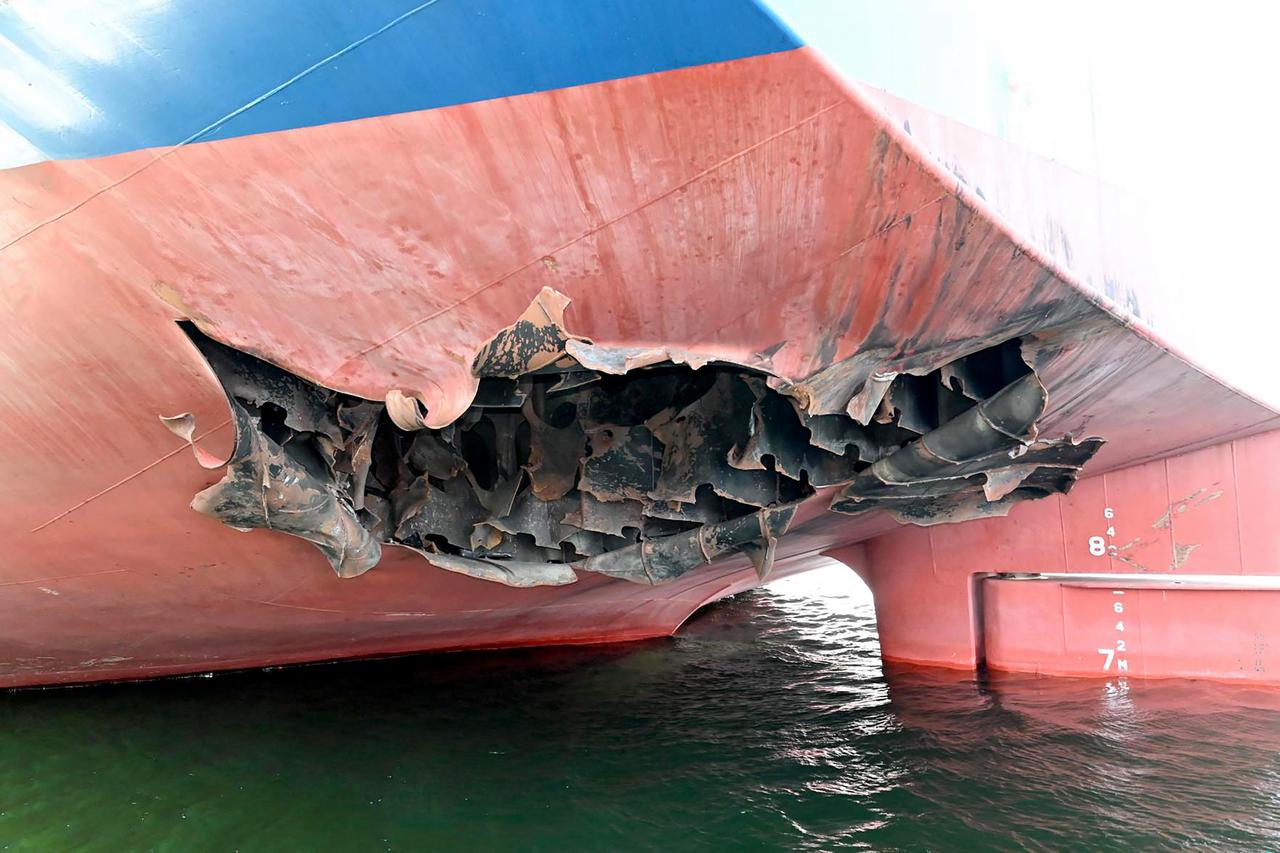
Netanyahu acknowledged that the closure of the Strait of Hormuz was not fully anticipated in pre-war planning.
"I'm not sure it was misread. But the problem of the Hormuz Straits was understood as the fighting went on. It became understood... No, I don't claim perfect foresight, and nobody had perfect foresight. Neither did the Iranians," he said.
Asked about China's support for Iran, Netanyahu said: "China gave a certain amount of support and particular components of missile manufacturing. But I can't say more than that."
He said: "could be" when pressed on whether it was ongoing.
In Arab states, Netanyahu said: "I now see the possibility of the expansion and the deepening of the agreements we do have to alliances with Arab states of the kind that we never even dreamed of," describing previously unheard messages from unnamed Arab countries urging strengthened Israeli alliances.
On declining U.S. public support, with a Pew survey showing 60% of Americans now holding an unfavorable view of Israel, Netanyahu said the decline "correlates almost 100% with the geometric rise of social media" and blamed unnamed countries for deliberately manipulating social media against Israel, while acknowledging that "in war, armies sometimes miss and civilians die."


 Set as preferred source
 Set as preferred source


 1 min read