Newsletters





Israeli Prime Minister Benjamin Netanyahu is expected to present U.S. President Donald Trump with a package of military options for dealing with Iran during their meeting on Dec. 29 at Mar-a-Lago in Florida, according to Israel's public broadcaster KAN and NBC News.
The scenarios under discussion range from an Israeli unilateral strike, to obtaining limited U.S. backing, to carrying out a joint military operation, up to a direct U.S. move against targets inside Iran, the report said.
Netanyahu is expected to present Trump with updated intelligence on developments in Iran's ballistic missile program, with Israeli officials increasingly focused on this file compared to the nuclear program amid Tehran's efforts to rebuild its missile and air defense capabilities.


Israeli officials claim Iran is accelerating the rehabilitation of production facilities damaged in previous attacks while simultaneously working to restore its air defense systems.
Tel Aviv estimates that Iran's renewed production of ballistic missiles could increase to 3,000 per year if left unchecked, according to a person with direct knowledge of Israel's plans and former U.S. officials briefed on the matter.
"The threat of ballistic missiles, and the number of them that the Iranians could use in an attack, is Israel's most immediate concern," one former Israeli official who has discussed the concerns with current Israeli officials said to NBC.
"There is no real question after the last conflict that we can gain aerial superiority and can do far more damage to Iran than Iran can do to Israel. But the threat of the missiles is very real, and we weren't able to prevent them all last time," the official added.

According to sources who spoke to NBC, Israeli officials view Iran's efforts to rebuild ballistic missile production facilities and repair its crippled air defense systems as more immediate concerns than the nuclear program.
"The nuclear weapons program is very concerning. There's an attempt to reconstitute. It's not that immediate," a person with direct knowledge of Israel's plans said.
Israeli officials believe a large volume of ballistic missiles would help Iran better defend its nuclear enrichment sites, and that Tehran would fast-track reconstituting its nuclear program once it can better defend those sites.
The funding of Iranian proxies in the region is also a top concern for Israeli officials, according to the reports.
"Prior to the strikes in June, Israeli officials presented Trump with four options for military action laid out on a coffee table in the Oval Office," according to a person with direct knowledge of Israel's plans.
One option involved Israel acting alone, another included limited U.S. support, a third was joint U.S.-Israeli operations against Iran, and a fourth had the U.S. conducting the operation on its own. Trump ultimately approved a joint operation.
The person suggested Netanyahu may present Trump with a similar set of options during the Mar-a-Lago meeting.
Last week, Trump hinted he might be open to returning to talks with Iran while warning Tehran against trying to reconstitute its programs.
Iran "can try" to rebuild its ballistic missile program, but "it's going to take them a long time to come back," Trump said. "But if they do want to come back without a deal, then we're going to obliterate that one, too."
Asked Thursday about a Dec. 29 meeting with Netanyahu, Trump told reporters: "We haven't set it up formally, but he'd like to see me." Israeli officials have announced a Dec. 29 meeting.
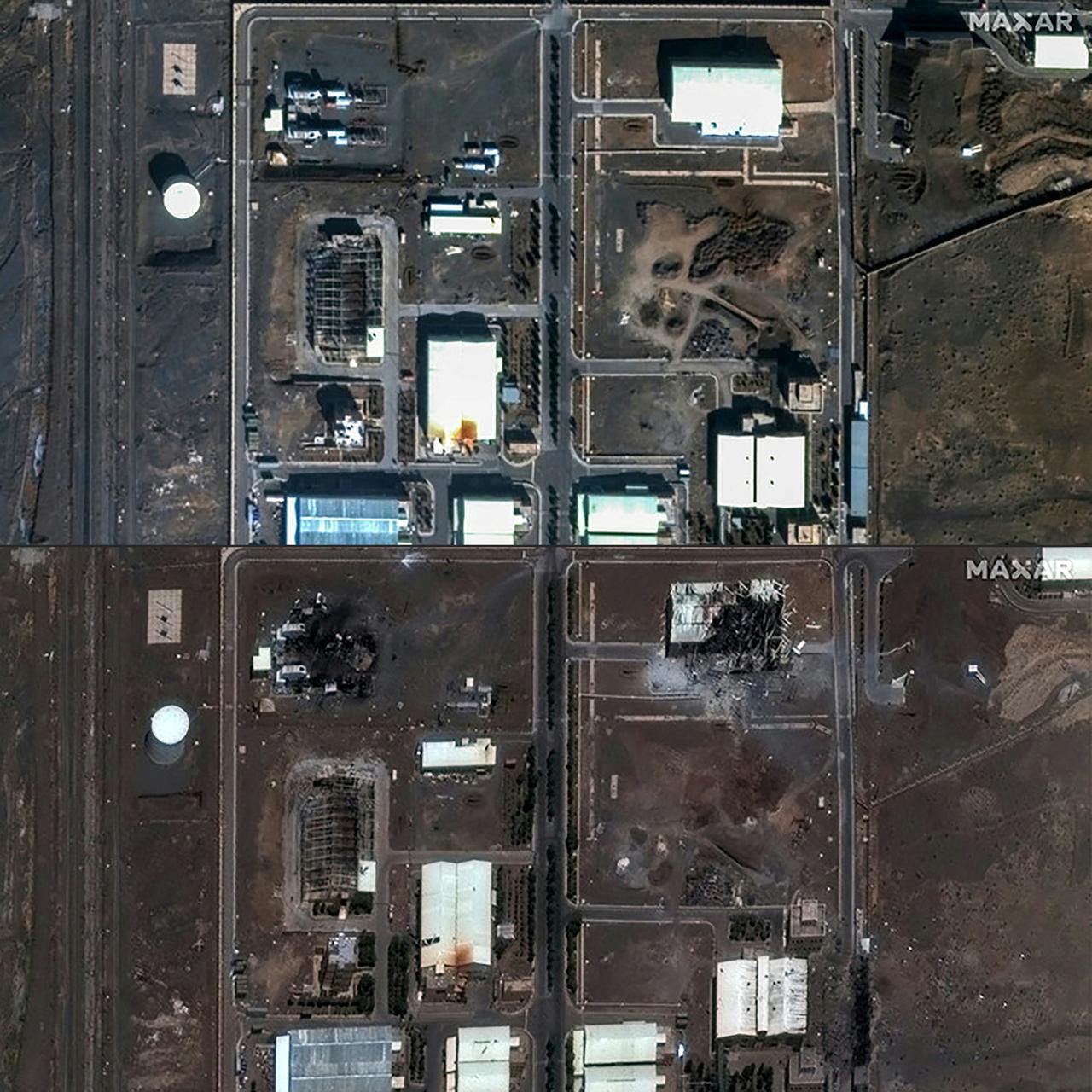
Israel launched an attack on Tehran on June 13, targeting military, nuclear and civilian sites as well as senior military commanders and nuclear scientists. Tehran launched retaliatory missile and drone strikes, while the U.S. bombed three Iranian nuclear sites.
The U.S. strikes, known as Operation Midnight Hammer, included more than 100 aircraft, a submarine, and seven B-2 bombers. Trump has said they "obliterated" Iran's nuclear enrichment sites.
The 12-day conflict came to a halt under a U.S.-sponsored ceasefire that took effect June 24.


 Set as preferred source
 Set as preferred source


 1 min read


 1 min read