Newsletters


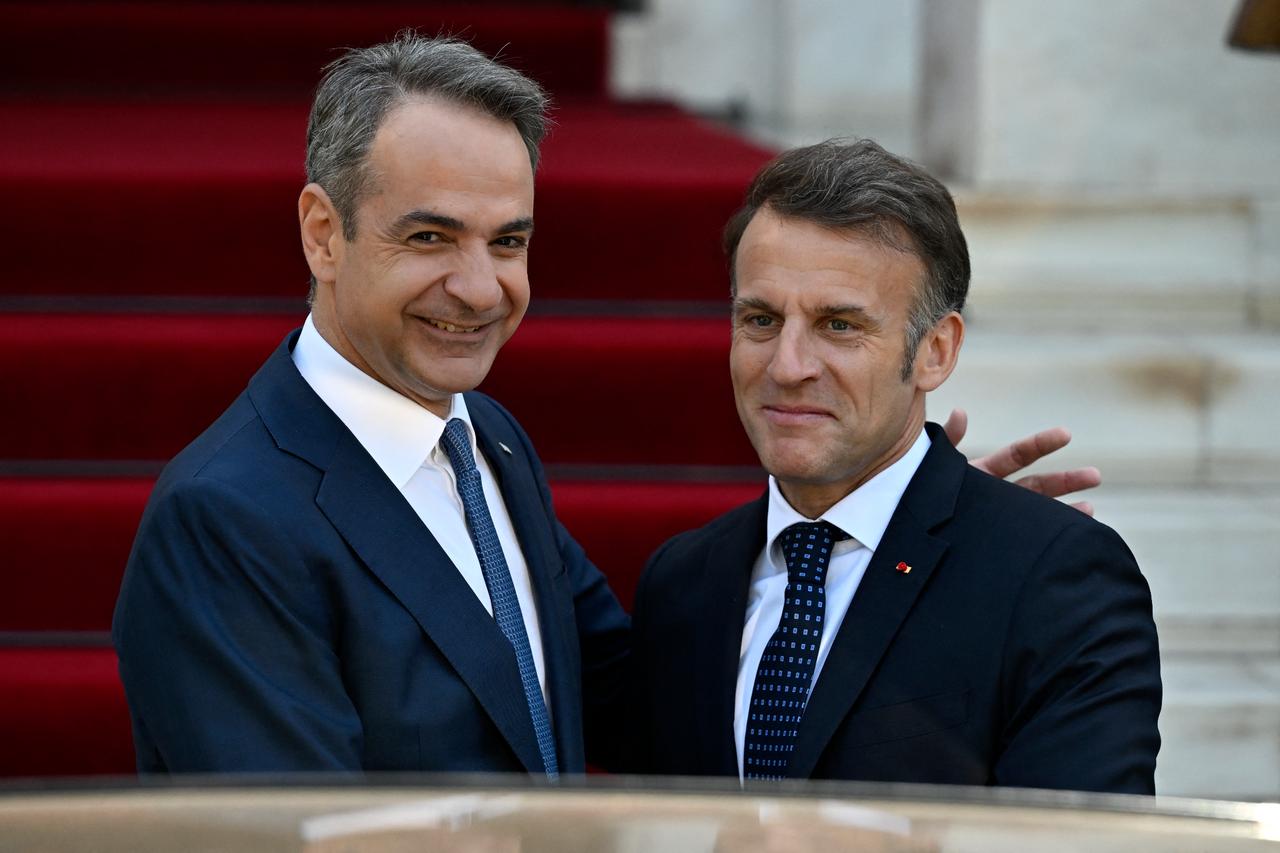


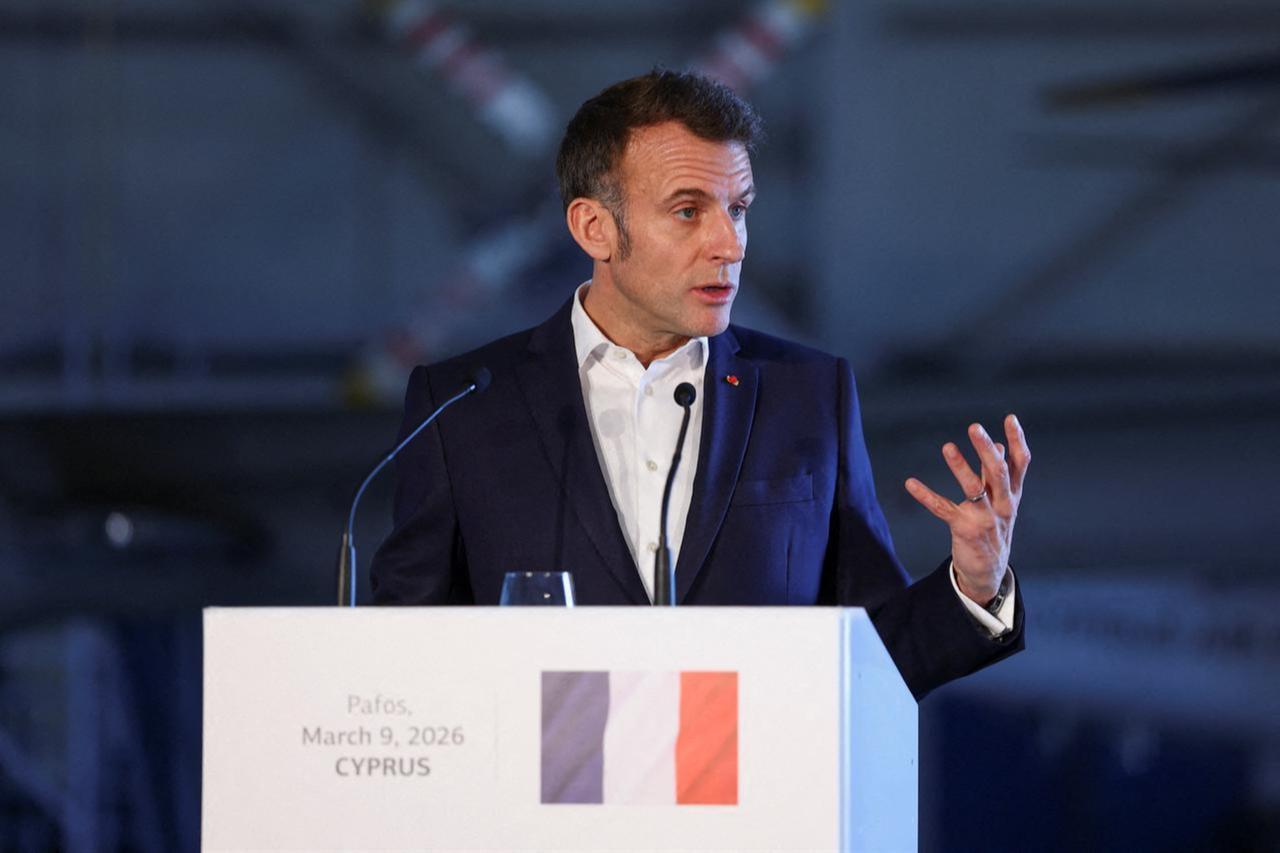
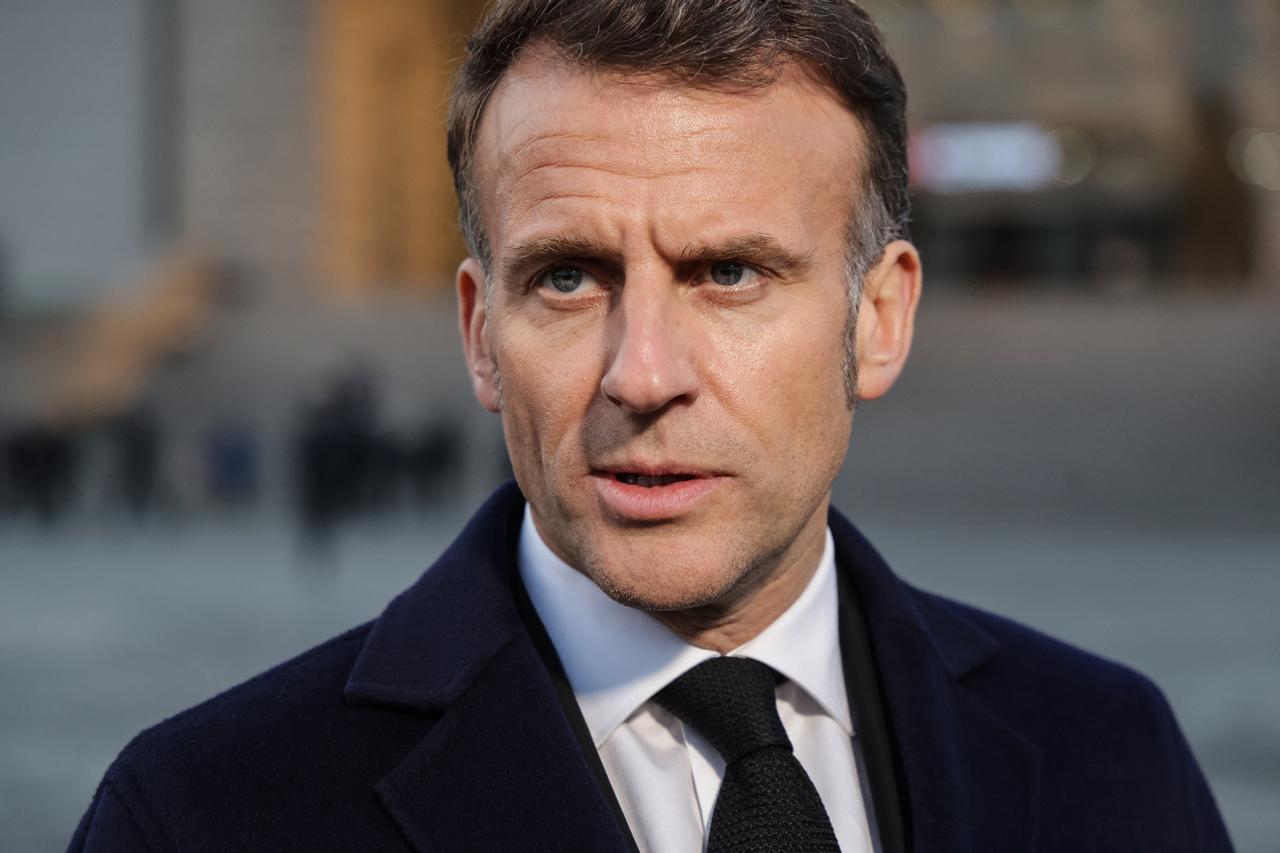
French President Emmanuel Macron said Saturday that France would stand by Greece if Athens faced a threat, hinting at one from Türkiye, as Paris and Athens renewed their strategic defense and security partnership and expanded cooperation across multiple sectors.
Macron made the remarks during a visit to Athens, where he met Greek Prime Minister Kyriakos Mitsotakis and extended a defense pact first signed in 2021. The agreement includes a mutual assistance clause in the event of an attack or a threat to sovereignty.
“Don’t even ask the question,” Macron said after talks with Mitsotakis. “Whatever happens, we will be there, by your side.”
Macron said the clause was “non-negotiable” and left “no room for doubt.”
“All our enemies, potential or actual, must be made fully aware of this,” he said.
Greece and France extended their defense cooperation agreement for another five years, with automatic renewals afterward unless either side objects.
The pact, first signed in Paris in September 2021, covers strategic cooperation in defense and security. The renewed agreement includes a mutual defense assistance clause under which the two countries commit to support each other in the event of a threat to their sovereignty.
Macron said the clause was not symbolic.
“These are not just words,” he said, adding that the provision would be applied in practice.
Macron said France and Greece had already acted together in support of Cyprus on March 1 and 2 and in the following weeks.
Mitsotakis described Macron’s visit as a reaffirmation of the “Greece and France alliance,” while saying the defense partnership strengthened both Greece’s borders and Europe’s borders.
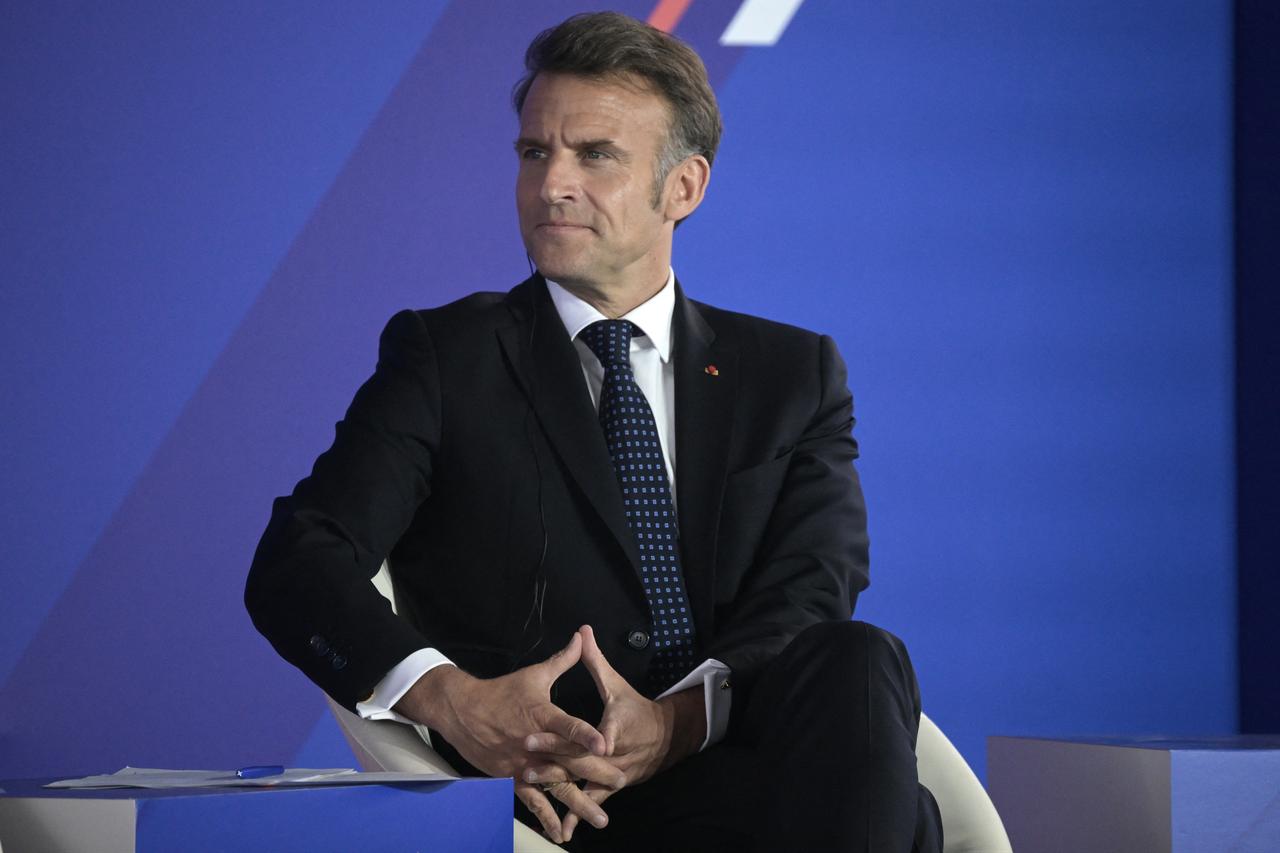

Macron also said the EU’s mutual defense clause, Article 42.7 of the Treaty on European Union, was “steadfast,” unambiguous, and “stronger” than NATO’s Article 5.
“It allows solidarity between member countries but leaves no option,” Macron said at a news conference alongside Mitsotakis.
He said Article 42.7 had “no room for interpretation or ambiguity.”
“On article 42, paragraph 7, it’s not just words,” Macron said. “We know that for us, it is clear and there is no room for interpretation or ambiguity.”
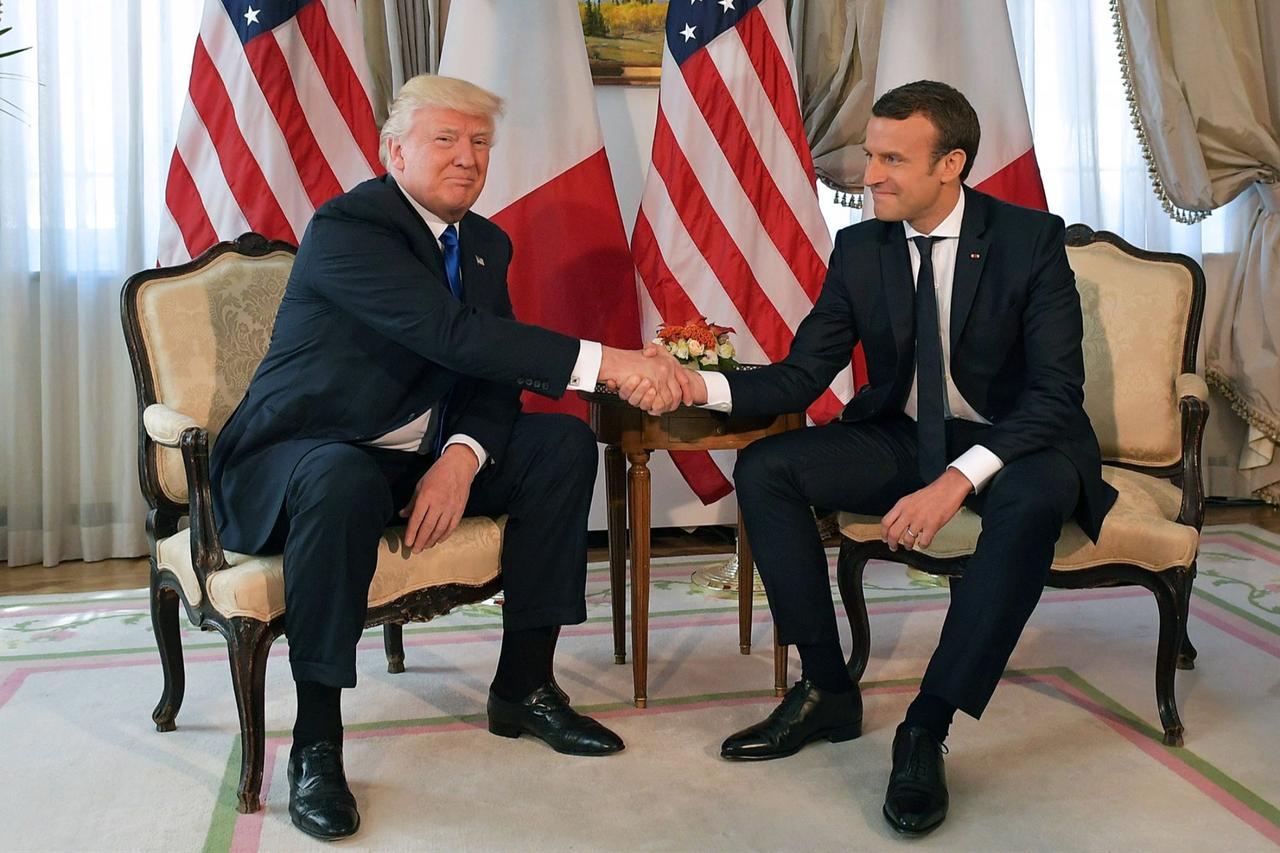
Macron made the comments as U.S. President Donald Trump questioned NATO and repeatedly called it a “paper tiger” for not helping in his war against Iran.
“There is now a doubt on article 5, not put on the table by the Europeans but by the U.S. president,” Macron said.
He described this as “a de facto weakening of the NATO alliance,” while stressing that he remained a strong supporter of NATO’s European pillar.
“I am a strong believer in the European pillar of NATO, and my view is that we should strengthen this European pillar,” he said.
Macron cited joint military assistance to Cyprus after a drone attack against a British airbase on the island on Feb. 28 as proof that Europe’s mutual defense clause could be applied.
France, Greece, Spain, Italy, the Netherlands, and Portugal sent assistance to Cyprus amid fears that the EU member state could face sustained retaliatory attacks in the first days of the U.S.-Israeli war against Iran.
Mitsotakis called the decision to send fighter jets and naval support to Cyprus “a game-changer” for the EU.
“What we did in Cyprus was a game-changer,” Mitsotakis said.
He said the EU’s mutual assistance clause should be taken more seriously.
“We have a mutual assistance clause in our treaties and this is our European responsibility,” Mitsotakis said. “We never spoke about it because we thought that NATO would always do the job.”
He said Europe should study the Cyprus case and consider what support to a European country under threat would mean in future cases.
Macron and Mitsotakis both said European defense cooperation should not be seen as an alternative to NATO.
Macron said France and Greece aimed to inspire the rest of Europe and strengthen NATO’s European component.
“This movement has inspired and continues to inspire the rest of Europe and has consolidated this European pillar of NATO, this Europe of defense," Macron said.
Mitsotakis said stronger Greece-France defense cooperation would also strengthen NATO.
He said developments in the north, east, south, and southeastern Mediterranean directly affect European security.
For this reason, he said, Europe needs a long-term and genuine policy.
Macron and Mitsotakis also signed a series of new agreements covering defense, energy, technology, education, scientific research, innovation, environmental protection, nuclear technology, digital ocean systems and military technology.
The agreements included continued support for MICA IF/RF missiles used by Greece’s Rafale fighter jets.
Before the meeting, Macron and Mitsotakis visited the Belharra-class frigate “Kimon” at the Port of Piraeus. Greece purchased the frigate from France.
Mitsotakis pointed to Greece’s earlier purchases of Rafale fighter jets and Belharra-class frigates from France, saying both countries owning Belharra frigates would benefit modernization work and technical exchanges.
Since coming to power in 2019, Mitsotakis has increased arms purchases, particularly from France.
Greece has purchased 24 Rafale fighter jets and three Belharra frigates from France for more than €5.5 billion. A fourth frigate was added last year.
Last year, Greece launched an overhaul of its armed forces worth about €25 billion, including plans to acquire a missile, anti-aircraft, and anti-drone defense system known as the “Achilles Shield.”
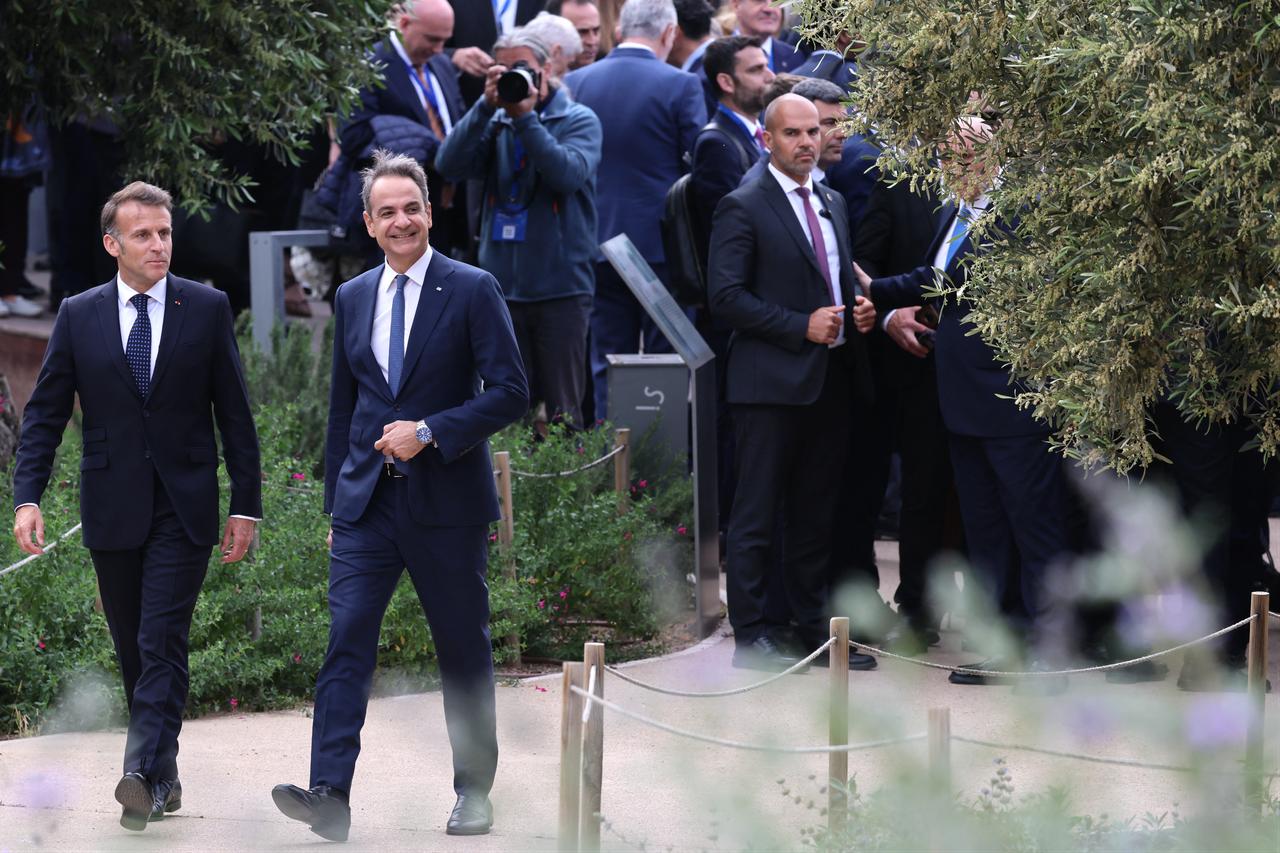
Macron said France and Greece shared a common view of thinking beyond their own national borders.
“Greece and France also have this in common: We have always thought bigger than the borders of our countries, and we want to continue to think that way,” he said.
He said Europe had to “wake up” and claim its place as a geopolitical power at a time of uncertainty.
“We should not underestimate that this is a unique moment where a U.S. president, a Russian president and a Chinese president are dead against the Europeans,” Macron said.
He said Europe had ended centuries of civil war and delivered prosperity and now had to “write the next chapter and become a geopolitical power.”
Macron and Mitsotakis also discussed developments in the Middle East.
Macron said France and Greece were calling for peace to be restored and for the ceasefire, including Lebanon, to be maintained.
He said diplomatic negotiations should continue and called for the peaceful reopening of the Strait of Hormuz.
Mitsotakis said passage through the Strait of Hormuz should remain free and not be subject to payment.


 Set as preferred source
 Set as preferred source


 1 min read
 1 min read