Newsletters


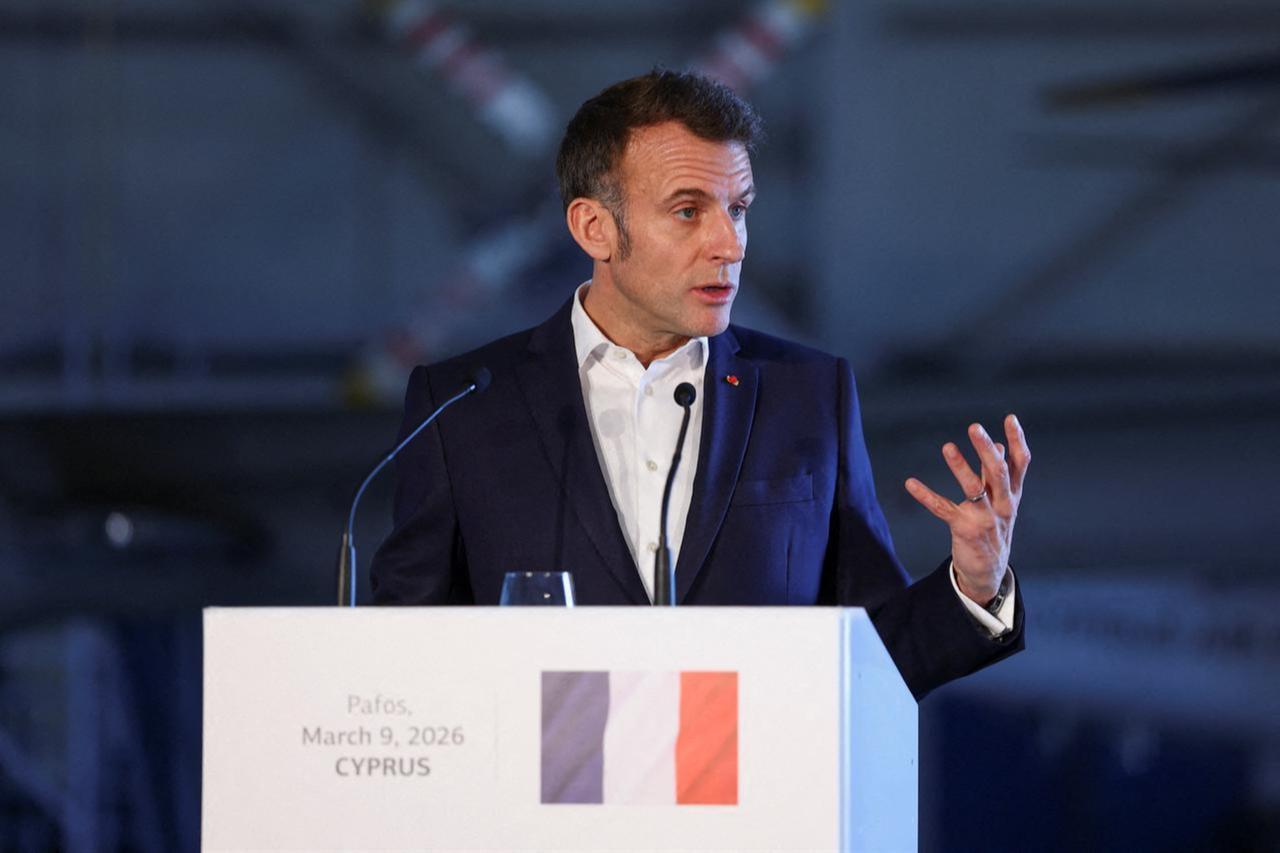


French President Emmanuel Macron on Monday sharply criticized both Washington and Tehran over the deteriorating situation in the Persian Gulf, warning that a US decision to maintain a naval blockade and Iran's subsequent policy reversal risk undoing a fragile diplomatic opening reached just days earlier.
Speaking alongside Polish Prime Minister Donald Tusk at a joint press conference in the Baltic port city of Gdansk, Macron said the international community must pull back from the brink and return to the terms agreed on Friday, when a brief diplomatic breakthrough had seen the Strait of Hormuz briefly reopened to international shipping.
The French president said it was likely that Iran had reversed its initial position in response to Washington's continued enforcement of a targeted maritime blockade. "I believe this is a mistake on both sides," he said, calling for all parties to return to calm.
Macron argued that the current cycle of military pressure was counterproductive, and called instead for a "lasting peace through negotiations on nuclear and ballistic missile issues."
He advocated for an international "defensive" mission to ensure the unconditional reopening of the waterway, framing free passage through Hormuz as a matter of global energy security. The strait is one of the world's most critical chokepoints, through which a significant share of the world's seaborne oil supply passes.
Tusk aligned himself with Macron's call for de-escalation, but went further in drawing out the broader geopolitical stakes. "For Poland, de-escalating tensions and reaching agreements that can end or minimize conflicts in the Middle East are an absolute priority," the Polish prime minister said.
Tusk identified Russia as the primary beneficiary of prolonged instability in the region, arguing that elevated oil prices and diverted Western attention serve Moscow's strategic interests. "There is one obvious winner in this war: Putin," he said.


 Set as preferred source
 Set as preferred source


 2 min read
 1 min read