Newsletters


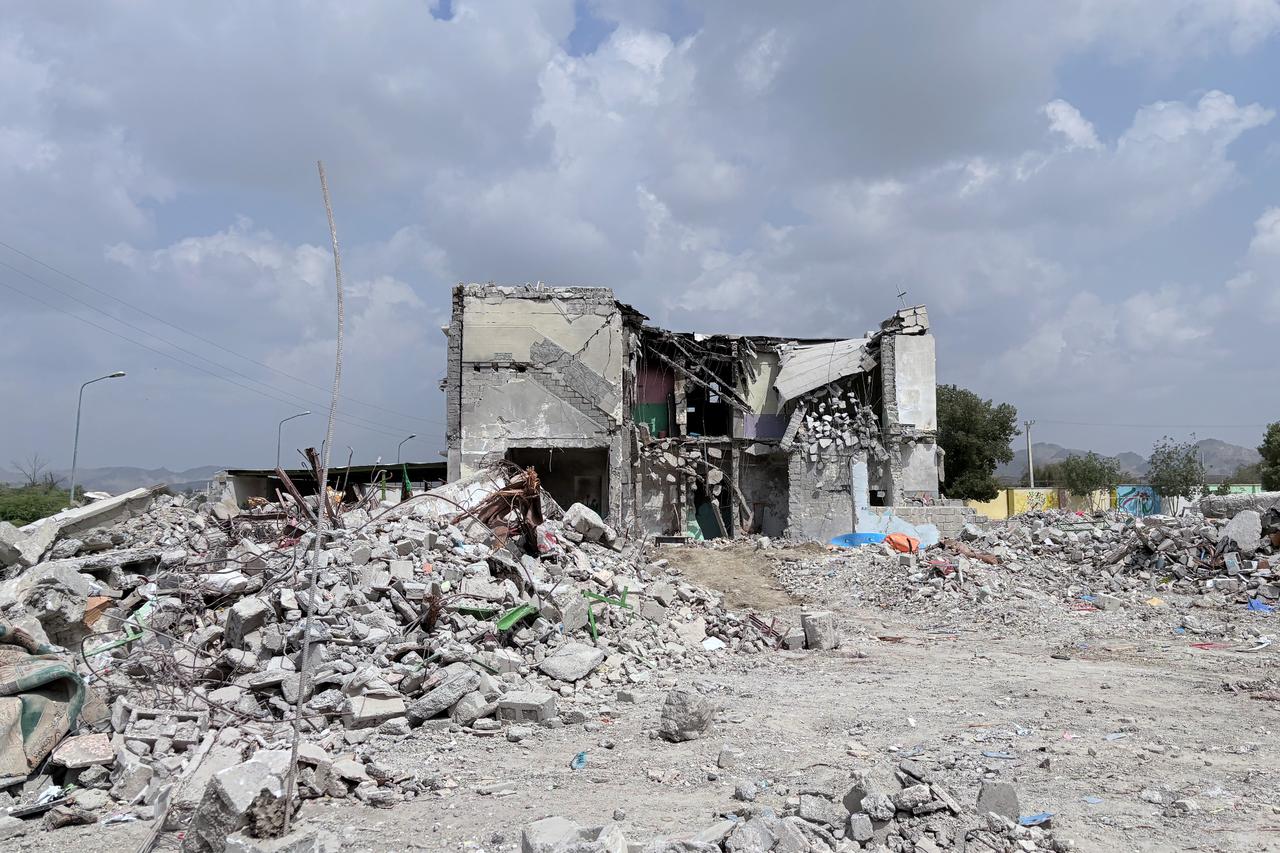


A preliminary U.S. military investigation has determined that American forces struck an Iranian elementary school on Feb. 28, killing at least 175 people, most of them children, due to a targeting error involving outdated intelligence data, according to U.S. officials and others familiar with the findings.
The strike on the Shajarah Tayyebeh elementary school in Minab was the result of a targeting mistake by the U.S. military during the opening hours of the U.S.-Israeli war against Iran.
 Breaking News, Direct to You.
 Follow Türkiye Today on WhatsApp
for real-time updates and key insights from Türkiye and beyond.
Follow Türkiye Today on WhatsApp
for real-time updates and key insights from Türkiye and beyond.
Officers at U.S. Central Command (CENTCOM) created the target coordinates using outdated data provided by the Defense Intelligence Agency (DIA) that still identified the school building as part of an adjacent Iranian military base, a designation that was no longer accurate, according to people briefed on the investigation.
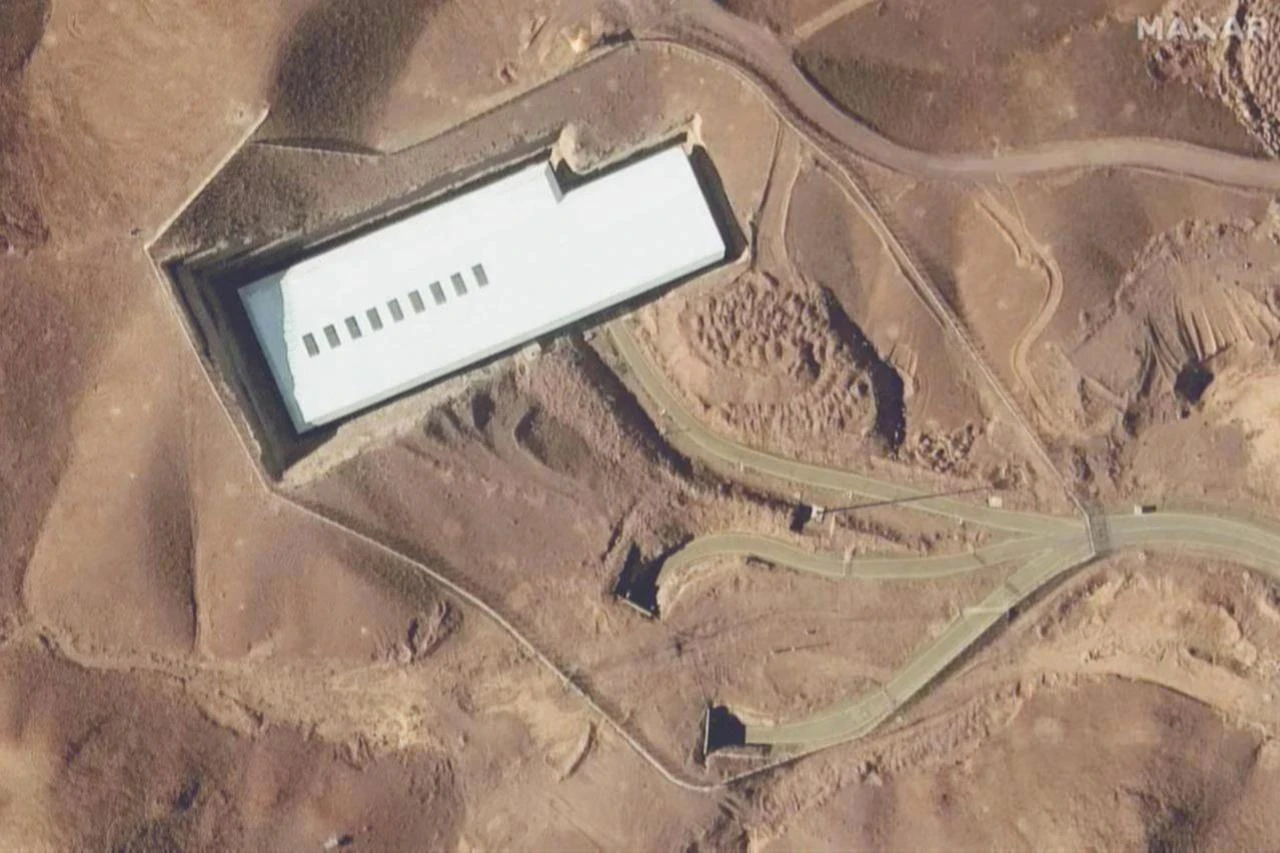
The school building had been fenced off from the Iranian Islamic Revolutionary Guard Corps Navy base between 2013 and 2016, according to an analysis of satellite imagery.
Watchtowers that once stood near the building were removed, three public entrances were opened to the school, the ground was cleared, and play areas, including a sports field, were painted on asphalt, and walls were painted blue and pink.
Officials emphasized that the findings are preliminary and that important unanswered questions remain about why the outdated information had not been double-checked.
The investigation is being conducted by multiple agencies, including the Defense Intelligence Agency and the National Geospatial-Intelligence Agency.
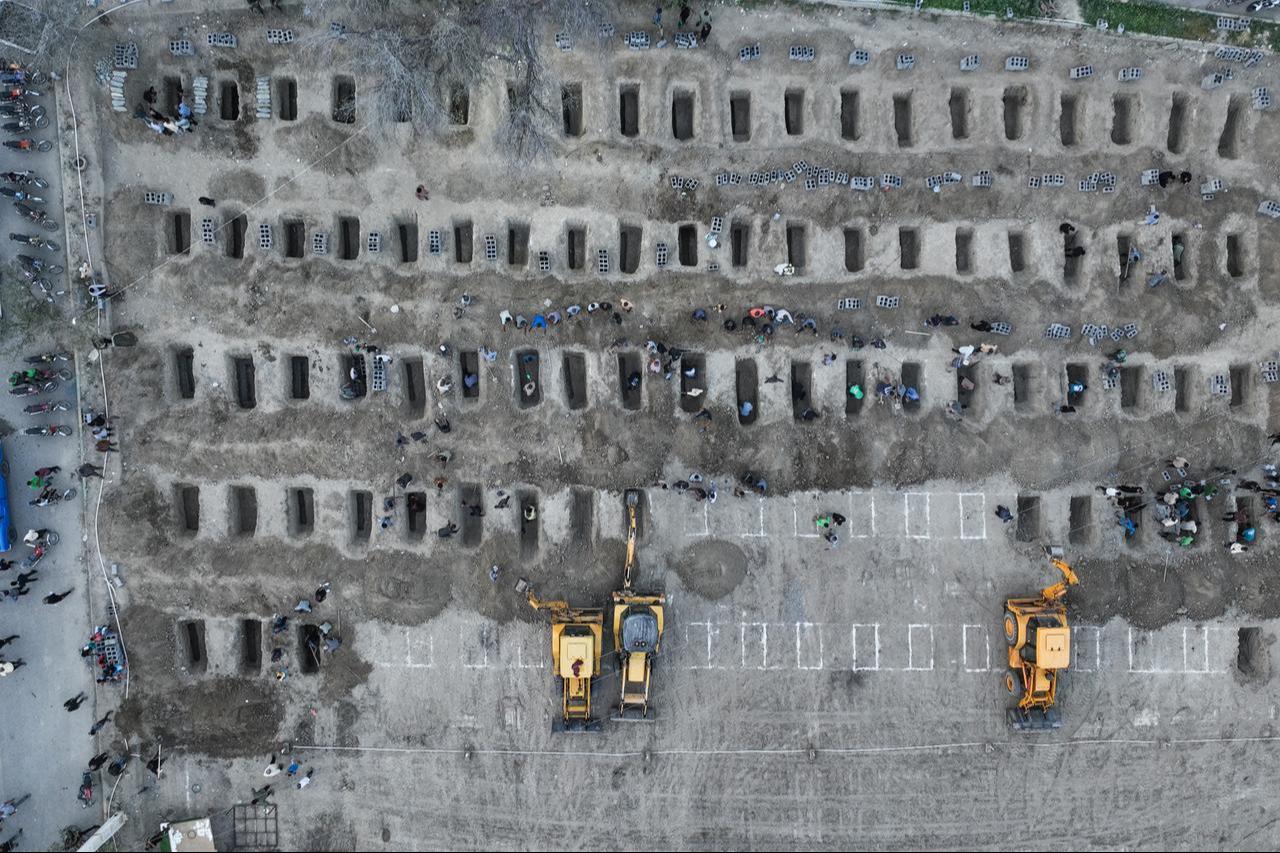

The deadly strike occurred in the first few hours of the U.S.-Israeli war against Iran, just as parents were hurrying to the two-story schoolhouse to take their kids home to safety, according to multiple people familiar with the strike who spoke to The Washington Post.
It is still unclear why the building was hit, but one person familiar with the school strike said it had been identified as a factory and was an approved strike target.
A second person familiar said there was an arms depot target located in the same area and did not know if the United States hit the school by mistake, or if U.S. officials had the wrong intelligence and thought the building was the arms depot.
"Initially there was some confusion on why it was on the target list," said a third person familiar with the strike. The individual would not go into further detail, citing the military's ongoing investigation into the strike.
Israel has said it did not have a role in the strike, and two Israeli officials told The Washington Post that this specific targeting was not cross-checked or discussed with the Israeli army before it took place.
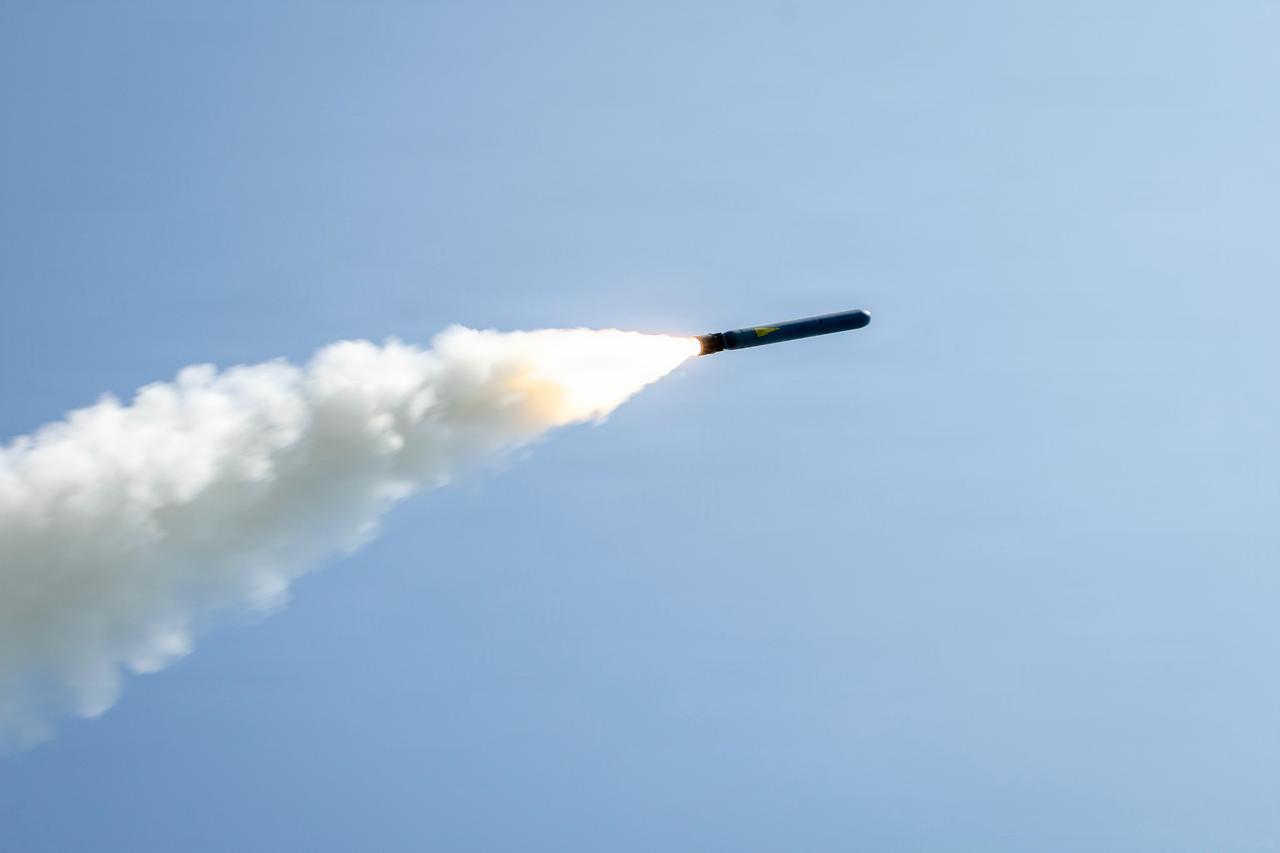
Video posted to social media appeared to show a Tomahawk cruise missile, a munition fired by the U.S. Navy, strike a building near the school, according to eight munitions experts who reviewed the footage.
A video uploaded Sunday by Iran's semiofficial Mehr News Agency and verified by The New York Times also shows a Tomahawk cruise missile striking the naval base beside the school in Minab on Feb. 28.
Only a handful of allied nations have Tomahawk cruise missiles; Iran is not among them. Israel also does not have Tomahawks in its arsenal.
Satellite imagery, social media posts and verified videos assembled by The Times visual investigation team indicate that the school was severely damaged by a precision strike that occurred around the same time as attacks on the naval base.
U.S. President Donald Trump suggested Monday without evidence that Iran itself may have attacked the school with Tomahawks. "But whether it's Iran or somebody else, the fact that a Tomahawk, a Tomahawk is very generic. It's sold to other countries," Trump said.
Later, Trump claimed without citing evidence that Iran might also have Tomahawk missiles, asserting, "Because I just don't know enough about it. They might have some Tomahawks."
Officials conducting the investigation have examined whether any artificial intelligence models, data crunching programs or other technical intelligence gathering means were to blame for the mistaken targeting of the school, according to U.S. officials.
Both the Israeli and U.S. militaries are using Palantir's Maven, a battlefield intelligence platform, to conduct operations.
The U.S. version is powered in part by Anthropic's AI, Claude. Claude does not directly create targets, but it works with the National Geospatial-Intelligence Agency's Maven Smart System and other software to identify points of interest for military intelligence officers.
But officials said the error was unlikely to have resulted from new technology. Instead, they said, it likely reflected a common, but sometimes devastating, human error in wartime. Military targeting is very complex and involves multiple agencies. Many officers would have been responsible for verifying that the data is correct, and officers at Central Command are responsible for checking the information they receive from the Defense Intelligence Agency or another intelligence agency. But in a fast-moving situation, like the opening days of a war, information is sometimes not verified.
Israel has conducted more than 6,000 strikes on 3,400 targets. U.S. Central Command had hit 5,500 targets as of Wednesday.
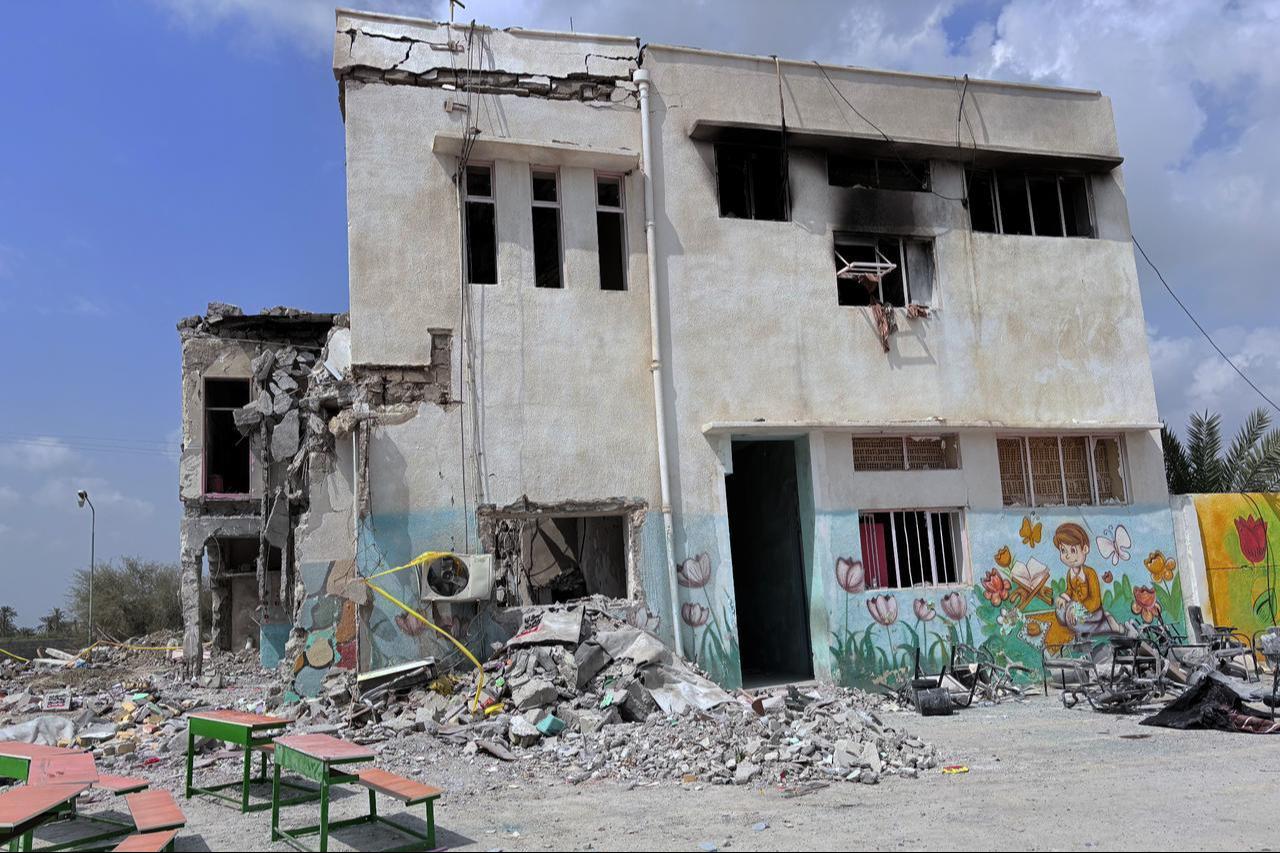
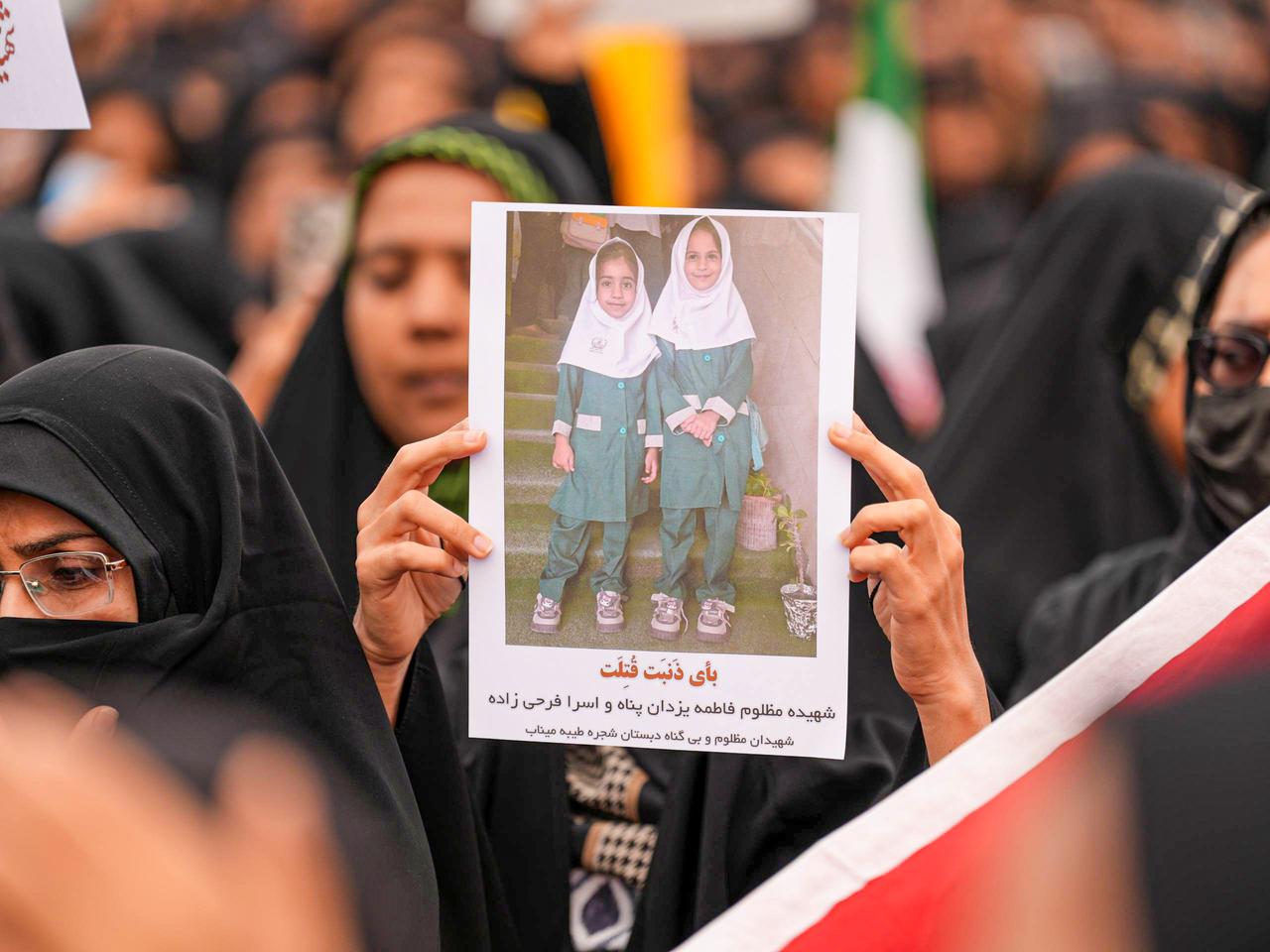
Iran on Wednesday described the Feb. 28 missile strike as an "unforgivable" war crime and called for those responsible to be held accountable. Foreign Ministry Spokesman Esmaeil Baqaei said the attack, which Iranian authorities say killed 168 schoolchildren, must not go unpunished.
On X, Baqaei said a "double-tap American Tomahawk missile" strike carried out Feb. 28 in Minab "slaughtered 168 Iranian little angels." "An unforgivable egregious war crime that must not go with impunity," he wrote.
Human Rights Watch has called for a war crime investigation into the attack.
At a Pentagon news briefing on Tuesday, Secretary of War Pete Hegseth alleged that schools in Iran were being used to launch attacks.
"The mullahs are desperate and scrambling. Like the terrorist cowards they are, they fire missiles from schools and hospitals, deliberately targeting innocents," Hegseth stated.
In a follow-up request for comment on Hegseth's claim that Iranians are firing missiles from schools, his office referred The Washington Post back to the secretary's briefing remarks.
Hegseth said Tuesday that no nation takes more precautions than the U.S. to ensure civilians are never targeted. Regarding the strike on the girls' school in Iran, Hegseth said that when incidents happen, the U.S. investigates.

A total of 46 senators sent a letter on Wednesday to Hegseth seeking answers on the strike.
"To be clear, the war against Iran is a war of choice without Congressional authorization. Nonetheless, as these military actions continue, the United States and Israel must abide by U.S. and international law, including the law of armed conflict," the senators, including Senate Foreign Relations Committee ranking member Jeanne Shaheen, wrote in the letter.
"There must be a swift investigation into the strikes on this school and any other potential U.S. military actions causing civilian harm, and the findings must be released to the public as soon as possible, along with any measures to pursue accountability," the senators wrote.
The senators asked Hegseth for details on the pre-strike analysis and whether the school had been deliberately targeted. They also expressed concern about Hegseth's comments characterizing Operation Epic Fury as being carried out with "no stupid rules of engagement."
"This rhetoric only serves to endanger civilians, including American citizens, in the region and around the globe. The United States is a party to the Geneva Conventions and bound by international humanitarian law, including the principles of distinction, proportionality, and precaution," the senators wrote.
Separately, several Democrats, including Senate Minority Leader Chuck Schumer, called on Hegseth and Secretary of State Marco Rubio to provide testimony under oath about the operation in Iran.
Asked about the article as he left the White House on Wednesday for a trip to promote his economic agenda in Ohio and Kentucky, President Trump replied, "I don't know about that." When asked Wednesday about recent findings, Trump told reporters: "I don't know about it."
On Saturday, Trump told reporters on Air Force One: "In my opinion, based on what I've seen, that was done by Iran. They're very inaccurate, as you know, with their munitions. They have no accuracy whatsoever. It was done by Iran."


 Set as preferred source
 Set as preferred source


 2 min read

 1 min read