Newsletters




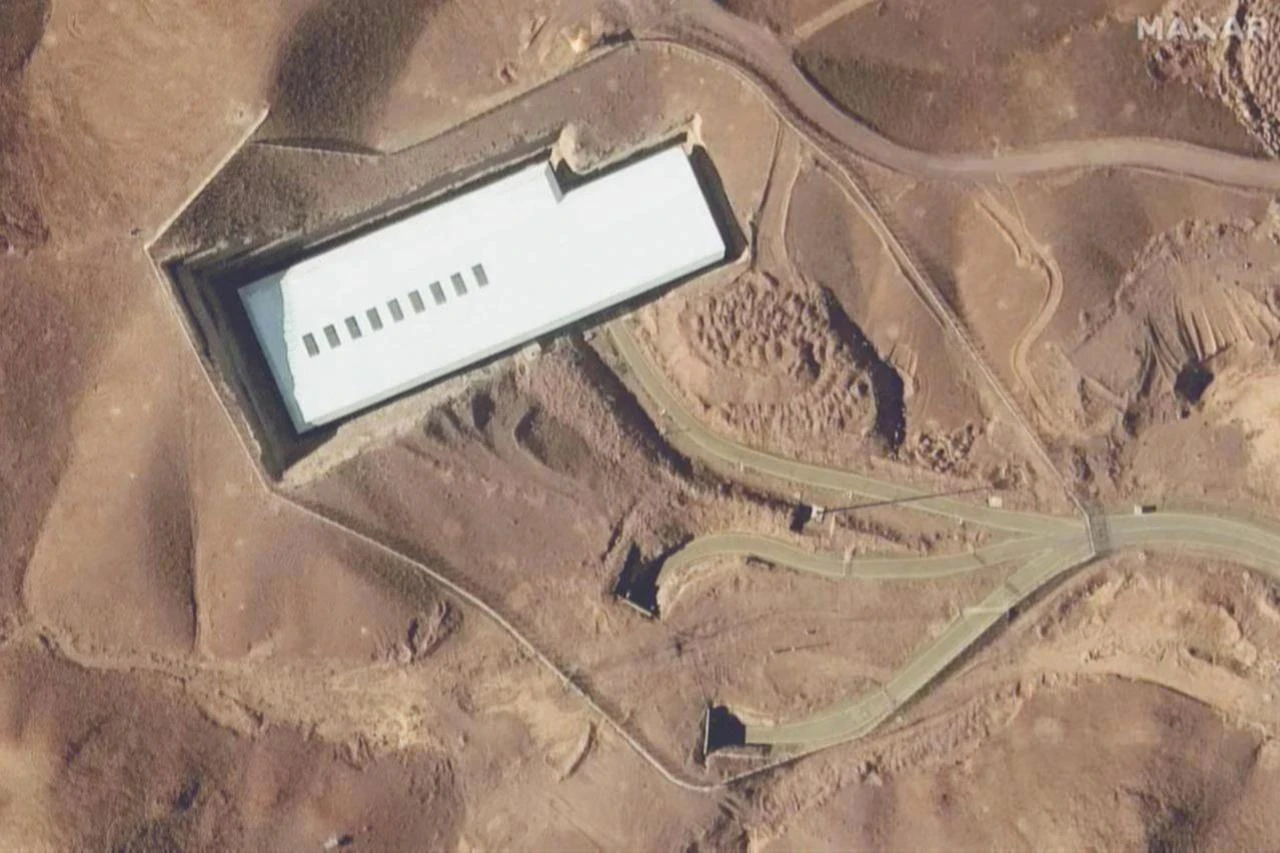
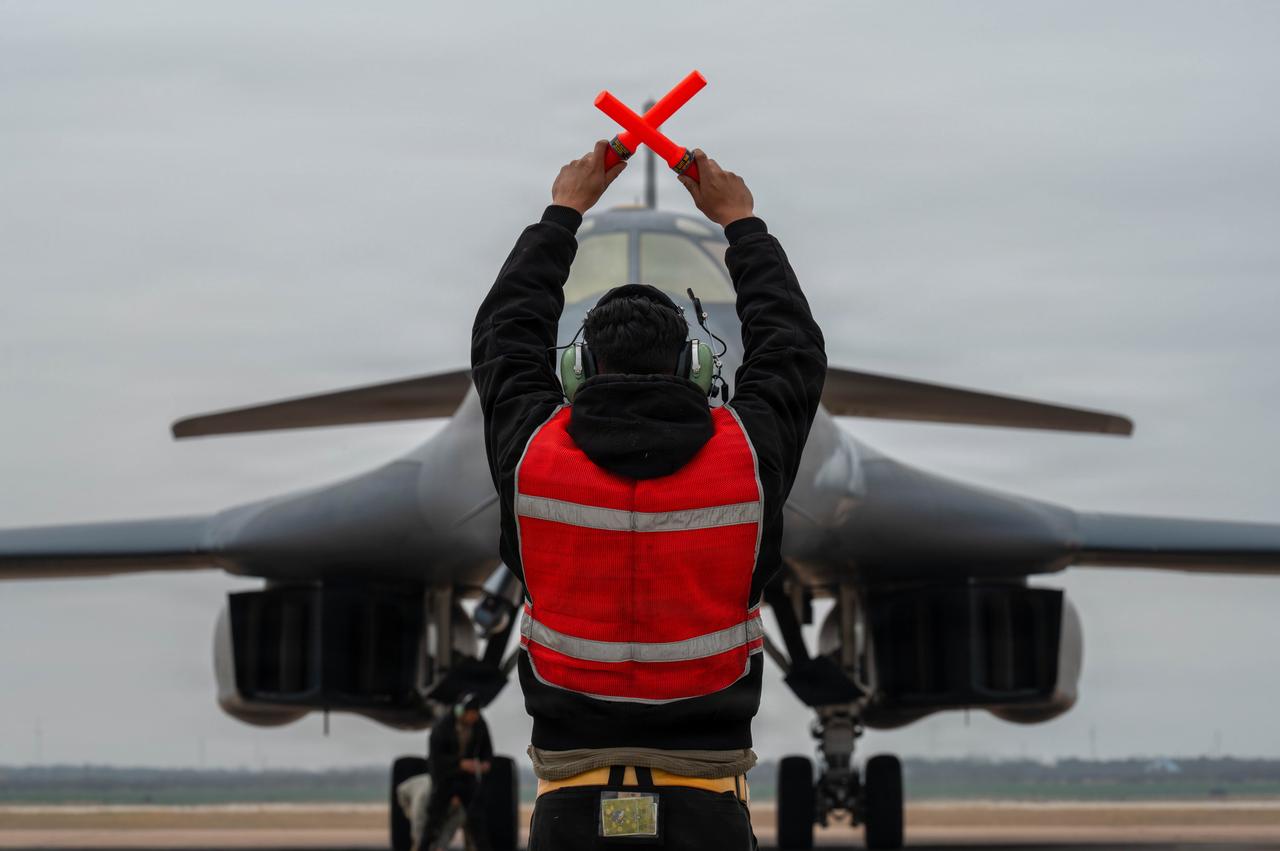
U.S. Central Command (CENTCOM) Commander Admiral Brad Cooper on Monday released before-and-after photos of Iranian military sites destroyed by U.S. strikes for the first time, saying American forces have dismantled key elements of Iran's defense industrial base, destroyed over 100 Iranian naval vessels, and flown over 6,000 combat flights in 16 days of Operation Epic Fury.
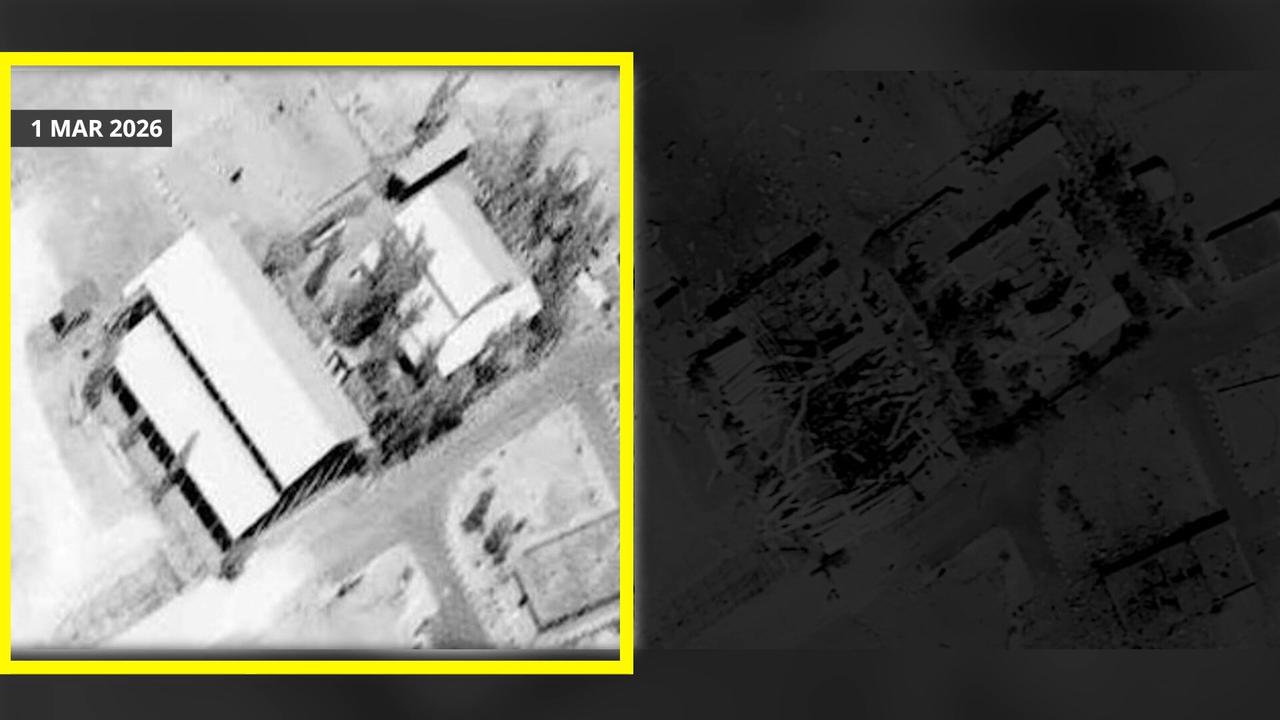
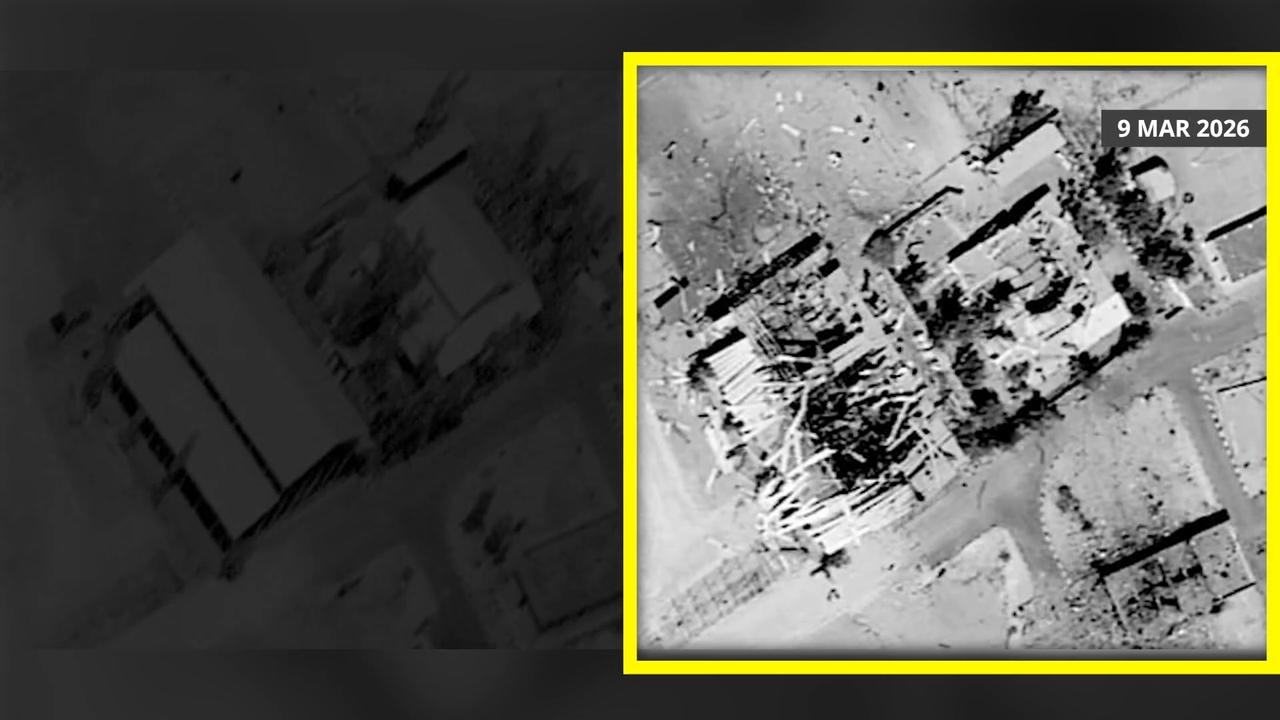
Cooper shared imagery of three sites in a video update posted on X.
The first showed a naval drone storage facility located near the Strait of Hormuz, photographed on March 1, and then the same location was completely destroyed eight days later.
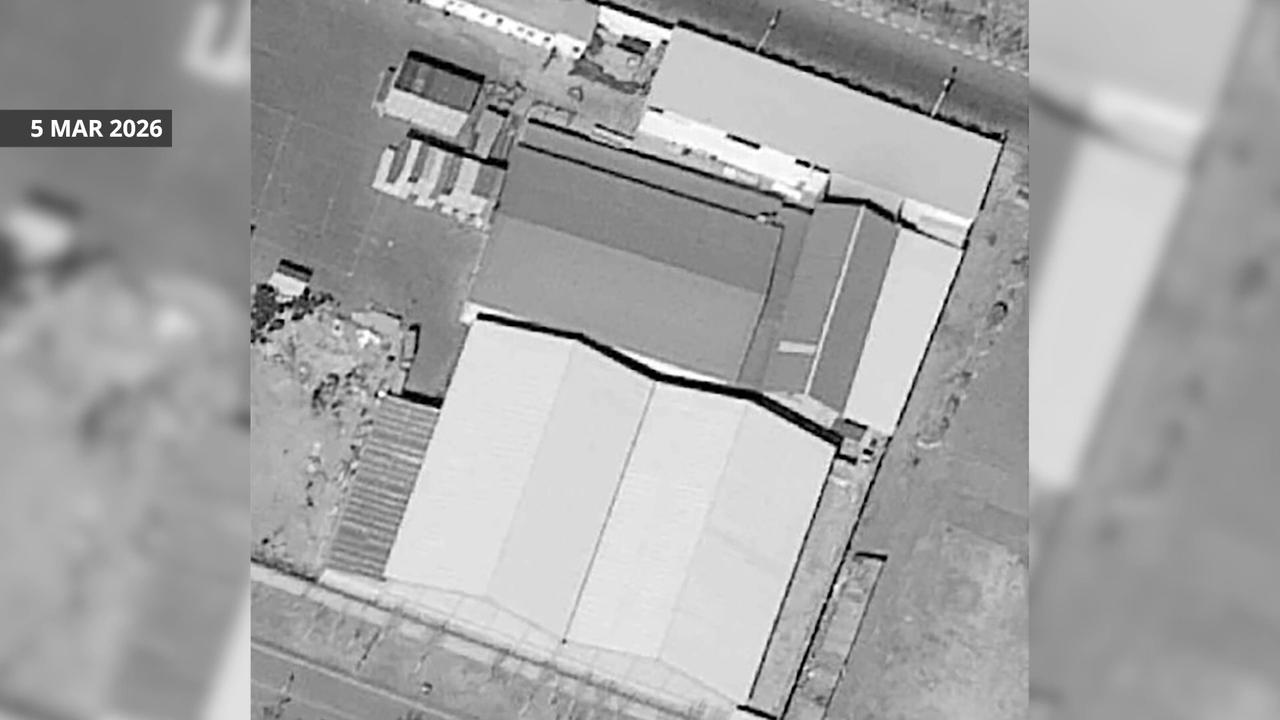
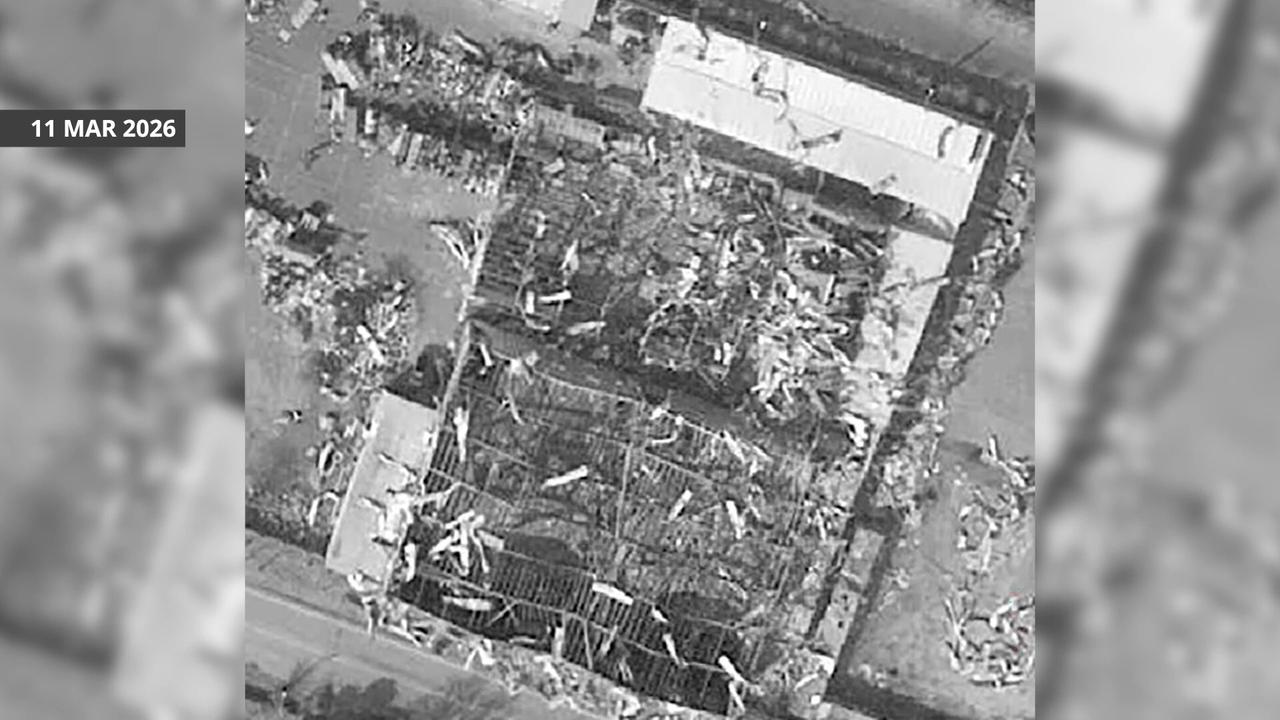
The second showed an attack drone production factory in Tehran photographed on March 5, and then the same factory six days later, after what Cooper described as "a devastating barrage of U.S. airstrikes."
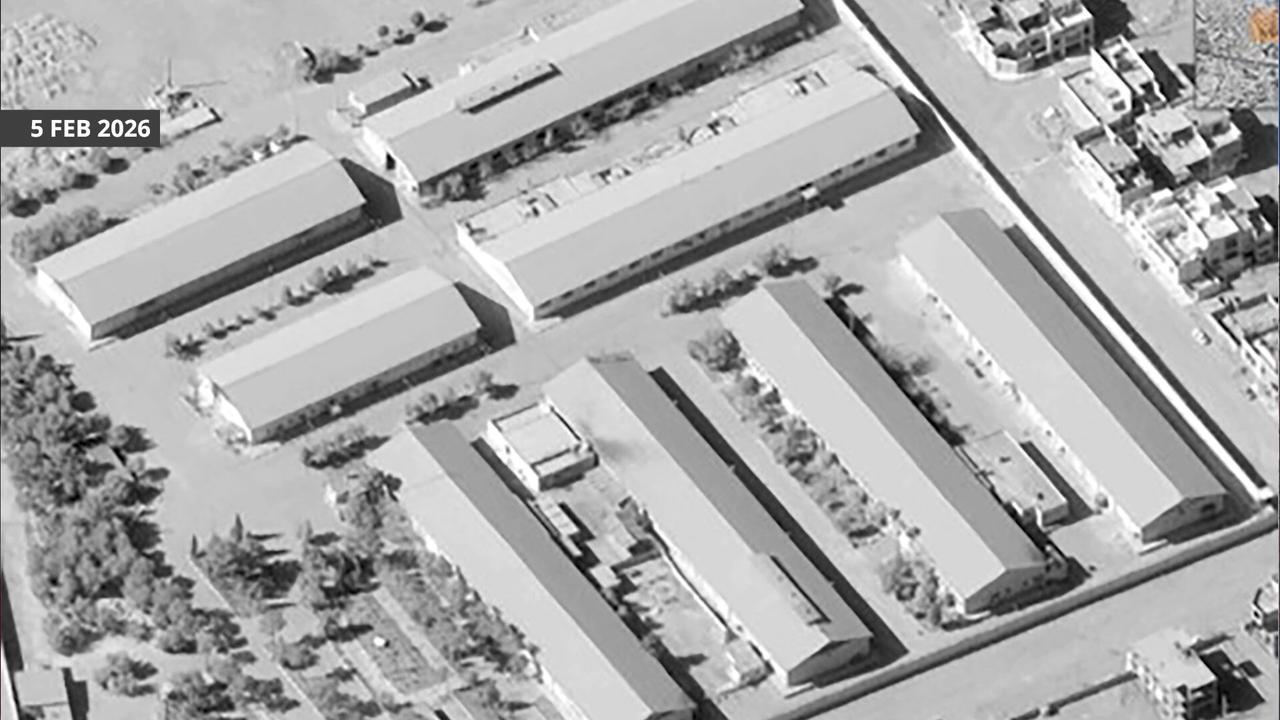
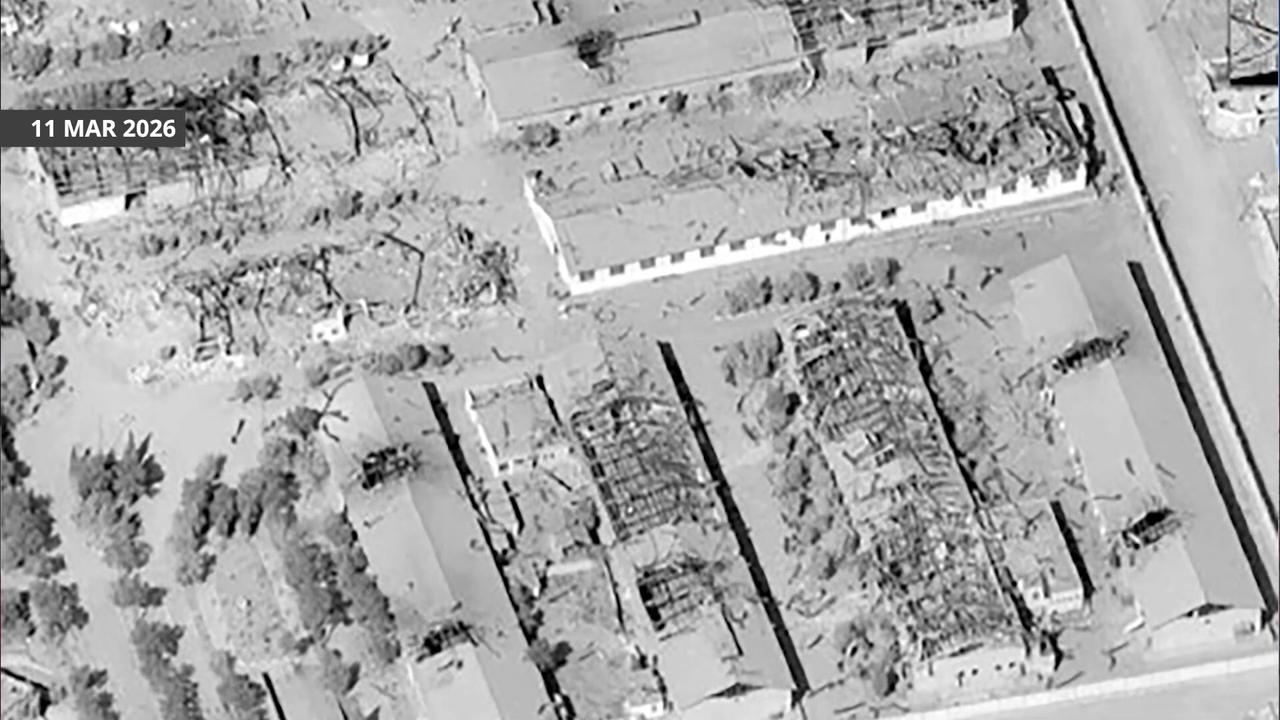
The third showed the Yazd Military Depot photographed last month. Cooper said the eight buildings at the site were part of the IRGC's missile command infrastructure and were used to produce light and heavyweight torpedoes. A subsequent photo showed the depot largely destroyed.
"U.S. and partner strikes are doing exactly what they are intended to do — deliver on very clear military objectives to eliminate Iran's ability to project power against Americans and against its neighbors," Cooper said.
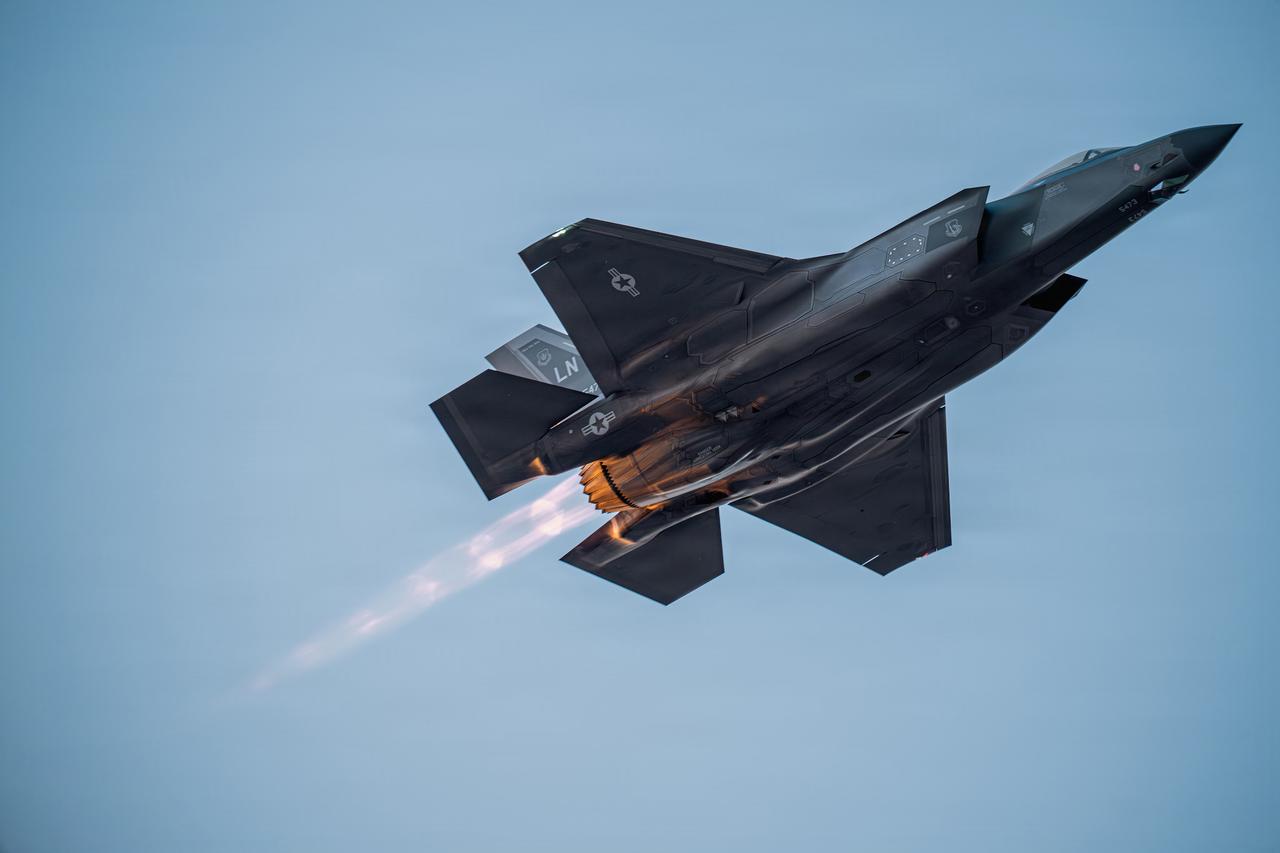
Cooper said U.S. Air Force, Navy and Marine Corps aviators have collectively flown more than 6,000 combat flights since the start of the operation, demonstrating what he called "the unmatched capability of America's joint force" as the U.S. maintains air superiority over Iranian skies.
He said that on Friday, U.S. forces executed a large-scale precision strike on Kharg Island, destroying more than 90 Iranian military targets, including storage bunkers for naval mines, missiles, and other military infrastructure.
Cooper said the military objectives of Operation Epic Fury are "well-defined" and include eliminating Iran's ballistic missiles, drones, and naval threats, as well as the wider manufacturing apparatus behind them.
"It's one thing to defend by striking launchers and intercepting missiles and drones, but it's another thing to eliminate the wider manufacturing apparatus behind them. And we are doing that today," he said.

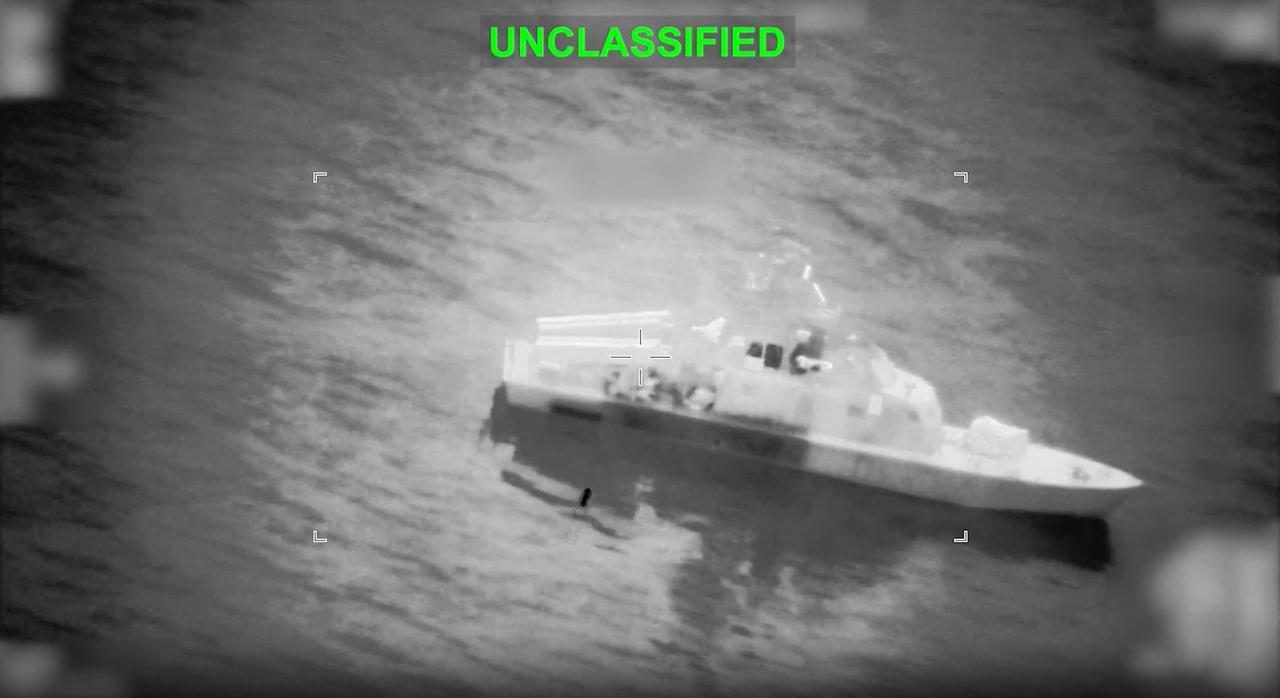
Cooper said U.S. forces are "zeroed in on dismantling" Iran's threat to commerce in the Strait of Hormuz. "Through a combination of air, land, and maritime capabilities, we have successfully destroyed over 100 Iranian naval vessels, and we aren't done. We will continue to rapidly deplete Iran's ability to threaten freedom of navigation in and around the Strait of Hormuz," he said.
Iranian strikes on commercial vessels have effectively stopped shipping traffic through the waterway, through which a fifth of the world's oil is normally transported, driving up oil prices and putting pressure on Washington to ease the impact on consumers.
CENTCOM also said the USS Abraham Lincoln aircraft carrier is "sailing close to Iran" to help carry out back-to-back strikes, conducting flight operations "day and night." The carrier left San Diego in November for the Indo-Pacific region and moved to the Middle East in January.
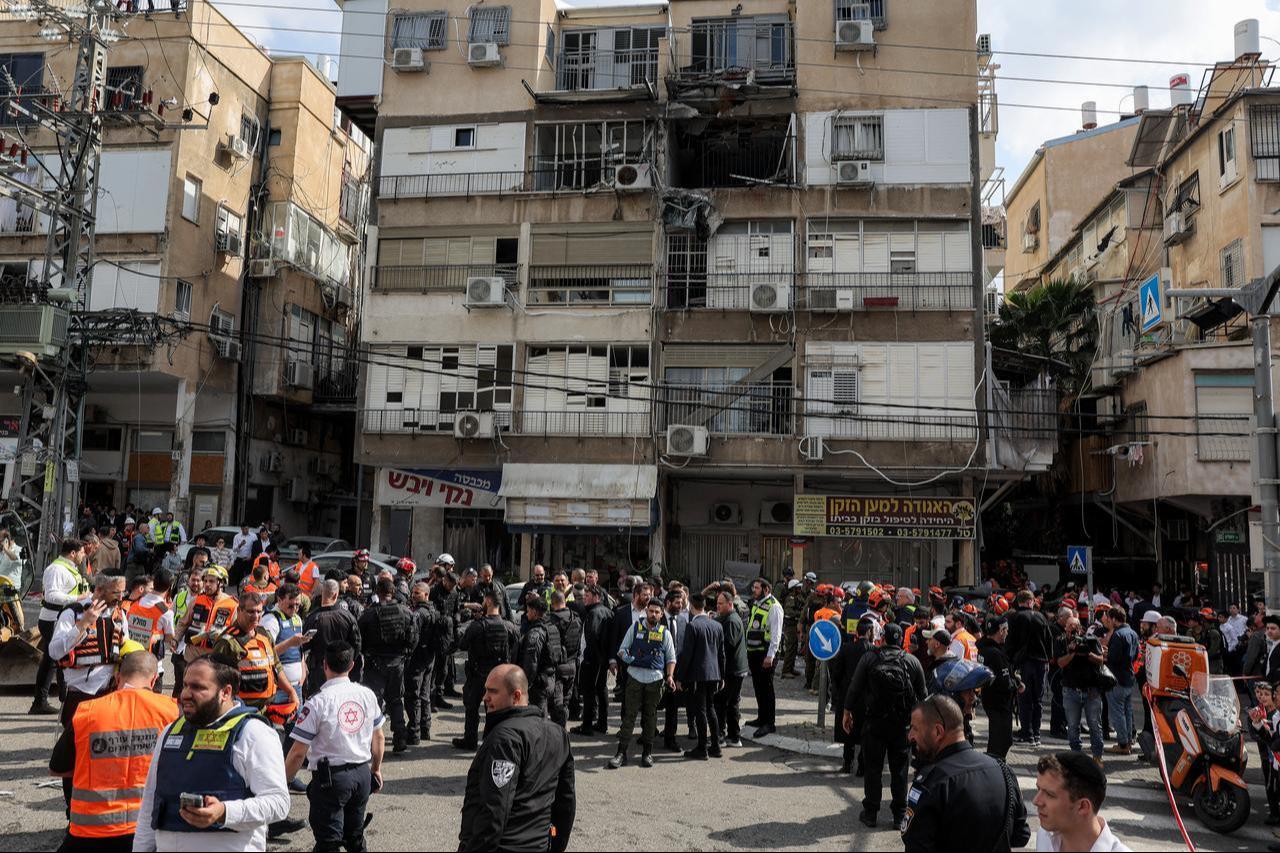
Cooper said Iran has launched attacks on Oman, Saudi Arabia, Israel, Jordan, Greek Cyprus, Türkiye, Azerbaijan, the UAE, Qatar, Iraq, Kuwait and Bahrain over the past two weeks, doing so more than 300 times.
"In each of these countries, they are deliberately attacking innocent civilians," he said, adding that, "This demonstrates their true nature as a global leader of terror."
He specifically cited a recent Iranian attack on civilian neighborhoods in Tel Aviv using cluster bombs, describing them as "an inherently indiscriminate type of munition," and said the U.S. joins countries across the region in condemning the aggression.
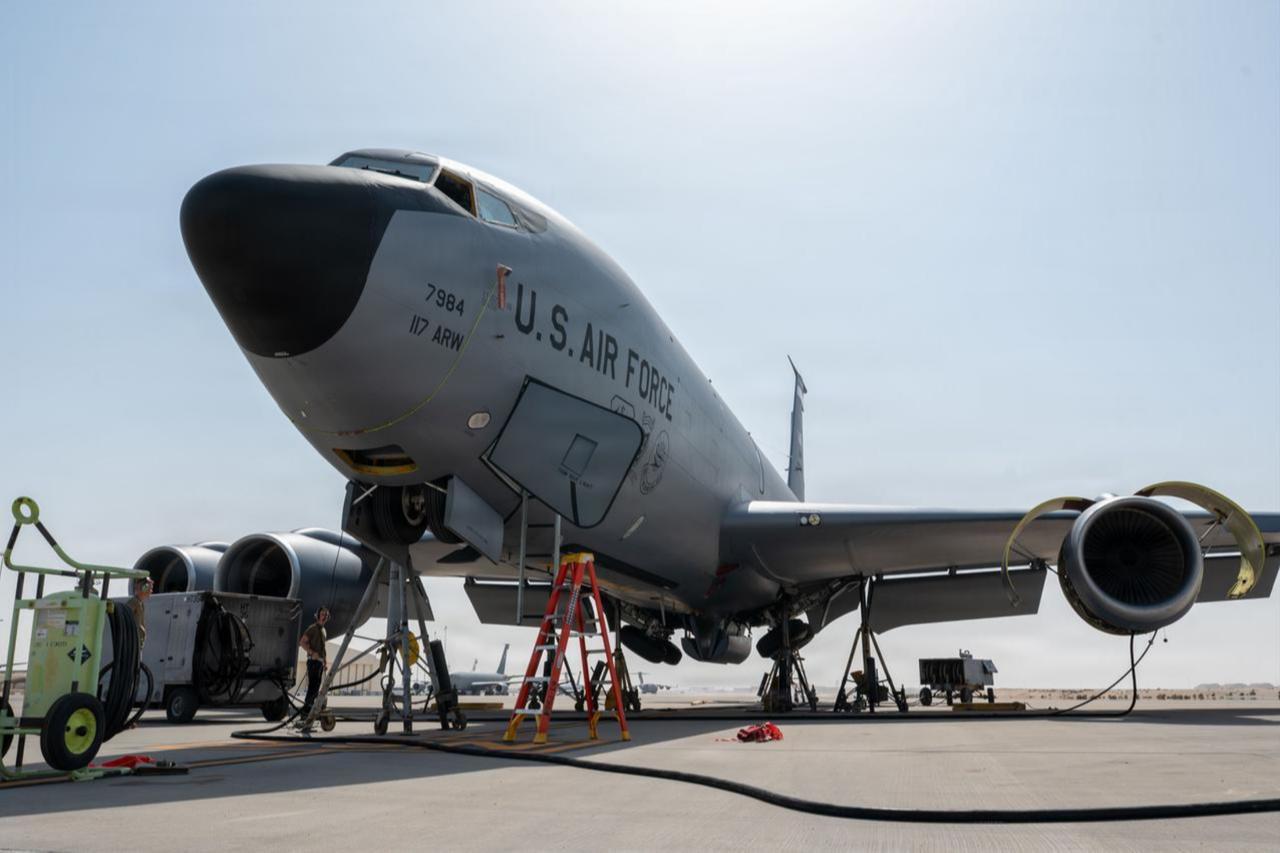
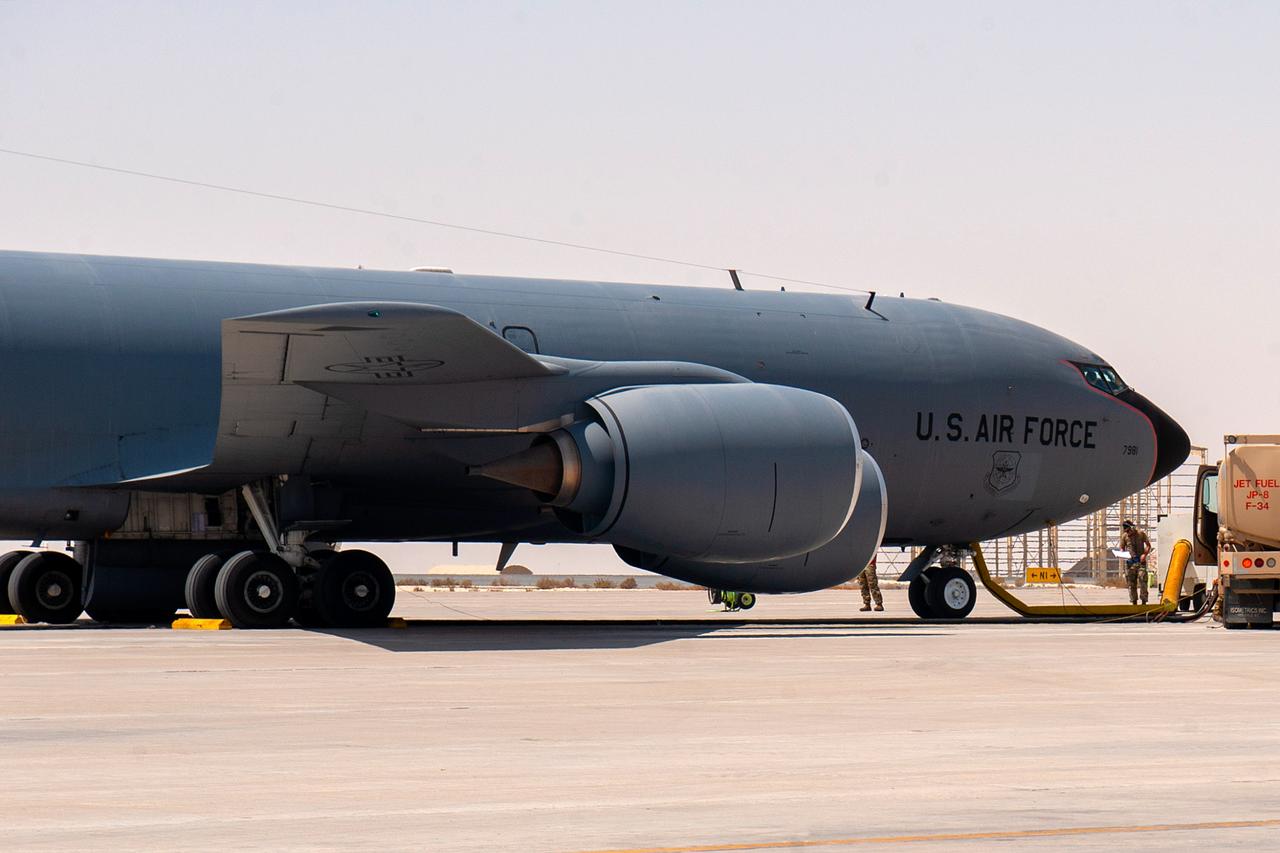
Cooper opened his remarks by honoring the crew members killed in the KC-135 refueling aircraft incident last week.
"Their selfless service and dedication hardens our resolve," he said.
He also paid tribute to the approximately 50,000 Americans deployed across the region, singling out logisticians and sustainers for their role in maintaining operations.
"There's no other military on earth that does logistics like the U.S. military, and our team is at the top of their game today," Cooper concluded.


 Set as preferred source
 Set as preferred source


 1 min read

 1 min read