Newsletters


The U.S. is reportedly preparing to deploy about 2,500 Marines to the Middle East and is considering additional naval deployments as tensions escalate around the Strait of Hormuz, where Iranian attacks have disrupted maritime traffic.
The Pentagon is increasing its military presence in the region after Iran stepped up attacks affecting shipping through the strategic waterway, and U.S. Defense Secretary Pete Hegseth approved a plan proposed by U.S. Central Command, officials familiar with the matter told The Wall Street Journal.
The officials also said the Pentagon is reviewing the option of sending additional warships capable of escorting oil tankers through the Strait of Hormuz.
However, even if more naval assets are deployed, U.S. forces would not begin escorting commercial vessels immediately, the report noted. Officials said escort operations would likely wait until the threat from Iran decreases, a process that could take a month or longer while U.S. military strikes continue targeting Iranian missile and drone systems.
Officials also said the Japan-based USS Tripoli and its attached Marine contingent are already heading toward the Middle East. U.S. Marines are currently operating in the region in support of ongoing operations related to Iran.
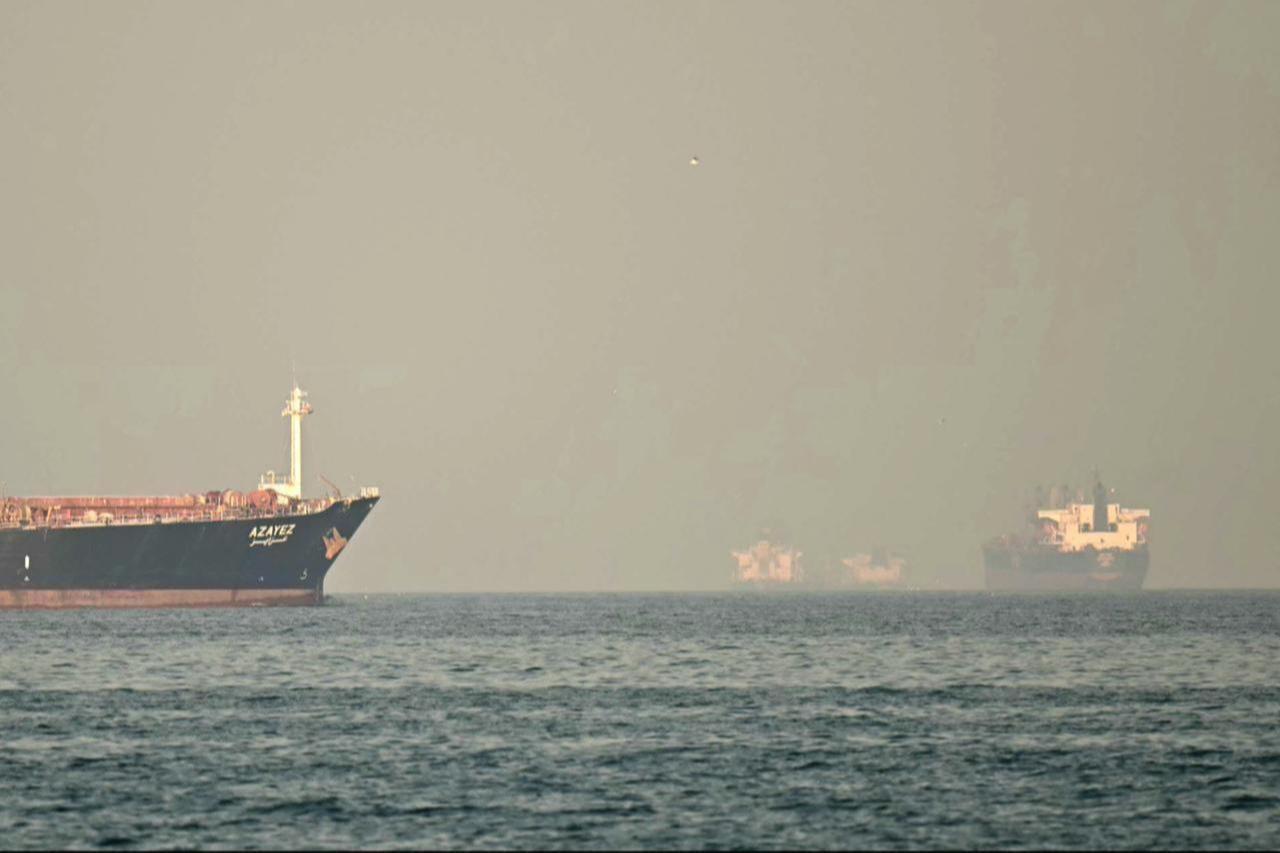
Iran’s actions in the Strait have slowed maritime traffic and blocked large numbers of commercial vessels. More than 1,000 cargo ships have been unable to pass through the corridor after Iran effectively closed the waterway.
Speaking at a Pentagon briefing, Hegseth said there is no clear evidence that Iran has placed naval mines in the strait, addressing reports suggesting the country had deployed about a dozen mines in the area. "We have been dealing with it, and don’t need to worry about it," Hegseth said, referring to the disruption affecting the shipping lane.

Separate media reports suggested U.S. officials underestimated Iran’s willingness to close the Strait of Hormuz after U.S. and Israeli strikes.
According to CNN, citing American officials, planners did not fully incorporate a scenario in which Iran would block the waterway following military action. Senior officials acknowledged during briefings to members of Congress that the closure had not been fully anticipated.
Hegseth said the possibility had been recognized but its exact form was uncertain. "I can’t say that we anticipated necessarily that’s exactly how they would react (by closing Hormuz), but we knew it was a possibility," he said at the briefing.
The White House rejected claims that the administration failed to plan for such a scenario. White House spokesperson Karoline Leavitt said reports suggesting officials were unprepared were inaccurate.
"The Pentagon has been planning for Iran’s desperate and reckless closure of the Strait of Hormuz for decades," Leavitt said in a statement.
Around 20% of the world’s oil supply typically passes through the Strait of Hormuz, making disruptions there significant for global energy shipments.
Iran’s actions in the strait have slowed maritime traffic and blocked large numbers of commercial vessels. More than 1,000 cargo ships have been unable to pass through the corridor after Iran effectively closed the waterway.
Brent crude prices have moved toward the $100 per barrel level as traders assess potential supply disruptions.


 Set as preferred source
 Set as preferred source


 1 min read
 1 min read