Newsletters


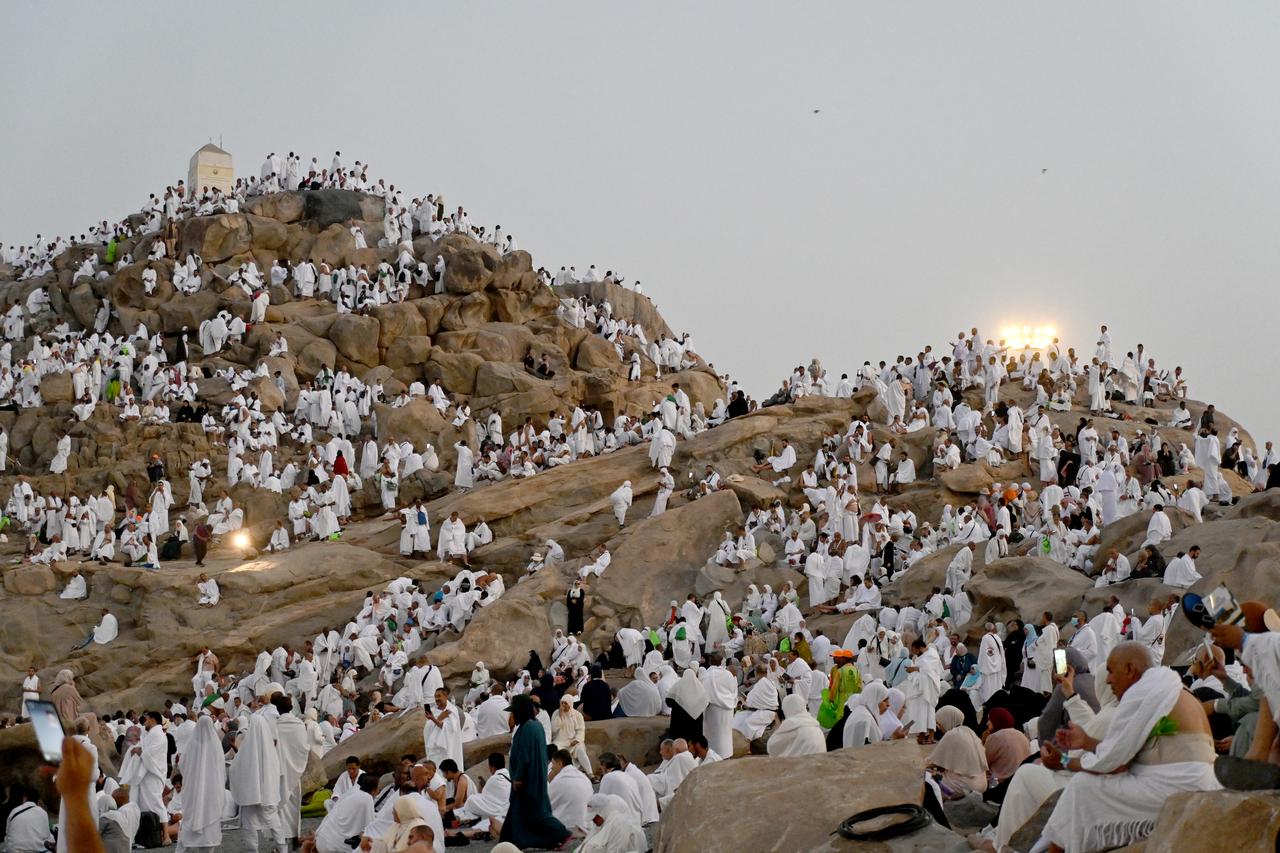


On Tuesday, vast crowds of Muslim pilgrims gathered for prayer on Mount Arafat, marking the peak of the hajj under intense desert heat as temperatures approached 40 degrees Celsius.
Starting at dawn, thousands of worshippers dressed in white robes congregated on the 70-meter rocky hill near Mecca, the site of the Prophet Mohammed's (pbuh) final sermon, to recite verses from the Quran.
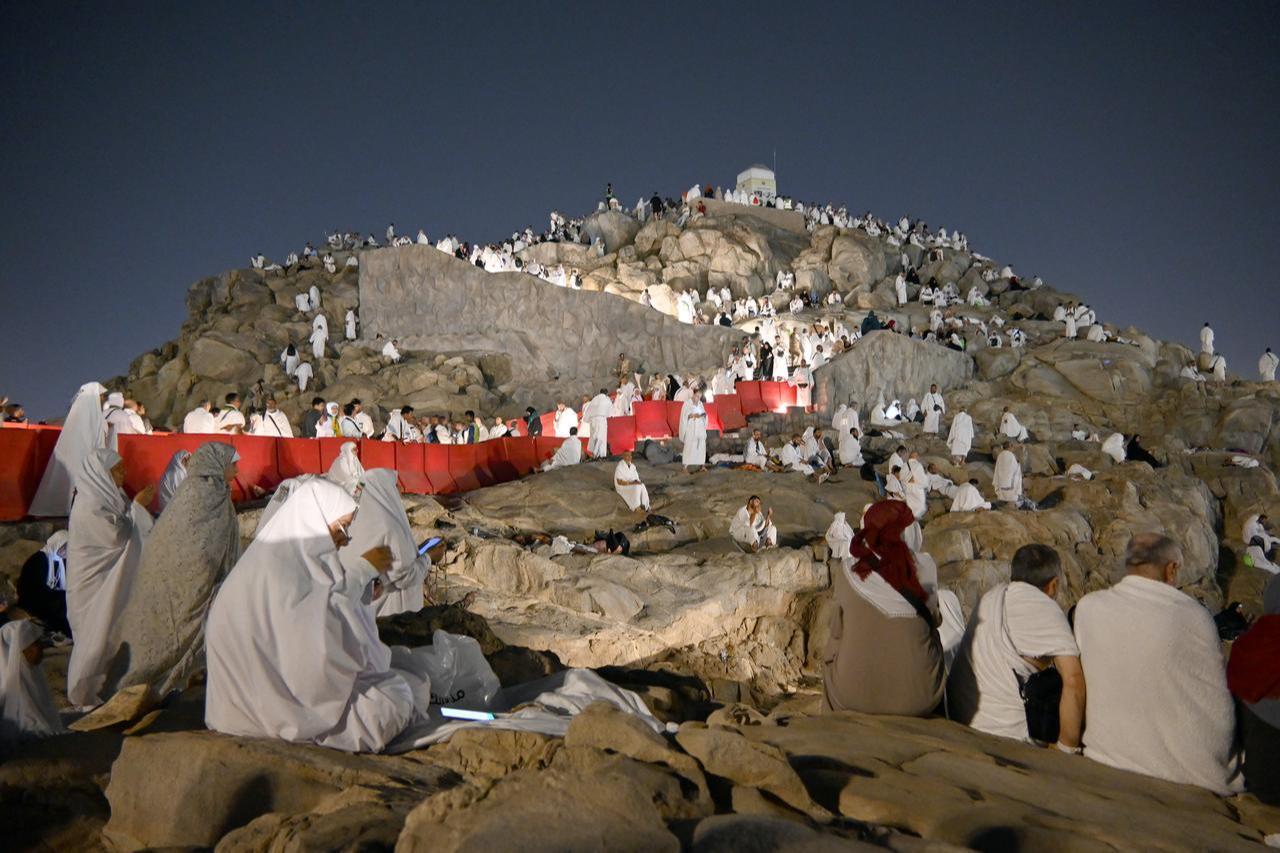

Over 1.5 million people have joined the Hajj this year despite regional tensions and the shadow of war hanging over the Middle East following the U.S. and Israeli strikes on Iran.
During the fighting, Tehran retaliated with waves of drone and ballistic missile strikes, hitting major infrastructure and energy installations across the Gulf, including in Saudi Arabia.
More than 30,000 Iranians have made the journey, about a third of the 86,000 initially expected. Iran's IRNA state news agency said the "wartime situation" explained the drop.
Despite the war, Saudi officials said over the weekend that more pilgrims had traveled from abroad this year than in 2025.
They have also said they expanded organizational and security measures for the 2026 Hajj season, including the use of surveillance technologies and crowd-monitoring systems to manage pilgrim movement and prevent unauthorized entry into the holy sites.
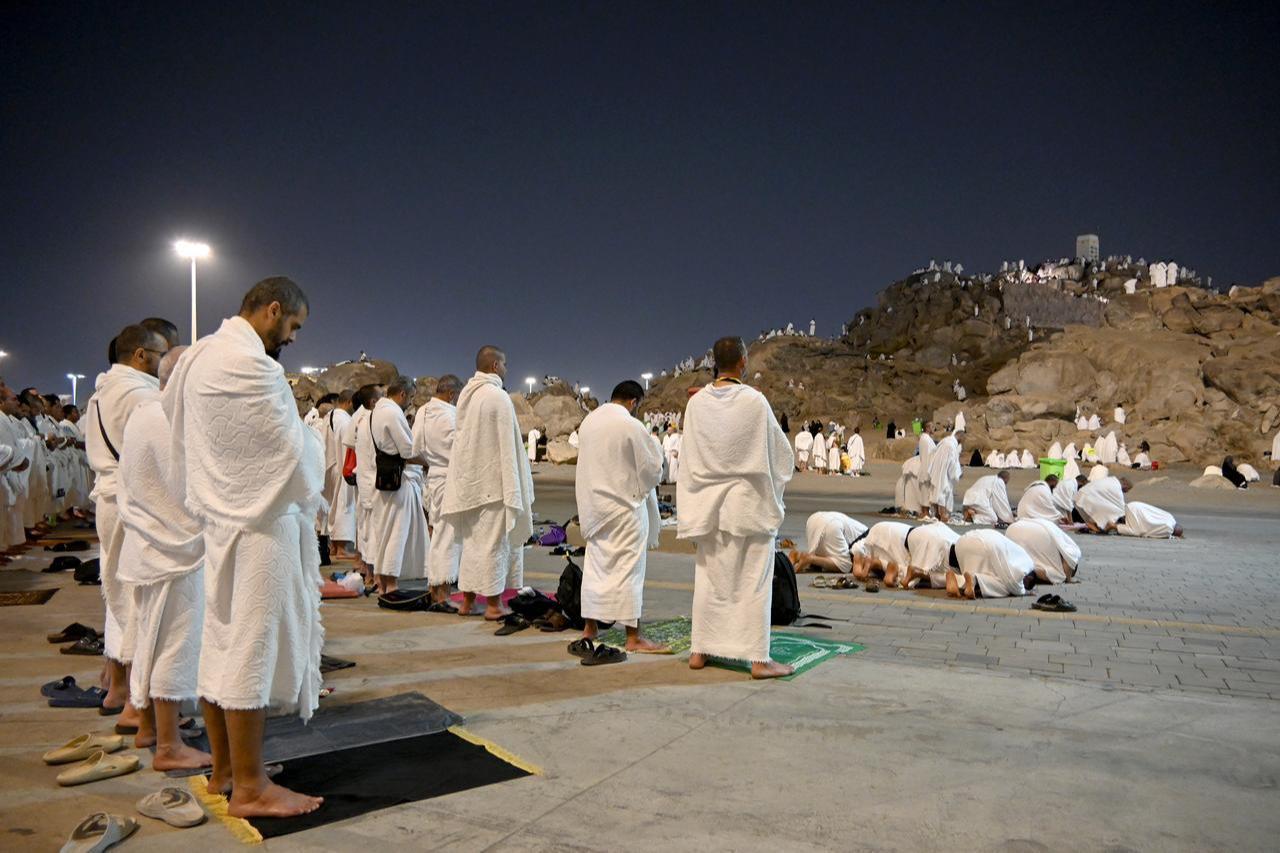
The hajj, one of the five pillars of Islam, must be performed at least once by all Muslims with the means to do so.
With temperatures hitting 44 degrees Celsius in Mecca in recent days, Saudi authorities have urged pilgrims to drink plenty of water and protect themselves from the sun during the mostly outdoor rituals, which can take five days or more to complete.
Since men are prohibited from wearing hats, many carry umbrellas to try to keep the blistering sun at bay.
After Mount Arafat, pilgrims will spend the night in Muzdalifah, where they will collect pebbles for the symbolic "stoning of the devil" ritual in Mina, starting on Wednesday.
The hajj is said to follow the path of the Prophet Mohammed's (pbuh) final pilgrimage, about 1,400 years ago.
It has long been an important source of legitimacy for the Al Saud dynasty, whose monarch has the title "Custodian of the Two Holy Mosques" in Mecca and Medina.


 Set as preferred source
 Set as preferred source


 2 min read