Newsletters


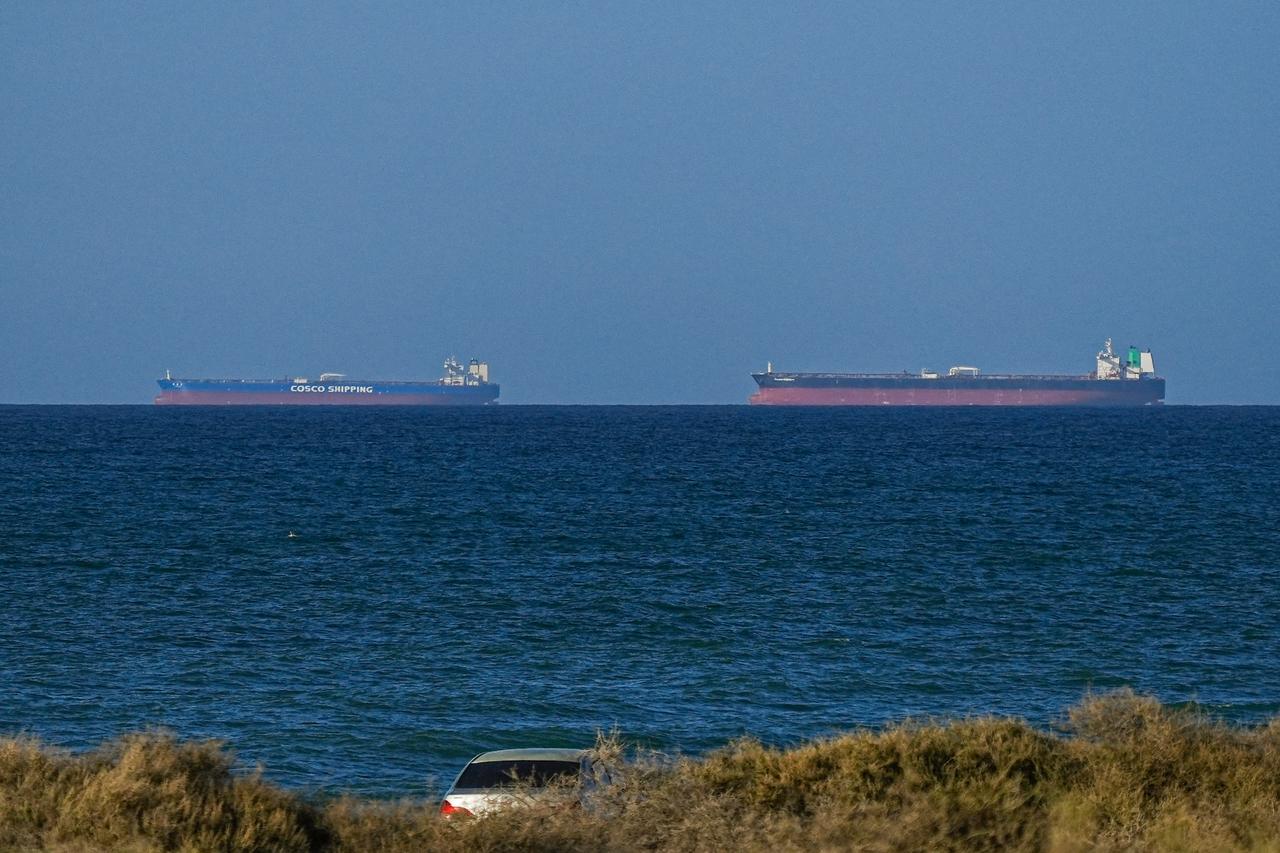


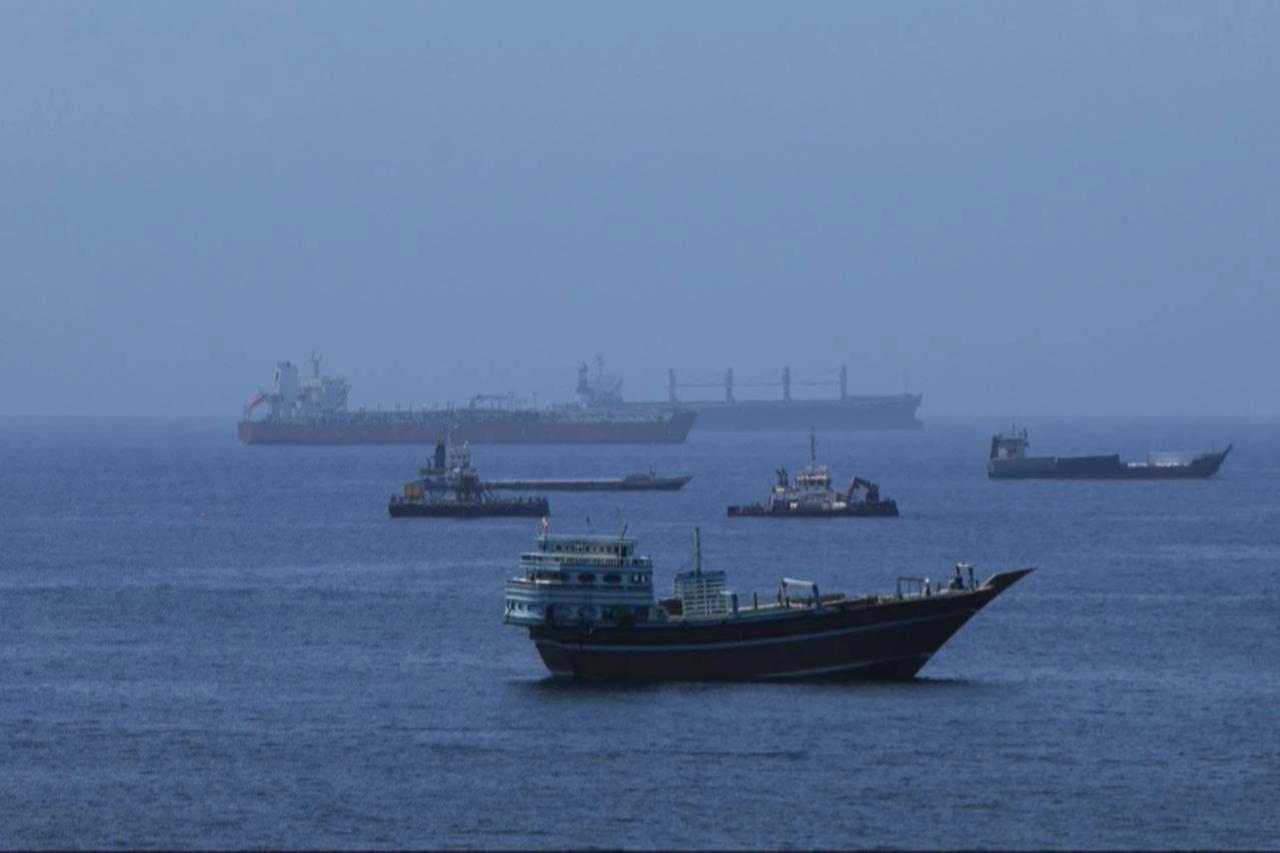
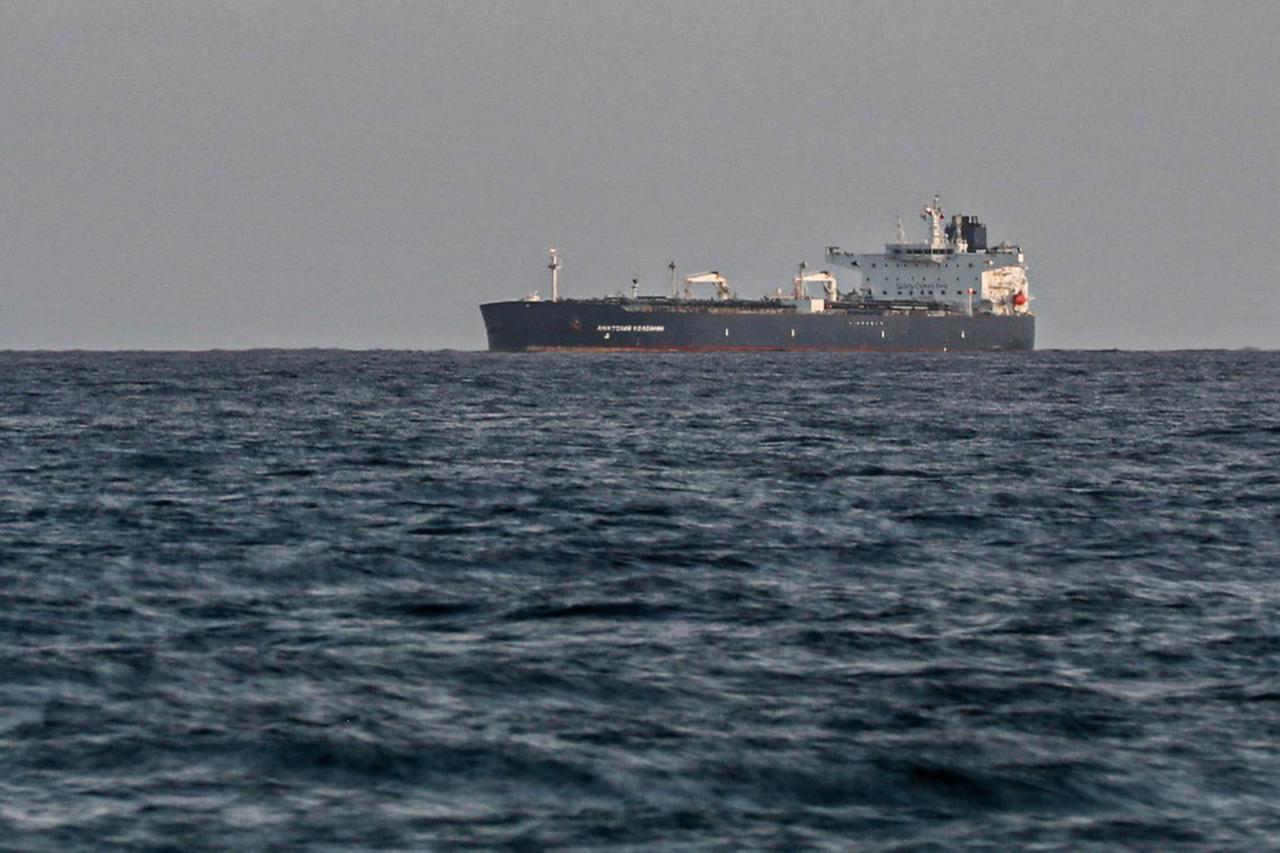
A Pakistan-flagged tanker has become the first crude carrier to exit the Strait of Hormuz with a cargo since a U.S. blockade began earlier this week, in a rare passage underscoring how restricted traffic remains through the vital chokepoint.
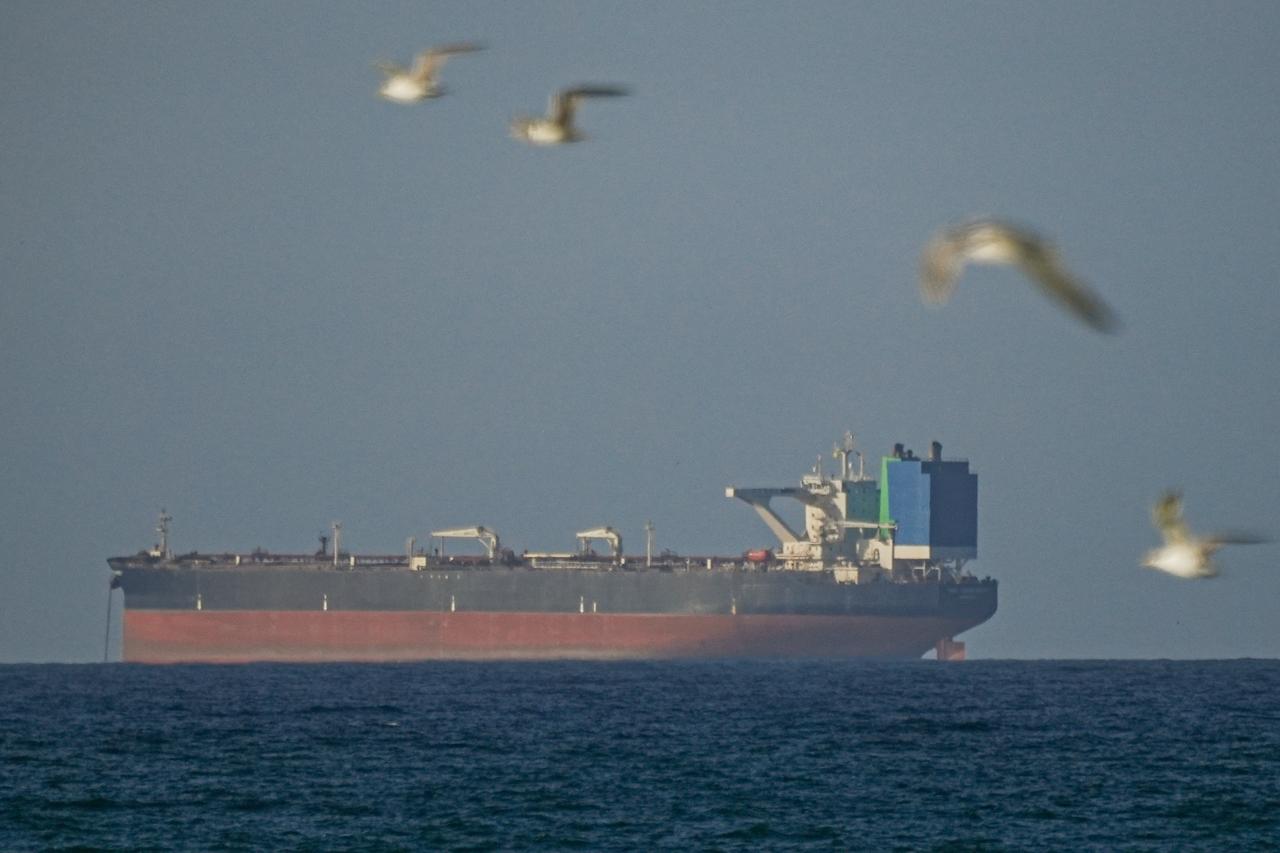
The tanker Shalamar sailed into the Gulf of Oman late Thursday after loading about 450,000 barrels of crude in the United Arab Emirates, according to ship-tracking data from MarineTraffic. The vessel is signaling Karachi as its destination.
Its transit marks the first known crude-laden tanker to leave the Gulf via Hormuz since the blockade took effect Monday, highlighting the risks facing shipowners operating in the region.
In a parallel sign of efforts to bypass Hormuz, South Korean President Lee Jae Myung said Friday that a South Korean tanker carrying crude from Saudi Arabia had exited the Red Sea, the country’s first such shipment since the blockade.
South Korea’s Fisheries Ministry earlier confirmed the vessel had safely departed the Red Sea as Seoul seeks to secure energy supplies through alternative routes.
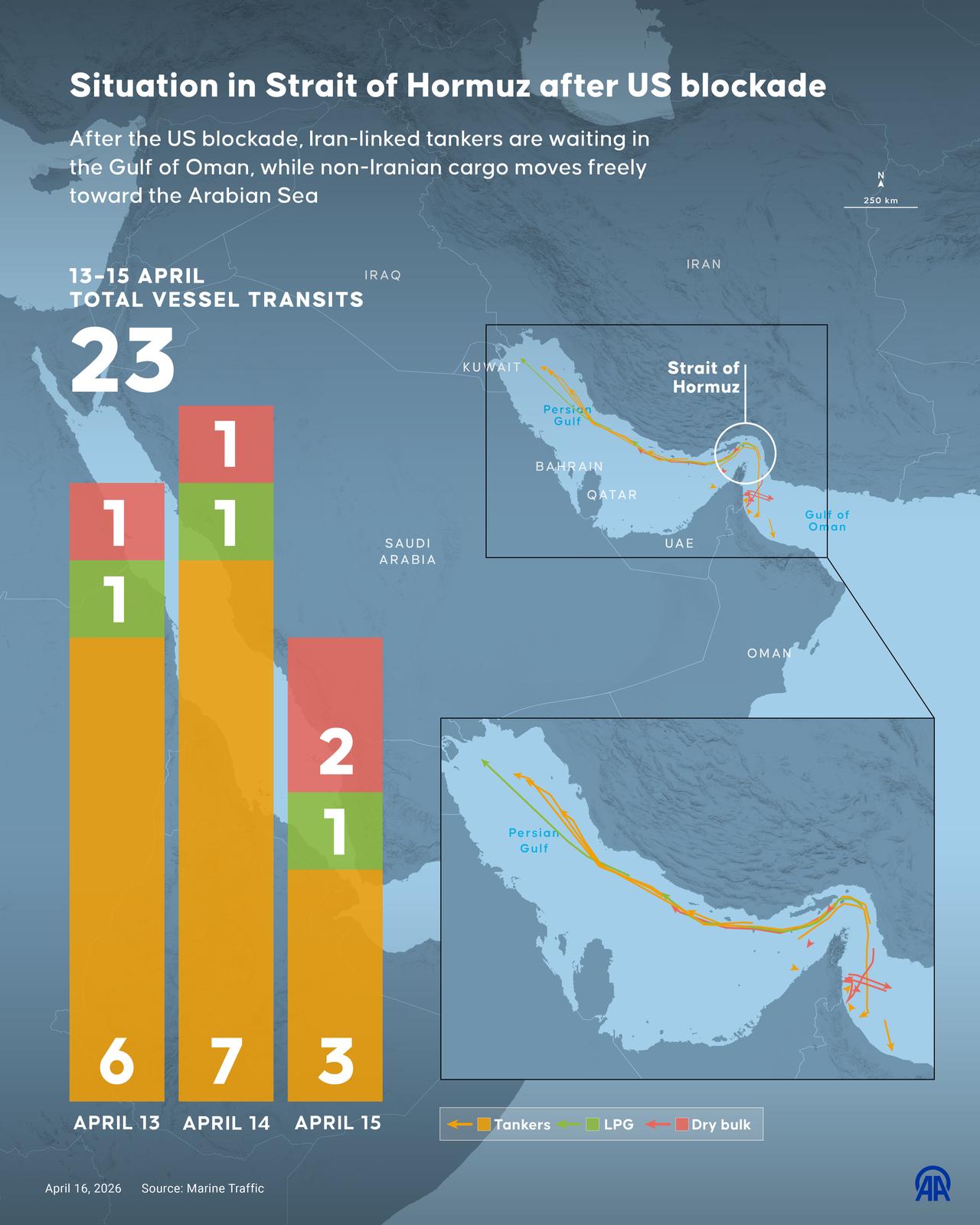

Shipping traffic through Hormuz has remained extremely limited since the U.S.-Israeli strikes on Iran began Feb. 28, with daily transits largely in single digits, aside from a brief uptick over the weekend.
Although three supertankers carrying non-Iranian crude exited last week, very few cargoes have crossed the strait over the past seven weeks, even before the blockade was imposed.
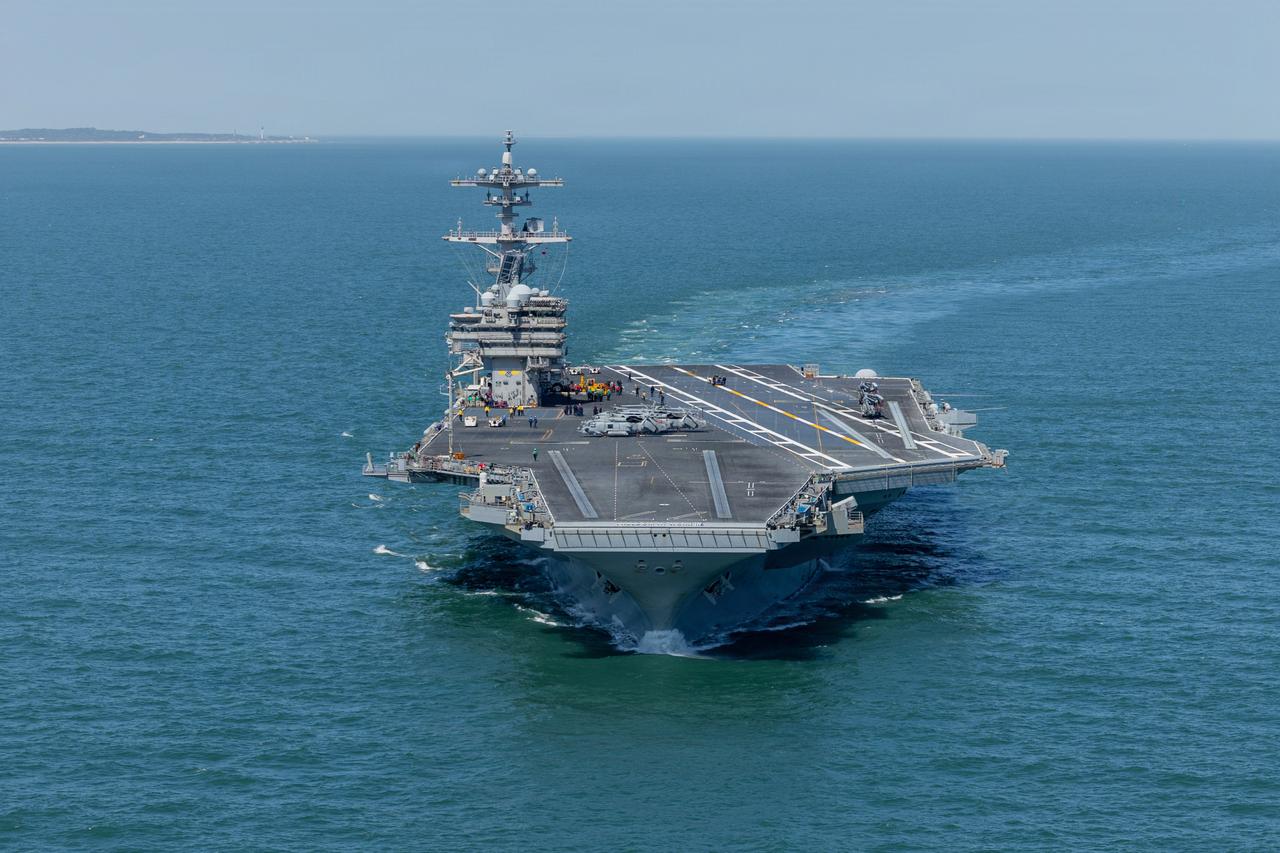
The latest U.S. naval restrictions require shipowners to obtain clearance from both Iranian and American authorities to move cargo through the Gulf, adding to uncertainty over global oil flows.
The Shalamar had initially attempted to enter the Gulf on Sunday but turned back after U.S.-Iran talks collapsed. It later completed the crossing, loaded crude at Das Island, and departed eastward on Thursday.
U.S. Central Command said Thursday that 14 vessels had turned around over the previous three days, indicating many shipowners remain unwilling to risk passage under current conditions.
The blockade zone is reported to stretch from Oman’s Ras al Hadd to the Iran-Pakistan border.


 Set as preferred source
 Set as preferred source


 1 min read
 1 min read