Newsletters




Pakistan’s top political and military leadership has spent the past 24 hours trying to prevent the collapse of U.S.-Iran talks and urging Washington to extend the ceasefire, officials said Wednesday, according to an Associated Press report.
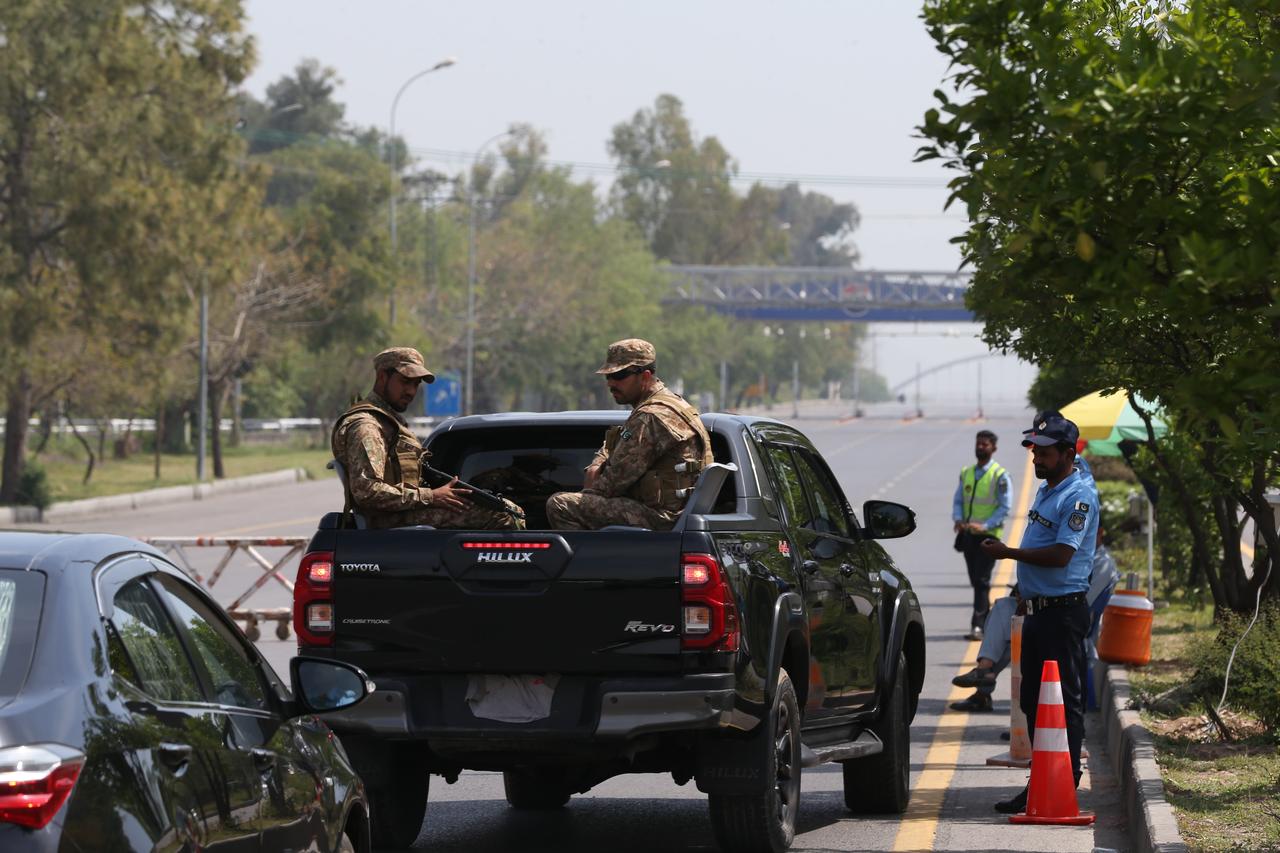
Citing two Pakistani officials, the report said authorities are maintaining heightened security arrangements in Islamabad in case U.S. and Iranian delegations arrive for a second round of negotiations.
Pakistan is still awaiting confirmation from Tehran on when it will send a delegation, the officials said, speaking on condition of anonymity because they were not authorized to speak to the media.
In the capital, police and troops remained on alert along key roads, with checkpoints in place and restricted access forcing residents to take longer routes.
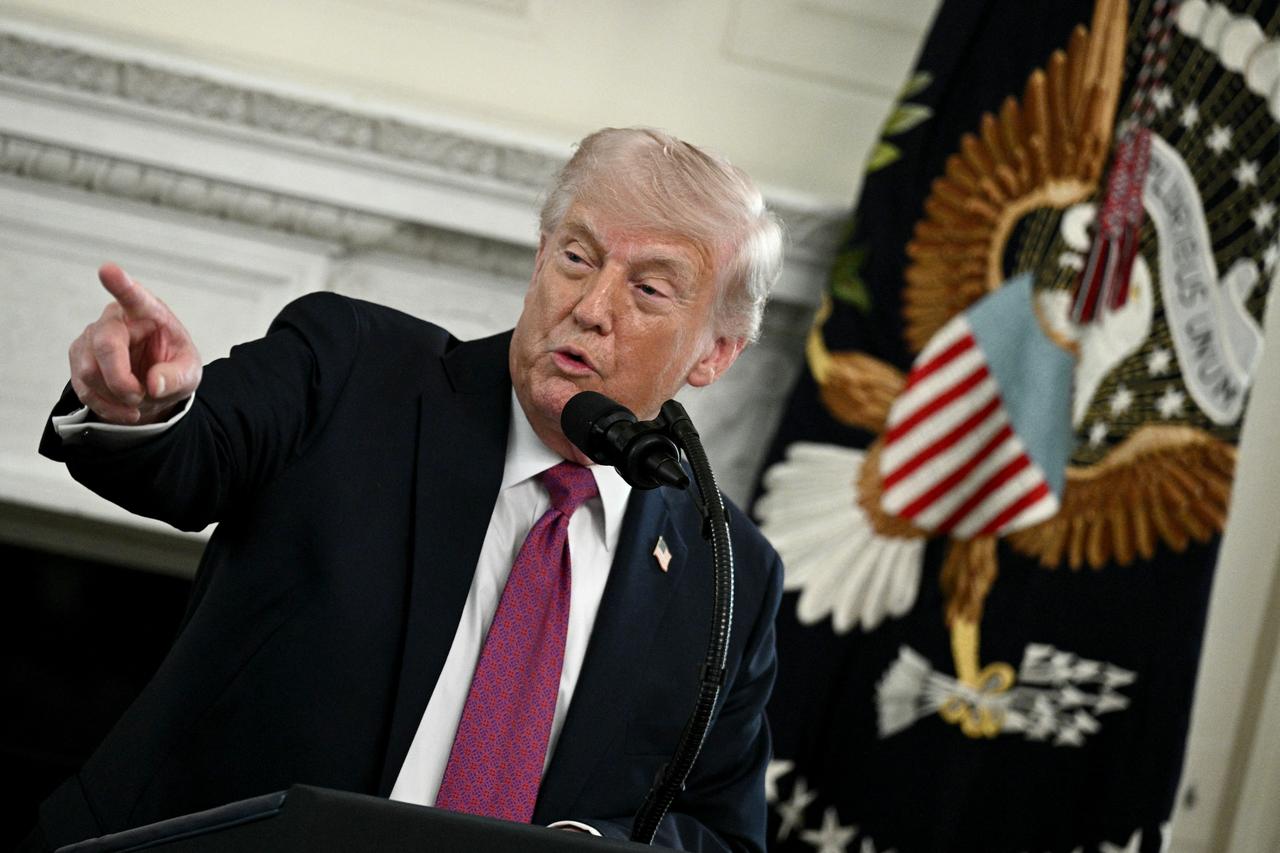
The developments come after United States President Donald Trump said Tuesday that Washington would extend the ceasefire with Iran to allow time for Tehran to prepare a “unified proposal.”
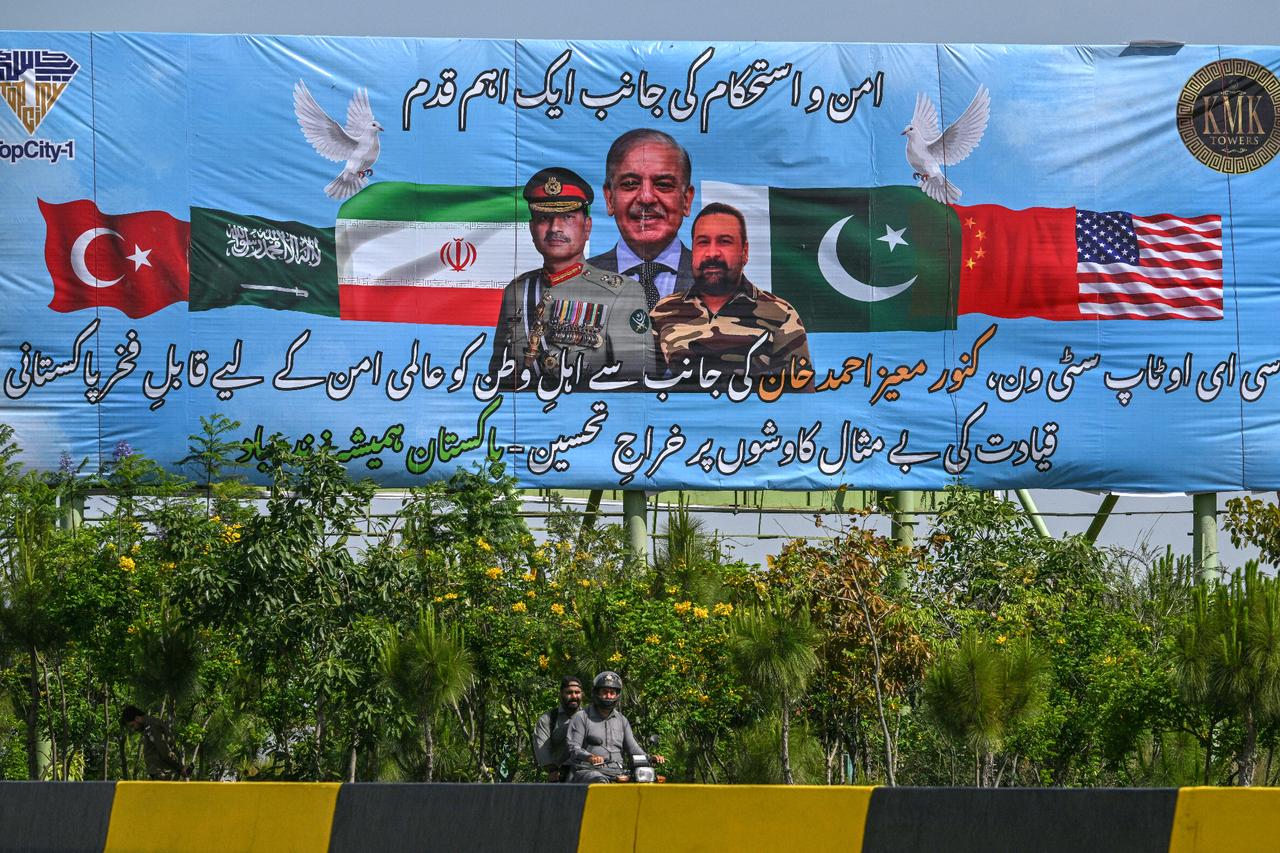
In a post on Truth Social, Trump said Pakistan’s army chief Asim Munir and Prime Minister Shehbaz Sharif had requested a delay in renewed military action.
The ceasefire, which halted the U.S.-Israeli war with Iran on April 8, had been due to expire Wednesday.
U.S. and Iranian officials are expected to meet in Islamabad this week, though uncertainty remains over Tehran’s participation.
Iran has demanded that Washington lift its blockade of the Strait of Hormuz as a precondition for attending the talks.
The conflict began Feb. 28 when the United States and Israel launched strikes on Iran, prompting retaliatory attacks by Tehran on U.S. assets across the Middle East.
Pakistan hosted the first high-level talks between Washington and Tehran since 1979 on April 11–12, but the negotiations ended without agreement.
Iran briefly reopened the Strait of Hormuz last week before reimposing restrictions after Trump said the U.S. blockade of Iranian ports would remain in place.


 Set as preferred source
 Set as preferred source


 1 min read

 1 min read