Newsletters




U.S. President Donald Trump has pushed back the deadline of a ceasefire with Iran, stretching the truce indefinitely while keeping a naval blockade in place and waiting for Tehran to submit a proposal.
The move came just as the original two-week ceasefire window was set to expire, creating uncertainty around whether fighting would resume. Instead, Trump opted to prolong the pause at the last minute, referring to mediation efforts led by Pakistan and the need to give Iran’s leadership more time to respond.
"I have... directed our Military to continue the Blockade and, in all other respects, remain ready and able, and will therefore extend the Ceasefire until such time as their (Iran's) proposal is submitted," Trump wrote on Truth Social.
Later, Trump said the blockade puts direct pressure on Tehran, arguing it plays a decisive role in any potential agreement. He pointed to the strategic importance of the Strait of Hormuz, which carries about a fifth of global oil and natural gas exports.
In his post, he accused Iran of trying to reopen the waterway for economic gain, claiming the blockade is costing the country $500 million per day.
"People approached me four days ago, saying, ‘Sir, Iran wants to open up the Strait, immediately.’ But if we do that, there can never be a Deal with Iran, unless we blow up the rest of their Country, their leaders included!" he wrote.
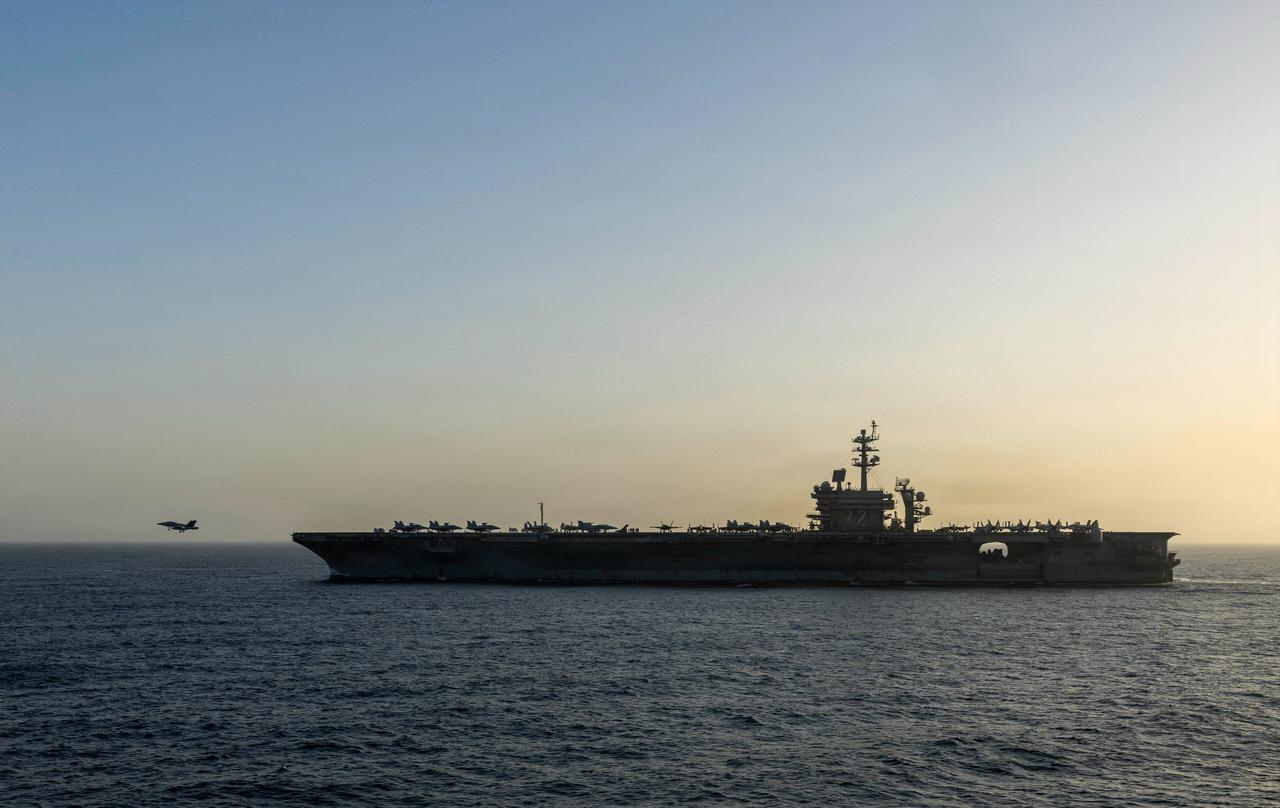

Tehran has yet to officially respond to the extension, but reports in Iranian media indicate no request was made to prolong the ceasefire.
According to local media, Iranian officials view the ongoing blockade as a continuation of U.S. hostility and have no intention of reopening the Strait of Hormuz while it remains in effect.
Mehdi Mohammadi, an adviser to Iran’s parliament speaker Mohammad Bagher Ghalibaf, dismissed Washington’s move, stating, "The losing side cannot set the terms."
He also argued the naval blockade amounts to sustained military pressure and should be met with a response, while framing the extension as an attempt to buy time for further action.
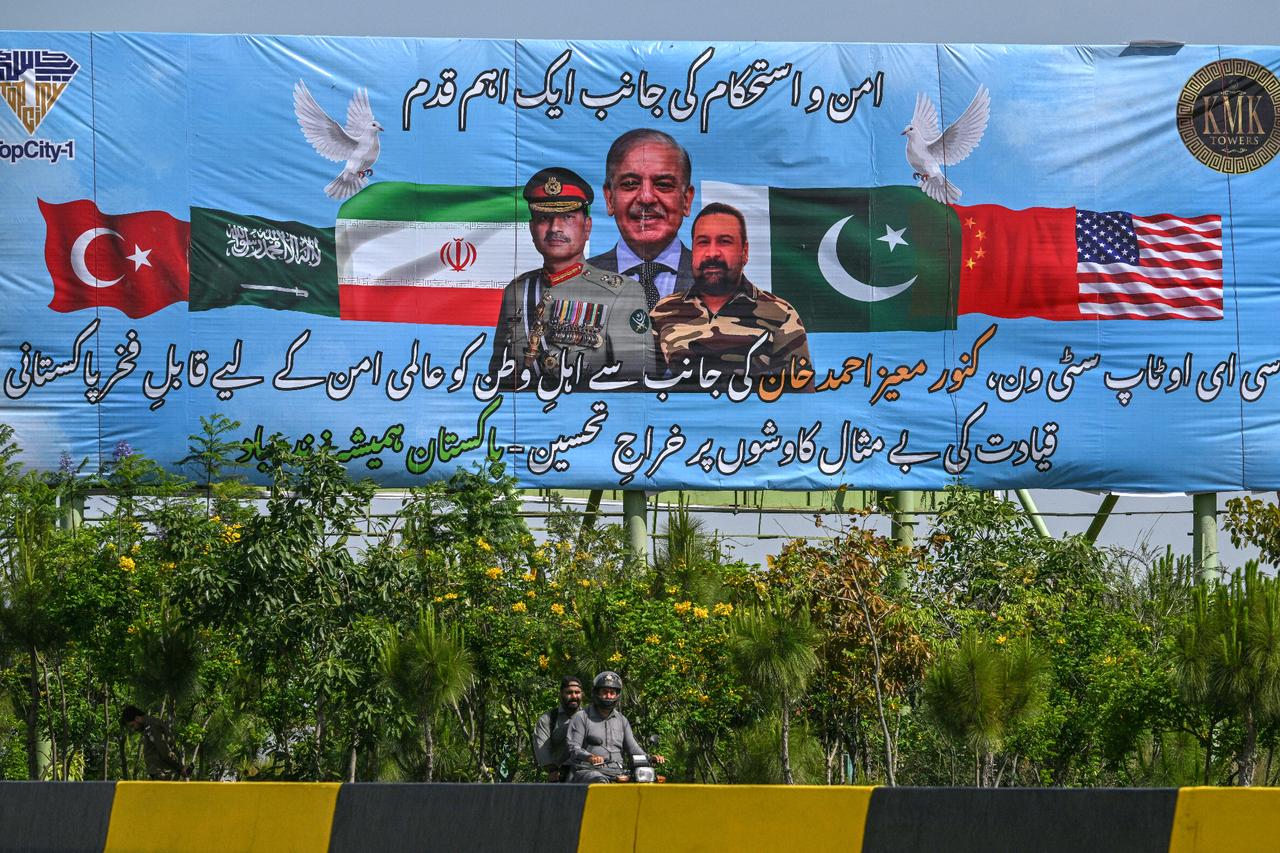
Meanwhile, negotiations remained in limbo as a planned visit by U.S. Vice President JD Vance to Pakistan was called off pending Iran’s proposal, a White House official confirmed.
In Islamabad, security forces locked down the government district ahead of expected talks that never materialized.
Pakistani Prime Minister Shehbaz Sharif welcomed the ceasefire extension, while U.N. Secretary-General Antonio Guterres also expressed support.


 Set as preferred source
 Set as preferred source


 2 min read
 1 min read