Newsletters


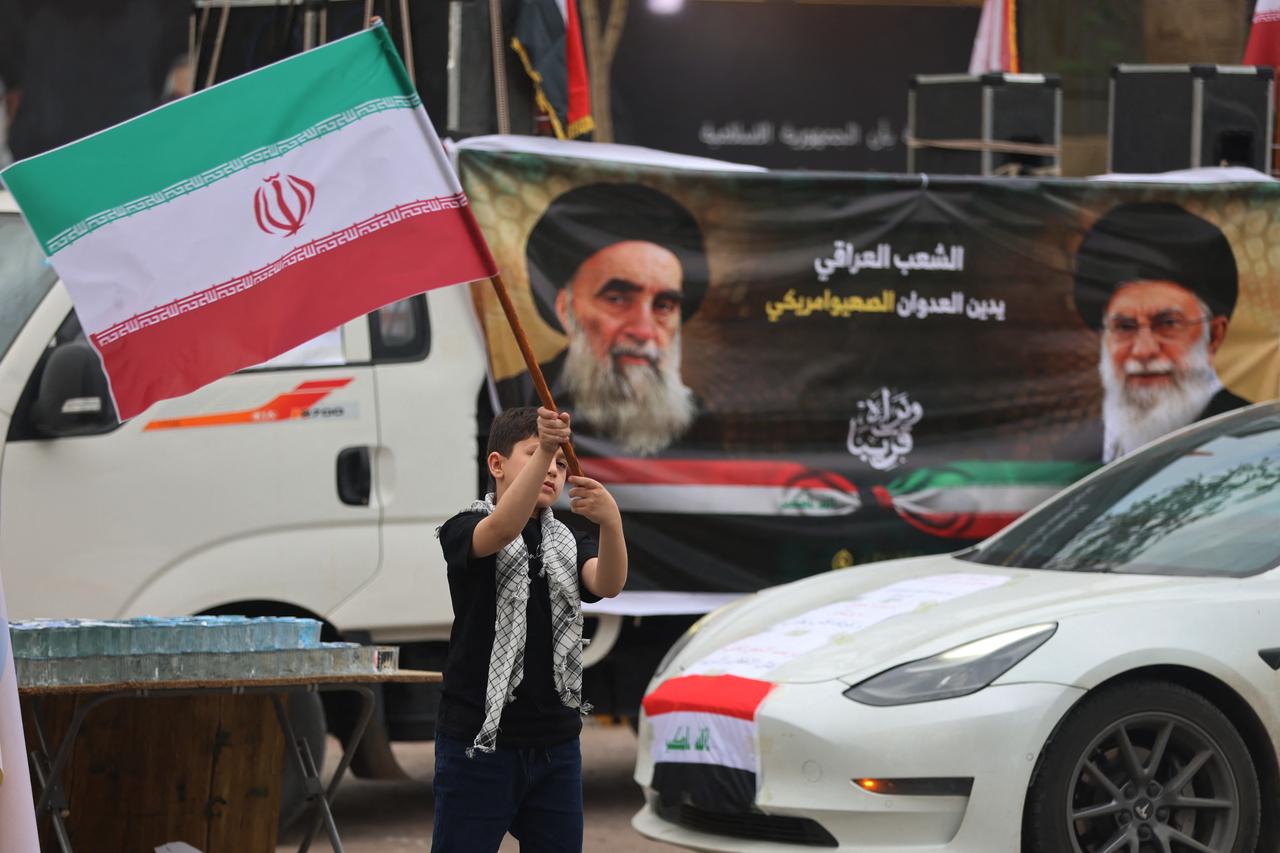


Pakistan has circulated a two-stage proposal to end hostilities between Iran and the United States, with an immediate ceasefire that would reopen the Strait of Hormuz and a broader settlement to follow within 15–20 days, according to the report.
The framework was exchanged overnight and was being handled through Pakistan, which is the only communication channel in the talks, sources told Reuters. The proposal would begin with a ceasefire taking effect at once, then move into a second phase aimed at a fuller agreement.
That follow-up would be shaped as a memorandum of understanding and finalized electronically through Pakistan, the source said. The plan has also been tentatively referred to as the "Islamabad Accord."
Pakistan’s army chief, Field Marshal Asim Munir, was in contact “all night long” with U.S. Vice President JD Vance, special envoy Steve Witkoff and Iranian Foreign Minister Abbas Araqchi, the official cited in the report said. Final in-person talks are expected in Islamabad if the outline moves ahead.
The final agreement is expected to include Iranian pledges not to pursue nuclear weapons in exchange for sanctions relief and the release of frozen assets, earlier reports indicated.
Tehran has not committed to the proposal despite intensified outreach, according to the report, noting that ceasefire plans backed by Pakistan, China and the United States have yet to draw a response.
A senior Iranian official pushed back on key elements of the proposal, saying Tehran would not reopen the Strait of Hormuz for a temporary ceasefire, the report added. The official also stressed that Iran would not accept deadlines or external pressure in its decision-making process, and argued that Washington lacks sufficient preparation for a lasting agreement.
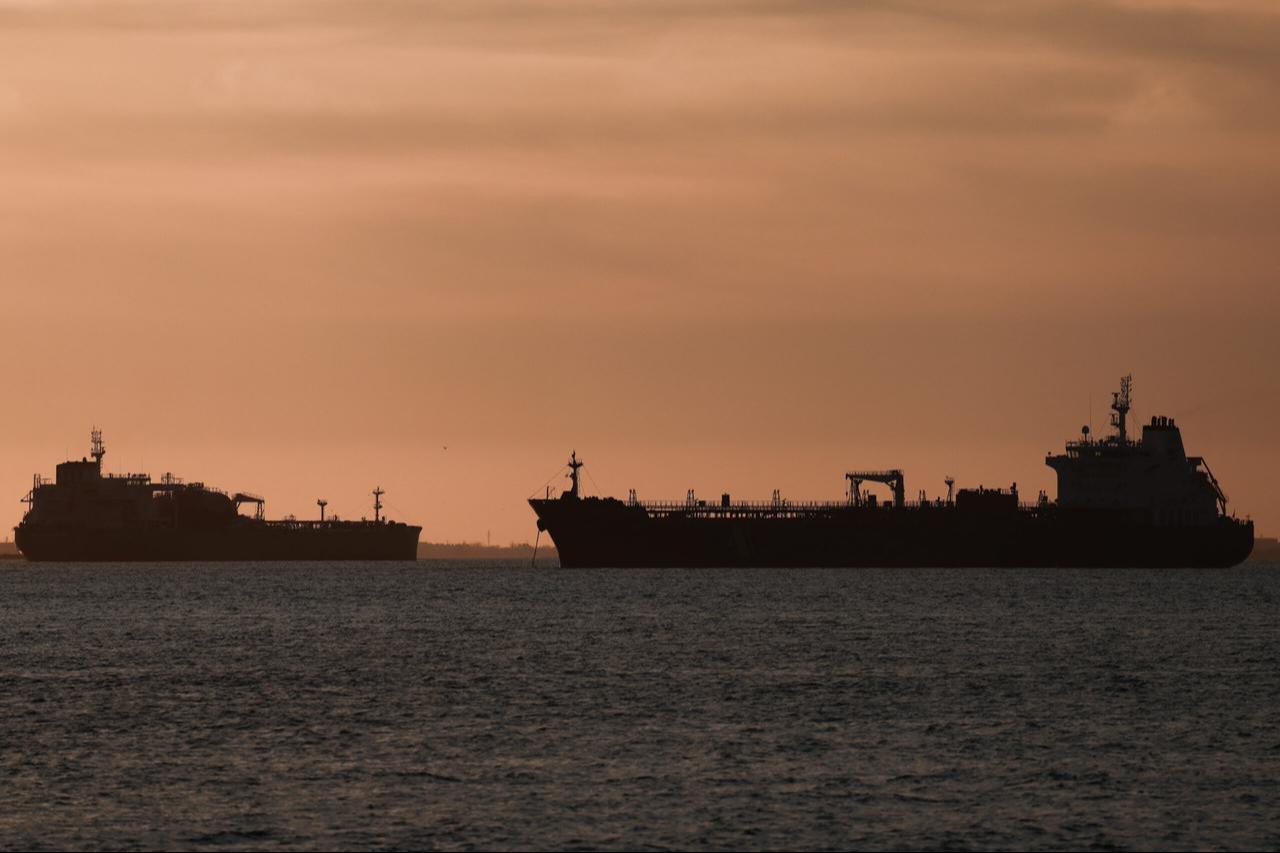

The war has entered a more volatile phase as U.S. President Donald Trump sharpens his warnings and ties the course of the conflict directly to the Strait of Hormuz. In recent remarks, he set a clear deadline for Tehran, demanding the waterway be reopened within days and signaling that failure to comply could trigger direct U.S. action.
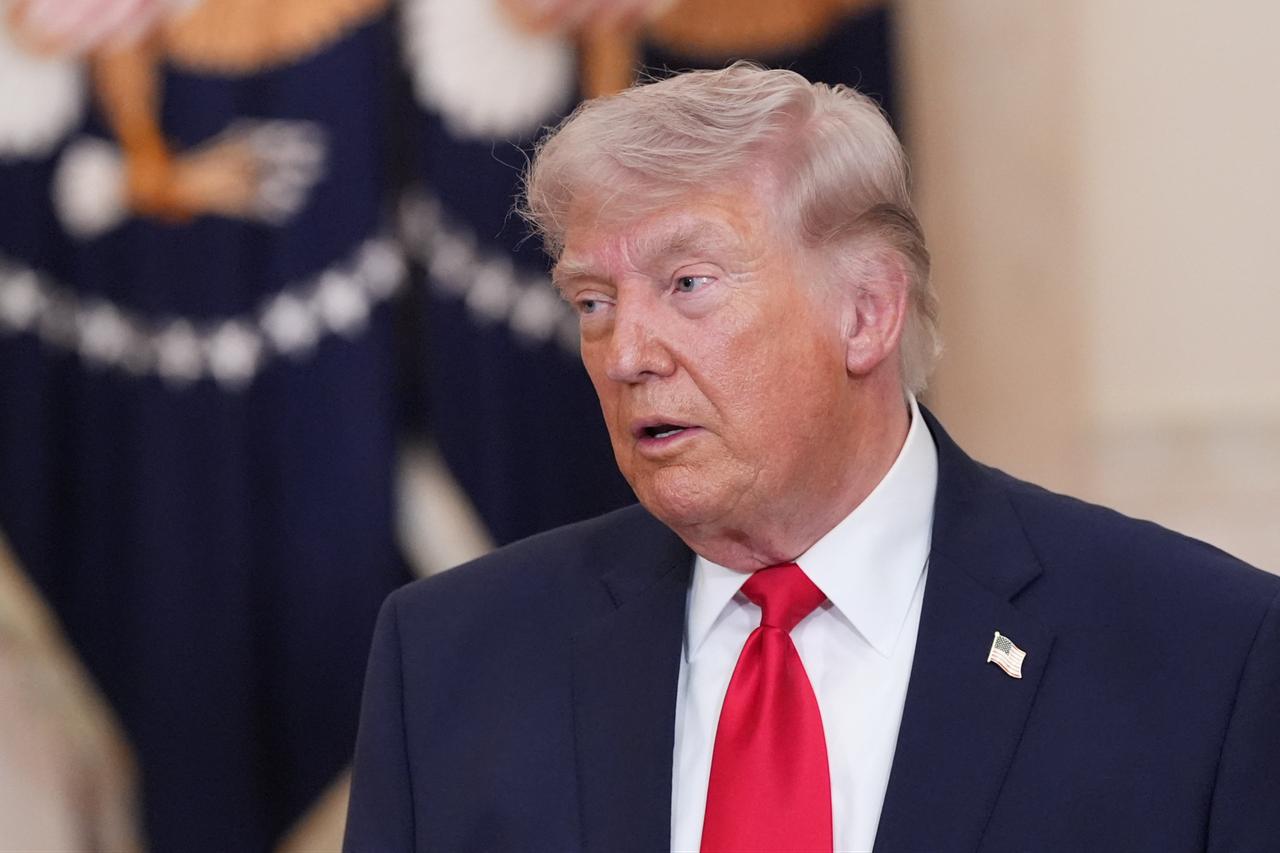
"If Iran does not reopen the Strait of Hormuz by Tuesday evening, they will lose it," Trump told U.S. media. In a separate warning, he added that the United States could move against key Iranian infrastructure, stating that "we will target their power plants and bridges" if the situation does not change.
Diplomatic efforts have struggled to gain traction, with Türkiye, Egypt and Pakistan said to be intensifying efforts to pull Iran back into talks with Washington. The three countries have held separate contacts with both sides, attempting to build a framework that could extend Trump’s deadline and steer the war toward negotiations.
The gap between the sides remains wide, even as mediators work to assemble confidence-building steps that could bring them closer to direct engagement, according to reports.


 Set as preferred source
 Set as preferred source


 1 min read
 1 min read