Newsletters


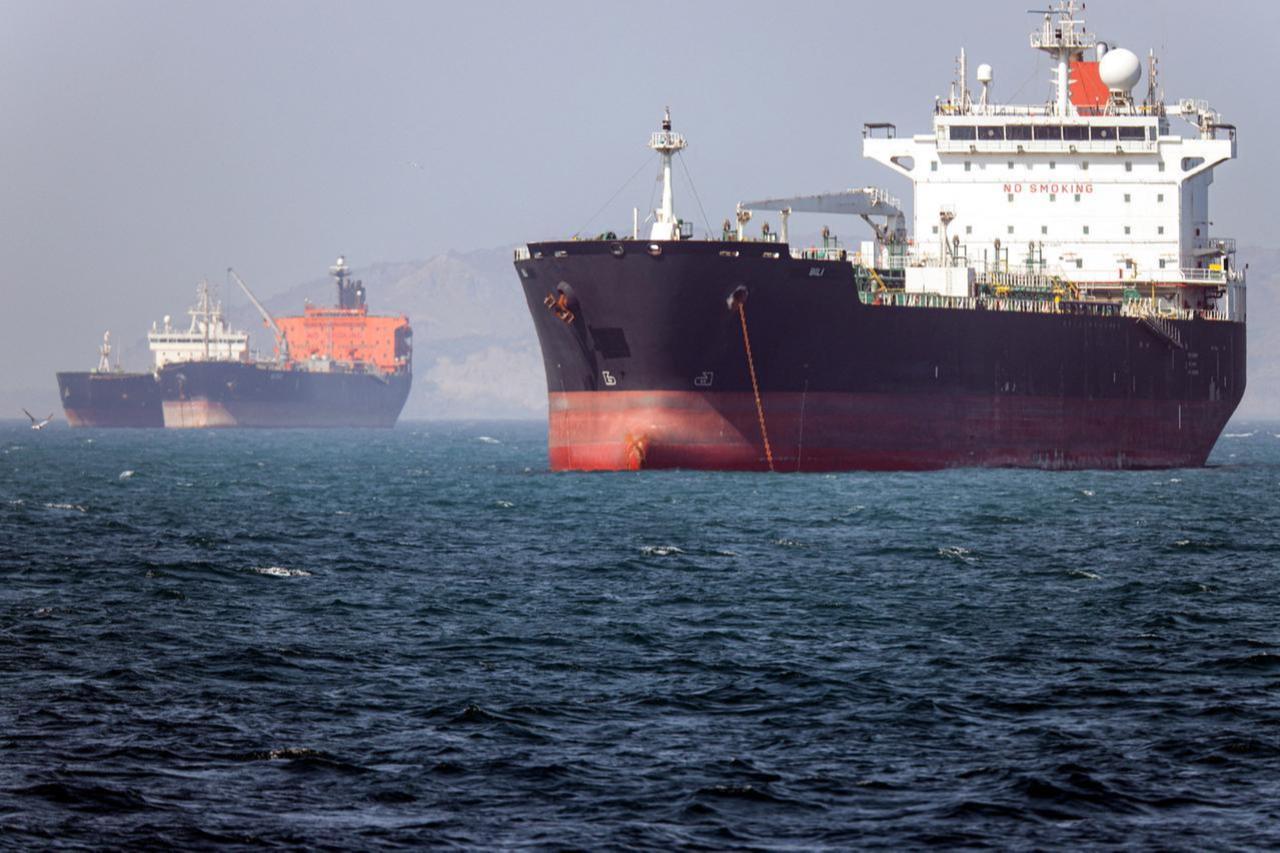


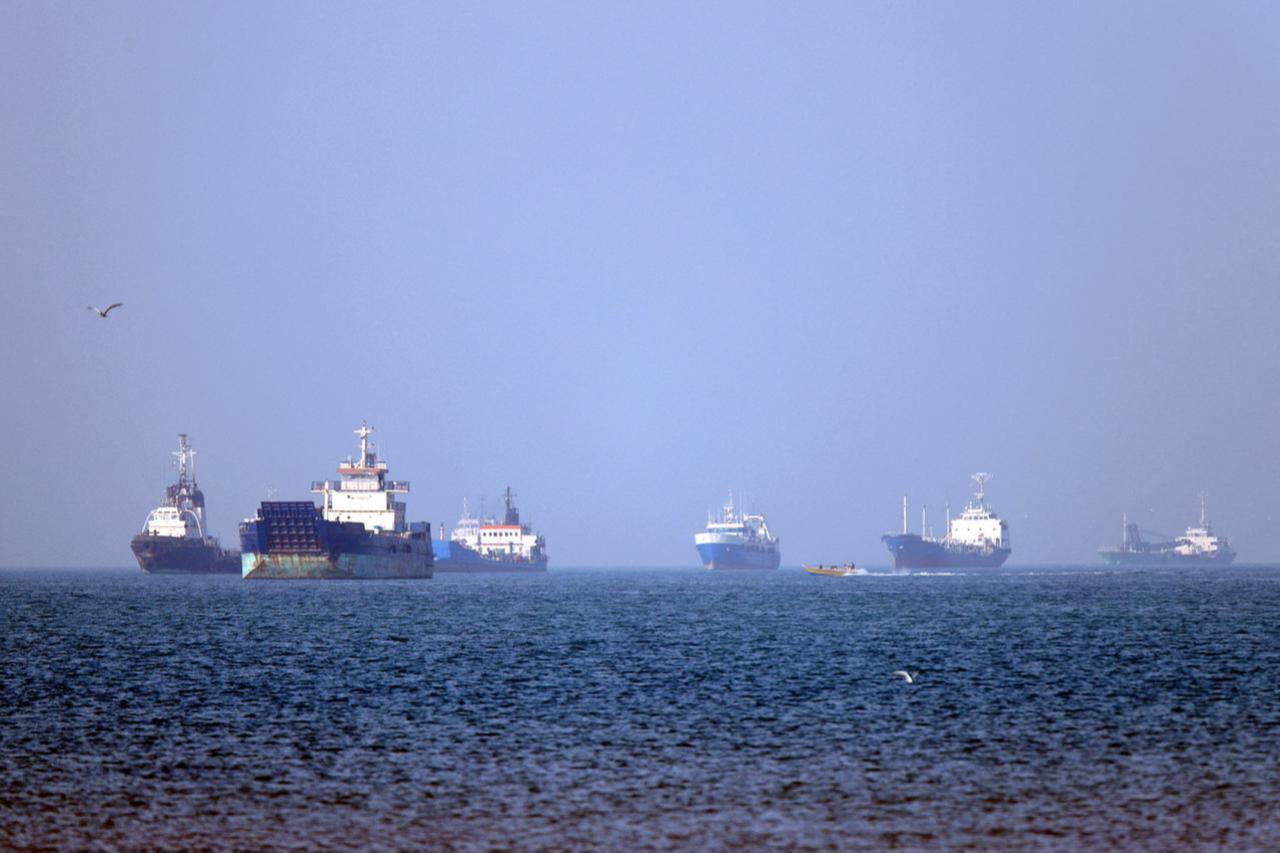
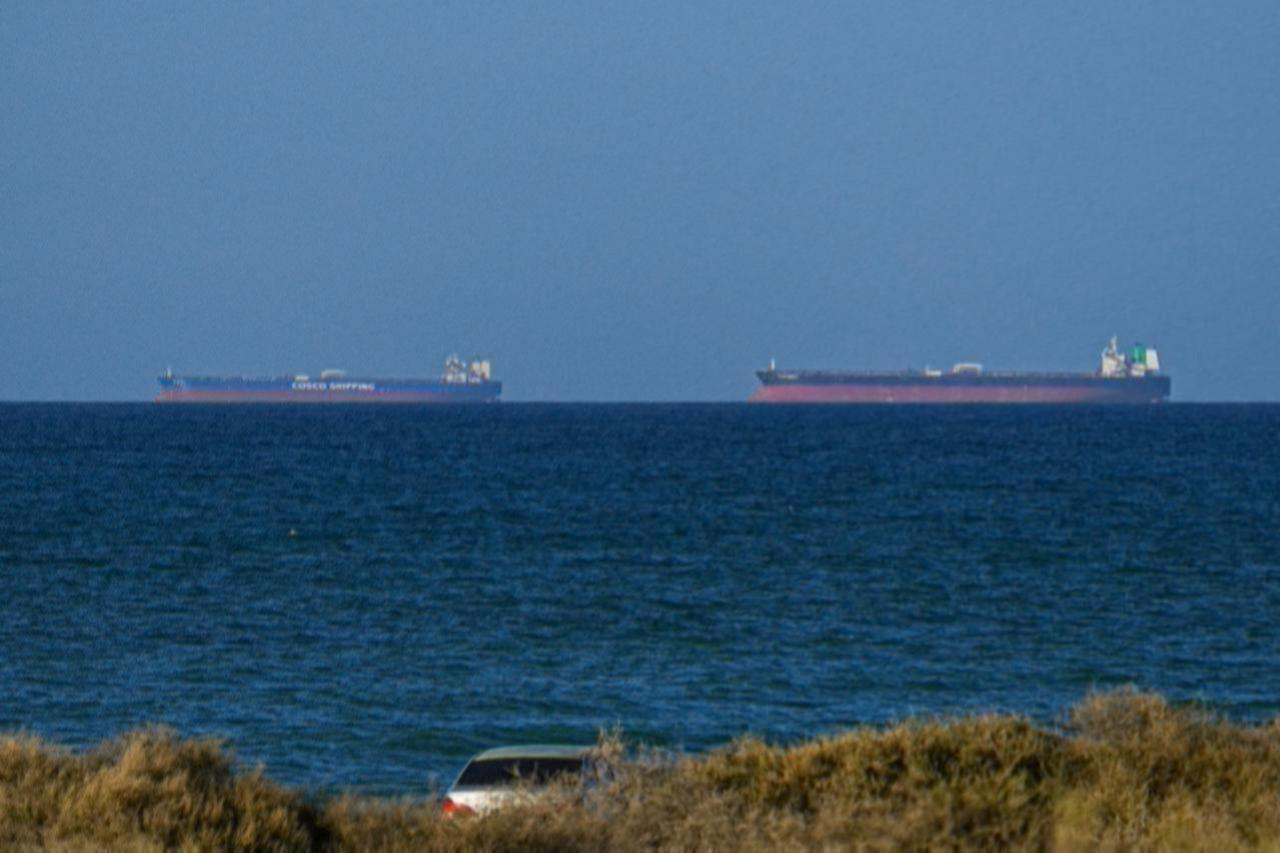
Iran has begun allowing a group of Chinese vessels to transit the Strait of Hormuz under a specially negotiated protocol, Iranian state media reported Thursday, in a significant, if limited, easing of the near-total blockade that has choked global energy flows since late February.
The move came as U.S. President Donald Trump sat down with Chinese President Xi Jinping in Beijing for talks that placed the Iran conflict and the fate of the waterway squarely at the center of the agenda.
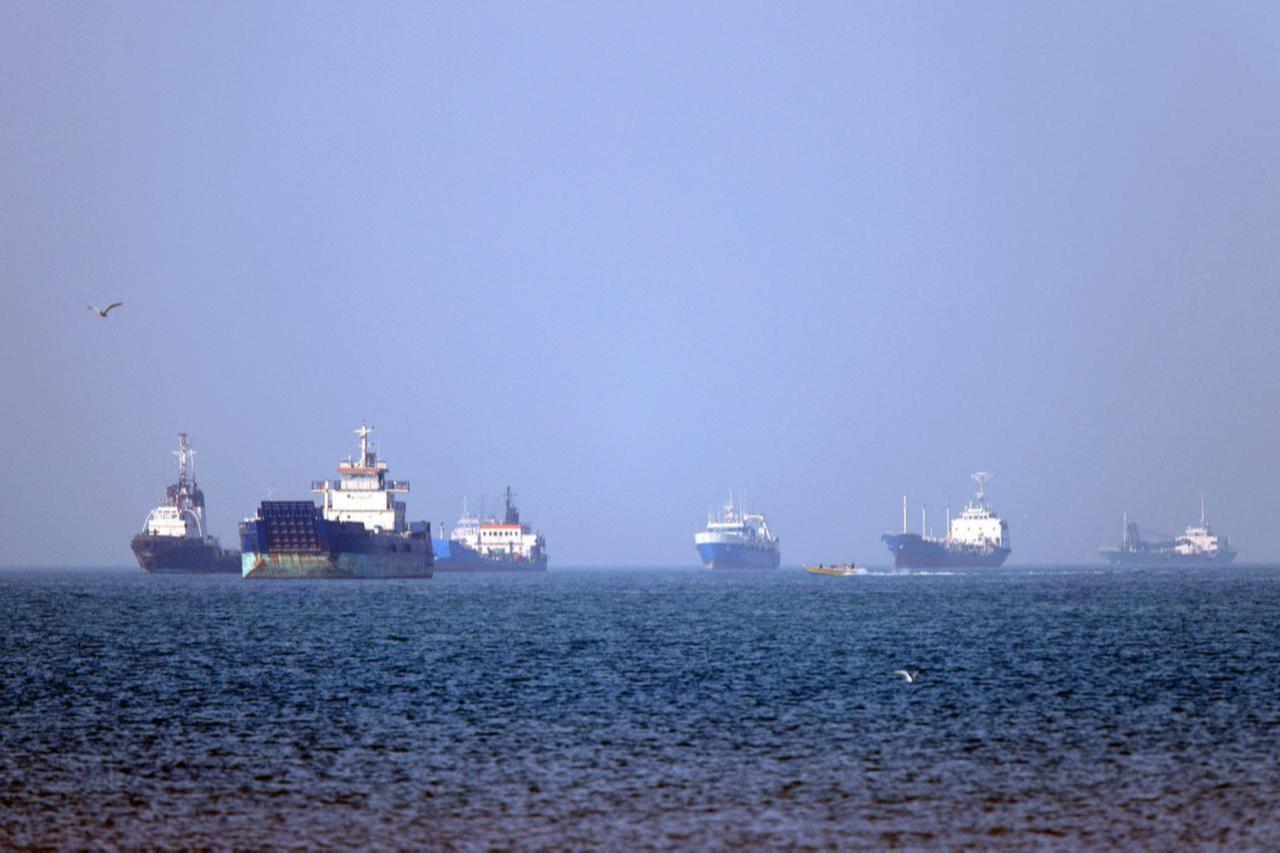
Iranian state television said more than 30 ships had been permitted to pass through the strait since Wednesday evening, though it was not immediately clear whether all were Chinese-flagged or linked to Chinese interests.
The semi-official Tasnim news agency attributed the passage to "a decision by the Republic," saying the vessels had moved under "Iranian-managed transit protocols." Ship-tracking platform Marine Traffic recorded at least four China-linked vessels transiting the strait in the preceding 24 hours via a designated Iranian safe-shipping corridor.

According to Fars news agency, citing an informed source, the passage was facilitated on the basis of the two countries' "deep relations and strategic partnership," and followed direct intervention by China's foreign minister and its ambassador to Tehran.
The transit began after Beijing formally requested it and the two sides reached an understanding on Iranian management of the route, Tasnim said.
The announcement placed Beijing in the unusual position of having secured, through bilateral diplomacy, a shipping concession that the United States and its allies have so far been unable to obtain through military and economic pressure.
China is the world's largest buyer of Iranian crude, absorbing more than 80 percent of Iran's seaborne oil exports in recent years, giving it both an acute economic stake in the waterway and substantial leverage in Tehran.
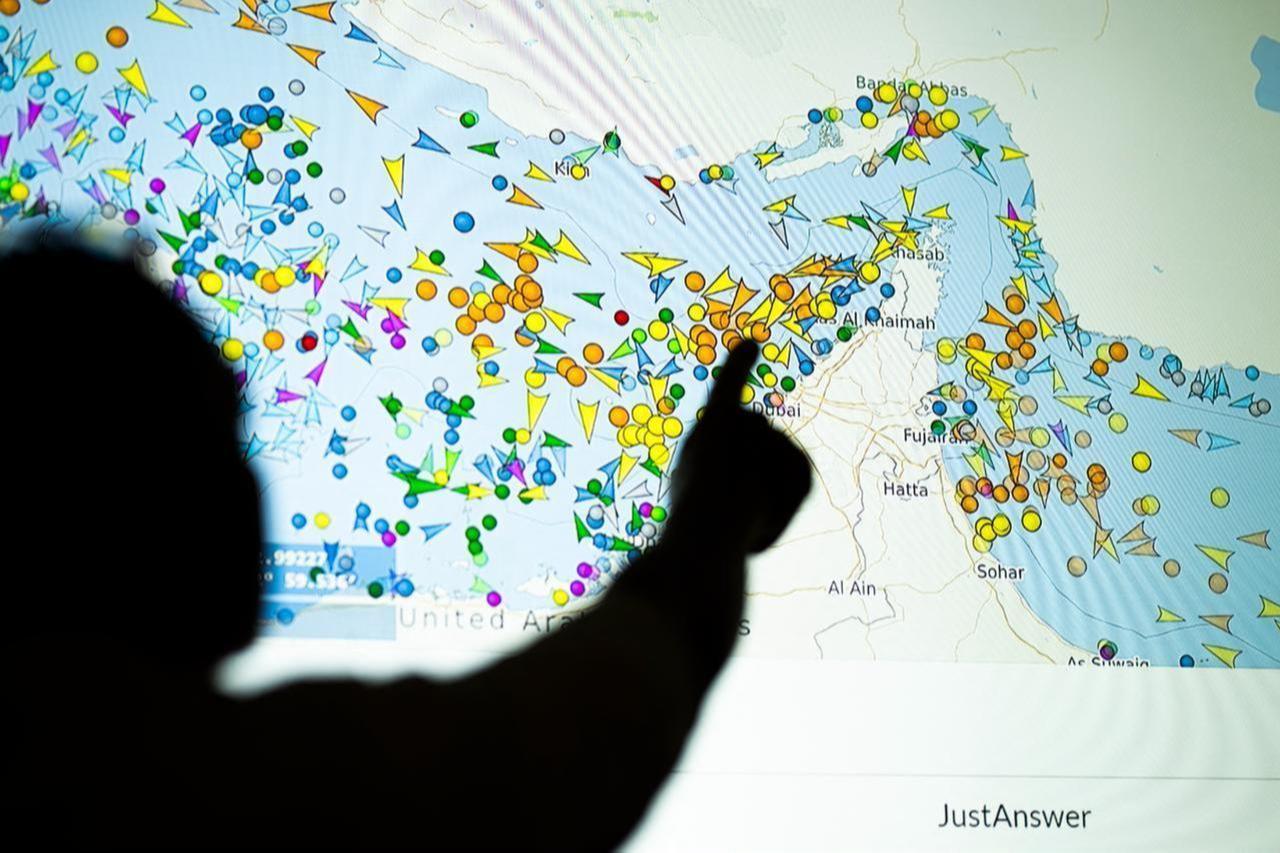
The Strait of Hormuz, a 34-kilometer-wide passage between Iran and Oman, is among the most consequential maritime chokepoints on earth. In peacetime, roughly a fifth of global oil and liquefied natural gas shipments move through it, along with other key commodities.
Iran has maintained an effective closure to most commercial traffic since February 28, when U.S. and Israeli strikes on Iran triggered retaliatory measures by the Revolutionary Guard Corps Navy. The closure has severely disrupted global energy and cargo flows and rattled markets worldwide.
A ceasefire brokered through Pakistani mediation took effect on April 8, but talks in Islamabad subsequently failed to produce a lasting agreement. Trump extended the truce without a fixed deadline, while the United States simultaneously imposed its own naval blockade on Iranian ports, prolonging the crisis in the waterway. Trump said this week the April truce was on "life support."
The Chinese ships began moving through Hormuz as Trump arrived in Beijing for his first visit to China as a sitting president since 2017, a high-stakes summit covering trade, technology and regional security. In a White House readout of Thursday's talks, the two leaders agreed that the Strait of Hormuz "must remain open to support the free flow of energy."
Xi also made clear China's opposition to any militarization of the strait or the imposition of tolls for its use, and expressed interest in increasing purchases of American energy to reduce Beijing's dependence on the route, the readout said. Both governments agreed that Iran could never be permitted to acquire nuclear weapons.
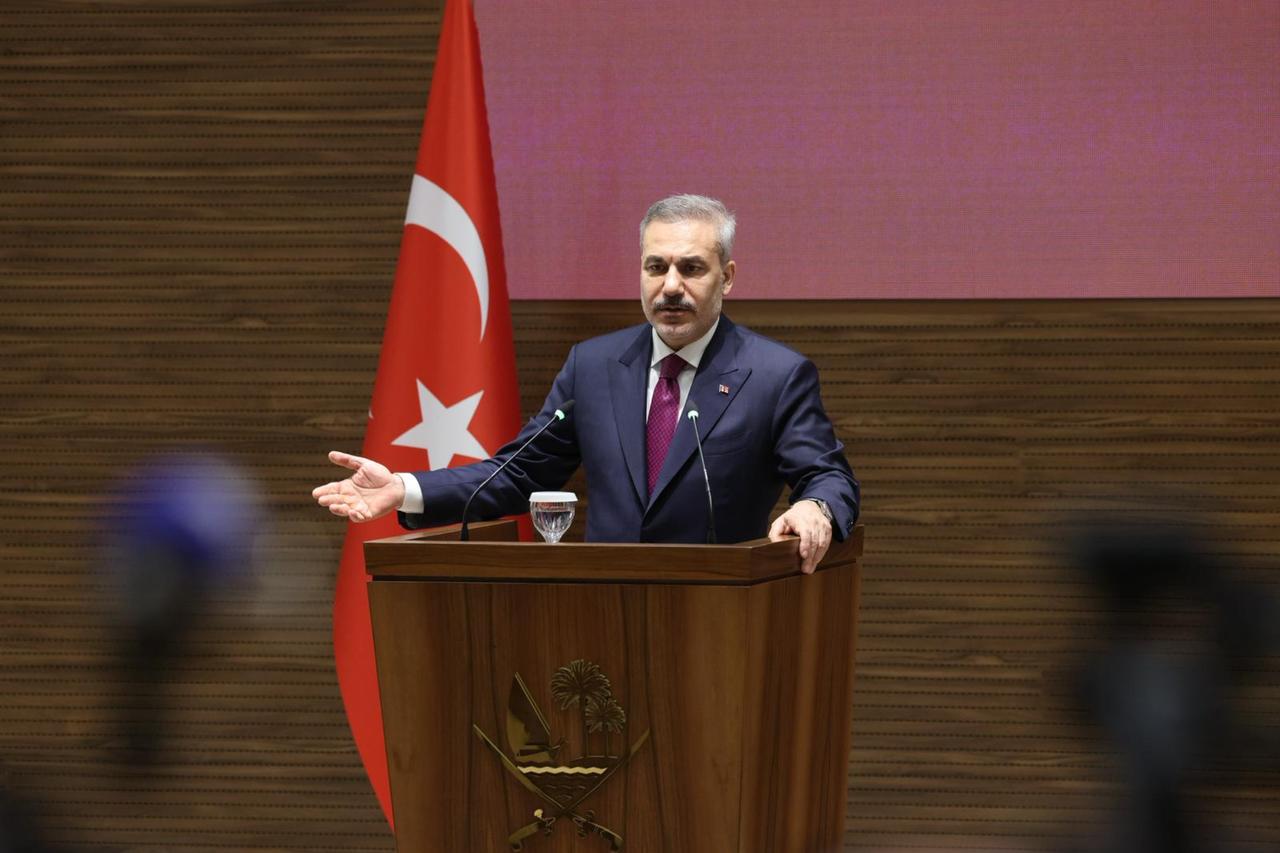
Secretary of State Marco Rubio, speaking separately, said the United States had not asked China for help with the strait, adding, "we don't need their help," but acknowledged the two sides had discussed the issue because of its centrality to the conflict.
Whether Thursday's passage of Chinese ships is a durable shift or a one-time diplomatic accommodation remains unclear. Iran has previously signaled that neutral vessels, particularly those with Chinese ties, might transit the strait provided they coordinated with Iranian authorities, but no formal, sustained arrangement has previously been announced.


 Set as preferred source
 Set as preferred source


 1 min read
 1 min read