Newsletters


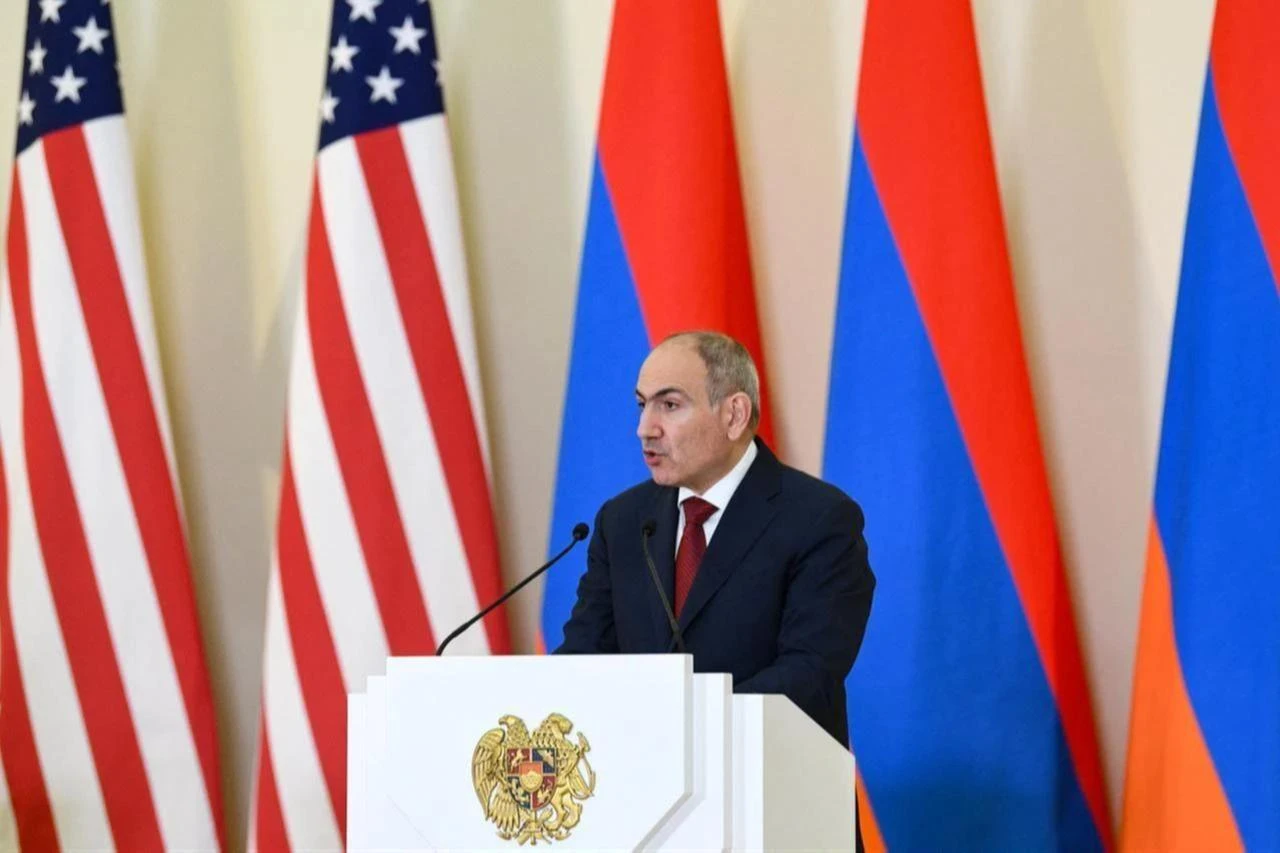


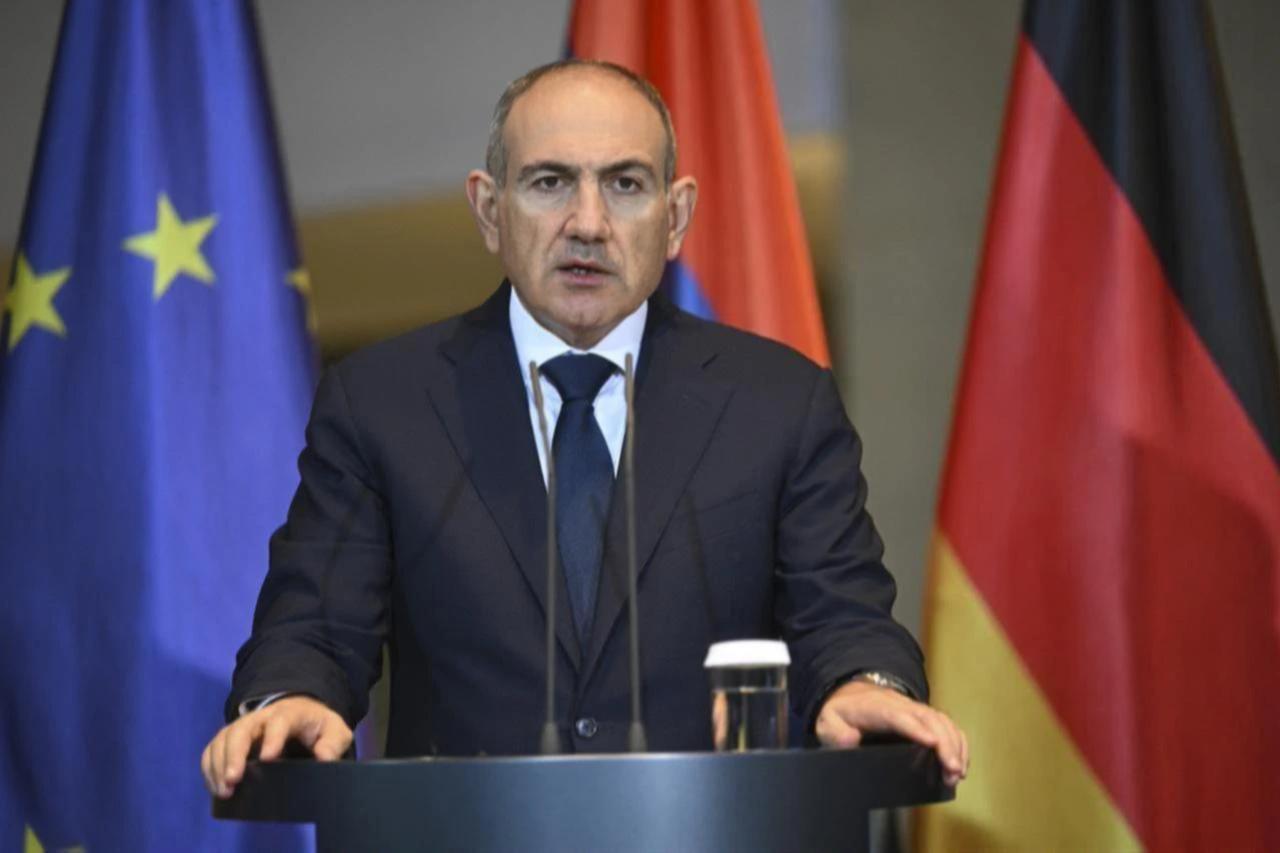
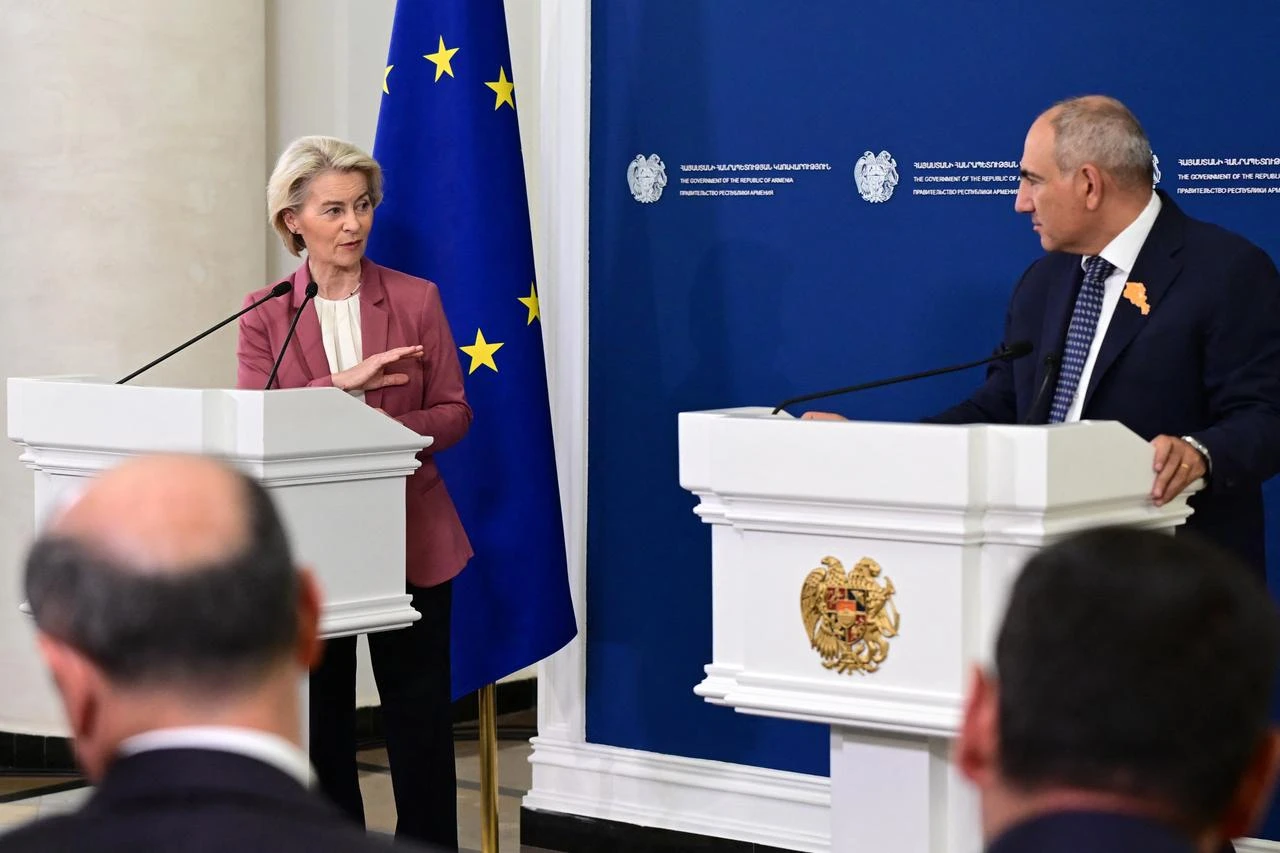
Armenia's Prime Minister Nikol Pashinyan publicly rejected Russia's expectation of an exclusive bilateral relationship on Wednesday, declaring that Yerevan has chosen to pursue strategic partnerships with multiple world powers and will not be bound by what he described as a binary choice between total alignment with Moscow or no relationship at all.
Speaking to journalists in Yerevan, Pashinyan said Armenia now maintains strategic relationships with China, the United States, the United Kingdom, the Netherlands, France and numerous other countries, and that Russia views this as a problem.
"We have decided to have alternatives," he said.
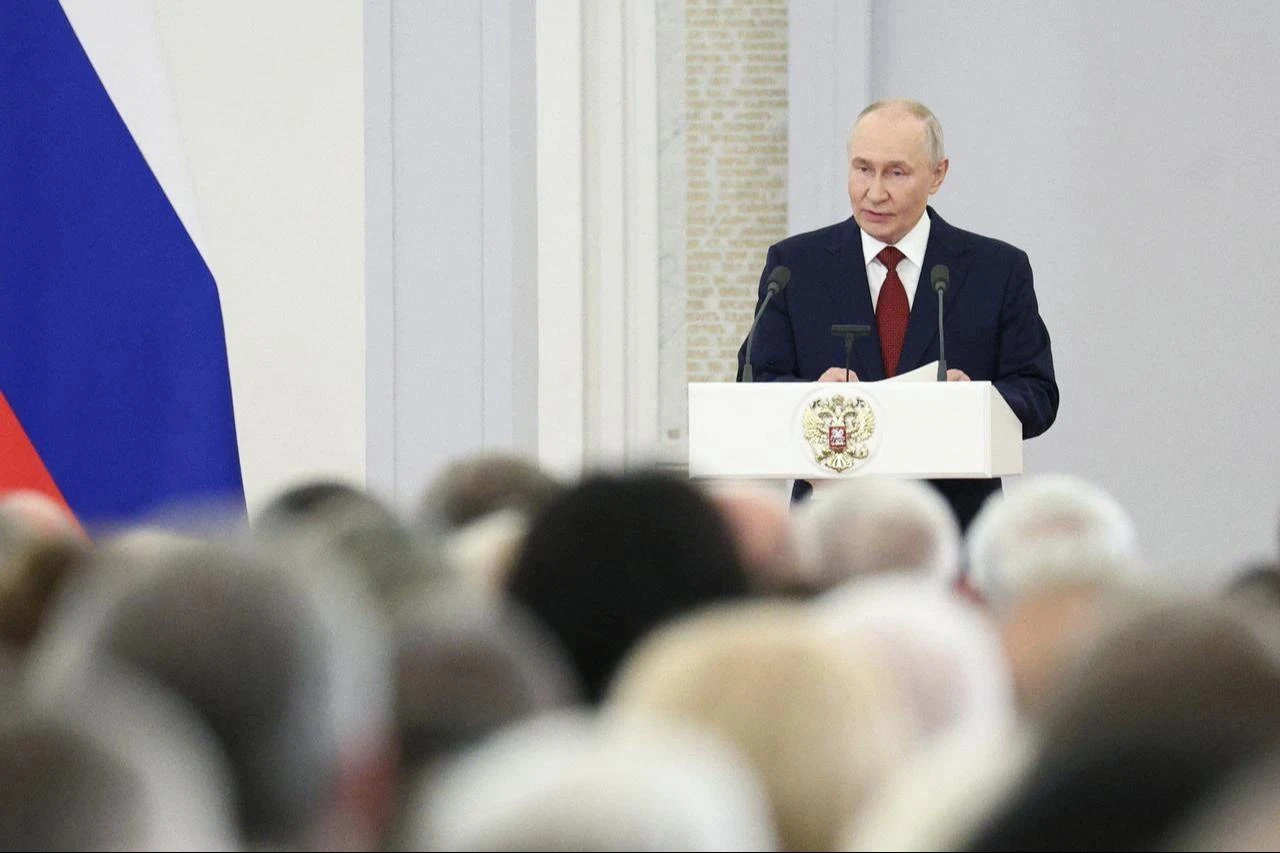

The Armenian prime minister said that until recently, Armenia lacked both economic and political alternatives or strategic partnerships.
He characterized Russia's stance as demanding exclusivity, saying Moscow believes "relations should either be exclusive or there should be no relations at all," adding that Yerevan considers its position, that ties should exist but not on an exclusive basis, "a legitimate one."
Pashinyan also pushed back against characterizations of Armenia as a difficult or unreliable partner, questioning what obligations Yerevan had failed to meet within the Collective Security Treaty Organization (CSTO), the Russian-led military alliance Armenia effectively froze its participation in following the fall of Karabakh in 2023.
"What did Armenia do in 2022 that it could not fulfill CSTO responsibilities? Who did Armenia harm?" he asked, also questioning why Armenia bore any responsibility for what he described as the Russian peacekeeping force's failure to carry out its duties in Karabakh.
The prime minister further criticized the Eurasian Economic Union (EEU), the Moscow-anchored trade bloc of which Armenia remains a member, saying the body is "paralyzed" and not functioning properly, and that the failure of the EEU agreement in practice amounts to the organization itself being dysfunctional.
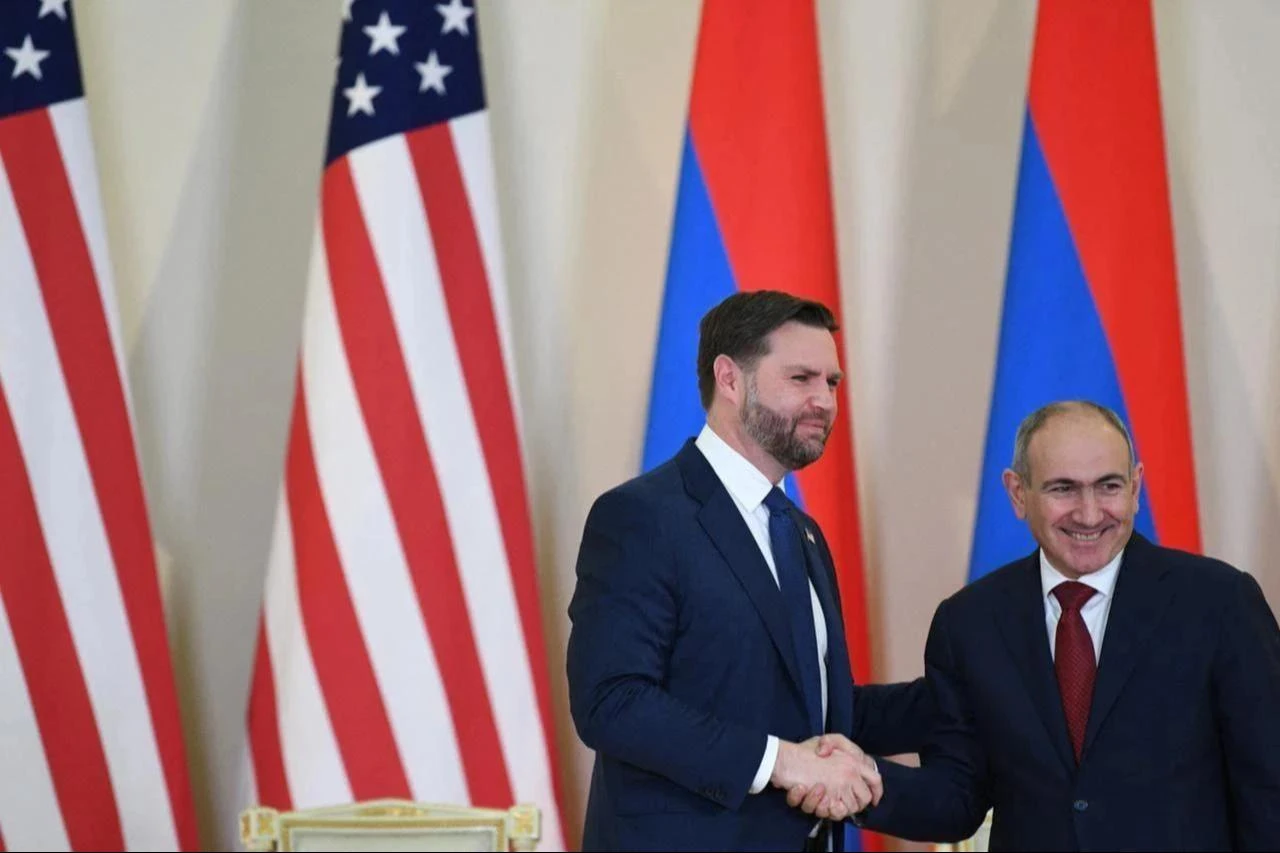
Alongside the remarks on Russia, Pashinyan addressed Iranian concerns about the Trump Route for International Peace and Prosperity, or TRIPP, a major infrastructure initiative that would connect Azerbaijan's mainland to its Nakhchivan exclave through Armenian territory.
He said Yerevan is prepared to answer all questions transparently and is ready to address every concern, describing TRIPP as "a large and very important economic and infrastructure project" that would benefit the entire region, including both Armenia and Iran.
Pashinyan noted that a successful implementation of the project would also open a Gulf-to-Black Sea railway link passing through Iran, Azerbaijan's Nakhchivan, Armenia and Georgia, presenting it as a corridor of broader regional value rather than a bilateral arrangement.
Describing Armenia as "a modest and small country" without the ambition to act as a mediator between Iran and the United States, Pashinyan said his government has acted openly and transparently in its dealings with Tehran, including during recent visits.
The comments represent one of Pashinyan's clearest articulations yet of a foreign policy doctrine that has been taking shape since the 2020 Karabakh war and accelerated after Azerbaijan retook full control of the enclave in September 2023, an outcome widely seen in Yerevan as a failure of Russian security guarantees.
Armenia has since pursued EU integration talks, strengthened defense ties with France and India, and hosted joint military exercises with the United States, moves that have drawn sharp criticism from Moscow.
The TRIPP corridor, backed by the United States, has added a new layer of complexity to Armenia's regional positioning, simultaneously offering Yerevan economic leverage and diplomatic exposure in its relationships with both Tehran and Moscow.
Pashinyan underscored that regional instability remains the primary obstacle to the project's realization, expressing hope that stability could be achieved soon so that "all constructive projects" can move forward.


 Set as preferred source
 Set as preferred source


 1 min read
 1 min read