Newsletters




Polish President Karol Nawrocki accused Prime Minister Donald Tusk on Saturday of carrying out a “forcible takeover of a constitutional body” after the president of the Constitutional Tribunal was suspended, and he called party representatives to urgent talks at the presidential palace.
The talks were due to begin at 1 p.m. local time (1200 GMT). Nawrocki, an ally of the nationalist Law and Justice party (PiS), said they were needed because of “the threat to internal security.” He also demanded that police withdraw from the court.
The confrontation began late on Friday, when the tribunal said Anna Korwin-Piotrowska, its longest-serving judge, had suspended Bogdan Swieczkowski, the court’s president, and taken charge. Swieczkowski was appointed under the previous PiS-led government. Korwin-Piotrowska said the move was needed to restore the rule of law.

Nawrocki had been traveling to Senegal for the opening of the Youth Olympic Games. He ordered his plane to turn back and returned to Warsaw. Local television footage showed him pushing through crowds to enter the court building.
In a statement read by an aide outside the court early on Saturday, Nawrocki said there had been “a breach of public order in the Republic of Poland.”
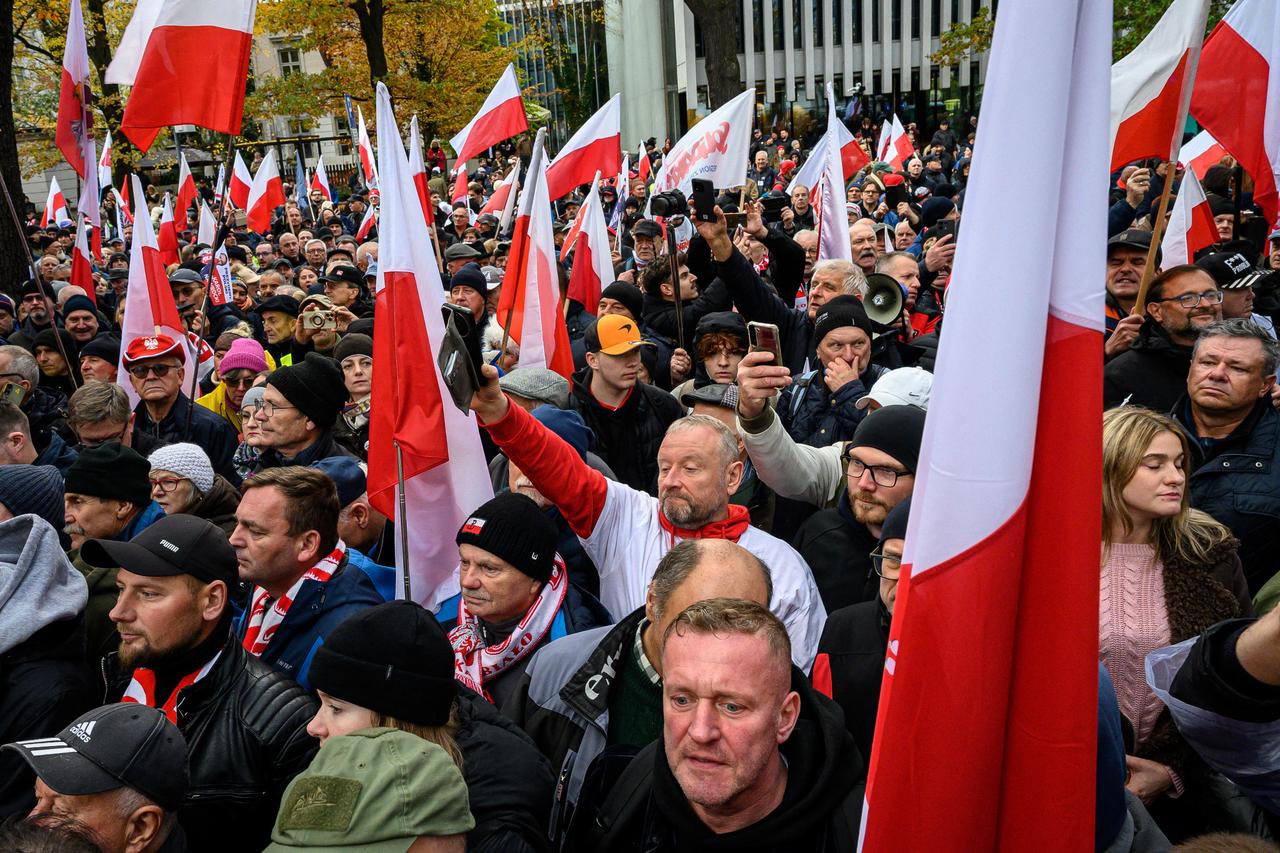
Police surrounded the building. Several hundred protesters demanded that Swieczkowski be reinstated, and some chanted “Tusk traitor” and tried to push through security barricades. Police said three people were arrested.
Former PiS prime minister Jaroslaw Kaczynski addressed the demonstration and called on Nawrocki to act.
“Tusk is trampling on our constitutional rights,” demonstrator Tomasz Zaleski told AFP outside the court.
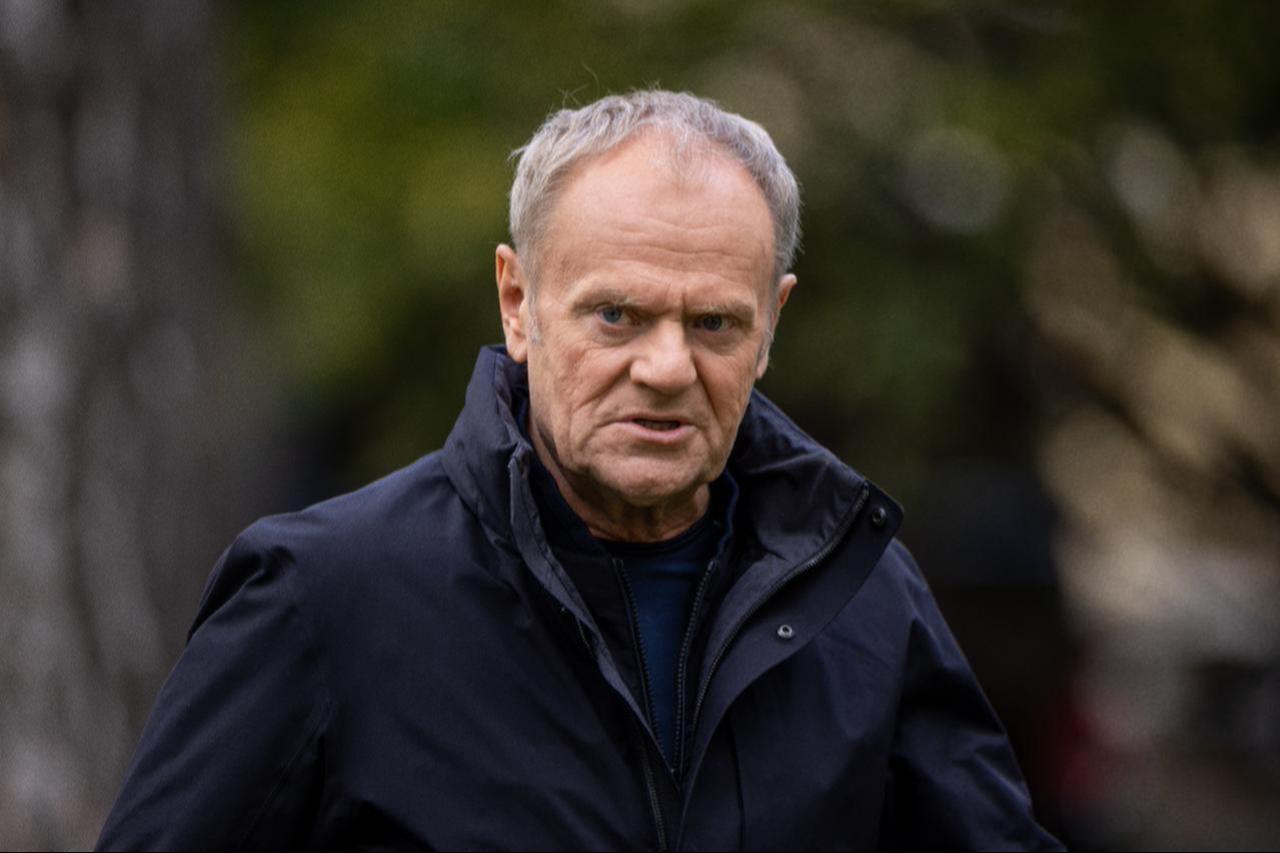
Tusk, who leads a pro-European coalition, defended the move on X. He said restoring the rule of law was the government’s duty. “This process is difficult, at times even painful, and requires decisive action,” he wrote. “There is no other way.”
Justice Minister Waldemar Zurek, who is also attorney general, said he had asked for the legal immunity of Swieczkowski and his deputy, Bartlomiej Sochanski, to be lifted.
“This court has become private property; we must restore its proper functioning,” he told journalists.
The tribunal disputed the legitimacy of the change. Its official X account described the events as a “coup d’etat” and said Swieczkowski remained in office. It also said Korwin-Piotrowska could not serve as interim head because the president had not sworn her in.
The US ambassador to Poland, Tom Rose, urged all sides to avoid provocation. “Don’t take any action that could provoke violence or further escalation,” he said on X, adding that “the last thing Poland needs is a confrontation that spirals into something far worse.”
The fight over the tribunal dates to 2015, when Law and Justice sought to appoint judges to seats already filled by the previous government.
Its nominees later gained a majority on the court. Critics at home and abroad said the tribunal no longer met the standards of an independent and impartial court established by law.
The tribunal frequently ruled in favor of Polish legislation over EU law, and the European Union accused it of being too close to the governing nationalists of the time.
Tusk’s coalition took office in 2023 pledging to restore the rule of law and reform the court. Nawrocki, elected president in 2025, has acted to thwart those efforts.
Earlier this year he refused to swear in three of six judges nominated by parliament, while Swieczkowski, a former deputy justice minister in the Law and Justice administration, declined to seat judges elected by the current parliamentary majority.
The dispute has effectively paralyzed the institution, with each side refusing to recognize the other’s appointees.
Last month, parliament appointed Tusk ally Maciej Berek to the tribunal. Critics said the appointment undermined the government’s stated goal of restoring checks and balances.
Ewa Marciniak, a political scientist at the University of Warsaw, said the parliamentary elections due in November 2027 made the standoff more volatile. “We are already in campaign mode and a phase of voter mobilisation,” she told AFP. “When political actors pursue goals tied to that mobilisation, there is always a risk of escalation.”


 Set as preferred source
 Set as preferred source


 1 min read

 1 min read